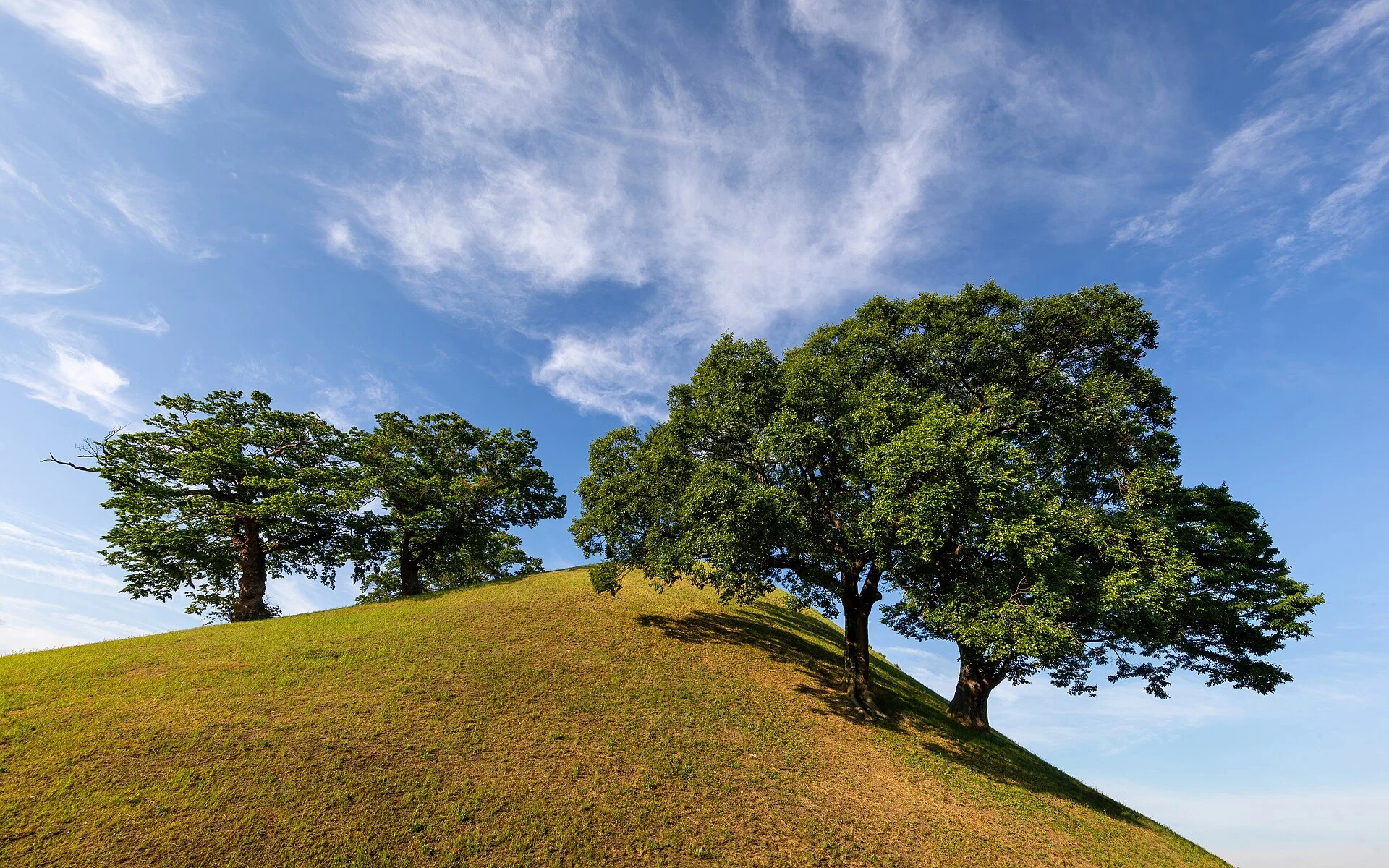
Hahoe and Byeongsan: Understanding the Confucian Landscape
A leisurely day among a living village, ritual masks and an academy beside the Nakdong River offers a way to see Hahoe beyond its traditional architecture.
Read guide →Republic of Korea
All articles about the country, including other pages. Select a point to discover its guides.
If the map does not load, all guides remain available in this list.
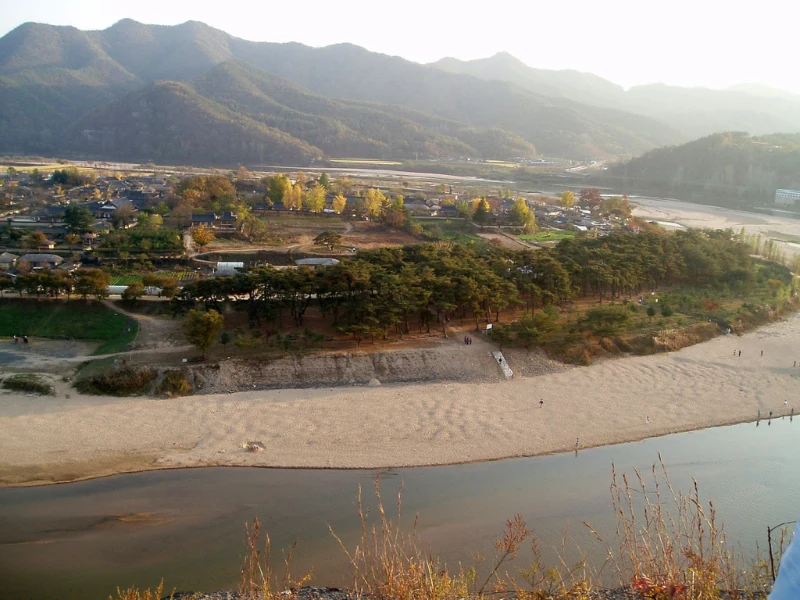
Andong is a practical base for visiting Hahoe and Byeongsan Academy. Together, they offer a view of an inhabited village and a cultural landscape shaped by Confucian life and learning.
Explore the place →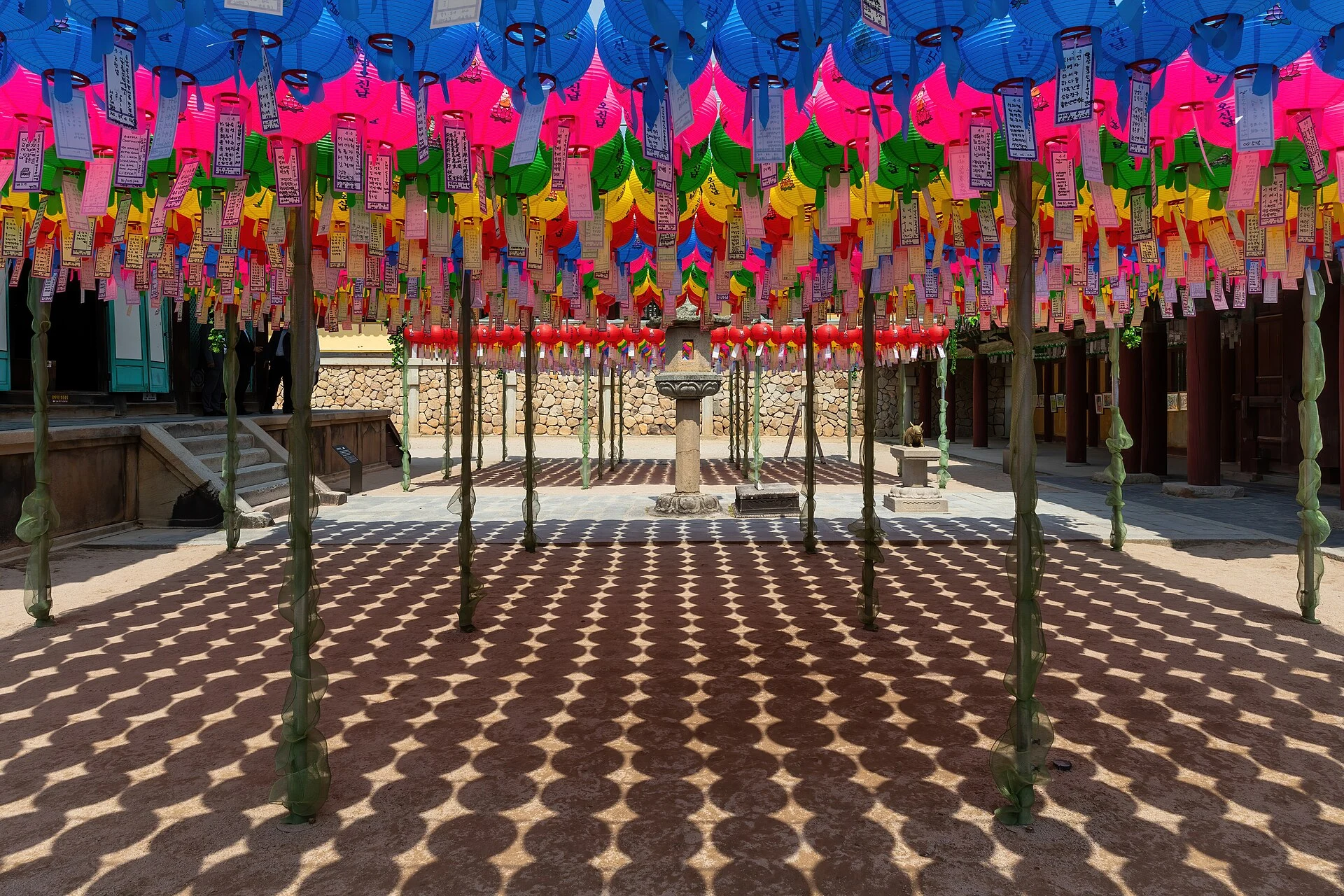
Set on the slopes of Tohamsan, Bulguksa unfolds through stone terraces, stairs and bridges. The Seokgatap and Dabotap pagodas shape a temple designed as an earthly image of the Buddhist land.
Explore the place →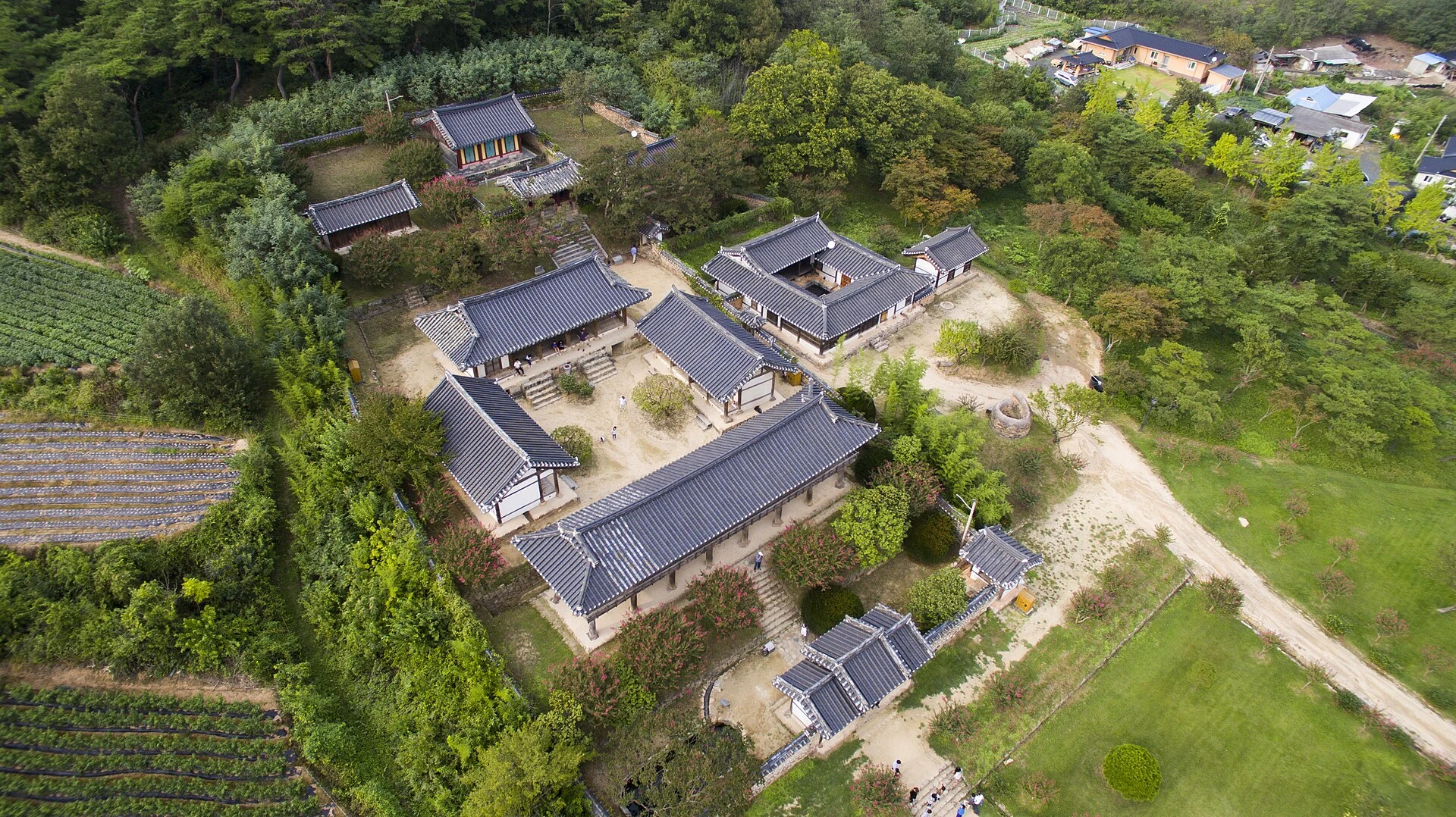
Byeongsan Seowon is a Confucian academy whose halls and pavilions are arranged in relation to the mountain and river. Its architecture shows how the landscape formed part of study and contemplation.
Explore the place →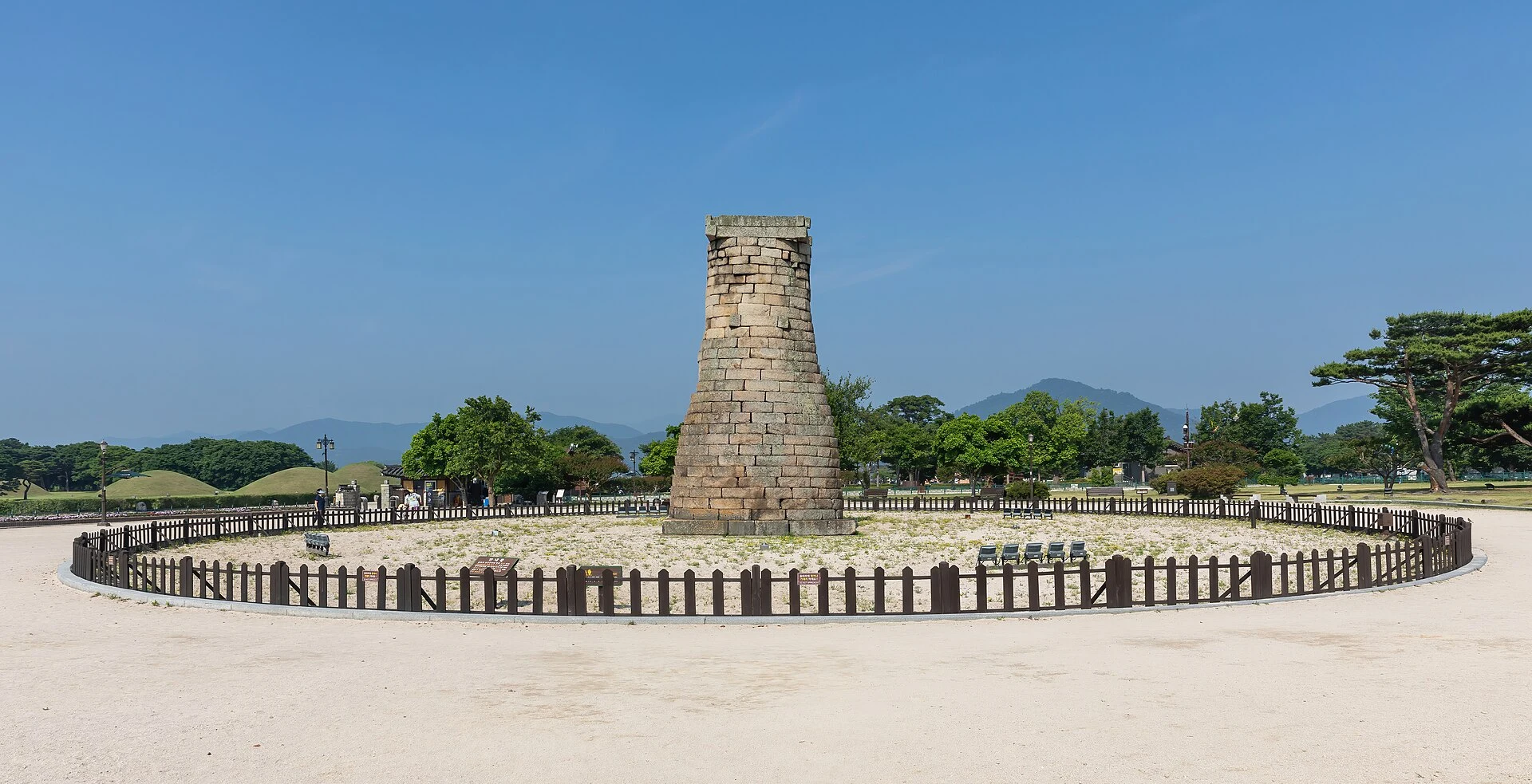
Cheomseongdae is part of central Gyeongju’s walkable archaeological core, alongside the tumuli, Wolseong and Donggung with Wolji Pond. It makes most sense as one feature in a dispersed historic landscape rather than as an isolated monument.
Explore the place →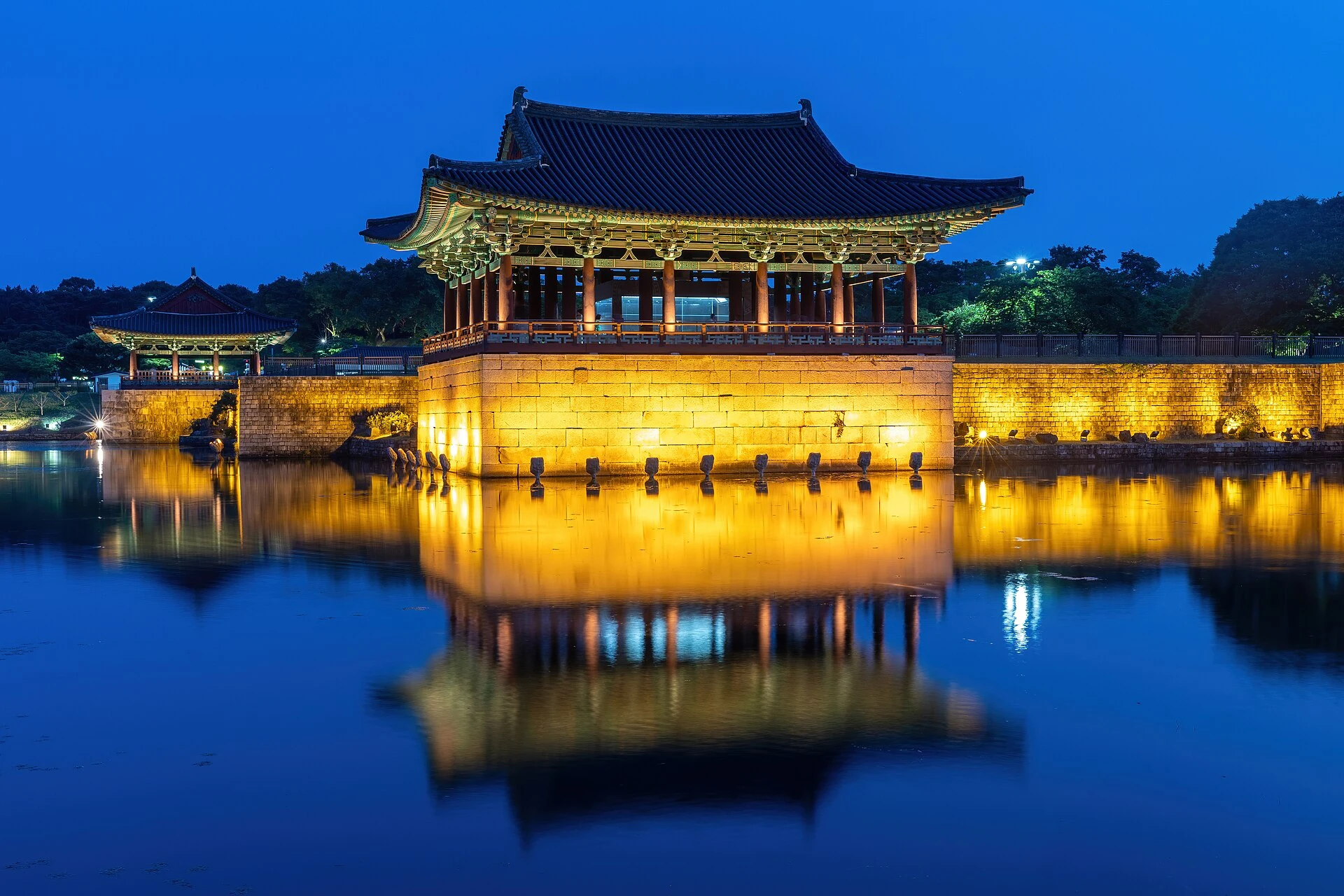
Donggung and Wolji Pond are part of Gyeongju’s archaeological core. The palace area and water help explain how government, residence and ceremony were arranged in Silla’s former capital; the site connects on foot with other central remains.
Explore the place →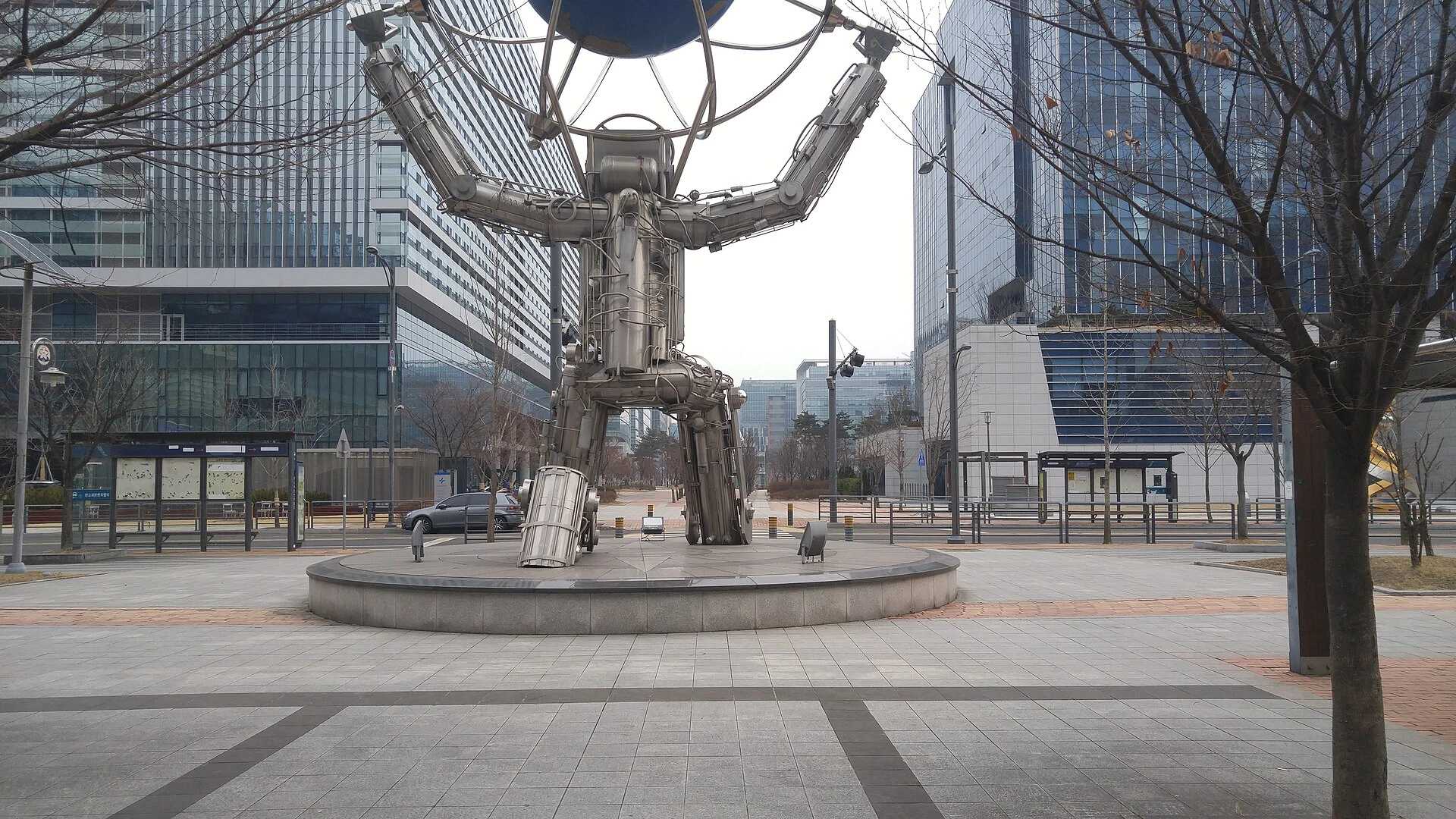
Gyeonggi Province is mentioned as an alternative in South Korea if visits to areas near the Demilitarized Zone are cancelled.
Explore the place →
Gyeongju is best understood as an ancient Silla capital whose heritage is spread across burial mounds, palace remains and Buddhist sanctuaries. The museum and area-based routes help make sense of this archaeological landscape.
Explore the place →
Gyeongju National Museum presents collections about Silla and objects from Donggung and Wolji. Its galleries and outdoor displays provide context for interpreting the city’s burial mounds, pagodas and archaeological finds.
Explore the place →
Hahoe, in Andong, is an inhabited village whose layout brings together homes, fields, woodland and the Nakdong River. Its houses and communal spaces offer insight into the social order of Joseon Korea and a cultural landscape shaped by local life.
Explore the place →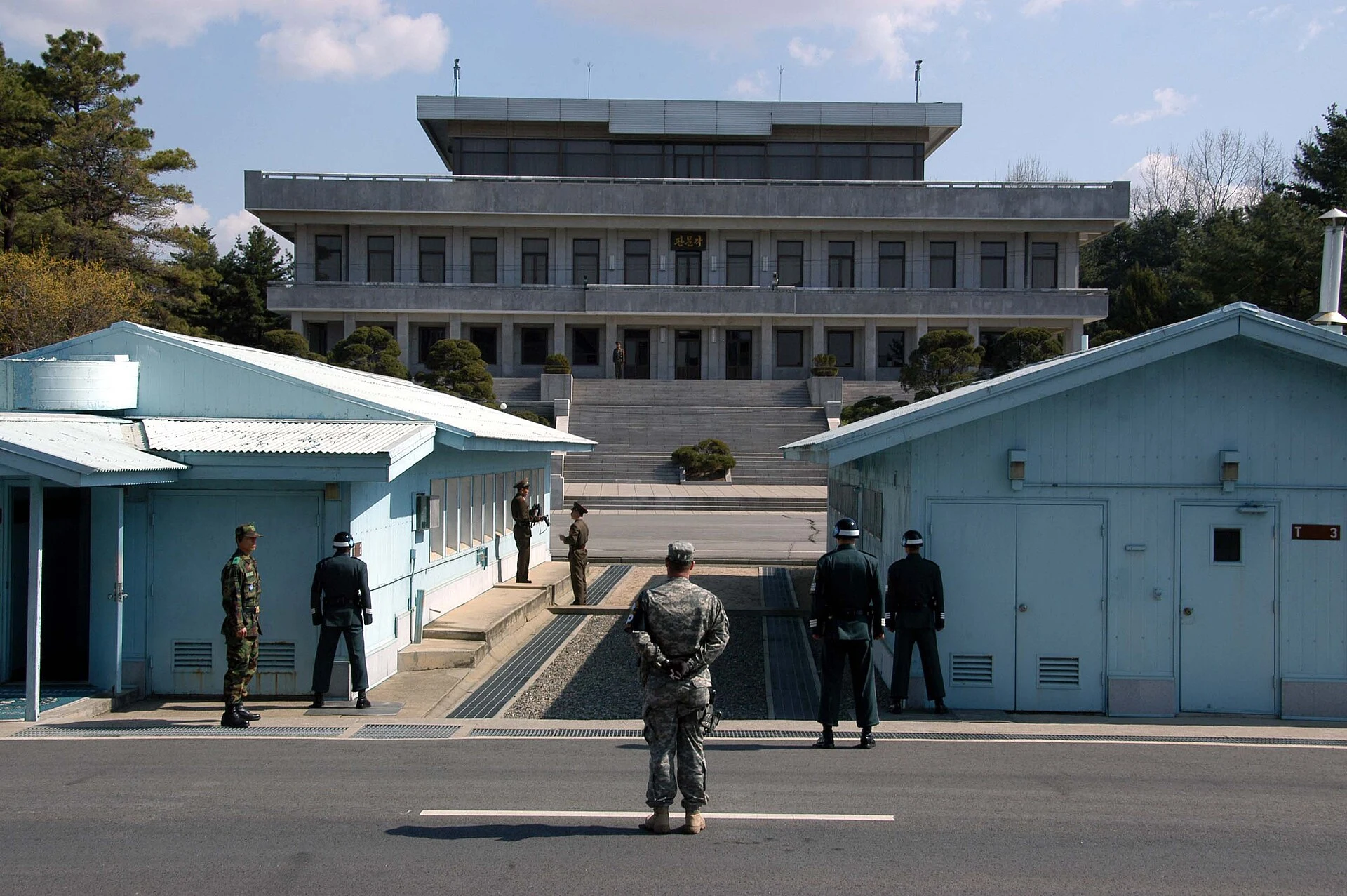
The Demilitarized Zone offers context for understanding the peninsula’s division, the armistice and the border through visits to nearby areas from South Korea.
Explore the place →
The Nakdong River is part of Hahoe’s setting, where its curve relates to the homes, fields and natural surroundings. Its presence helps explain the village’s historical landscape.
Explore the place →
Seoul is mentioned as a possible alternative base in South Korea if visits to areas near the demilitarized zone are cancelled. Conditions for those excursions can change and should be checked shortly before the date.
Explore the place →