
Mleiha and Faya: Understanding a Desert of Water, Stone and Footprints
A day trip from Sharjah linking the Mleiha Archaeological Centre, ancient tombs and Faya’s prehistoric landscape—without confusing adventure with interpretation.
Read guide →United Arab Emirates
All articles about the country, including other pages. Select a point to discover its guides.
If the map does not load, all guides remain available in this list.
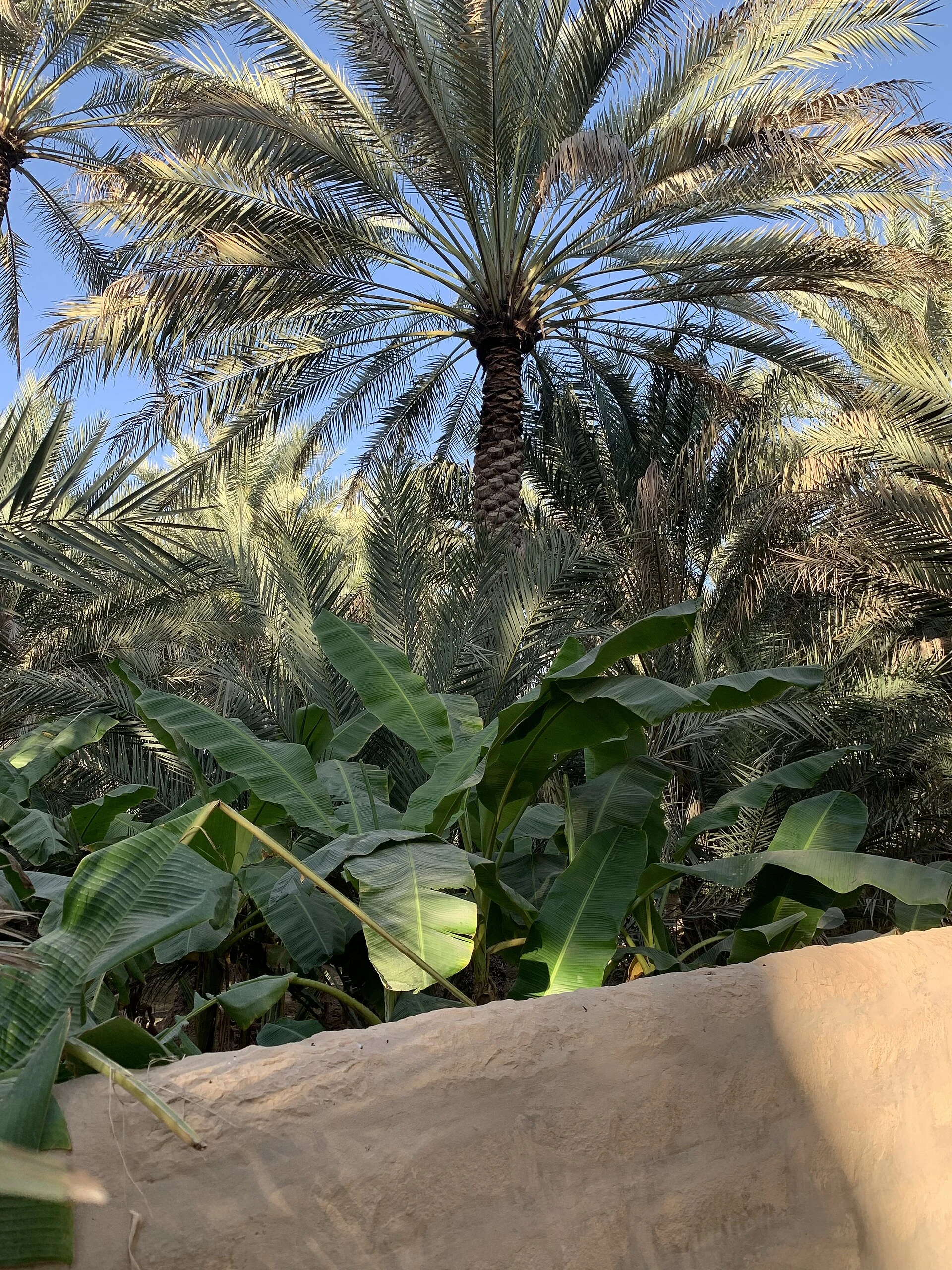
Al Ain is best understood as a cultural landscape spread across oases, settlements and tombs. Water, agriculture and funerary practices connect Al Ain Oasis, Hili and Jebel Hafit, while the distances between them call for careful planning.
Explore the place →
Al Ain Oasis is an agricultural space integrated into the city, where channels, plot walls and palms explain the falaj water system and its distribution. Shaded paths offer a measured introduction to Al Ain’s agricultural history.
Explore the place →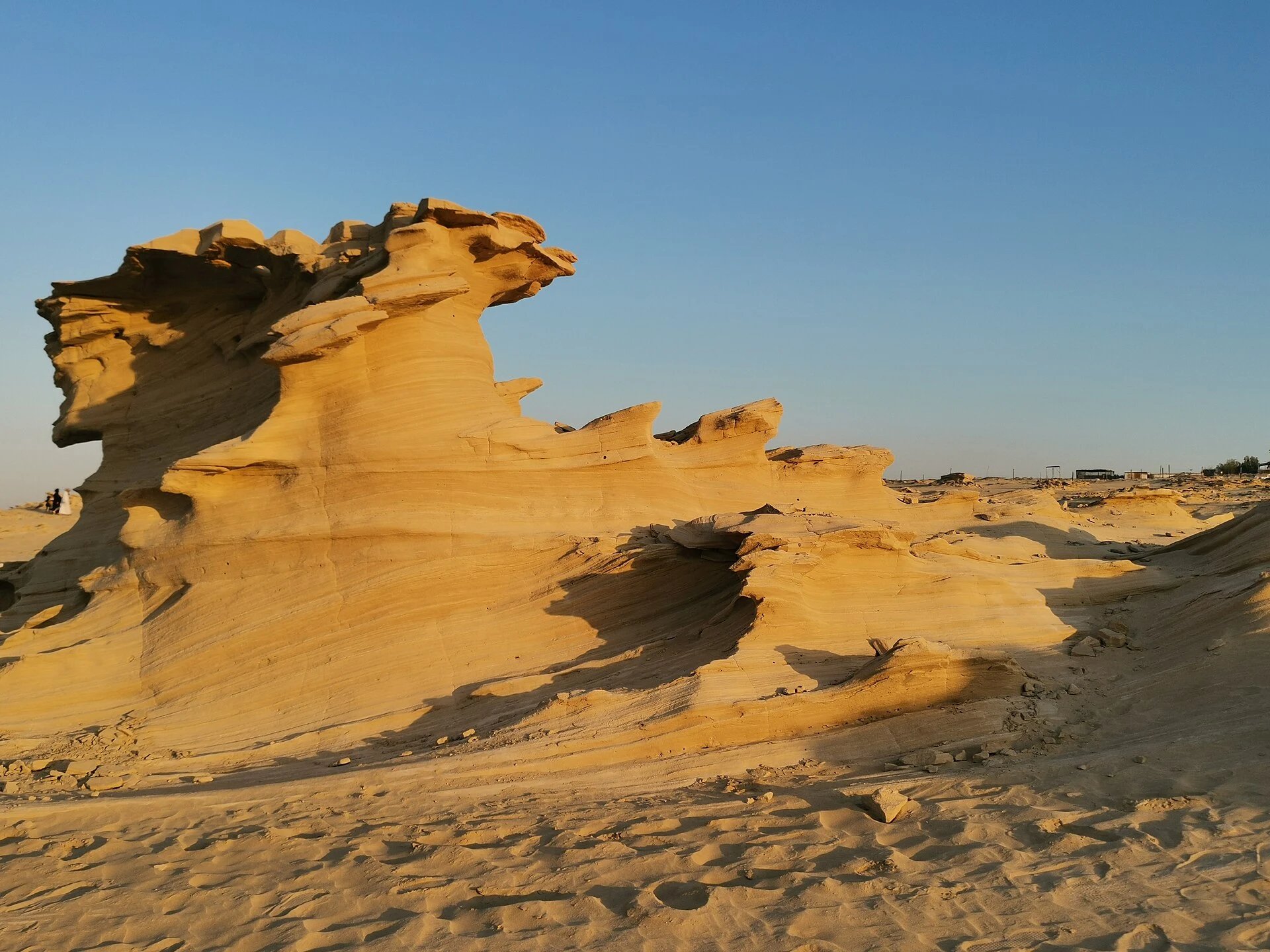
Fossil Rock reveals the marine geological history contained in Sharjah’s desert landscape. It works as a landscape excursion complementary to Mleiha Archaeological Centre and offers a different perspective from Faya’s prehistoric occupation record.
Explore the place →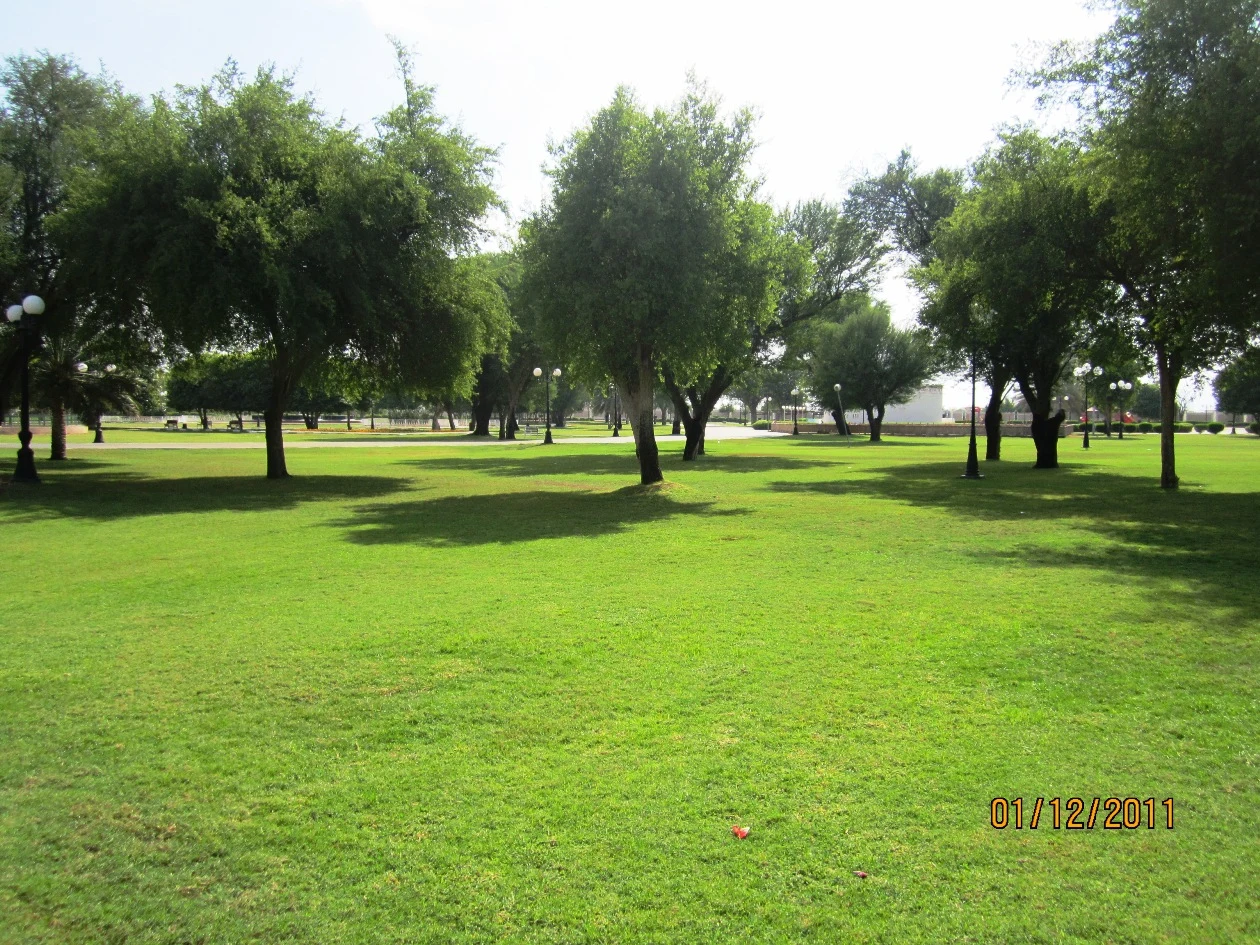
An archaeological park in Al Ain where the Grand Tomb and the remains of settlements and channels reveal Hili’s history and the importance of water in an arid environment.
Explore the place →Jebel Hafit contains more than 500 stone tombs on the mountain’s foothills and, together with Hili and Al Ain’s oases, completes the story of a cultural landscape shaped by burial and farming.
Explore the place →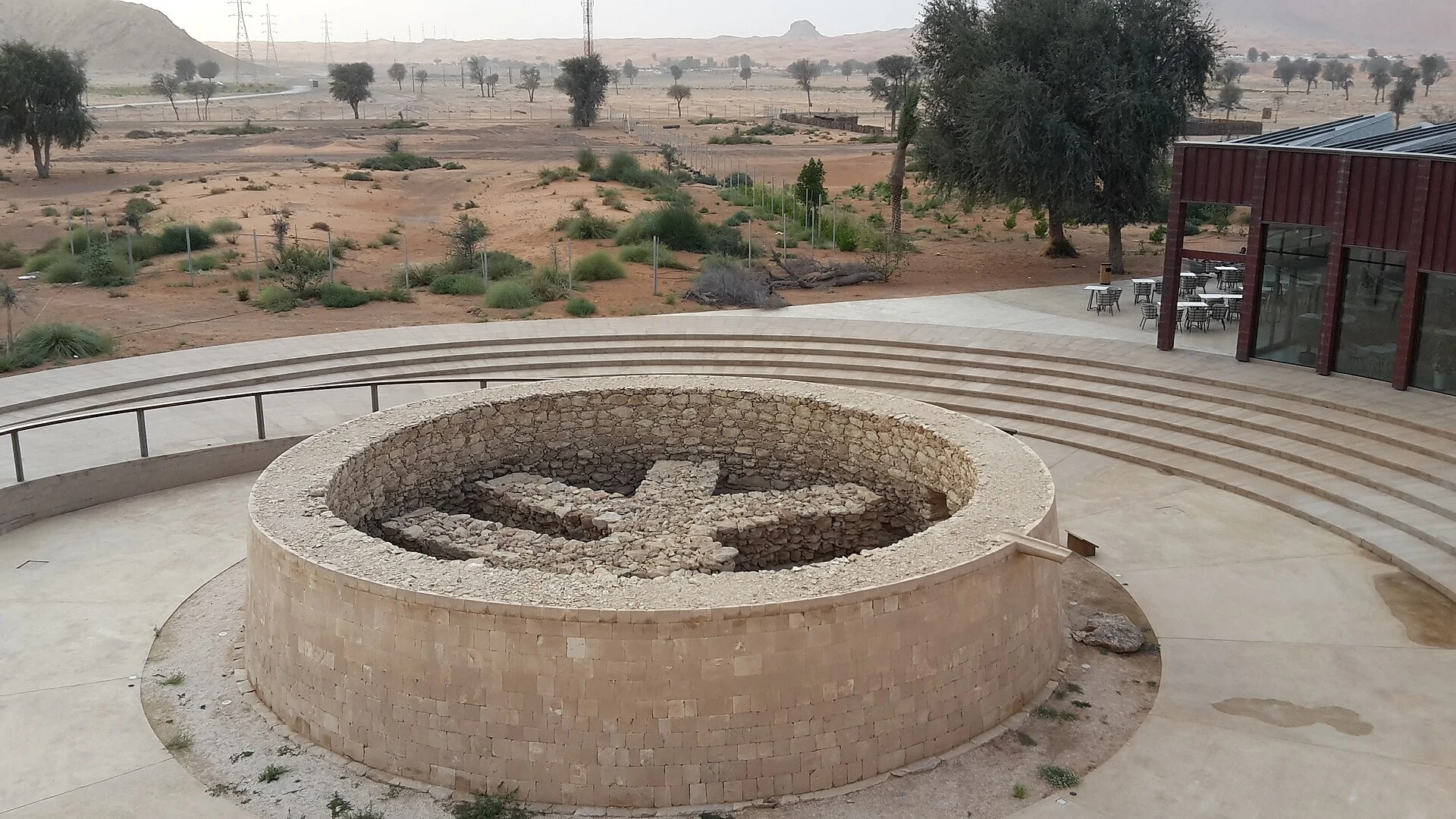
Mleiha brings together an archaeological centre, tombs, a fort and desert landscapes connected to different periods of human occupation. The visit works best by starting at the Mleiha Archaeological Centre, then combining an interpreted tomb with one landscape route, such as Fossil Rock or Jebel Faya.
Explore the place →
Mleiha Archaeological Centre introduces Faya’s prehistory and pre-Islamic Mleiha through stone tools, funerary contexts, tombs and earthen architecture. It provides a starting point for interpreting the desert landscape and its different chronologies.
Explore the place →