Tuvalu · Nature and planning
Funafuti and the boat trip to the conservation area
The most meaningful excursion from Funafuti depends on a boat, sea conditions and accepting that the atoll is not a conventional beach destination.
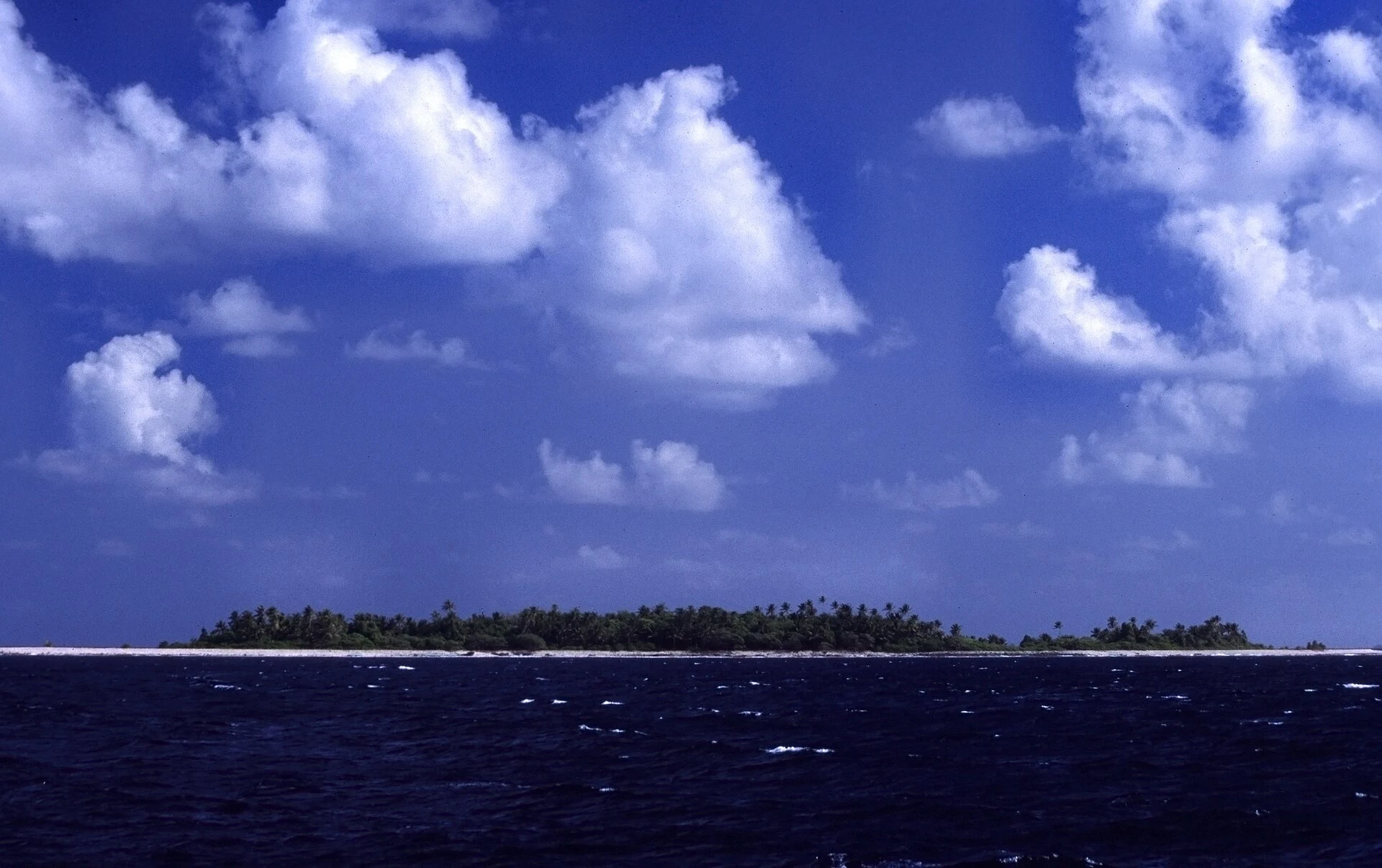
The Funafuti Conservation Area occupies the western side of the atoll and encompasses reef, lagoon, channels and small motu. This is not an excursion to add automatically to a short stopover: it requires arranging a boat, allowing genuine flexibility for transport changes and distinguishing between observing the marine environment and entering the water in suitable conditions. For travellers able to move slowly, it is a tangible way to understand why the lagoon, islets and their biodiversity are part of everyday life in Tuvalu.
A marine reserve visited from Funafuti
The conservation area stretches across the western side of the atoll and includes reef, lagoon, channel and ocean environments, as well as islets. Its protection is not merely a tourism label: its boundaries are legally defined and its purpose is to conserve terrestrial and marine biodiversity.
The practical decision is simple: book this outing only if you can confirm a boat, the planned itinerary and which activities are suitable that day in advance. Ask where the boat departs from, how long you will be at sea, whether you will land on an islet and what safety equipment the operator carries. Do not assume that a motu shown in a photograph can be landed on or walked around freely.
The area contains green turtle nesting sites and, at Fualopa, a colony of black noddies. Observing from a distance without causing disturbance should matter more than the expectation of approaching wildlife or treating a beach as your own private setting.
Time buffers are part of the journey
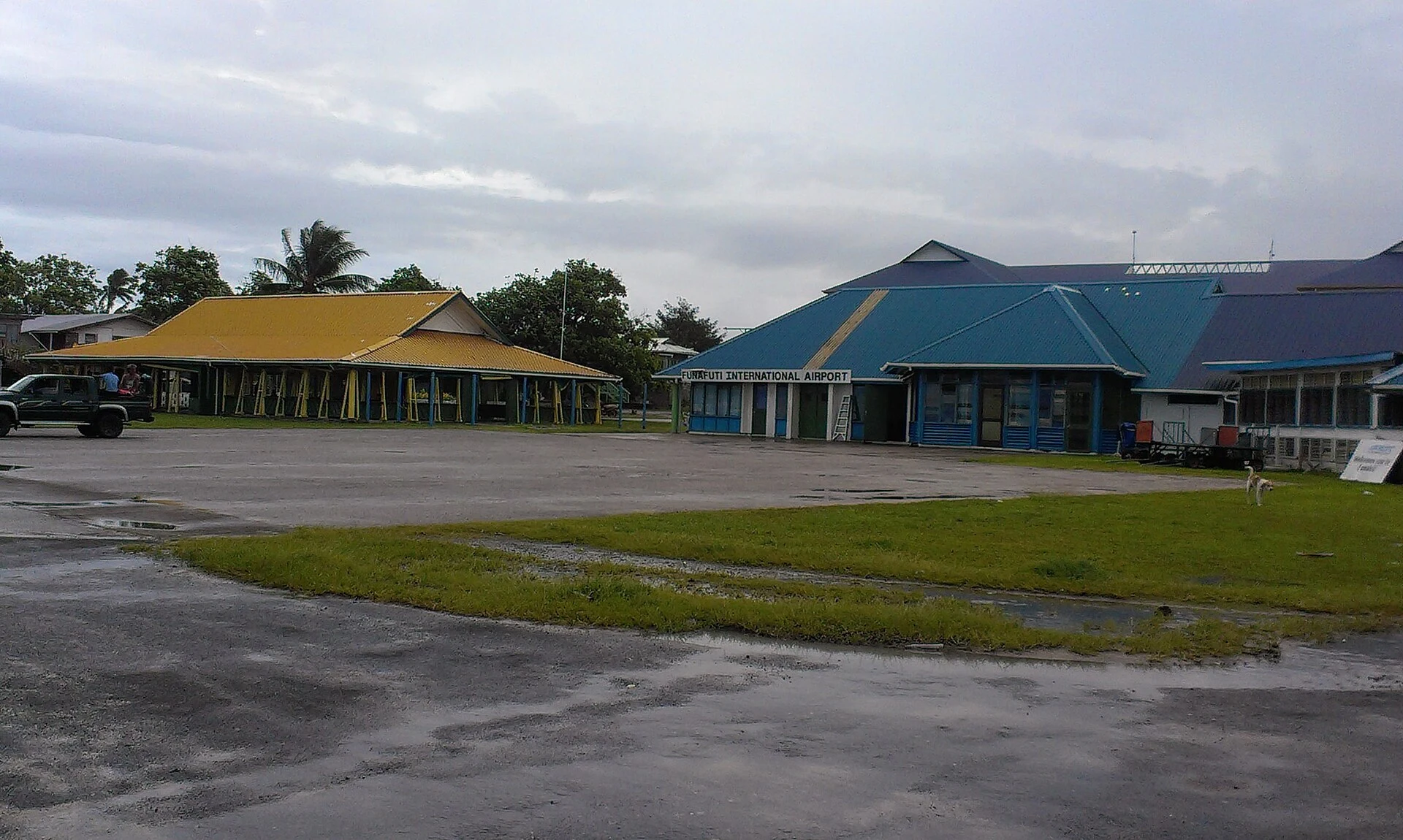
Funafuti is the logical base: the airport, most accommodation and the most viable contacts for arranging a boat are all there. But flights in and out should not be treated as a minor detail. Commercial transport to and from Tuvalu can be intermittent; a tight connection turns any change into a problem for the entire itinerary.
It is advisable to arrive the night before the boat trip and leave another night at the end before connecting to an international flight. This buffer does not guarantee that there will be no disruption, but it prevents a cancellation or unsuitable sea conditions from forcing you to abandon the visit immediately.
Before paying for accommodation or flights, verify the current air service directly, room availability and whether a boat can be arranged. Also travel with a conservative financial plan: official advisories indicate that there are no ATMs and that card payments should not be taken for granted. Confirm this before departure and budget enough Australian dollars in cash for the entire stay.
The water calls for a question before you put on your fins
An atoll setting naturally suggests swimming and snorkelling. In Funafuti, that assumption is unwise. Official advisories point to potentially very strong currents at sea, a risk of cuts from coral and limited medical capacity in the event of an accident. They also advise against swimming in Funafuti Lagoon because of pollution.
When booking the outing, therefore, ask for a specific answer about where you will enter the water, the currents observed that day, the experience required, the supervision available and the alternative if swimming is unsafe. If these conditions are unclear, make the day about sailing and observing from the boat, or postpone the water activity.
Divers and snorkellers should assess their risk tolerance rather than the distance travelled. Insurance covering water activities and medical evacuation does not replace a prudent decision about the sea, but it is an important condition before travelling.
A responsible visit begins when you choose the stopover
The area exists to conserve ecosystems, not to multiply landings. In practice, a visitor’s best contribution is to reduce pressure: do not touch coral, feed animals, leave waste behind or demand access to nesting areas. Take everything you bring back with you from the islet or the boat, including packaging and food scraps.
The human scale of the journey also deserves attention. Funafuti is not a self-contained resort: accommodation, connectivity, medical care and supplies operate with limited capacity. Travelling light, with modest expectations and a flexible schedule is more respectful than demanding immediate availability.
If your trip depends on continuous connectivity, electronic payments, specialised medical access or a tightly scheduled diving programme, it may be better to choose another destination or postpone Tuvalu until you can travel with more flexibility.
Before booking: checks you should not delegate
The following conditions are sensitive to the timing of your trip and should be verified directly with the entities listed in the references:
- Flight operations, schedules, changes and baggage with the airline operating your route.
- Accommodation, availability and contact details for arranging a boat with Tuvalu’s Department of Tourism or the chosen property.
- Sea conditions, whether swimming is possible, landings and local rules for the day of departure.
- Cash required, mobile connectivity and your insurance coverage for evacuation and water activities.
- Entry, health, travel-advisory and cyclone-season requirements applicable to your nationality.
The official cyclone season indicated by US authorities runs from November to April. This is not an automatic ban on travelling, but it is a reason to check forecasts, insurance and flight flexibility before confirming a plan.
Official references to check before travelling
- Tuvalu Department of Tourism, Funafuti Marine Conservation information sheet: the area’s extent, ecological purpose and associated species.
- Government of Tuvalu, Funafuti Conservation Area Order, revised 2022 edition: the legal boundaries of the protected area.
- Tuvalu Department of Tourism, Accommodation: accommodation options and contact details in Funafuti.
- US Department of State, Tuvalu International Travel Information, updated 12 May 2025: transport availability, healthcare, accessibility and cyclone season.
- UK Foreign, Commonwealth & Development Office, Tuvalu travel advice: Safety and security, current on 20 September 2026: cash, connectivity, swimming conditions and safety during water activities.
- UK Foreign, Commonwealth & Development Office, Tuvalu travel advice: Health: medical care and the need for evacuation coverage.
References consulted during editorial review. Times, requirements and advisories may change: always confirm with the official source.
- https://www.gov.uk/foreign-travel-advice/tuvalu www.gov.uk
- https://tourism.gov.tv/funafuti-marine-conservation-2/ tourism.gov.tv
- https://tourism.gov.tv/ tourism.gov.tv
- https://www.timelesstuvalu.com/ www.timelesstuvalu.com
- https://tuvalu-legislation.tv/cms/legislation/index/by-alphabetical.html tuvalu-legislation.tv
- https://tuvalu-legislation.tv/cms/legislation/acts_only/by-category.html tuvalu-legislation.tv
- https://tuvalu-legislation.tv/cms/legislation/index/by-category.html tuvalu-legislation.tv
- https://www.ffa.int/download/tuvalu-conservations-areas/ www.ffa.int
- Tuvalu WikidataCC0 1.0 Wikidata · Q672
- Tuvalu WikidataCC0 1.0 Wikidata · Q11898933
- Tuvalu WikidataCC0 1.0 Wikidata · Q180489
- Tuvalu WikidataCC0 1.0 Wikidata · Q18678823
- Tuvalu World Countries — mledozeODbL 1.0 World countries dataset by mledoze and contributors · ODbL 1.0
- Tuvalu World Bank Open DataCC BY 4.0 World Bank
- Tuvalu DBpediaCC BY-SA 3.0 DBpedia
- Funafuti GeoNamesDatos geográficos bajo CC BY 4.0; requiere atribución a GeoNames. Fuente: GeoNames
- Funafuti GeoNamesDatos geográficos bajo CC BY 4.0; requiere atribución a GeoNames. Fuente: GeoNames
- Funafuti, Tuvalu OpenStreetMapODbL 1.0; atribución y obligación de compartir bases derivadas. Fuente: OpenStreetMap
- Funafuti, Tuvalu OpenStreetMapODbL 1.0; atribución y obligación de compartir bases derivadas. Fuente: OpenStreetMap
- Fualopa GeoNamesDatos geográficos bajo CC BY 4.0; requiere atribución a GeoNames. Fuente: GeoNames
- Fualopa, Funafuti, Tuvalu OpenStreetMapODbL 1.0; atribución y obligación de compartir bases derivadas. Fuente: OpenStreetMap
- Funafuti International Airport OpenFlightsODbL 1.0 (base de datos) / DbCL 1.0 (contenidos) Funafuti International Airport · OpenFlights · ODbL 1.0