A practical geographic starting point
Latvia in Northern Europe
Latvia is in Northern Europe, and its capital is Riga. This introductory guide helps you locate the country, distinguish confirmed facts from unknowns, and check travel details before departure.
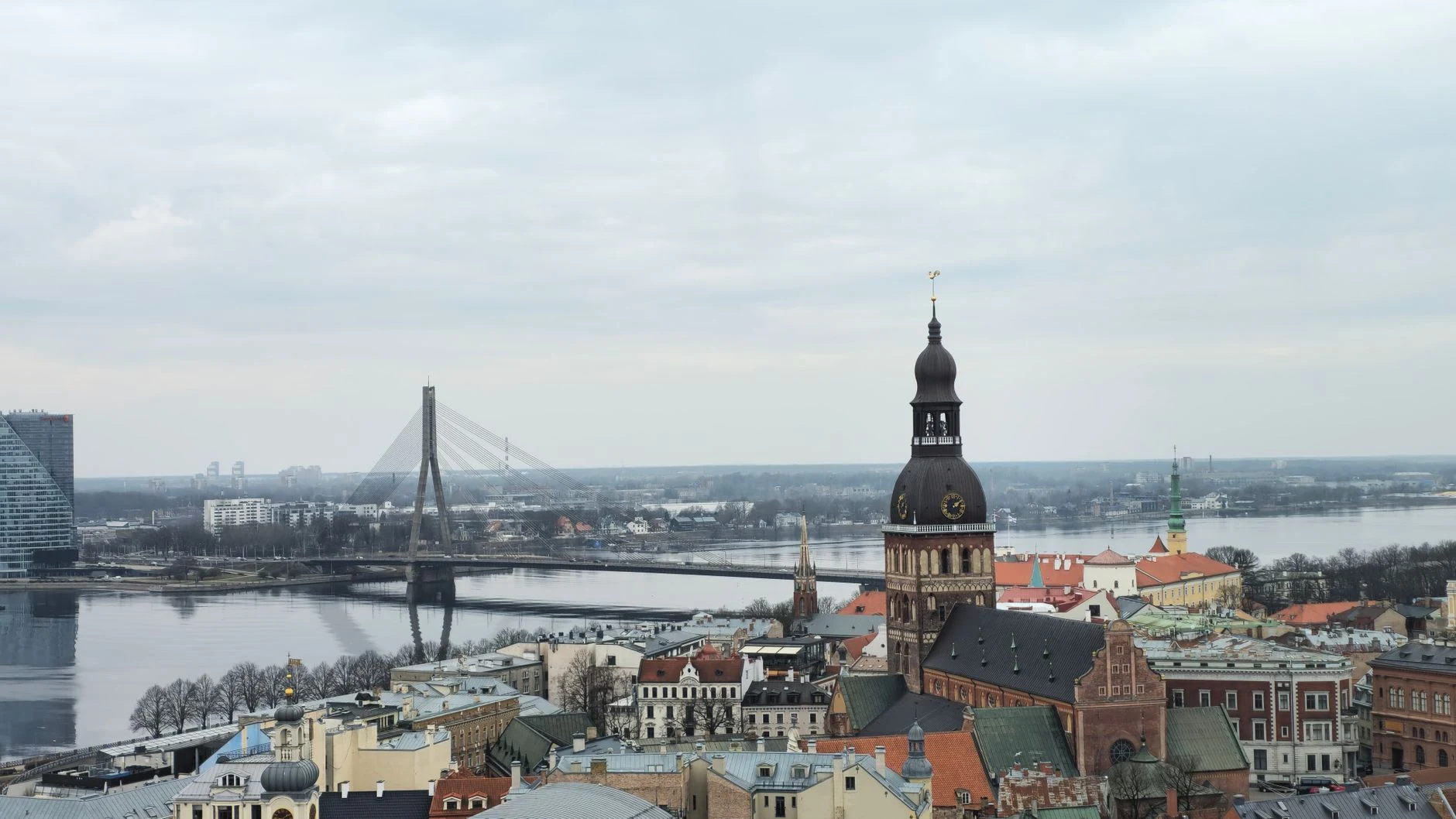
Latvia offers a concrete starting point here, not an invented itinerary: it is a country in Northern Europe, its capital is Riga, and its currency is the euro. Latvian is the language recorded for the country. These facts help put the destination on the map, but they are not enough to plan the practical details of a visit: flight routes, local transport, schedules and access conditions all need to be checked with up-to-date information. Keep geographic orientation separate from logistical planning, and use Riga as an initial reference without assuming that the available details describe every part of the country.
Latvia on the European map
According to the available geographic information, Latvia is in Northern Europe and is one of the Baltic states. The national record identifies it as a country with access to the sea, rather than a landlocked one. For initial planning, this is enough to place it in the region, but not to infer specific connections, travel times or routes between cities. The reference location provided for the country is approximately 57° north latitude and 25° east longitude. This can help you identify its general position, but it is no substitute for a detailed map. Northern Europe is a useful regional reference; actual journeys should be checked against current transport information.
Riga as a starting point
Riga is Latvia’s capital and the place for which the available records provide specific geographic information. The coordinates supplied place it at approximately 56.95° north and 24.11° east. This makes the city a useful reference when looking for maps, accommodation or connections, but it does not confirm that services are available or indicate travel times. The records also give different population figures, with boundaries and dates that are not explained, so it would be unwise to present any one figure as current. In practice, use the name Riga when checking specific details, and distinguish the city from the administrative region of the same name.
Language, currency and names
The language recorded as official for the country is Latvian, and its currency is the euro (€). When making bookings or searching for information, the forms Latvija for Latvia and Rīga for Riga may be useful, although the records also use the international forms Latvia and Riga. Recognising these variants can help with searches and maps. Do not assume that every service operates in a particular language: the available evidence confirms the country’s language, not the languages spoken by staff at hotels, on transport or in businesses. Latvian and the euro are reliable starting points; before travelling, check any specific payment and communication arrangements that matter to you.
Flights and transfers: check what is current
The catalogue identifies an international airport associated with Riga and lists the codes RIX and EVRA. However, the flight record is a snapshot that may be out of date; it does not prove that any particular route, airline or service is operating now. Do not use it to choose dates or assume there is a direct connection from a particular city. Check flights using current sources and, once your plans are set, separately confirm how to get to your accommodation or onward destination. The same caution applies to domestic transport: the information provided does not include schedules, fares, accessibility or journey times. Check connectivity with operators and current sources before finalising your plans.
What the available information does—and does not—tell you
The most reliable facts for preparing an initial visit are Latvia’s location in Northern Europe, its capital, Latvian and the euro. The available evidence does not cover attractions, itineraries, accommodation, opening hours, prices, entry rules or accessibility conditions; nor does it support recommendations for particular months. This does not mean those aspects are difficult—it means they are not documented here. To make informed decisions, first identify what you need to confirm, such as flights, local transport, payments or entry requirements, then consult official sources or providers that keep their information up to date. Planning with reliable facts also means being clear about what is not yet known.
References consulted during editorial review. Times, requirements and advisories may change: always confirm with the official source.
- Letonia WikidataCC0 1.0 Wikidata · Q211
- Letonia WikidataCC0 1.0 Wikidata · Q6497226
- Latvia World Countries — mledozeODbL 1.0 World countries dataset by mledoze and contributors · ODbL 1.0
- Riga GeoNamesDatos geográficos bajo CC BY 4.0; requiere atribución a GeoNames. Fuente: GeoNames
- Riga GeoNamesDatos geográficos bajo CC BY 4.0; requiere atribución a GeoNames. Fuente: GeoNames
- Riga, Latvia OpenStreetMapODbL 1.0; atribución y obligación de compartir bases derivadas. Fuente: OpenStreetMap
- Latvia World Bank Open DataCC BY 4.0 World Bank
- Latvia DBpediaCC BY-SA 3.0 DBpedia
- Riga International Airport OpenFlightsODbL 1.0 (base de datos) / DbCL 1.0 (contenidos) Riga International Airport · OpenFlights · ODbL 1.0