Sarawak, Malaysia
Niah National Park from Miri for caves, boardwalks and rock art
Niah National Park lets you explore a vast cave inhabited for millennia, cross humid forest on boardwalks and reach rock paintings with an unhurried plan.
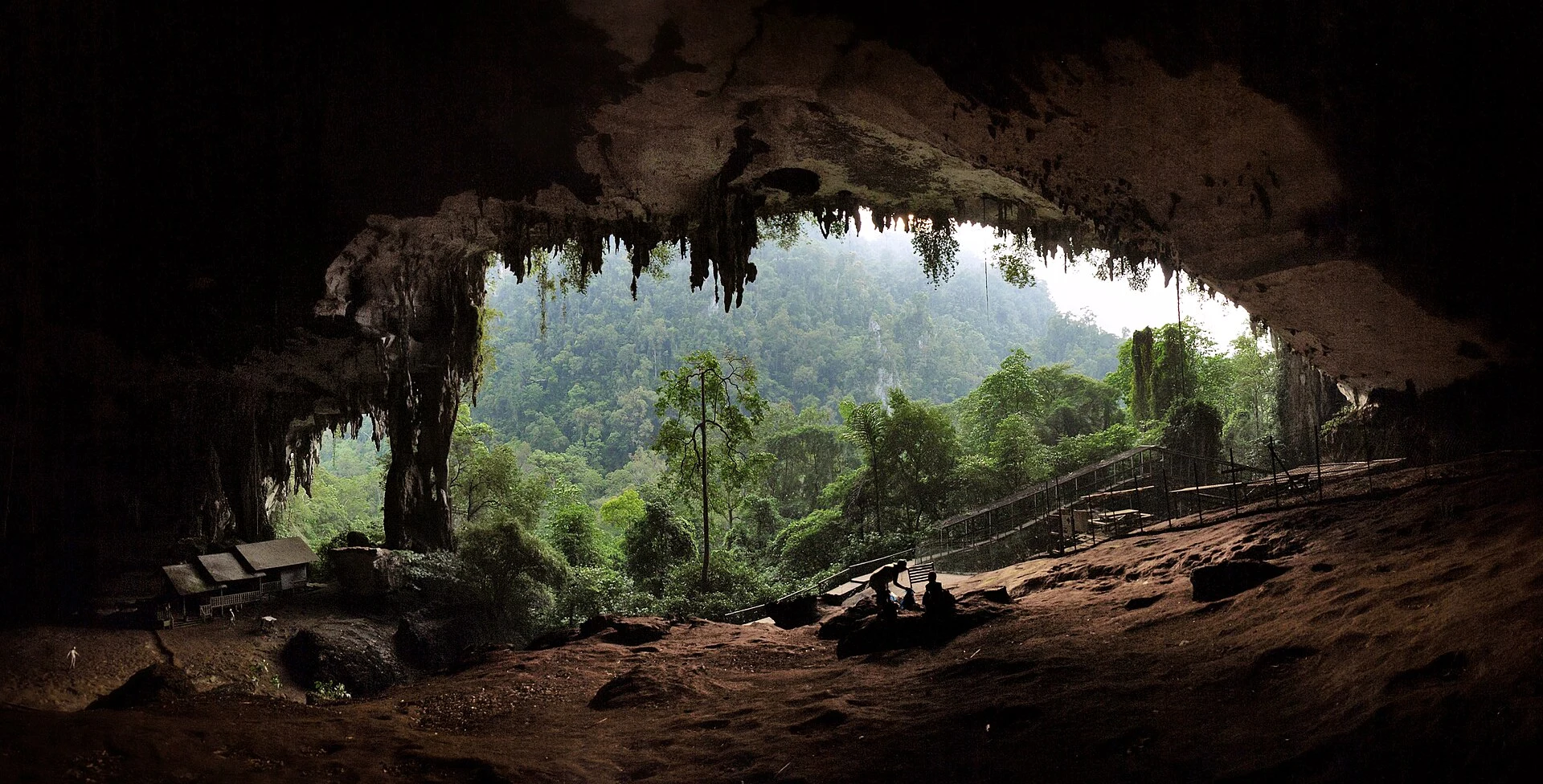
In Niah, in northern Sarawak, the appeal is not simply adding another cave to a Borneo itinerary, but following the relationship between tropical forest, human occupation and living practices over at least 50,000 years. The visit combines a walk along elevated boardwalks, monumental chambers and the route to Gua Kain Hitam, where rock paintings and burial remains survive. Plan it as a long day—or an overnight stay if conditions allow—not as a rushed stop from Miri.
A cave for understanding the forest, not just photographing it
Niah brings together caves, archaeological sites, rock art and ancient burials in a limestone massif within a national park. Its importance comes from an exceptionally long sequence of human interaction with the forest: from Pleistocene populations to later forms of cultivation, plant management and funerary rituals.
The Great Cave of Niah is the visual focus of the visit, but the meaning of the site expands when it is considered alongside its surroundings. The caves were not isolated spaces: they formed part of a landscape of river, forest and seasonal resources. It is therefore worth pausing at the archaeological interpretation before entering, rather than reducing the experience to the size of the chambers.
An activity linked to the caves also continues today: local communities collect edible swiftlet nests and guano under traditional molong rules, an idea often summed up as taking only what is needed. This is not a performance staged for visitors; it is a living practice that calls for distance, discretion and respect for park instructions.

The route: river, boardwalk, Great Cave and Gua Kain Hitam
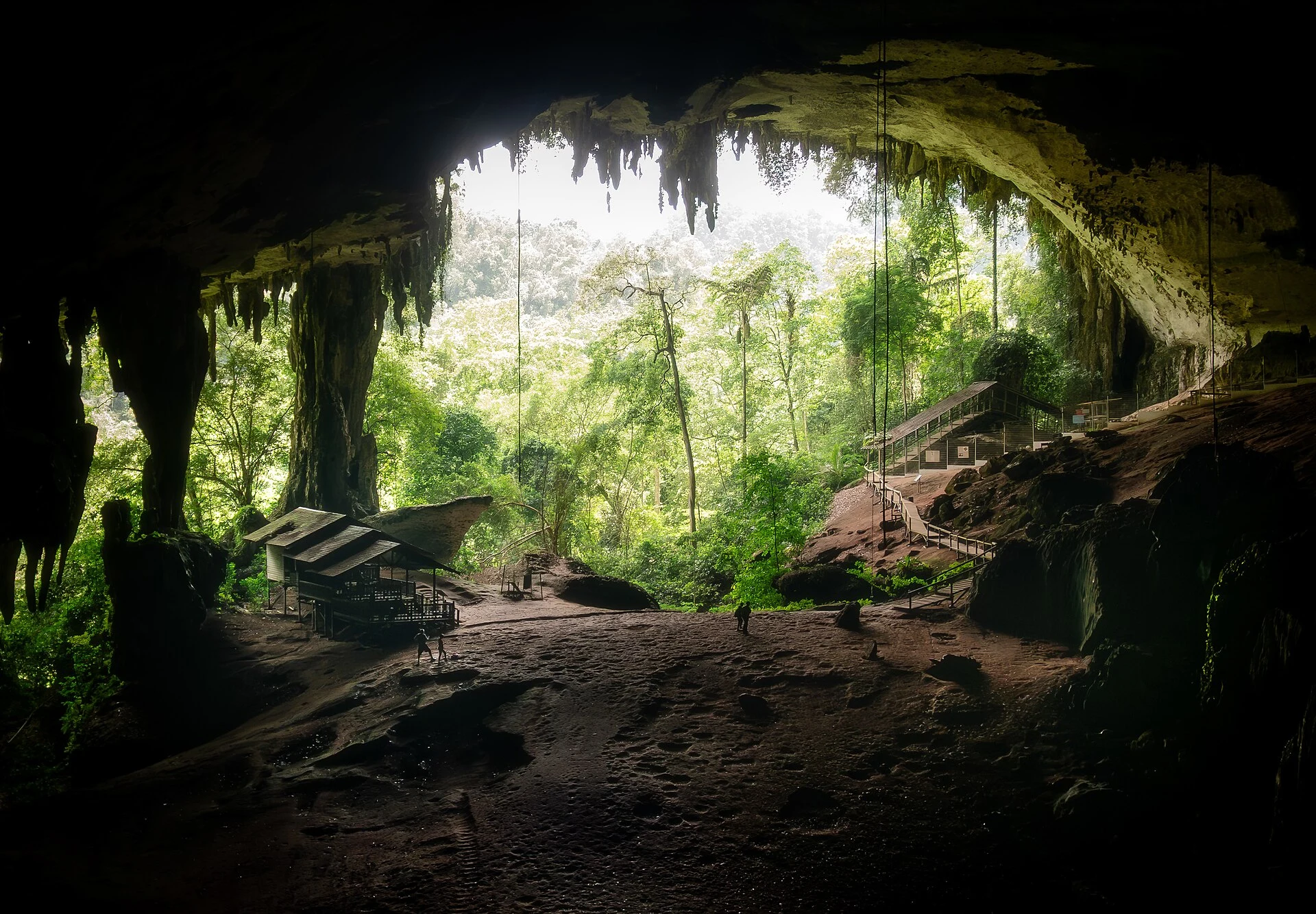
The experience begins at the park headquarters. From there, you cross the Niah River in a motorised boat, followed by an approximately one-hour walk along an elevated boardwalk through lowland rainforest to the Great Cave. The journey itself is part of the visit: the vegetation, humidity and uneven ground beyond the structures explain why it is worth bringing shoes with good grip, water and waterproof protection for your equipment.
Inside the cave, the light changes quickly. The area known as Padang receives natural light, while the passage towards Gan Kira or Moon Cave requires a torch. Do not rely solely on your phone: the darkness, humidity and length of the walk make a well-charged headlamp or handheld torch more practical.
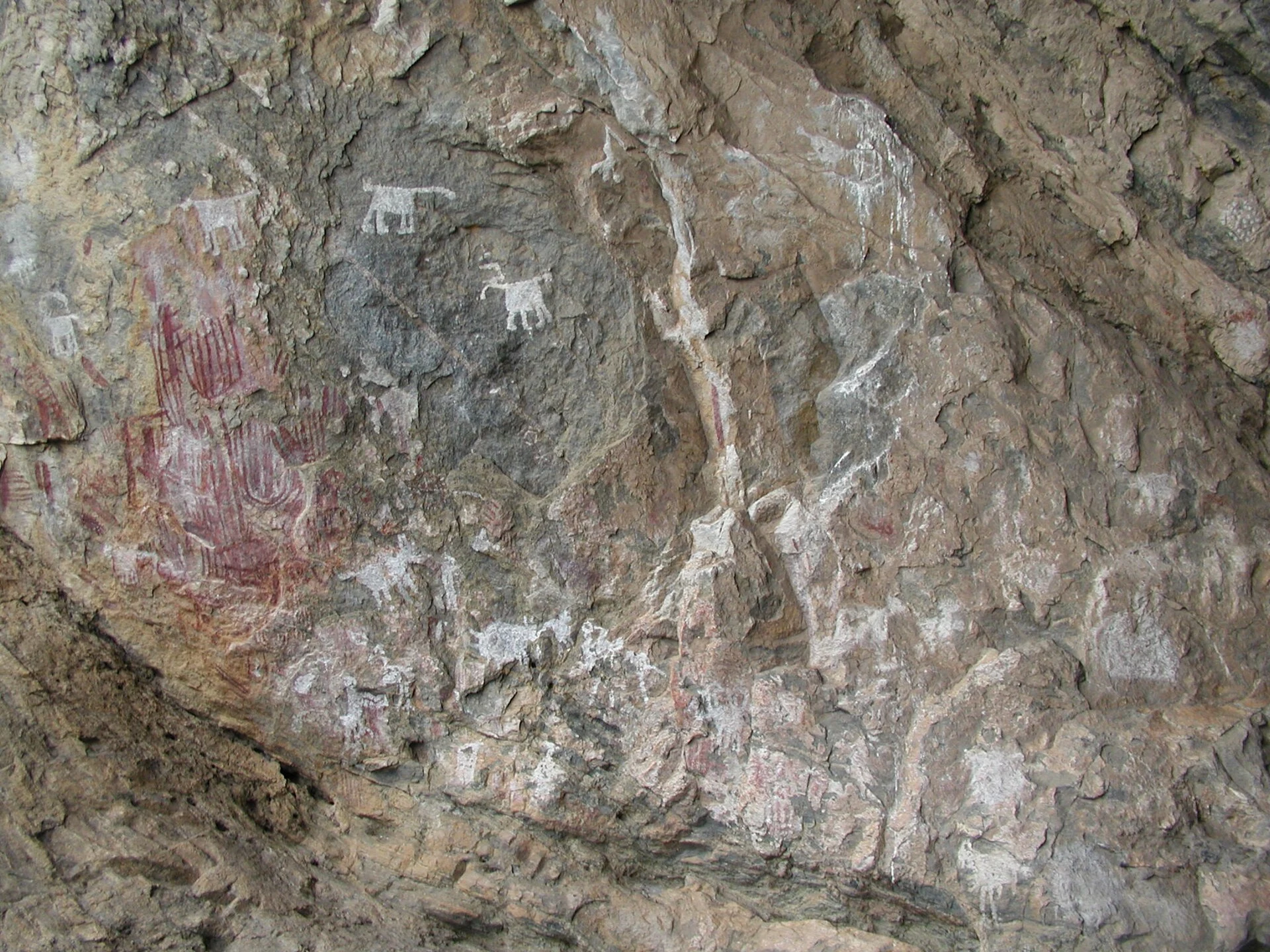
From the main system, a forest trail leads towards Gua Kain Hitam, the Painted Cave. The hematite-red paintings and ancient boat-shaped coffins should be viewed without touching surfaces, leaving the route or using intrusive lighting. This section changes how Niah is read: the great cavity becomes not only a refuge and working space, but also a place associated with funerary memory and beliefs.
A day trip from Miri or a visit with time to spare
The park headquarters is about two hours by road from Miri or Bintulu, according to Sarawak’s forestry administration. That distance, the river crossing and the walk make a return day trip possible but tight: if you have only one day, prioritise the Great Cave and the boardwalk route rather than trying to add activities unrelated to the park.
Those who want to reach the Painted Cave slowly, watch the change in activity at dusk or avoid concentrating the whole route in the middle of the day may consider staying overnight, provided they confirm accommodation, return transport and current regulations in advance. Noticeable movements of bats and swiftlets occur at the end of the day; observation must not interfere with the route, wildlife or local work.
Before setting out, there is an important administrative step: Sarawak’s official system requires preregistration before entering Niah and offers electronic ticket sales. Check the procedure, availability, access hours, trail conditions and any weather- or conservation-related restrictions directly for your specific date.
Responsible choices that improve the visit
Niah does not need a noisy visit to be memorable. Keep your voice down, let groups pass on narrow sections and avoid shining lights directly at bats, swiftlets or other people. In archaeological areas, a simple rule works well: look without interfering. Do not collect stones, organic remains or fragments, even if they appear commonplace.
Humidity can make the boardwalks and cave interior slippery. Bring a light rain layer, a reusable water bottle, repellent applied before entering sensitive areas and a bag for taking all your waste away. If you travel with reduced mobility, small children or little tolerance for long, humid walks, check the current conditions of the elevated walkway, crossings and available facilities beforehand: the existence of a boardwalk does not automatically mean that the route is fully accessible.
Niah’s value lies precisely in the coexistence of archaeology, forest and community practices. Matching your pace to the place is a more meaningful way to visit than chasing a checklist of images.
Sources to check before setting out
- Sarawak Forestry Corporation, Niah National Park: information on access from the headquarters, the river crossing, the boardwalk route, Great Cave, Gua Kain Hitam, torches and trails.
- Service Sarawak, Admission Ticket to Sarawak’s National Parks: visitor preregistration and the ticket system for Niah; confirm current requirements there before travelling.
- UNESCO, The Archaeological Heritage of Niah National Park’s Caves Complex: archaeological context, a chronology of at least 50,000 years, paintings, burials and the protection framework.
- Forest Department Sarawak, National Parks: Niah’s status as a park open to visitors and administrative information about the protected area.
- Malaysia Truly Asia, Niah National Park: general guidance on the park and its location in the Miri Division.
References consulted during editorial review. Times, requirements and advisories may change: always confirm with the official source.
- https://whc.unesco.org/en/list/1396 whc.unesco.org
- https://whc.unesco.org/en/list/1396/gallery/ whc.unesco.org
- https://whc.unesco.org/en/list/1396/documents/ whc.unesco.org
- https://whc.unesco.org/en/statesparties/my whc.unesco.org
- https://www.unesco.org/en/world-heritage/list www.unesco.org
- https://whc.unesco.org/uploads/nominations/1396.pdf whc.unesco.org
- https://whc.unesco.org/fr/list/1396/cartes/ whc.unesco.org
- https://whc.unesco.org/fr/list/1396 whc.unesco.org