Responsible planning
North Korea’s access for tourism remains uncertain
Entry restrictions, the lack of independence during a stay and consular risks mean that a tourist trip to North Korea should be postponed.
journal.travel Atlas
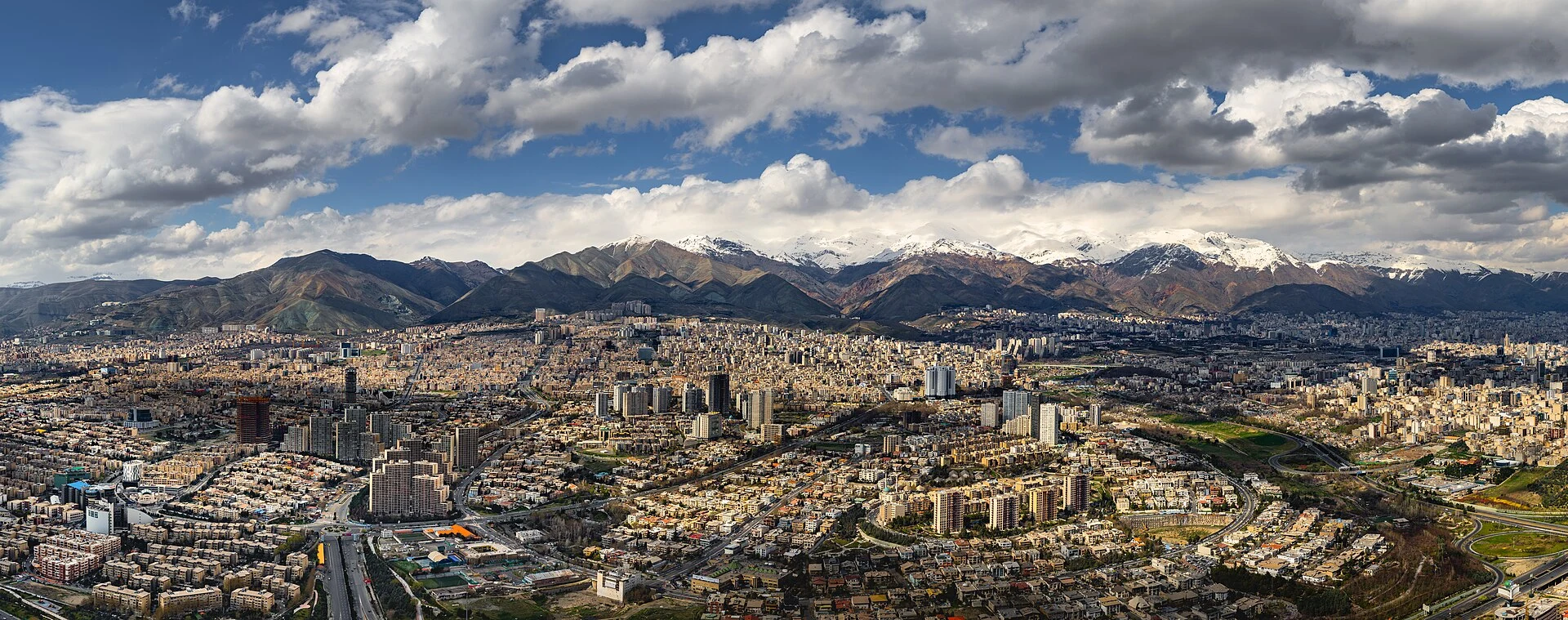
Photography pending verification
As of September 23, 2026, North Korea does not meet the conditions for planning an ordinary tourist trip. The availability of entry and exit routes remains uncertain, visitor movement is tightly controlled, and several governments continue to explicitly advise against travel or recommend avoiding all but essential travel. Travelers holding a U.S. passport also face a specific legal restriction that prevents them from using an ordinary passport to enter, leave or transit the country.
The practical decision: postpone, don’t book
Official information agrees on one essential point: it is not advisable to commit money to a tourist trip to North Korea. Border conditions can change with little notice, not all passenger routes have resumed operations, and the limited resumption of some activities does not amount to a stable tourist opening.
Avoid non-refundable bookings, connecting flights and visas arranged far in advance. If you already have a booking, first review the cancellation terms and the actual scope of your insurance. An insurer may exclude a destination that your government advises against, so you should confirm this in writing before taking on any costs.
For U.S. citizens, an ordinary passport is not enough
For anyone traveling on a U.S. passport, this is not merely a matter of caution: an ordinary U.S. passport is not valid for travel to North Korea, including transit and entry. Special validations are granted only in very limited circumstances considered to be in the national interest, not as a normal route for tourism.
Do not base a decision on earlier travel accounts, agency information or the experiences of travelers of other nationalities. Check the current rules directly, including whether special authorization is required and the consequences of attempting to travel without it. You must also separately check the requirements of the country from which you would intend to arrive or return.
A stay without conventional tourist independence
Even if authorized access were exceptionally available, this would not be an independent trip. Authorities and consular advisories describe severely restricted visitor mobility: travel outside Pyongyang generally requires permission, and tourists normally travel with guides who determine the itinerary.
External connectivity should not be taken for granted either. Contact with family members, consular services or insurers may be extremely difficult. Rules concerning photography, political statements, symbols, religion and public behavior apply in a legal environment where conduct considered minor elsewhere can have serious consequences. This is not a setting in which it is reasonable to improvise a getaway, a walking route or a solo trip.
The consular limit changes the risk calculation
The diplomatic assistance available to foreign visitors may be very limited, and consular access to a detained person is not guaranteed. The United States has no diplomatic relations with North Korea; Sweden acts as a protecting power, but its ability to intervene may be restricted. Other countries also warn that their own consular presence is nonexistent or limited.
This matters before any incident occurs: a medical emergency, lost documents, detention or sudden disruption to transportation will not have the support networks a traveler might expect in other destinations. The responsible approach is to postpone tourism until there is verifiable regular access, less restrictive official advice and clearly defined consular capacity.
What to verify if the situation changes
A future opening announced by an operator does not replace official verification. Before reconsidering the destination, check on the very day you make the decision: your government’s travel advice; whether your passport is valid for that itinerary; the effective opening of borders and passenger routes; visa requirements; insurance and evacuation coverage; and the availability of consular assistance.
Until those answers are consistent and favorable, it is preferable to direct your interest in the Korean Peninsula toward destinations where travel can be organized with public information, predictable mobility and functioning consular support.
Official references to check before any decision
- U.S. Department of State — North Korea Travel Advisory. Level 4: do not travel; risk of wrongful detention and limitations on direct assistance. Consulted September 23, 2026.
- U.S. Department of State — Special Validation Passport for North Korea. Confirms that ordinary U.S. passports are not valid for travel to the country and that exceptions are limited. Updated March 20, 2026.
- United Kingdom Foreign, Commonwealth & Development Office — North Korea Travel Advice. Advises against all travel except essential travel; notes limited opening, uncertainty over routes and reduced consular assistance. Current September 22, 2026.
- Australian Government Smartraveller — North Korea Travel Advice. Recommends not traveling and warns of rapid changes to entry and exit arrangements, internal restrictions and very limited consular capacity. Current September 17, 2026.
References consulted during editorial review. Times, requirements and advisories may change: always confirm with the official source.
- https://travel.state.gov/en/international-travel/travel-advisories/north-korea.html travel.state.gov
- https://travel.state.gov/en/international-travel/travel-advisories.html travel.state.gov
- https://www.smartraveller.gov.au/destinations/asia/north-korea-democratic-peoples-republic-korea www.smartraveller.gov.au
- https://www.gov.uk/foreign-travel-advice/north-korea www.gov.uk
- https://travel.state.gov/en/passports/apply/unique-needs/special-validation.html travel.state.gov
- https://www.gov.uk/foreign-travel-advice/north-korea/safety-and-security www.gov.uk
- https://travel.state.gov/en/international-travel/travel-advisories/south-korea.html travel.state.gov
- https://travel.state.gov/en/international-travel/travel-advisories/global-events/worldwide-caution.html travel.state.gov