Vietnam · Phong Nha-Kẻ Bàng National Park
Phong Nha-Kẻ Bàng by Cave Type and Level of Effort
A useful decision to make before booking: compare the navigable cave, the underground boardwalk and the multi-day expedition without confusing them.
Conditions described in the guide: confirm current requirements and access with the official source before travelling.
Phong Nha-Kẻ Bàng is not a place to visit by simply collecting caves; it is a place to understand what kind of experience each one offers. In this landscape of tropical karst, groundwater, forest trails and expedition logistics completely change the pace of a trip. Choosing well lets you spend time with the park’s living geology without turning a short getaway into a race or booking an adventure that does not match your physical condition.
A landscape of stone, river and forest
The park lies in central Vietnam, beside the border with Laos, within a vast limestone system where the caves form part of a larger network of underground rivers, dolines and forest. Since 2025, the internationally recognized natural site has also included Hin Nam No National Park in Laos; this does not mean that visiting from Phong Nha involves crossing the border.
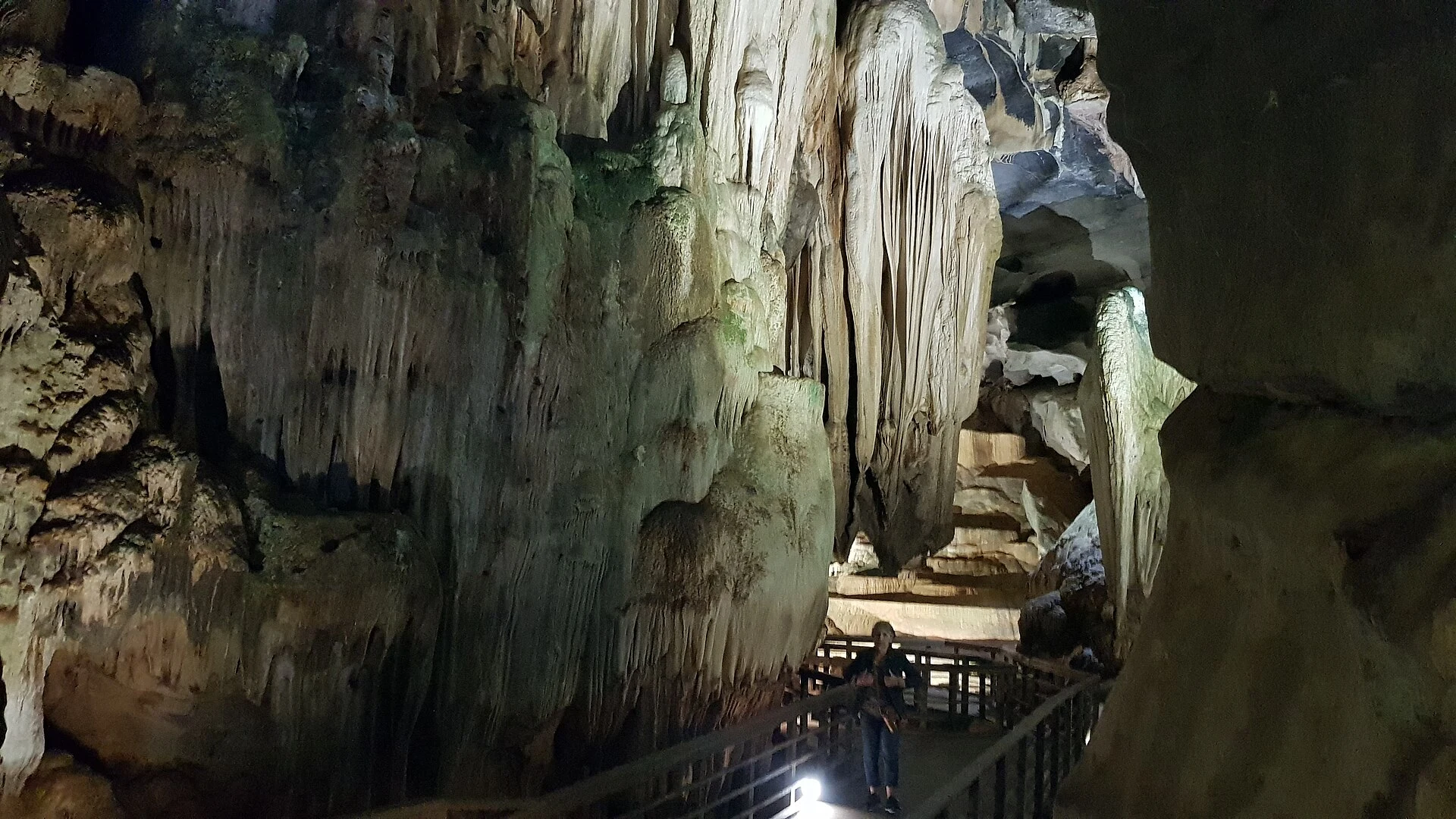
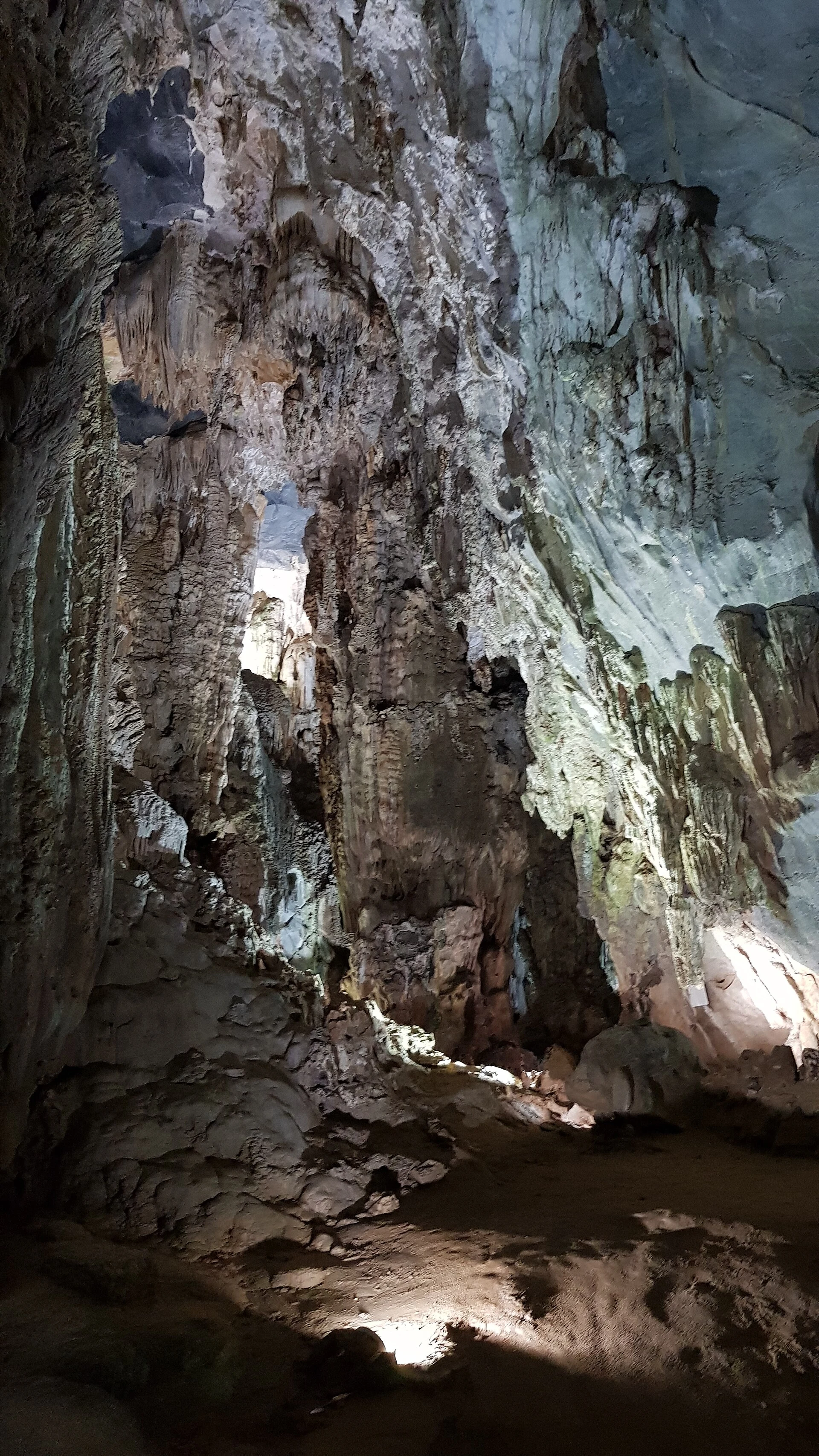
Scale matters: more than 220 kilometres of caves and underground waterways have been documented across the transboundary complex. It is therefore useful to see each visit as a different reading of the karst landscape, rather than as a lesser version of Sơn Đoòng. The navigable cave reveals the river; the dry cave lets you observe chambers from boardwalks; expeditions enter areas where access is controlled and movement is a central part of the experience.
The park is also facing growing tourist pressure. Staying on authorised routes, not touching formations and not seeking out wildlife beyond the site’s rules are small decisions that are important for a fragile ecosystem.
Three ways to enter the mountain
Phong Nha Cave is the most direct option for anyone who wants to understand the relationship between river and rock. You reach it by boat along the Son River, and the route continues inside the cave, first on the water and then along sections with a boardwalk. It is a good choice if you are looking for an experience lasting a few hours, with relatively little physical commitment, but do not assume it is fully accessible: surfaces change and operating conditions should be confirmed.
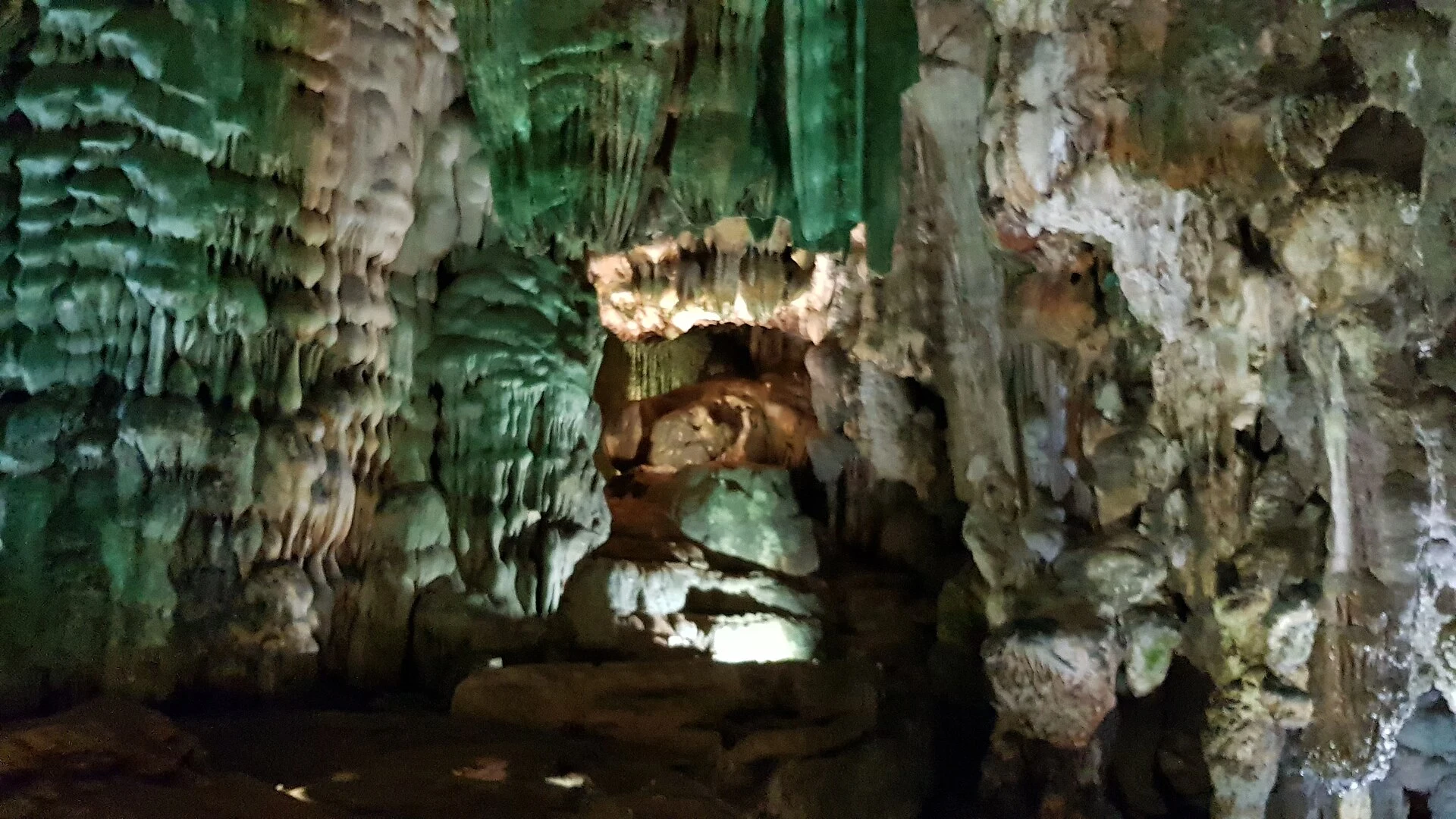
Paradise Cave —Động Thiên Đường— follows a different logic. Access combines a transfer along a forest road with a walk before you cover approximately one kilometre of interior boardwalk. The reward here is the scale of the chambers and the formations viewed from a defined infrastructure. It is the right alternative for those who would rather walk and observe than travel by boat.
The Hang Over, Pygmy and Dai A routes belong to a third category. They include days in the jungle, camping, rope sections and, depending on the itinerary, river crossings or abseiling with a harness. They are not an extended visit to a tourist cave: they are multi-day guided expeditions. Choose this option only if the exertion, group life and uncertainty inherent in the terrain are precisely what you are seeking.
The real level of effort should determine your booking
The fairest comparison is not between “easy” and “difficult” caves, but between specific demands. At Phong Nha Cave, the boat takes care of much of the approach, although there are still sections on foot. At Paradise Cave, the outdoor approach and boardwalks require tolerance for walking and for the surrounding slopes. On expeditions, the terrain may involve mud, humidity, elevation changes, water and long days carrying equipment.
The Pygmy and Hang Over route, for example, is presented as a jungle-and-cave trek of up to three days, with steep climbs, camping and technical manoeuvres. That calls for a serious personal assessment, not just enthusiasm for a photograph. Do not book an expedition to “see more” if what you really prefer is a steady, well-rested itinerary.
Before paying, ask about physical conditions, minimum age, included equipment, swimming requirements, group size and the policy in the event of flooding. These are variable and decisive details that must be checked with the authorised operator and park administration.
Two days provide a fuller perspective
With two days, you can avoid the false choice between the best-known cave and the most photogenic one. Spend one day at Phong Nha Cave to understand the role of the Son River; reserve the next for Paradise Cave and its dry route. This combination sets moving water against large underground chambers without requiring an expedition.
If you have a third day, add the Phong Nha-Kẻ Bàng Botanical Garden or an authorised nature route. Its trail brings your attention back to the surface: forest, water and vegetation explain why the underground world cannot be understood in isolation. Do not plan the visit around guaranteed animal sightings; wildlife is not a programmable spectacle.
To get around the area, use Phong Nha as your base and leave gaps between activities. Map distance does not reflect the actual time needed for pick-ups, boat departures, rural roads or preliminary checks. One day with a single well-chosen cave is usually more satisfying than trying to link several incompatible experiences.
Rain, flooding and operational changes
Heavy rain and flooding are part of the park’s reality, not a minor inconvenience. During the rainy season, some caves may become inaccessible or change their route, especially those depending on rivers or flood-prone passages. Avoid chaining non-refundable transfers on the same day as an underground visit, and keep room to reorganise.
Information about opening hours, prices, quotas, age limits, adventure routes and closures may change. Always check current operations before booking, even if your visit is imminent. For a stay focused on caves with regular access, the national tourism body identifies March to August as a generally favourable period; even so, the local forecast and the condition of each route take priority.
Responsible decision-making is not about pursuing the most extreme expedition, but accepting the limit set by the water, safety equipment or park administration. In an underground system, postponing a route can be part of visiting well.
References to check before booking
- Phong Nha-Kẻ Bàng National Park Administration: current information sheets for Phong Nha Cave, Paradise Cave and the Pygmy, Hang Over and Dai A routes. Confirm access, transfers, physical conditions, minimum groups, equipment and possible closures.
- UNESCO World Heritage Centre: geological context, biodiversity, boundaries of the transboundary site and conservation challenges.
- Vietnam Tourism, the national tourism body: general guidance on arrival via Đồng Hới, seasonality and the effects of rainfall. Then verify with the services operating on your exact date.
References consulted during editorial review. Times, requirements and advisories may change: always confirm with the official source.
- https://whc.unesco.org/en/list/951 whc.unesco.org
- https://www.unesco.org/en/mab/phong-nha-ke-bang www.unesco.org
- https://whc.unesco.org/document/221040 whc.unesco.org
- https://whc.unesco.org/en/decisions/6356 whc.unesco.org
- https://whc.unesco.org/archive/2015/whc15-39com-8B-en.pdf whc.unesco.org
- https://whc.unesco.org/archive/2011/whc11-35com-inf.8B2e.pdf whc.unesco.org
- https://whc.unesco.org/en/list/951/documents whc.unesco.org
- https://whc.unesco.org/en/tentativelists/6801 whc.unesco.org