Republic of the Congo · Brazzaville
Poto-Poto in Brazzaville for Painting, Architecture and Daytime Travel
A short route through Poto-Poto brings together painting, religious architecture and neighborhood life, with important practical decisions about opening times, transport and photography.
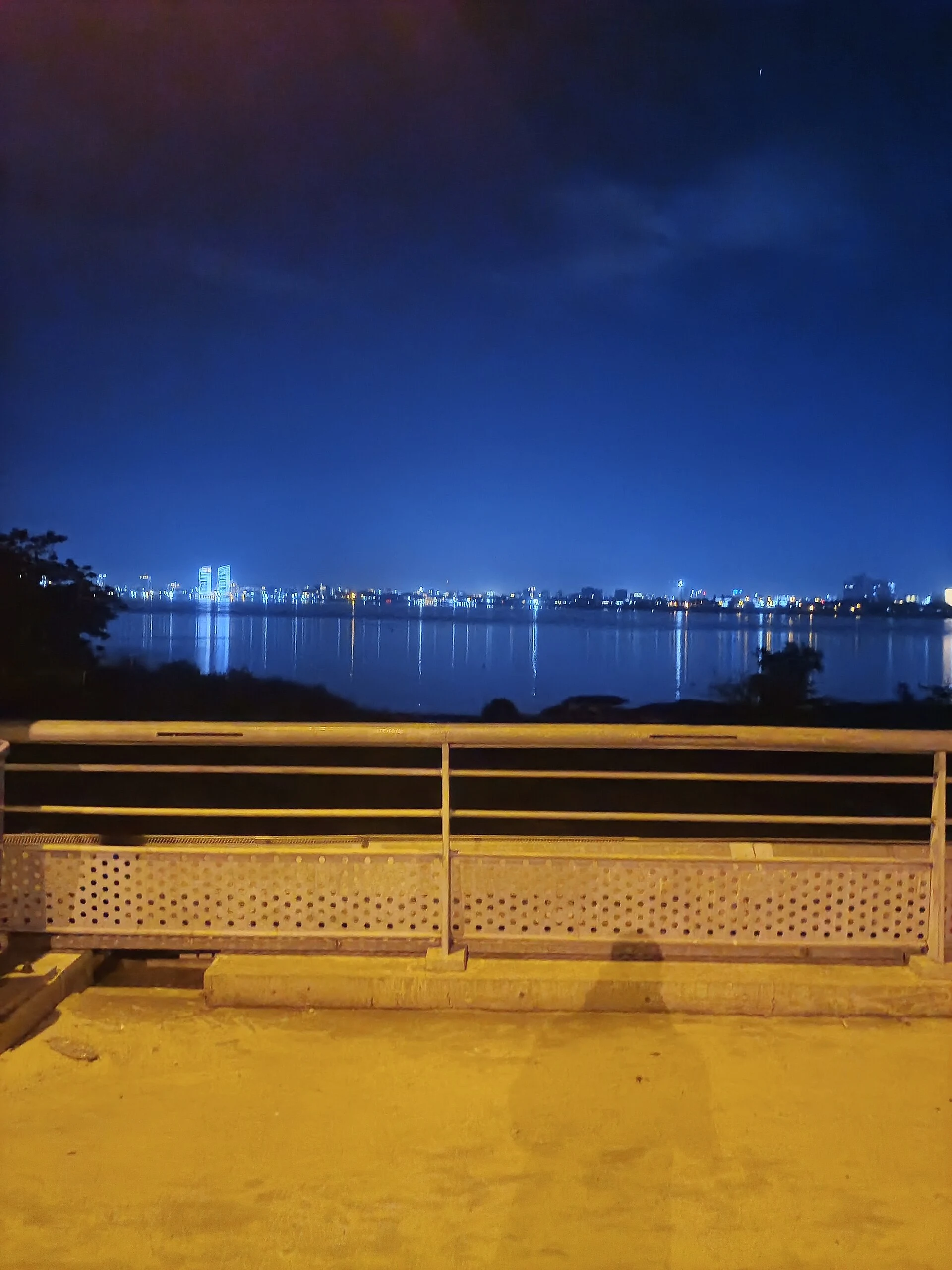
Poto-Poto offers a direct introduction to Brazzaville: not a collection of isolated monuments, but a neighborhood where artistic creation, commerce and religious practices continue to coexist. The Poto-Poto School of Painting and the Sainte-Anne-du-Congo Basilica justify a half-day visit if you allow enough time, confirm access and accept that the urban rhythm is not suited to improvising nighttime journeys.
The best approach is to focus on a few nearby places, arrange your return before nightfall and understand that a working school or a place of worship is not a backdrop: enter with permission, discretion and attention to what is happening that day.
A neighborhood worth looking beyond the façade
Poto-Poto is one of Brazzaville’s historic districts and retains an identity shaped by commercial, craft and cultural activity. Begin with the Sainte-Anne-du-Congo Basilica, a work associated with architect Roger Erell, whose silhouette invites you to notice how religious architecture forms part of the neighborhood’s everyday landscape.
Do not plan the basilica as though museum access were guaranteed: there may be worship, community events or entry restrictions. Dress respectfully, ask before entering interior spaces and avoid interrupting ceremonies. The visit is worthwhile for observing its volumes and construction details, not for collecting photographs.
Then continue to the Poto-Poto School of Painting. Founded in 1951, it has long been an important reference point for Congolese artistic creation and transmission between artists. If there is a workshop, exhibition or open activity, prioritize conversation and observation over a rushed purchase. Ask who made the work, which technique was used and whether it comes with documentation useful for transport or export.
A short route that works best by day
Plan the itinerary as a simple sequence: arrive in a vehicle reserved or arranged through your accommodation, visit Sainte-Anne, make a short transfer or daytime walk toward Poto-Poto’s artistic area, and return directly. Do not add too many stops: cultural institutions’ opening times can change, and the time required for a conversation or exhibition is often more valuable than hurrying across the city.
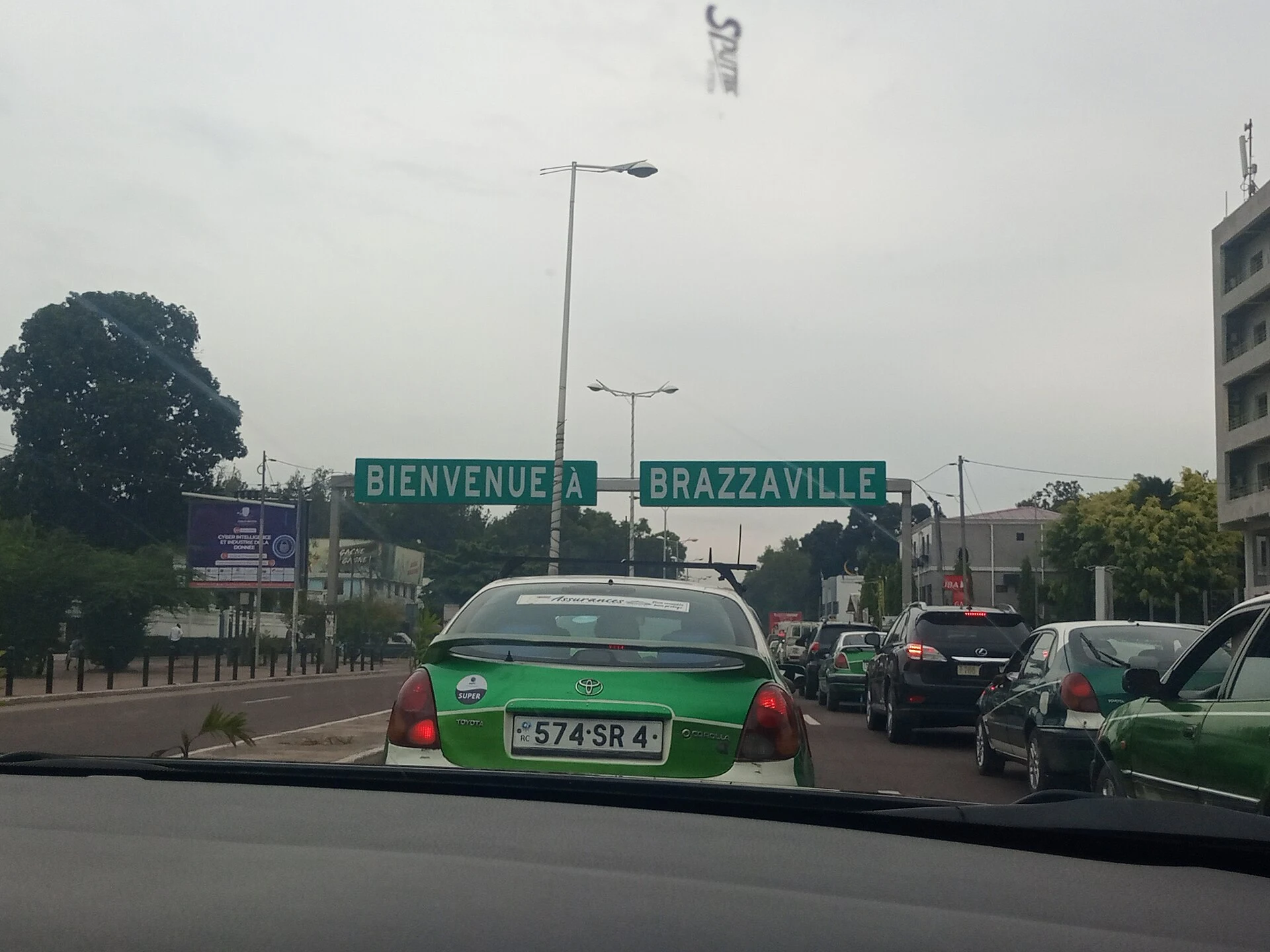
Walking can work for connecting nearby places during the day, provided someone local confirms the immediate route and current conditions. For arrivals, returns or any movement after sunset, it is preferable to reserve an authorized taxi in advance. Agree on the fare before getting in; taxis do not usually use meters.
Do not automatically turn the river crossing to Kinshasa into an extension of this day. It is an international border, requires documentation for both countries and the service may change or be canceled at short notice. If it is part of your plans, treat it as a separate day and verify operations directly with the port authority and the relevant consular representatives.
Photographing, buying and listening with care
Poto-Poto invites you to look, but it does not give you permission to photograph other people. Ask consent before photographing artists, traders, worshippers or passersby; this matters just as much in a market as in a school or church. If a conversation does not flow easily in French, do not force the interaction: an independent local guide or a contact introduced by your accommodation can help make the visit more respectful.
When buying paintings, sculpture or crafts, request a receipt and ask about the conditions for taking them out of the country. Works and objects that may be considered historic heritage are subject to export restrictions; the fact that an item is for sale is not enough. Keeping provenance and receipts reduces problems at the airport and better acknowledges the work of the person who created it.
Urban accessibility should not be taken for granted. Uneven sidewalks, steps, narrow entrances and a lack of reliable information can alter the route. Anyone using a wheelchair, with reduced mobility or needing an accessible bathroom should confirm access to the specific building directly and plan door-to-door transport.
The practical decision before setting out
Brazzaville can be visited more meaningfully when you avoid the impulse to explore it without preparation. Carry a copy of your passport and visa, keep the originals in a secure place, avoid displaying cash or valuables and stay away from gatherings or demonstrations. Do not walk at night, and do not use this route as a reason to explore unfamiliar neighborhoods without guidance.
Before booking, check entry, health and medical insurance requirements, including evacuation cover, as well as the travel advisories currently in force for your nationality. Also confirm by phone or through a local contact whether the basilica and the School of Painting are receiving visitors on your chosen day. This information changes and should not be inferred from maps, social media or old reviews.
References to check before the trip
- Brazzaville City Hall: institutional profile of the Poto-Poto district and municipal directory of heritage sites.
- UNESCO in Brazzaville: information on the Poto-Poto School of Painting, its artistic activity and the 2023 exhibition.
- Presidency of the Republic of the Congo: institutional profile of the Sainte-Anne-du-Congo Basilica and Brazzaville’s monuments.
- United States Department of State: entry requirements, security, urban transport, photography restrictions and the removal of cultural goods; check the current version for U.S. travelers.
- UK Foreign Office: security situation, travel and the variable operation of the river crossing; check the current version according to nationality.
What this visit offers
- A focused way to approach Brazzaville’s contemporary cultural life without treating Poto-Poto as a stage set.
- Two complementary stops: religious architecture and an artistic institution connected to several generations of creators.
- A route that calls for measured decisions: confirmed visits, organized transport, consent for photography and a daytime return.
References consulted during editorial review. Times, requirements and advisories may change: always confirm with the official source.
- https://www.gov.uk/foreign-travel-advice/congo/safety-and-security www.gov.uk
- https://www.gov.uk/foreign-travel-advice/congo www.gov.uk
- https://www.gov.uk/foreign-travel-advice/democratic-republic-of-the-congo/safety-and-security www.gov.uk
- https://developpement-durable.gouv.cg/tourisme-religieux/ developpement-durable.gouv.cg
- https://www.unesco.org/en/articles/unesco-director-general-highlight-importance-schools-and-girls-education-during-visits-brazzaville www.unesco.org
- https://www.unesco.org/fr/articles/exposition-de-peintures-organisee-par-lunesco-brazzaville www.unesco.org
- https://mairiedebrazzaville.cg/ mairiedebrazzaville.cg
- https://ich.unesco.org/doc/src/52917-FR.pdf?v=1634291019 ich.unesco.org
- Congo WikidataCC0 1.0 Wikidata · Q971
- Congo WikidataCC0 1.0 Wikidata · Q3503
- Congo WikidataCC0 1.0 Wikidata · Q37027768
- Congo WikidataCC0 1.0 Wikidata · Q2009615
- Congo World Countries — mledozeODbL 1.0 World countries dataset by mledoze and contributors · ODbL 1.0
- Congo, Rep. World Bank Open DataCC BY 4.0 World Bank
- Sostenibilidad de la pesca artesanal en la comunidad rural de Río Congo, Darién OpenAlexCC0 1.0 OpenAlex