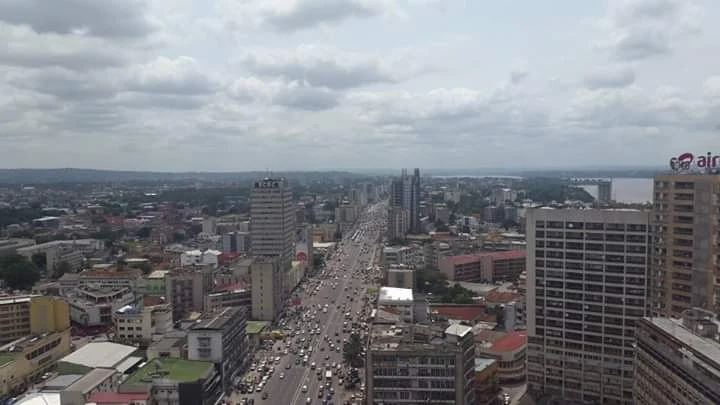
Travel decision
Tourist travel to Niger should be postponed amid current risks
Official advisories agree: instability, kidnapping risk and limited assistance make planning tourism in Niger unviable for now.
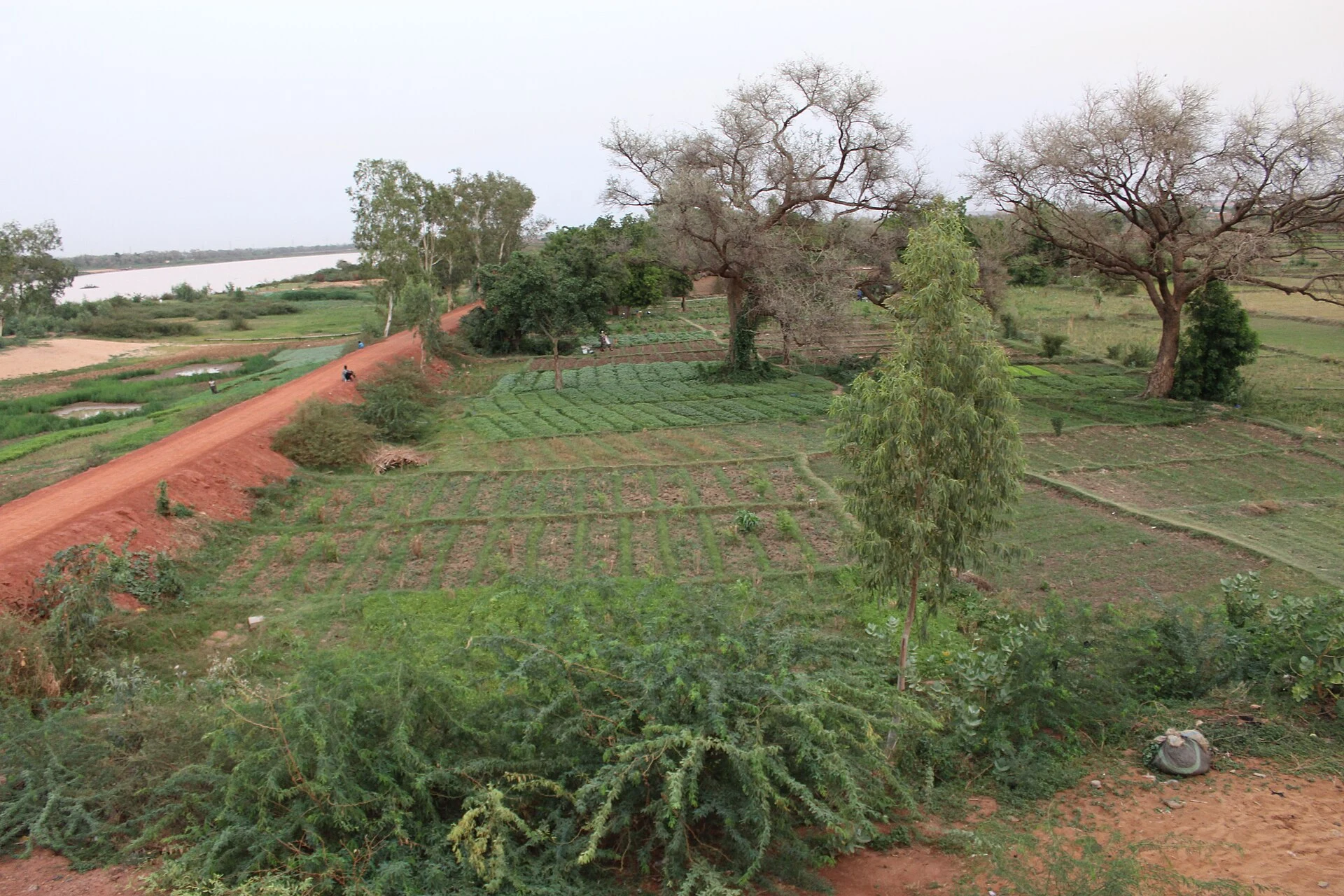
Niger brings together Sahelian landscapes, urban cultures and historic routes that deserve an informed approach, but it is not a viable tourist destination at this time. As of September 19, 2026, several independent consular authorities advise against travel to the country because of the combination of political instability, terrorism, kidnapping, crime and limited consular response capacity. The responsible decision is to postpone the trip, not to try to offset the risk with more complex planning.
The practical recommendation: do not turn the trip into a security project
The official advisories are clear and consistent: the United States, United Kingdom, Canada, France and Australia advise against travel to Niger. These are not merely precautions for border areas or recommendations to avoid travelling at night: the warnings cover the entire country and cite risks that may also affect Niamey.
For someone travelling for cultural, landscape or non-essential family reasons, this changes the decision threshold. An itinerary with a driver, a hotel with security checks or a local contact does not eliminate exposure to sudden changes, movement controls, violent incidents or kidnapping. Nor does it make a situation predictable when the authorities themselves describe it as unstable.
It is best not to book flights, tours, non-refundable accommodation or expedition services on the assumption that private logistics can replace basic security conditions. Postponing does not mean giving up: it allows you to maintain your interest in the country without shifting the cost of the risk onto residents, local companions or emergency personnel.
Why Niamey does not solve the problem of travelling around the country
The capital concentrates transport links, government administration and some services, but it does not offer a sufficient exception for planning a tourist getaway. Current advisories point to crime and kidnapping risks in Niamey as well; in addition, episodes of tension and gunfire have been reported around the presidential palace and international airport during 2026.
Outside the capital, the situation is even more restrictive. There are states of emergency and movement restrictions in various regions, and the US authorities state that foreigners travelling outside Niamey must request a military escort. This requirement is neither a tourism experience nor a guarantee: it shows that intercity travel is not routine.
For that reason, it is not sensible to design a route to Agadez, the Aïr, Arlit, Zinder, Tahoua, Tillabéri or the borders now. These are important names for understanding Niger’s geography, but they should not become stops on a tourist itinerary while official warnings remain in force.
If you already have bookings or an essential reason to travel
Anyone with a planned trip should first contact the airline, insurer and each provider to request changes, credit or a refund under their terms and conditions. Keep written records of the replies, purchase dates and coverage purchased. Policies may exclude or limit benefits when travelling against an official “do not travel” advisory; confirm this directly with the company rather than assuming it.
If the journey is for a non-tourist need that cannot be postponed, preparation must go beyond the scope of a travel guide. Consult the relevant diplomatic mission, the Nigerien authorities and the organisation behind the trip. Recheck, immediately before departure, whether the airport is operating, entry and transit requirements, movement restrictions, communications and the actual availability of consular support.
People already in Niger should follow instructions from the local authorities and their embassy or consulate. Do not rely on consular evacuation as an operational plan: some governments expressly warn that their ability to provide assistance inside the country is limited.
What to monitor from abroad and when to reconsider the idea
The signal to resume planning should not be a promotion, an isolated reopening or the availability of a flight. Look for sustained, verifiable improvement: national advisories changing from “do not travel”, greater political predictability, the lifting or reduction of movement restrictions and more normal consular capacity.
In the meantime, a respectful way to maintain your interest is to learn from home about the history of Hausa, Tuareg, Zarma-Songhai, Kanuri and Fulani societies, the Niger River basin and the Sahel’s regional connections. This preparation avoids turning a future visit into a simple collection of landscapes and makes it possible to return to the plan with more conscious expectations when conditions change.
There is no recommended travel date. The situation should be checked again before any decision, even if the booking is made well in advance.
References to check before any decision
- US Department of State, Travel Advisory: Niger. Level 4, “Do Not Travel”; advisory issued July 9, 2026.
- UK Foreign, Commonwealth & Development Office, Foreign travel advice: Niger. Advises against all travel; information current on September 18, 2026, and updated August 29, 2026.
- Government of Canada, Travel advice and advisories for Niger. “Avoid all travel”; last modified September 9, 2026.
- France’s Ministry for Europe and Foreign Affairs, Conseils aux voyageurs – Niger: Sécurité. All travel is formally discouraged; updated September 15, 2026.
- Australian Government, Smartraveller – Niger. Advises against travel because of a volatile security environment; updated June 24, 2026.
These sources are time-sensitive. Check them again on the day you book and before any departure.
References consulted during editorial review. Times, requirements and advisories may change: always confirm with the official source.
- https://travel.state.gov/en/international-travel/travel-advisories/niger.html travel.state.gov
- https://travel.state.gov/en/international-travel/travel-advisories/nigeria.html travel.state.gov
- https://travel.state.gov/content/travel/en/traveladvisories/traveladvisories/nigeria-travel-advisory..html travel.state.gov
- https://www.diplomatie.gouv.fr/fr/information-par-pays/nigeria/conseils-aux-voyageurs-securite www.diplomatie.gouv.fr
- https://www.diplomatie.gouv.fr/fr/information-par-pays/nigeria/conseils-aux-voyageurs-informations-utiles www.diplomatie.gouv.fr
- https://www.diplomatie.gouv.fr/fr/information-par-pays/niger/conseils-aux-voyageurs-securite www.diplomatie.gouv.fr
- https://www.gov.uk/foreign-travel-advice/niger www.gov.uk
- https://travel.state.gov/content/travel/en/traveladvisories/traveladvisories..html travel.state.gov
- Níger WikidataCC0 1.0 Wikidata · Q1032
- Níger WikidataCC0 1.0 Wikidata · Q503932
- Níger WikidataCC0 1.0 Wikidata · Q3542
- Niger WikidataCC0 1.0 Wikidata · Q1967934
- Niger World Countries — mledozeODbL 1.0 World countries dataset by mledoze and contributors · ODbL 1.0
- Niger World Bank Open DataCC BY 4.0 World Bank
- Niamey GeoNamesDatos geográficos bajo CC BY 4.0; requiere atribución a GeoNames. Fuente: GeoNames
- Niamey GeoNamesDatos geográficos bajo CC BY 4.0; requiere atribución a GeoNames. Fuente: GeoNames
- Niamey, Kollo, Niger OpenStreetMapODbL 1.0; atribución y obligación de compartir bases derivadas. Fuente: OpenStreetMap
- Diori Hamani International Airport OpenFlightsODbL 1.0 (base de datos) / DbCL 1.0 (contenidos) Diori Hamani International Airport · OpenFlights · ODbL 1.0