Practical guidance
Zimbabwe before you travel: map, languages and payments to check
An introductory guide to Zimbabwe and a checklist of details the available information cannot settle: services, payments and travel conditions.
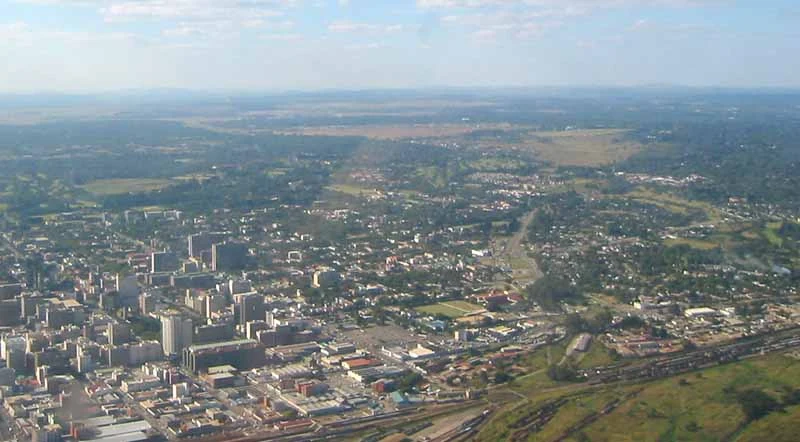
Zimbabwe is a landlocked country in Eastern Africa, and its capital is Harare. As you begin planning, distinguish stable facts—such as the country’s linguistic diversity—from details that can change, especially payment options and transport services, which you should confirm before setting out.
Locating the country and its capital
Zimbabwe is in Eastern Africa and has no coastline. Harare is the capital; the available geographic information can help you locate it, but it is not enough to plan routes through other regions or confirm connections between destinations. Start by deciding which places you want to visit, then check up-to-date sources for each leg of your journey.

A diverse linguistic landscape
The national register lists numerous languages, including Shona, English, Northern Ndebele, Kalanga, Ndau, Chewa and Zimbabwean Sign Language. English appears alongside the country’s other languages, but these records do not show which language is used in each place or service. Don’t assume one language will cover every situation: check in advance how you can communicate at the specific places on your itinerary.
Payments and transport: check what’s current
The information consulted lists several currencies, including the US dollar, South African rand, Botswana pula, euro, pound sterling, yuan, yen, Indian rupee and Zimbabwean bonds. That list does not clarify which forms of payment are accepted today or how payments work in each area. Check current conditions before travelling with providers and official sources. The available records also do not confirm flights, routes, airlines or current airport operations; do not treat them as evidence that a service is operating.
Plan with clear limits in mind
The available evidence is useful for initial orientation, but it is not enough to recommend a season, set a budget or confirm entry requirements, schedules or safety conditions. Check these points before making decisions with the relevant official sources and service providers. If you need accessible services or specific connections, confirm availability directly: the geographic records consulted here do not provide that information.
Key points
- Zimbabwe is a landlocked country in Eastern Africa, and Harare is its capital.
- The country has numerous languages; the register does not specify how they are used by region or service.
- The currency list does not confirm which currencies are accepted currently.
- The available information does not establish that flights or transport services are currently operating.
References consulted during editorial review. Times, requirements and advisories may change: always confirm with the official source.
- Zimbabue WikidataCC0 1.0 Wikidata · Q954
- Zimbabwe World Countries — mledozeODbL 1.0 World countries dataset by mledoze and contributors · ODbL 1.0
- Harare GeoNamesDatos geográficos bajo CC BY 4.0; requiere atribución a GeoNames. Fuente: GeoNames
- Harare GeoNamesDatos geográficos bajo CC BY 4.0; requiere atribución a GeoNames. Fuente: GeoNames
- Harare, Zimbabwe OpenStreetMapODbL 1.0; atribución y obligación de compartir bases derivadas. Fuente: OpenStreetMap
- Harare, Zimbabwe OpenStreetMapODbL 1.0; atribución y obligación de compartir bases derivadas. Fuente: OpenStreetMap
- Zimbabwe World Bank Open DataCC BY 4.0 World Bank
- Zimbabwe DBpediaCC BY-SA 3.0 DBpedia
- Charles Prince Airport OpenFlightsODbL 1.0 (base de datos) / DbCL 1.0 (contenidos) Charles Prince Airport · OpenFlights · ODbL 1.0