 Cameroon
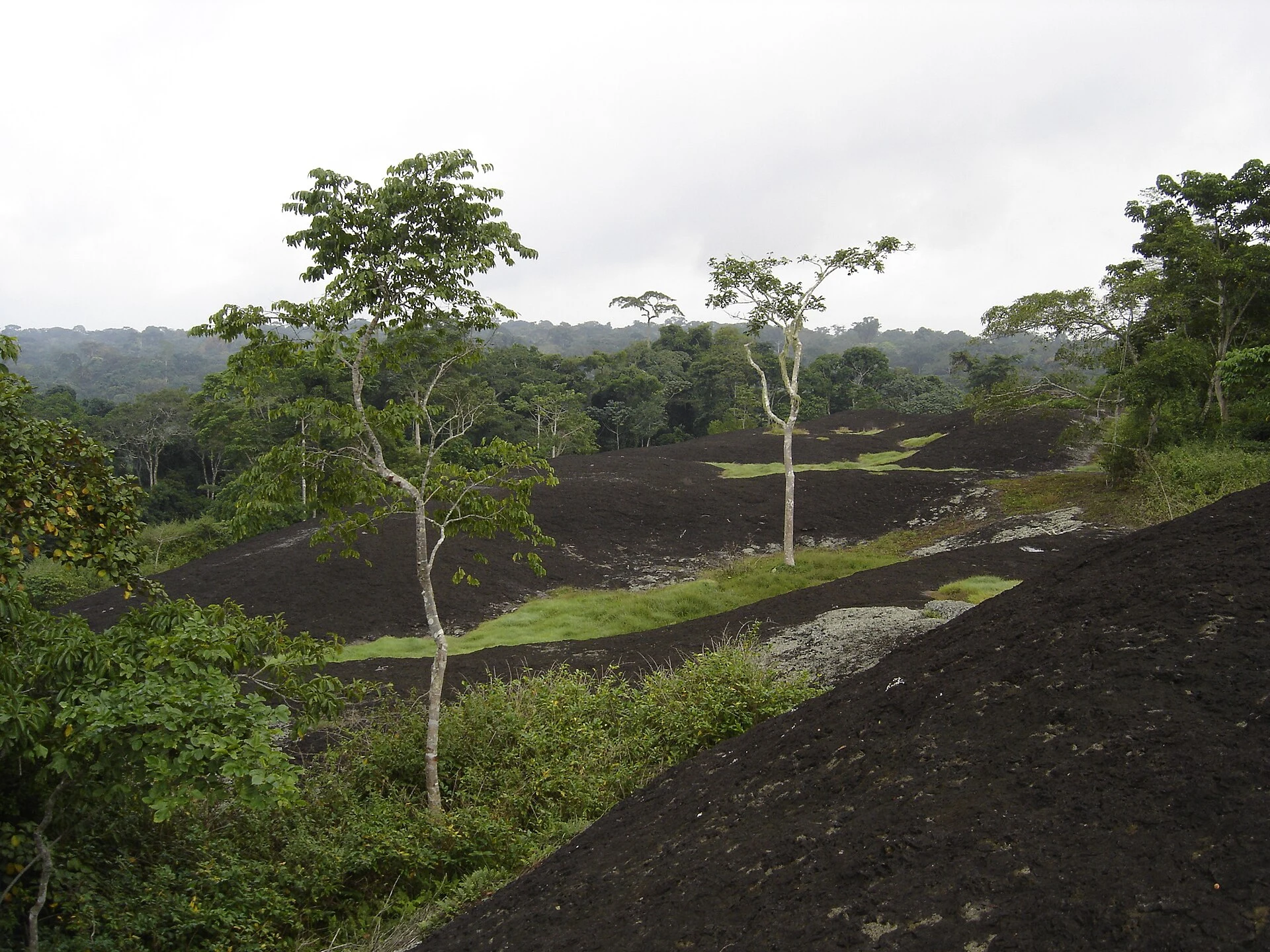
Dja Faunal Reserve: deciding whether a slow expedition is right for you
Dja is not about collecting sightings: visiting requires permits, guides, several days and a genuine willingness to accept the rainforest’s uncertainty.
Read guide →Discover Responsible travel guides with useful information, visible sources and context to plan each trip better.
 Responsible travel
Dja is not about collecting sightings: visiting requires permits, guides, several days and a genuine willingness to accept the rainforest’s uncertainty.
Read guide →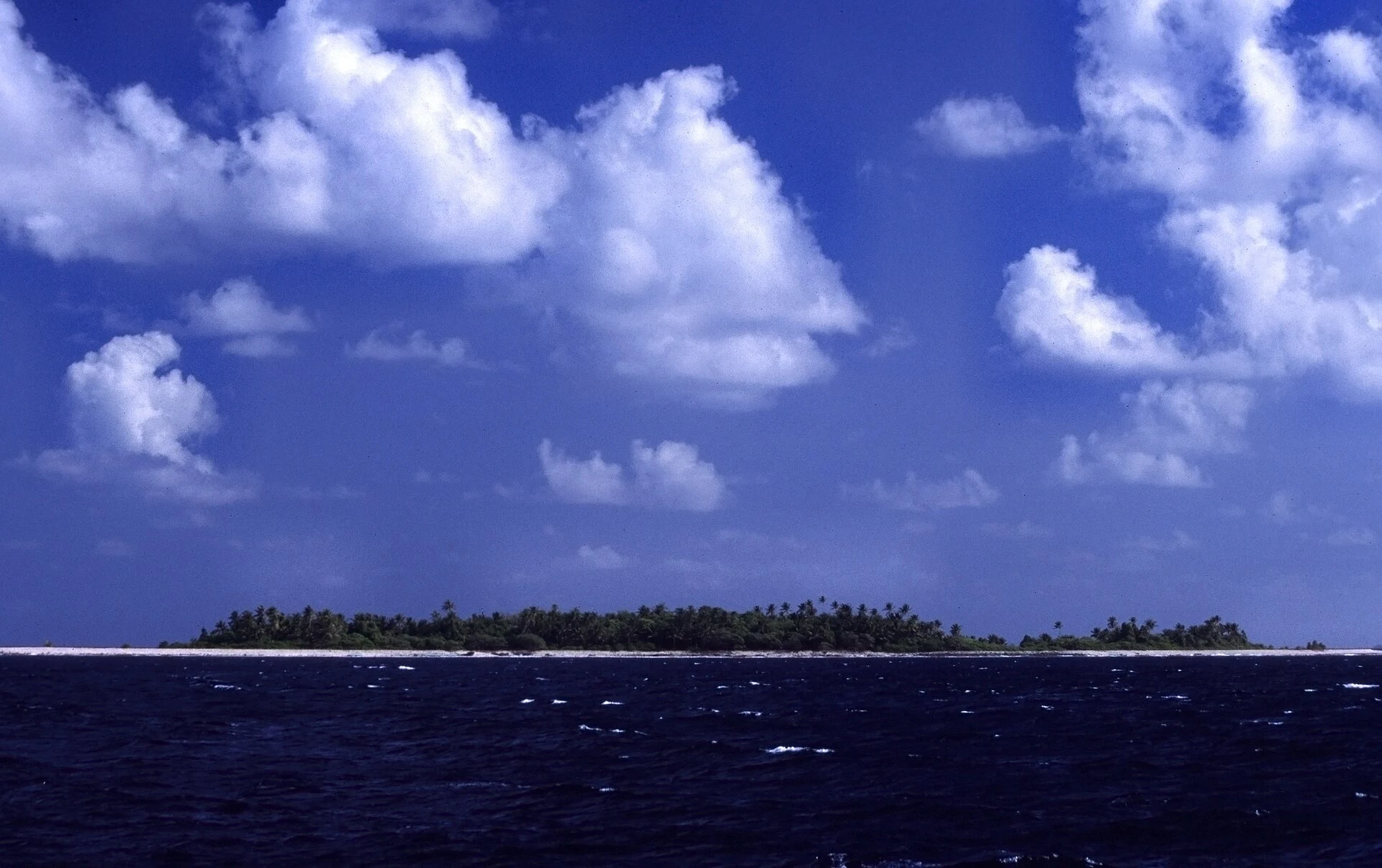 Responsible travel
In Tuvalu’s capital atoll, the best decision is not to add more motu, but to set aside one day for Fongafale and another—only if conditions allow—for the conservation area.
Read guide →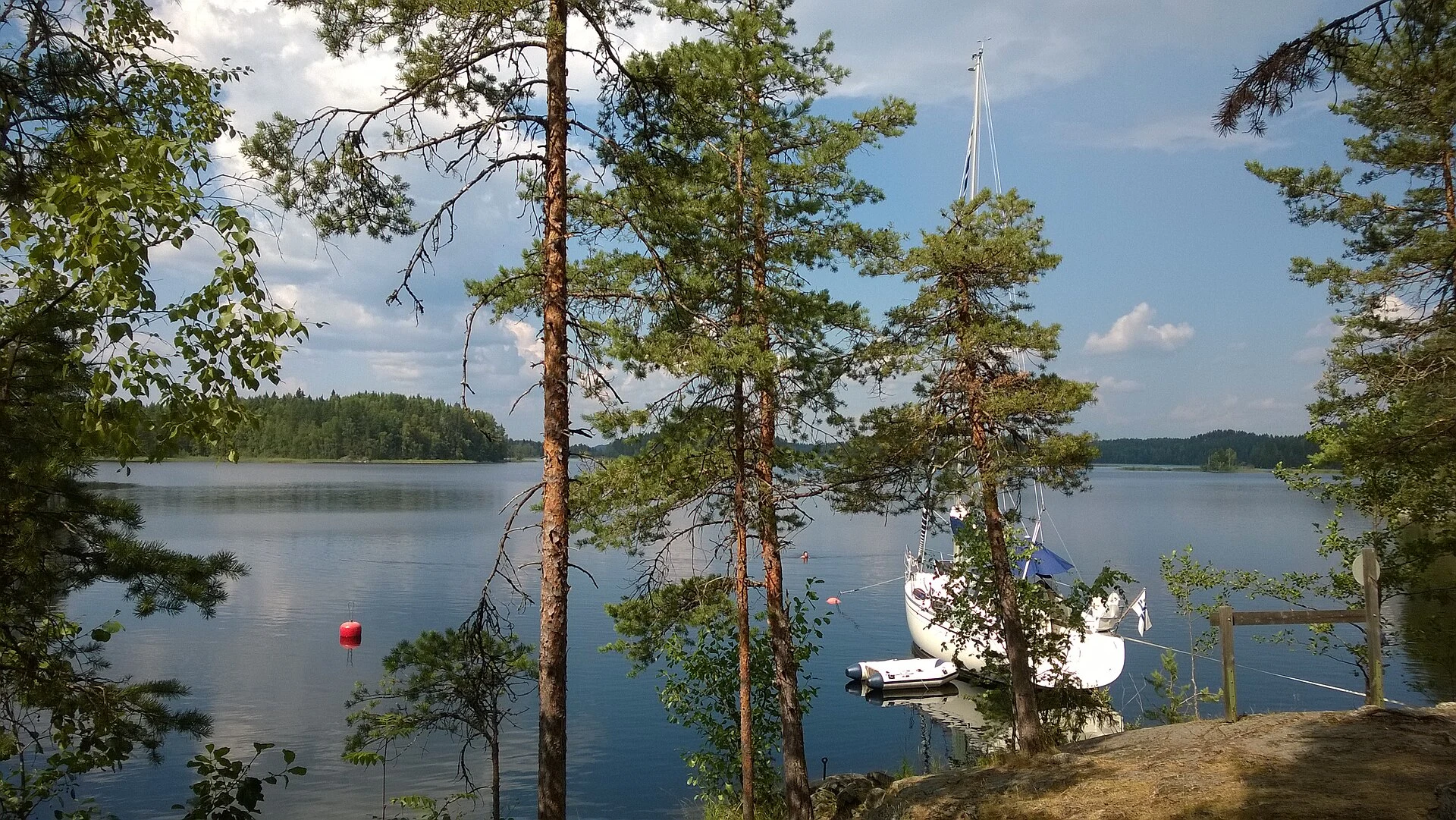 Responsible travel
In Saimaa, the best decision is not to chase a sighting, but to choose the pace and means of navigation that place the least demand on the lake—and give your trip the most meaning.
Read guide →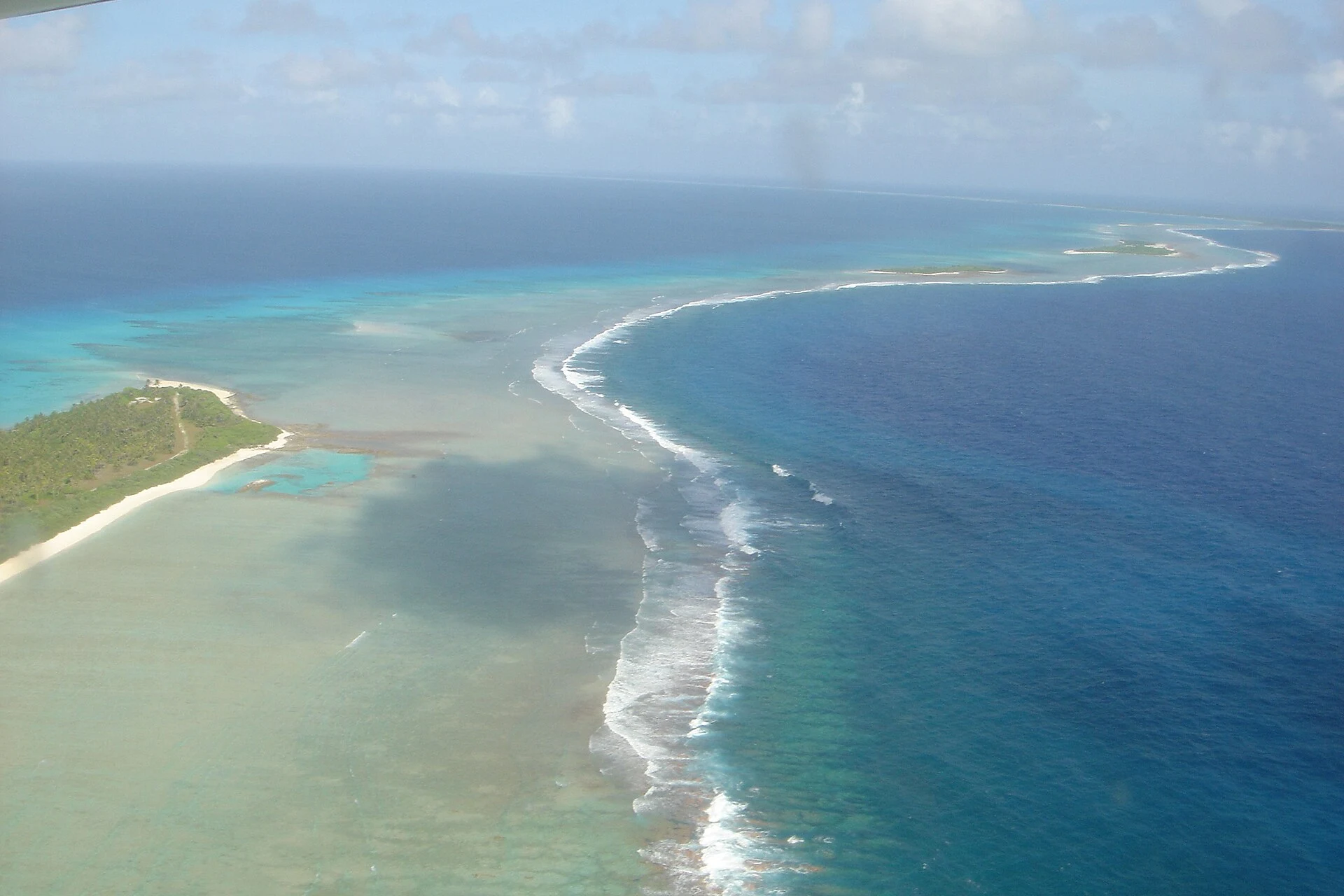 Responsible travel
Bikini Atoll brings together famous wrecks, a vast lagoon and a history of displacement and nuclear contamination. The useful question is not how to get there, but whether your trip has the preparation, time and respect the place requires.
Read guide → Responsible travel
Lola ya Bonobo can be a learning experience about rescue and conservation, not an activity involving interaction with primates. But as of September 5, 2026, official advisories discourage travel to the Democratic Republic of the Congo: the responsible decision begins by not allowing the sanctuary to become a reason to ignore that context.
Read guide →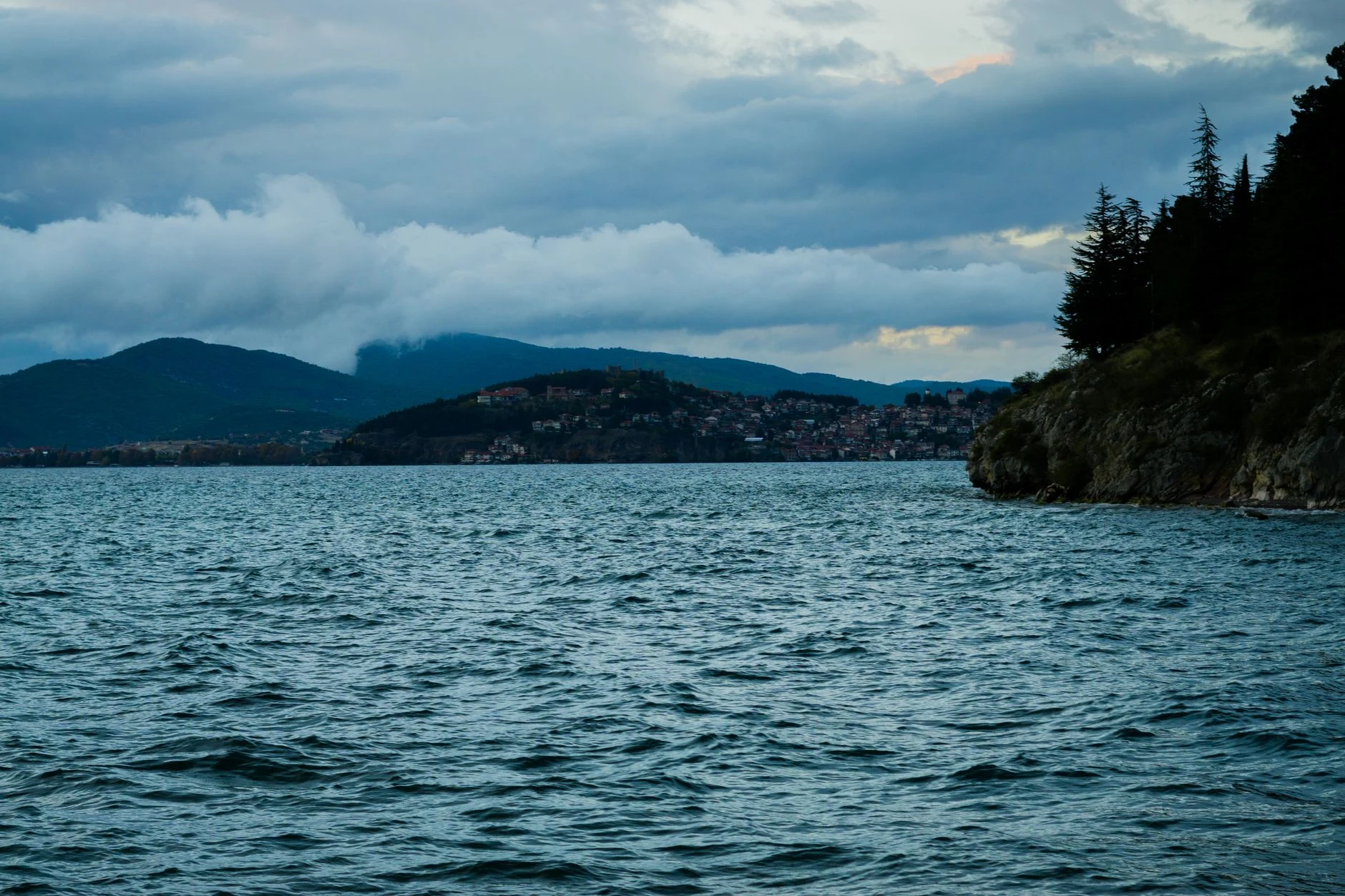 Responsible travel
Lake Ohrid is not the backdrop to an ancient town: it is part of a shared cultural and ecological system. The best visit does not try to cover everything, but decides which relationship it wants to understand: the hillside town, the wetland edge or the mountain.
Read guide →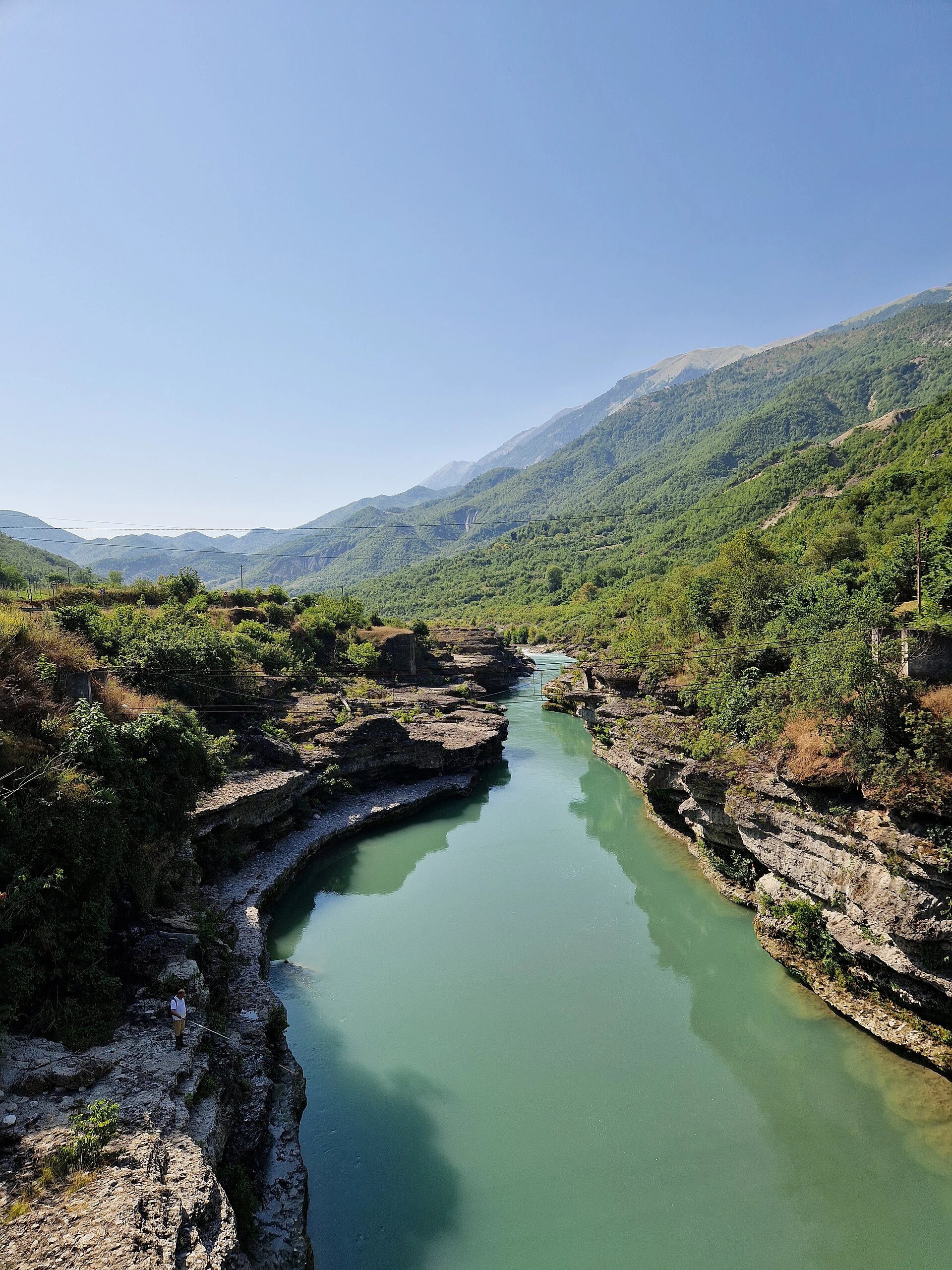 Responsible travel
The best way to understand the Vjosa is not to string together rafting, canyon trips and riverside photos. Choose one stretch, sleep nearby and accept that a free-flowing river calls for slower, more flexible, low-impact plans.
Read guide →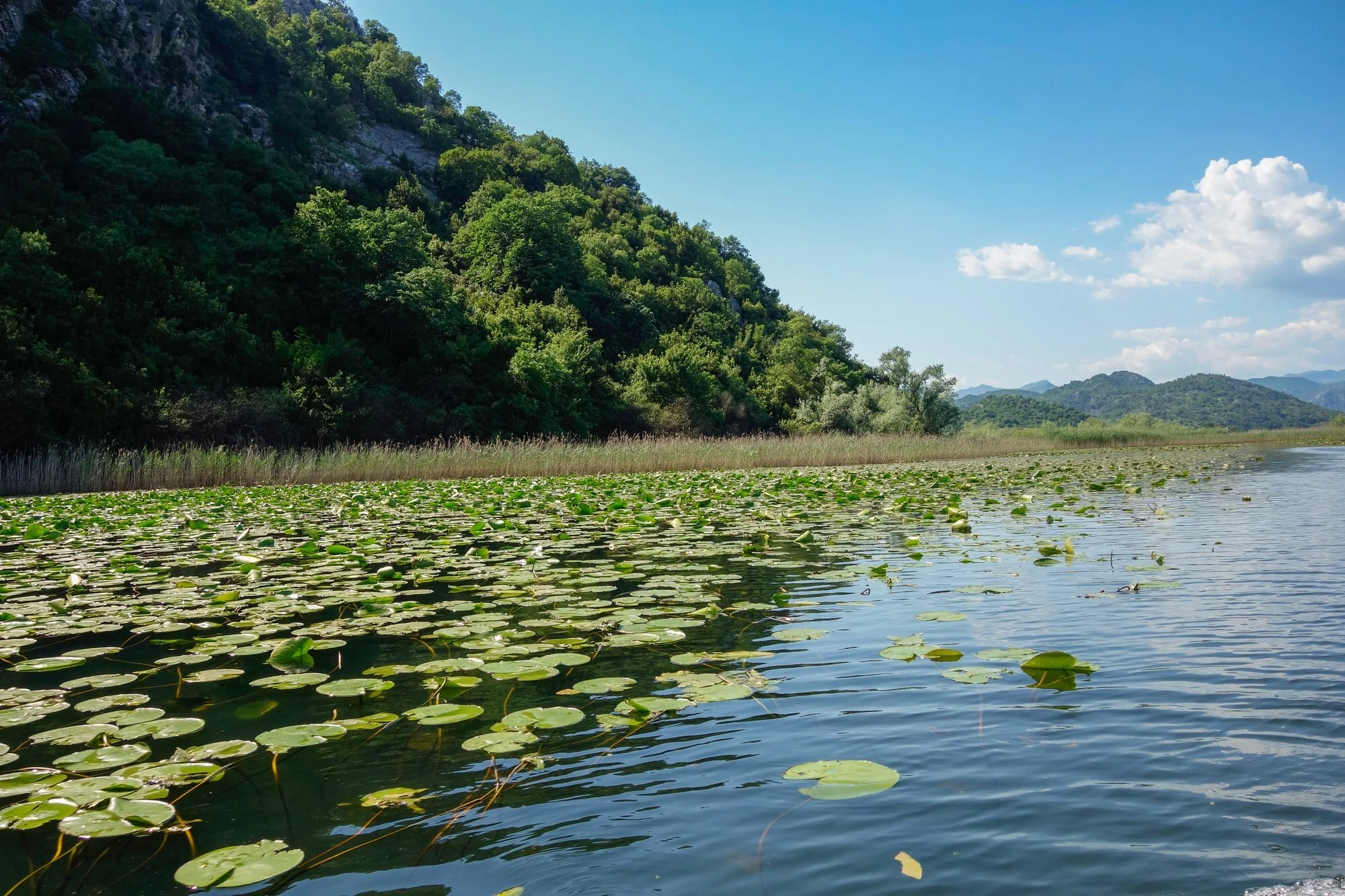 Responsible travel
Lake Skadar is best visited without trying to take it all in. From Podgorica, the train reaches Virpazar without a car; after that, choosing just one experience—an unhurried boat ride, kayaking or a visitor centre—reduces haste and pressure on a protected wetland.
Read guide → Tuvalu
 Finland
 Marshall Islands
 DR Congo
 North Macedonia
 Albania
 Montenegro