Lola ya Bonobo
Lola ya Bonobo, in Mont-Ngafula south of Kinshasa, is a rescue and rehabilitation sanctuary for bonobos. Guided visits keep visitors at a deliberate distance from the animals.
Explore the place →Places in context: profiles connected to our guides, maps, sources and verified photographs.
Lola ya Bonobo, in Mont-Ngafula south of Kinshasa, is a rescue and rehabilitation sanctuary for bonobos. Guided visits keep visitors at a deliberate distance from the animals.
Explore the place →
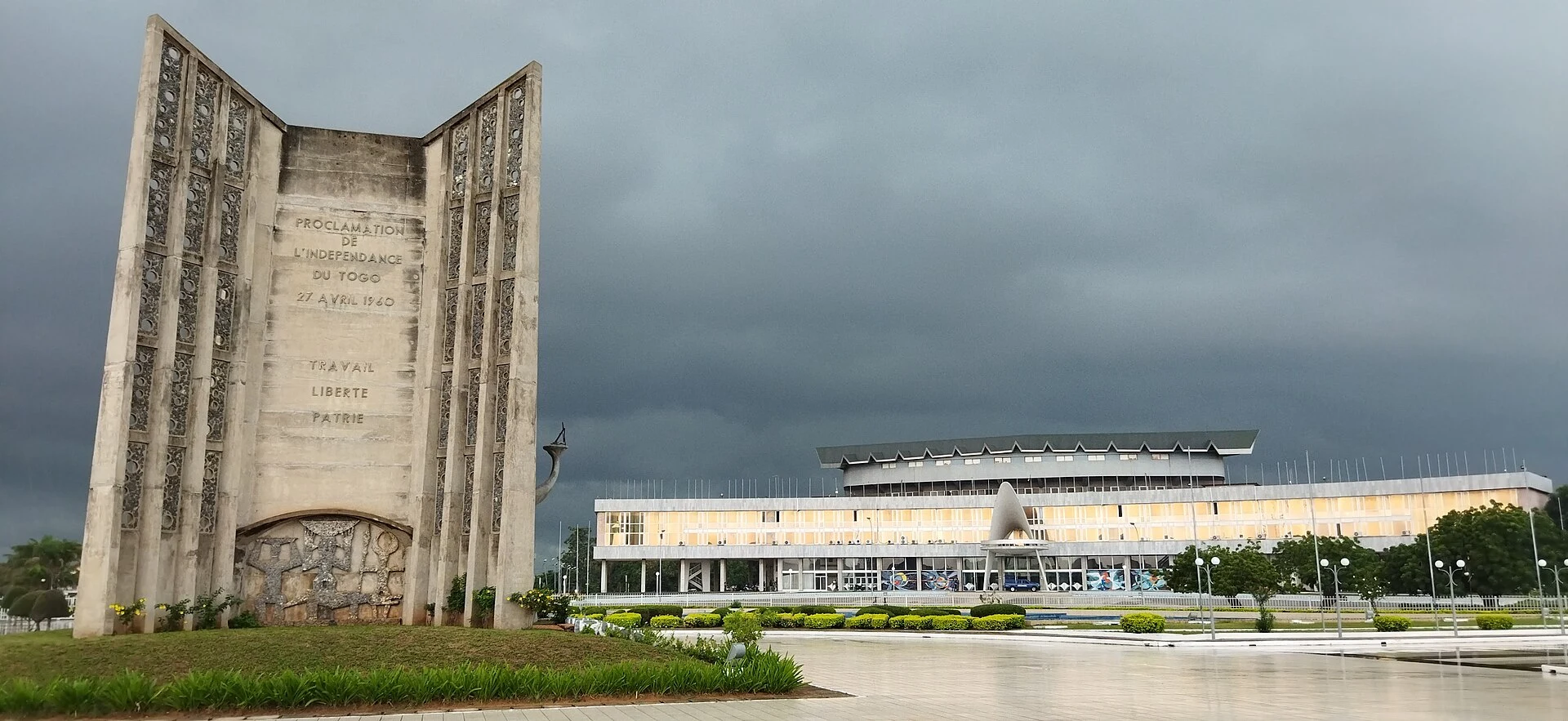
Lomé, the capital of Togo, is in the Maritime Region. The available references locate the city; transport and visit details need to be checked with current sources.
Explore the place →
Lomié is listed among the towns with an office for arranging visits to Dja Faunal Reserve. The article also suggests it as a possible overnight stop before entering the forest.
Explore the place →
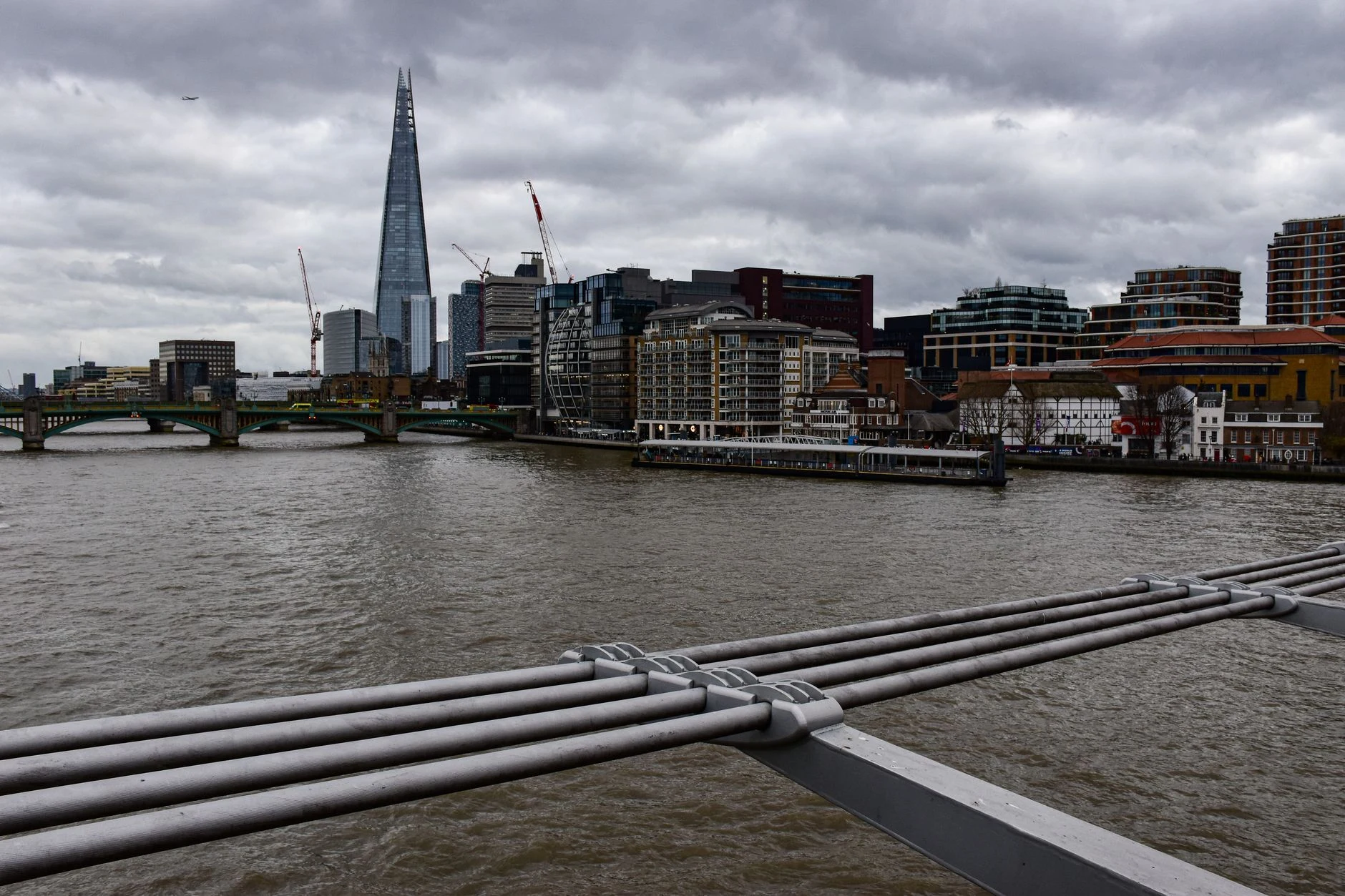
London is the capital of the United Kingdom and a reference point for locating the country. English is the recorded language, and the currency is the pound sterling.
Explore the place →
Gabon’s Lopé National Park is part of the Lopé-Okanda landscape, where equatorial forest and relict savannas meet. A visit can pair time outdoors with interpretation of the area’s archaeological heritage.
Explore the place →
In central Gabon, Lopé-Okanda brings together equatorial forest, relict savannas, the Ogooué Valley and archaeological remains. Its value lies in reading the landscape and traces of human history together.
Explore the place →
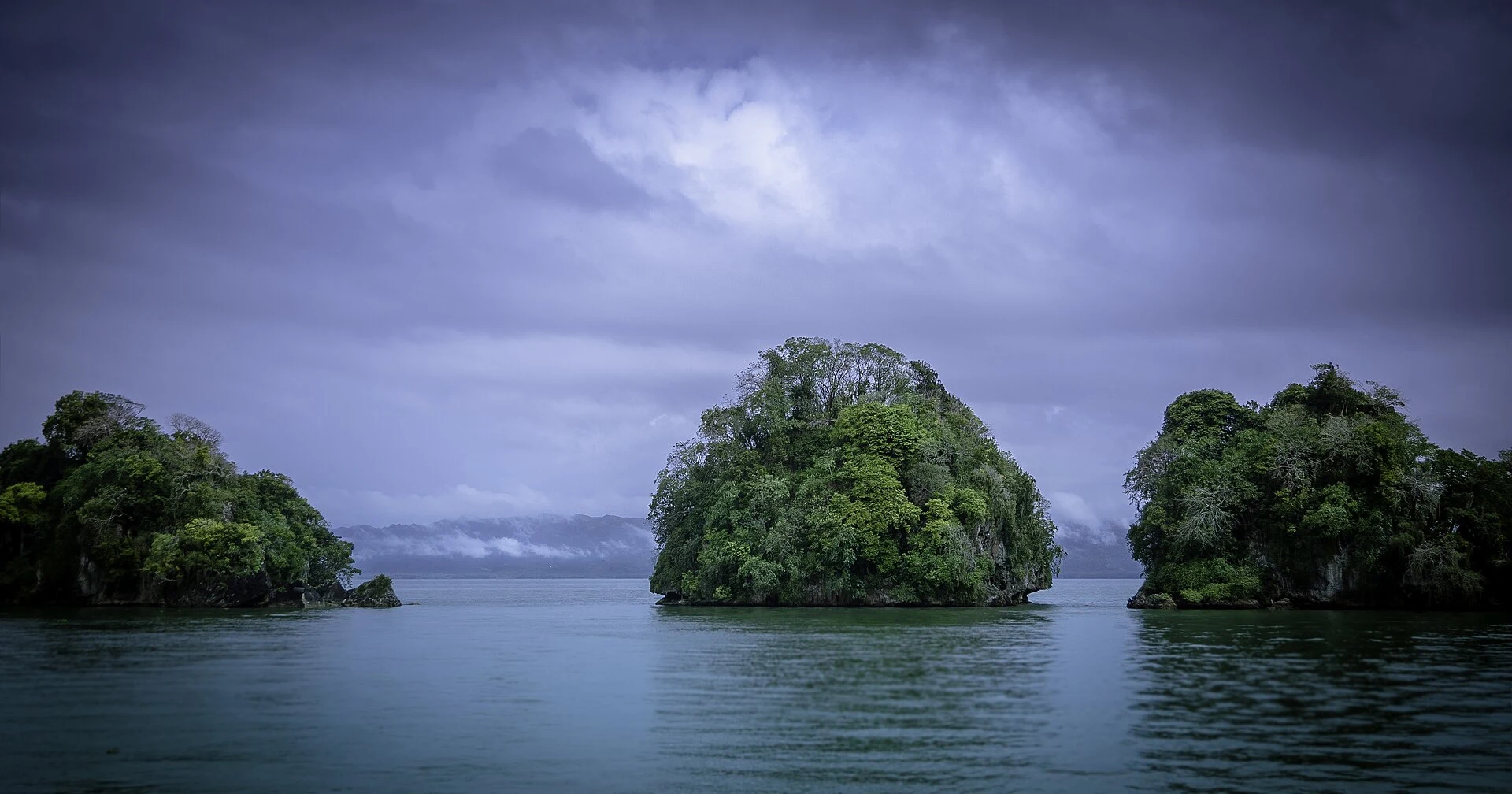
Los Haitises National Park is a water landscape of mogotes, mangroves, caves and boat routes. Sabana de la Mar is the practical base when the park is the main purpose of the visit; access and stops may change.
Explore the place →Lovamahapaya, known as the Bronze Palace, belongs to Anuradhapura’s sacred core alongside Sri Maha Bodhi and Ruwanweliseya. It helps explain the relationship between devotion, monastic community and monumentality within an extensive historic city.
Explore the place →
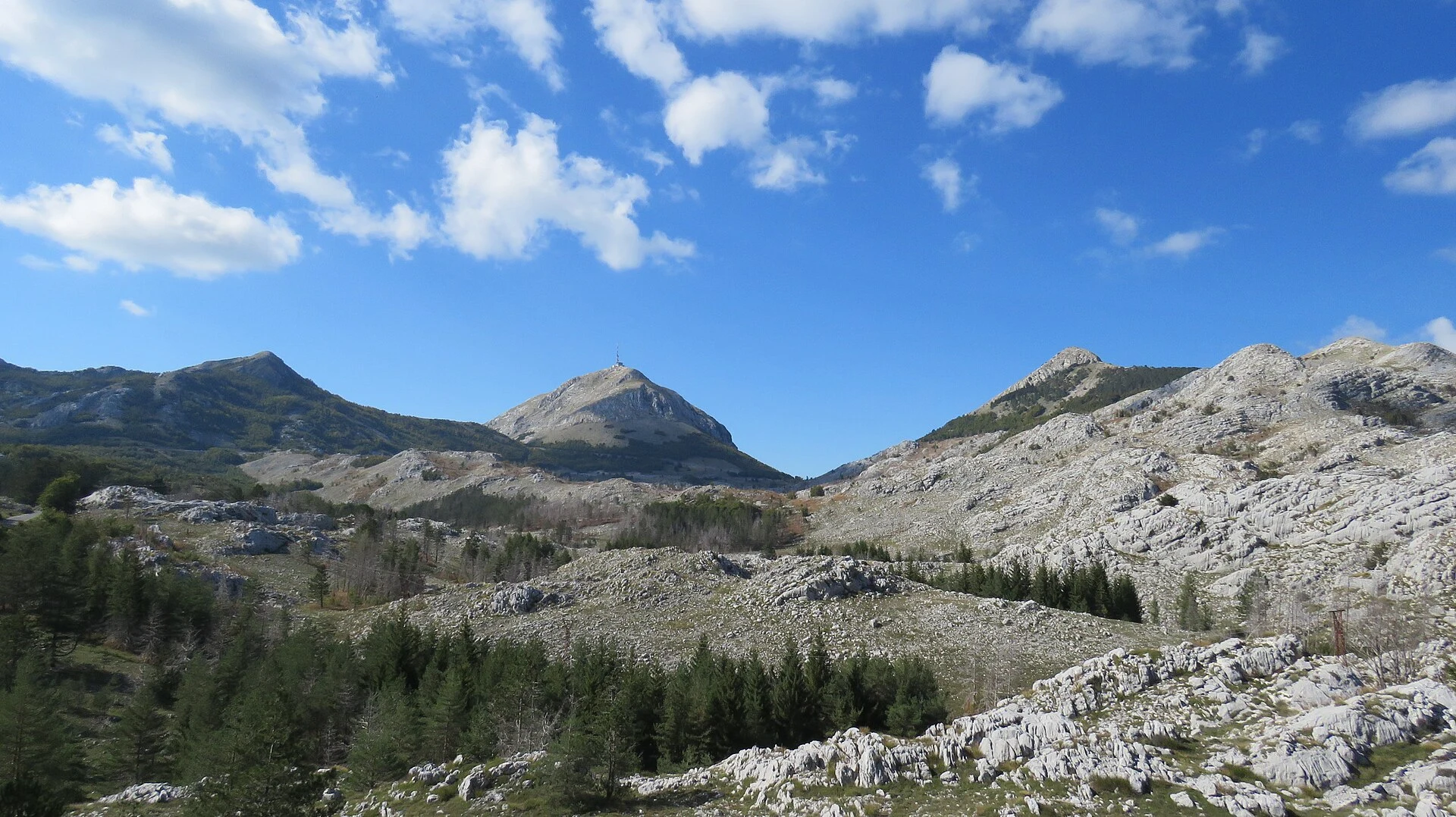
Lovćen National Park protects a rugged karst landscape of sinkholes, fissures and caves, as well as the Cetinje and Njeguši plateaus. Njegoš’s mausoleum stands on Jezerski vrh at 1,657 metres, reached by a section of 461 steps.
Explore the place →Lower Bay is an optional extension to the half-day Bequia route linking Port Elizabeth, Belmont and Princess Margaret. The article recommends adding it only if the terrain, heat and your pace make it suitable.
Explore the place →
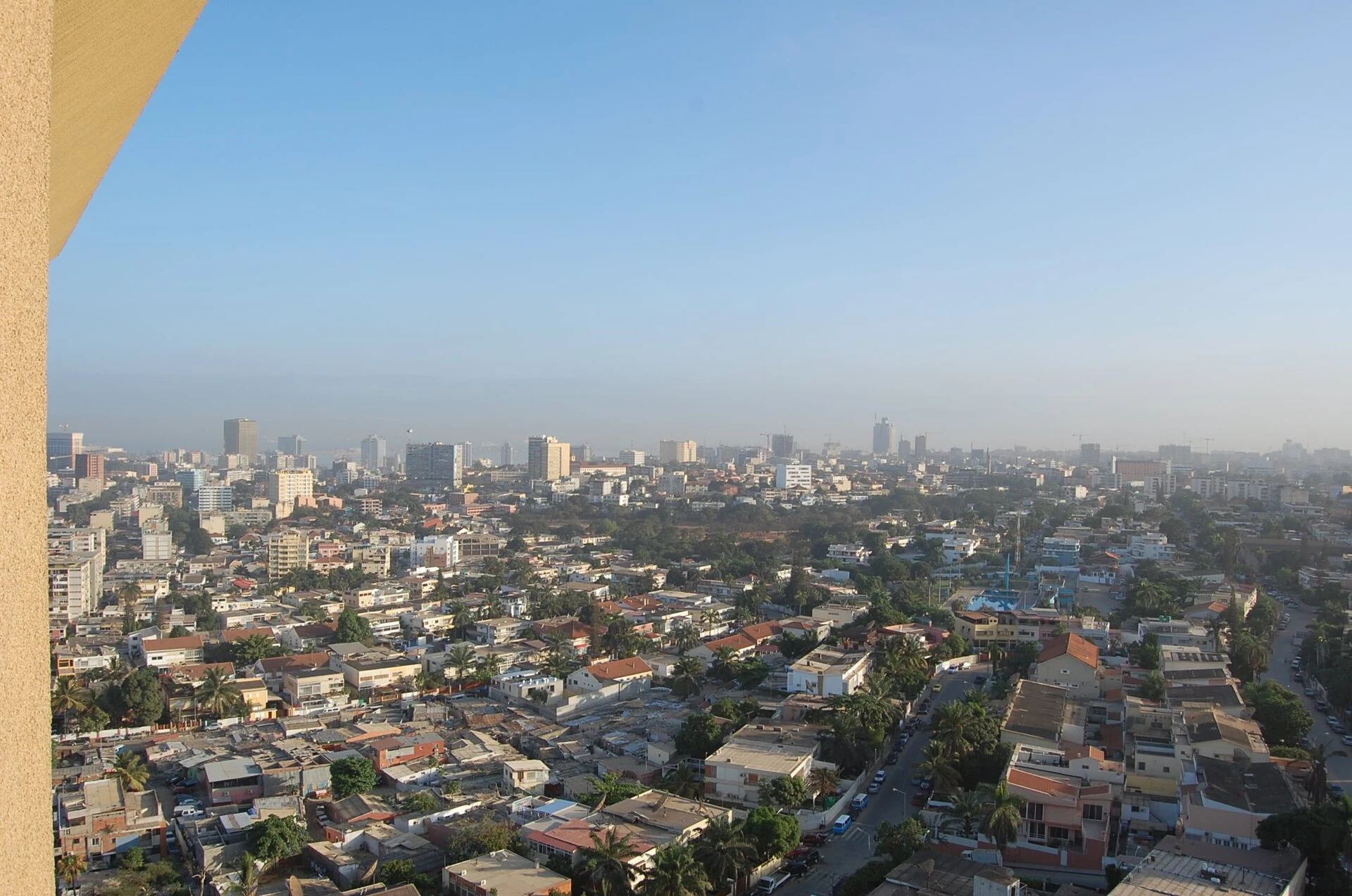
Luanda is Angola’s capital and an initial administrative reference for organizing travel information. Portuguese and the Angolan kwanza are national context; services and requirements should be checked with up-to-date sources.
Explore the place →
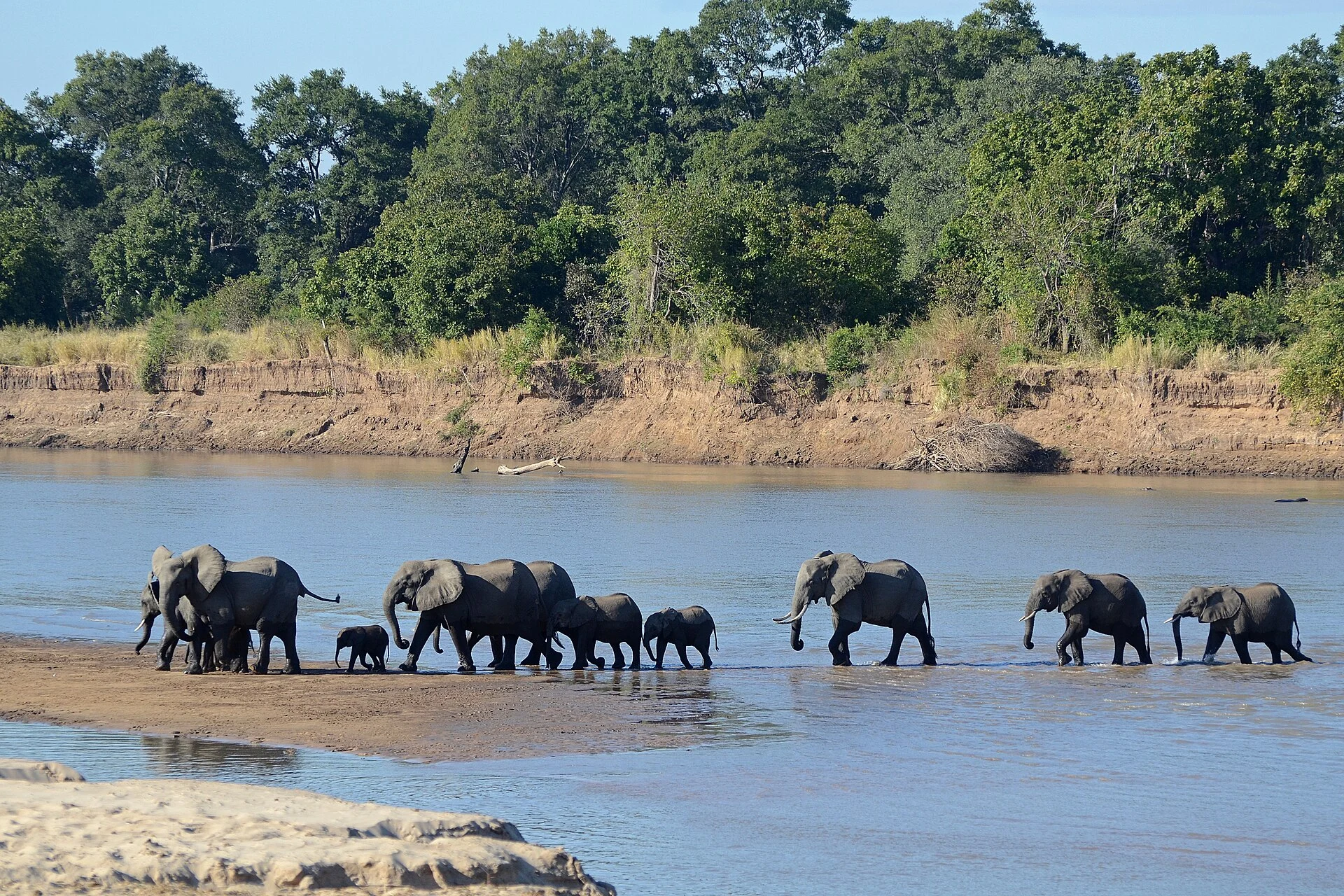
The Luangwa River shapes the South Luangwa landscape: its banks, lagoons and associated vegetation help explain wildlife movements. It is a useful guide to reading the environment, not a guarantee of sightings.
Explore the place →
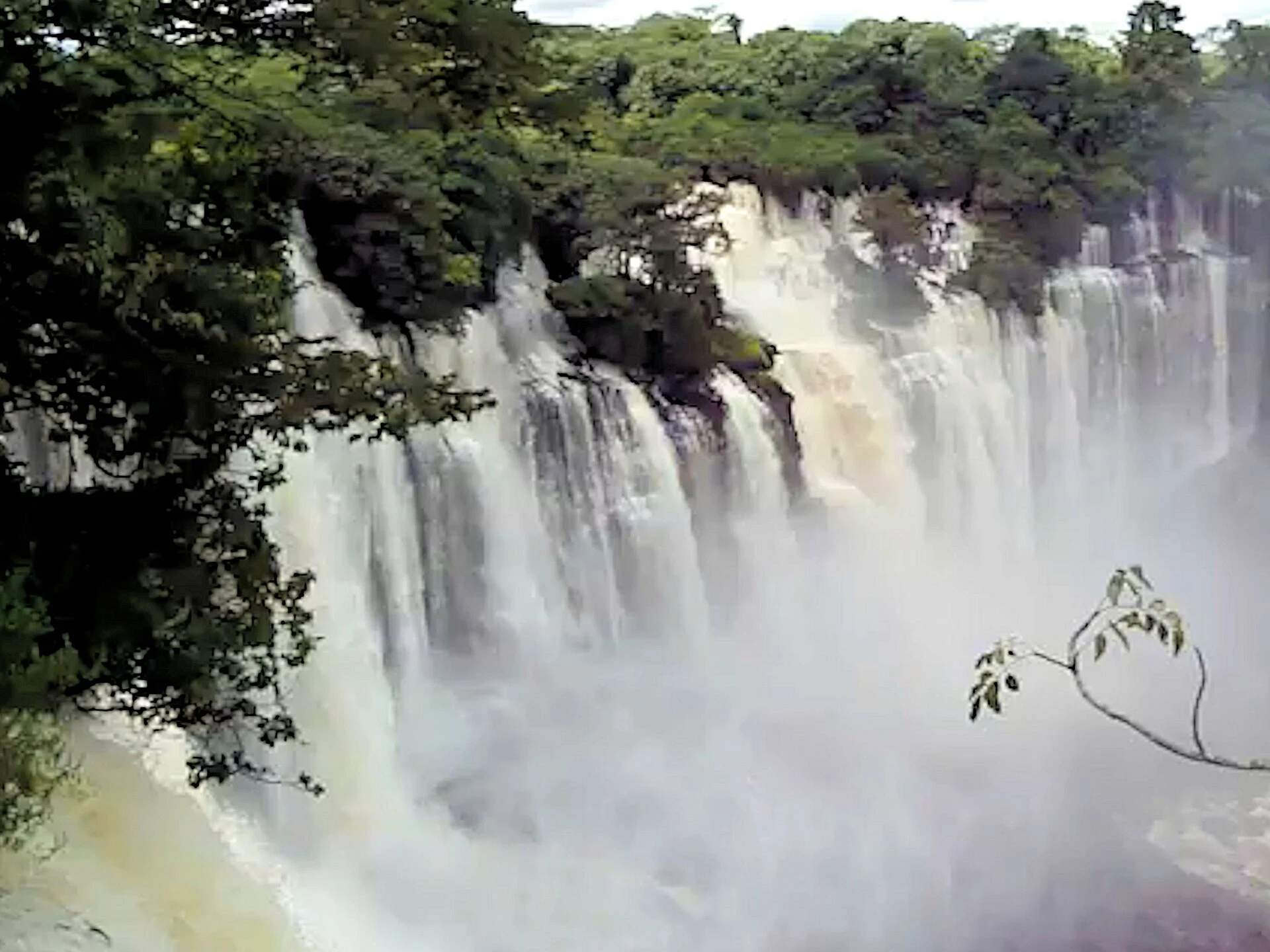
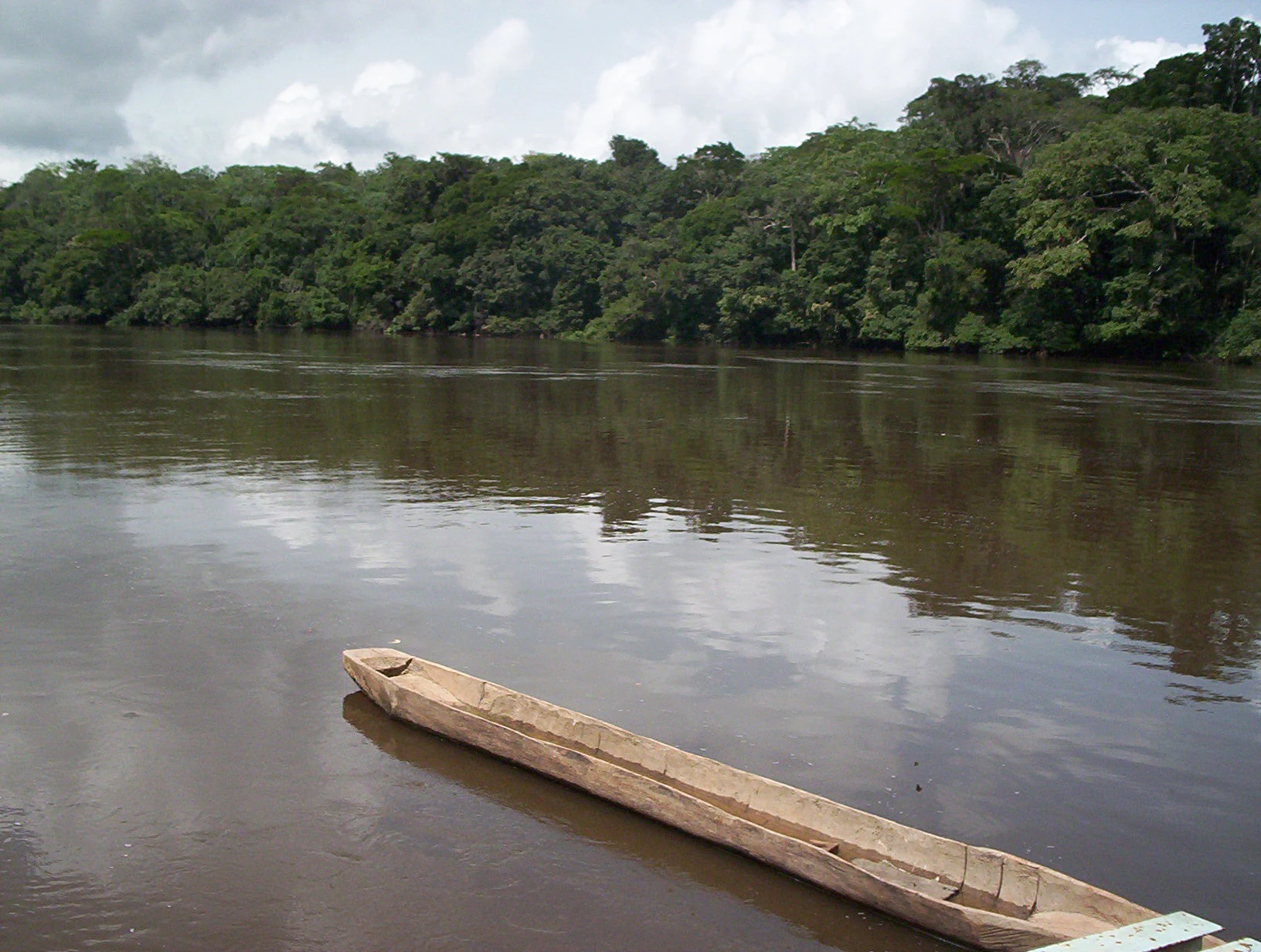
The Lucala River forms Kalandula Falls, where its course opens into a broad curtain of water. Rain can change the river’s flow as well as conditions on the surrounding terrain.
Explore the place →
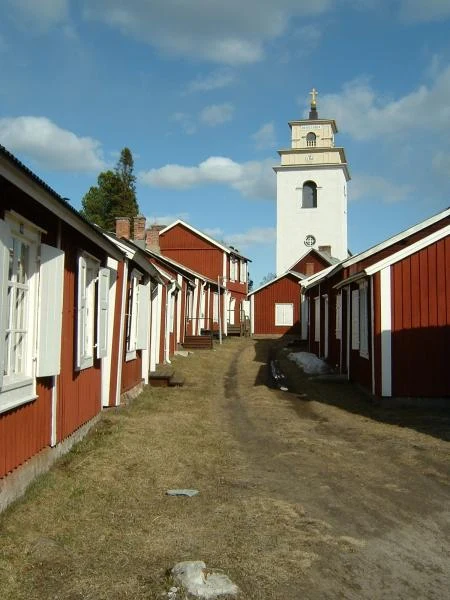
Luleå is described as the place where commercial activity moved after the old harbour lost depth through gradual land uplift. The article also presents the city as a starting point for reaching Gammelstad.
Explore the place →
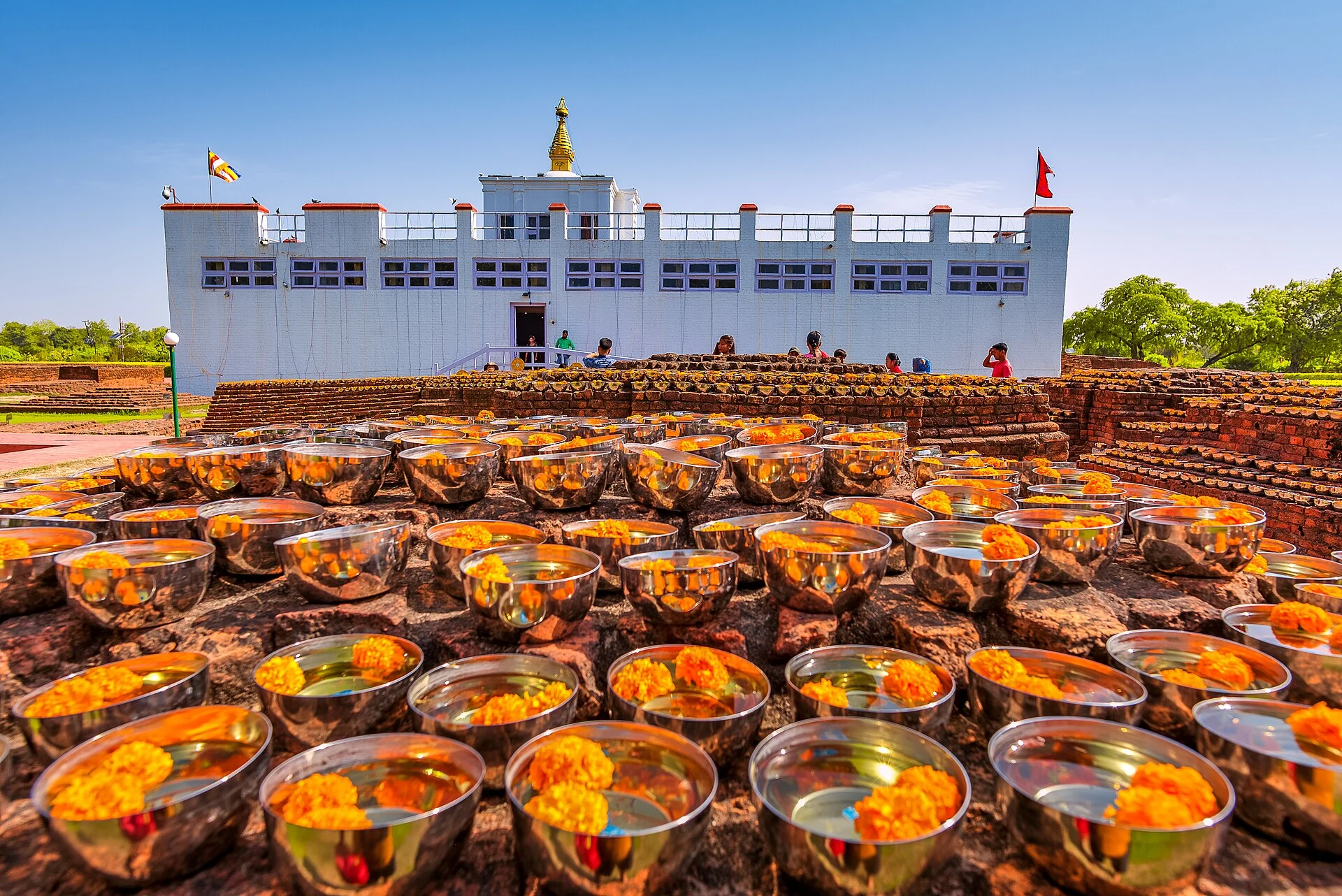
Lumbini brings together a Sacred Garden, a Monastic Zone and a cultural centre. A visit combines archaeological remains and religious practice with monasteries representing different Buddhist traditions.
Explore the place →
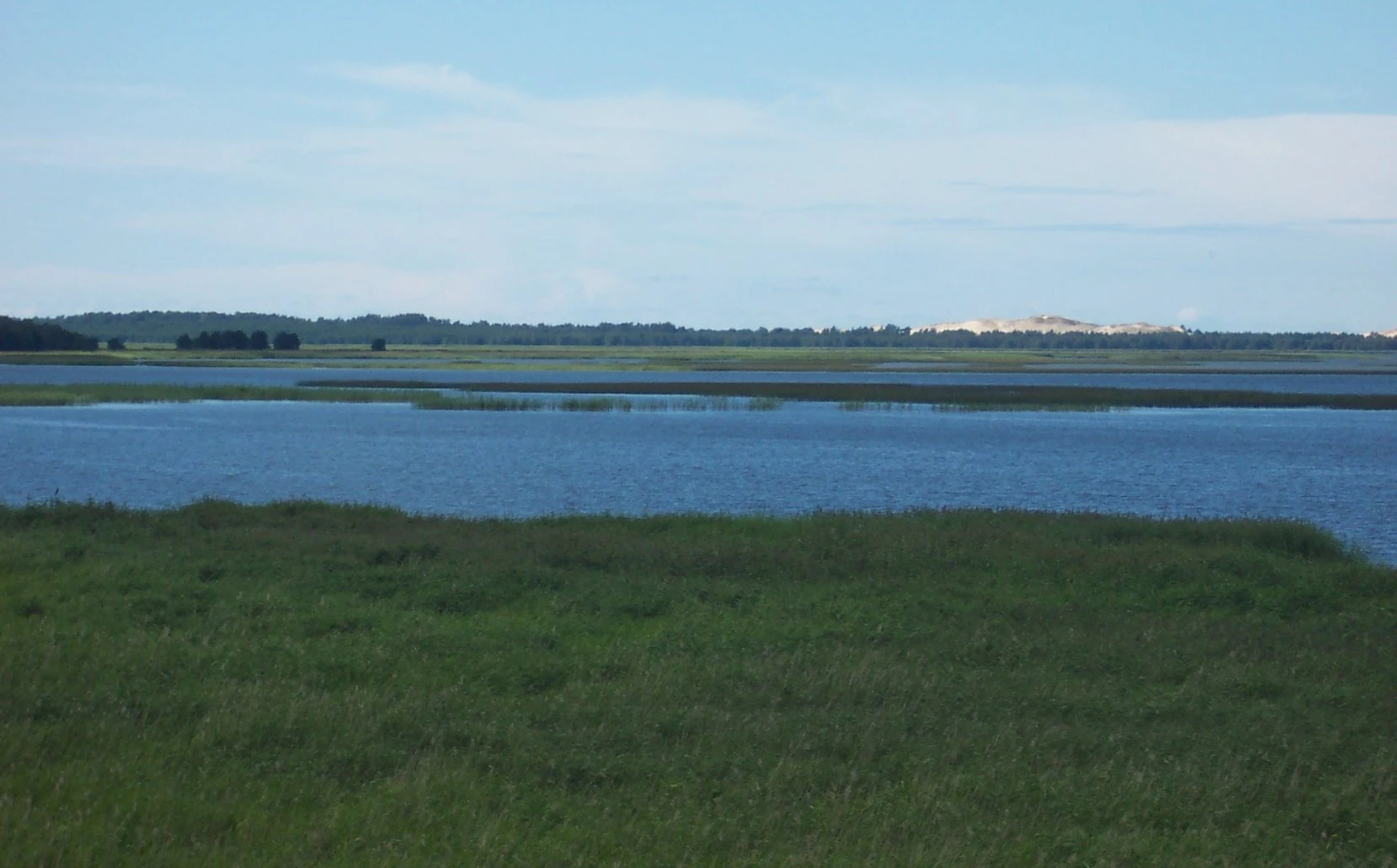
Łebsko Lake is part of the coastal landscape of Słowiński National Park. From the park’s routes, its shore appears in a transition between coastal pine forest, open sand and the Baltic Sea.
Explore the place →
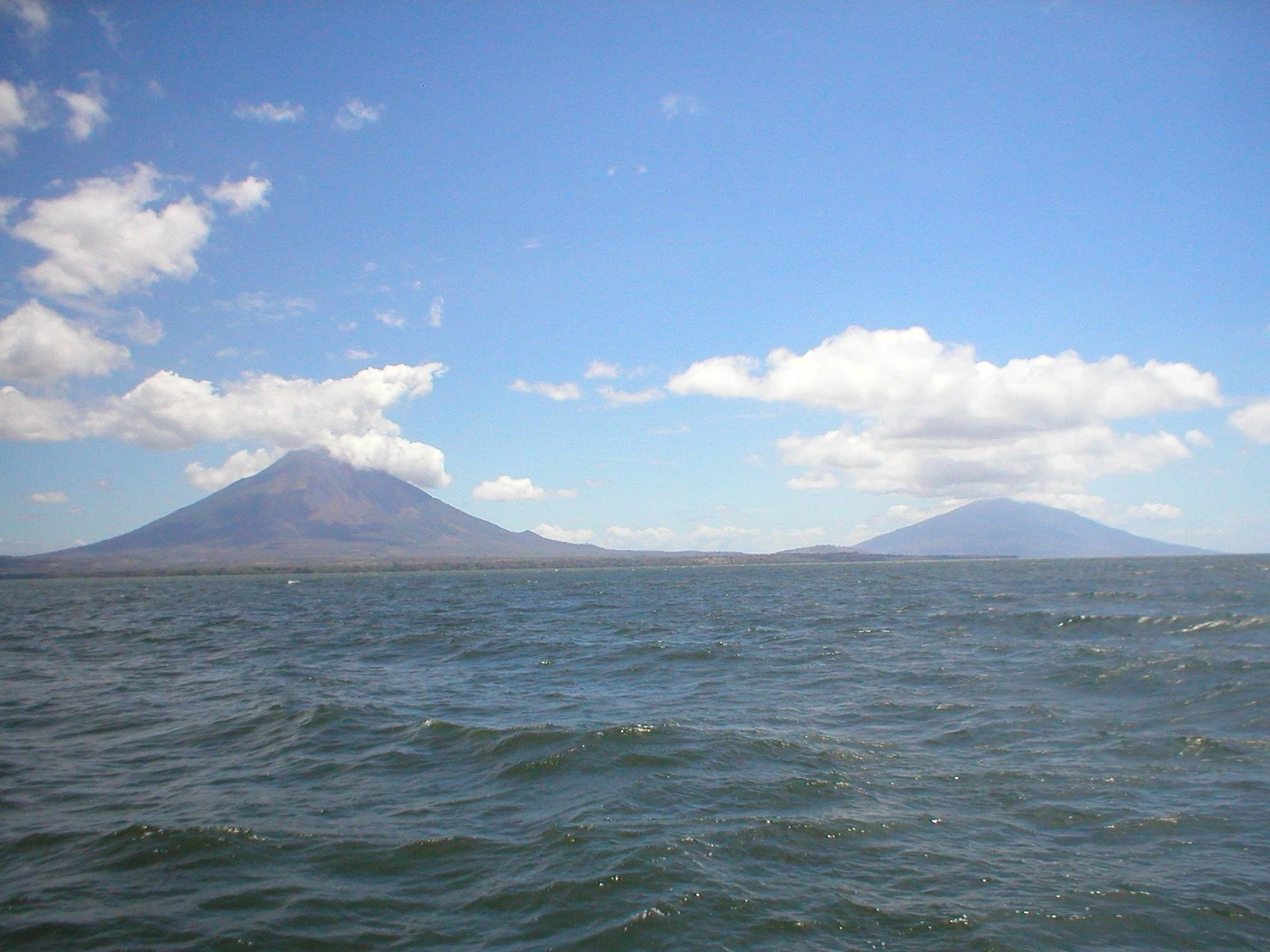
Maderas Volcano, in southeastern Ometepe, is an extinct cone covered in humid forest, with a crater lake at its summit. Its surroundings are also associated with petroglyphs, and the volcano is part of the national park that bears its name.
Explore the place →
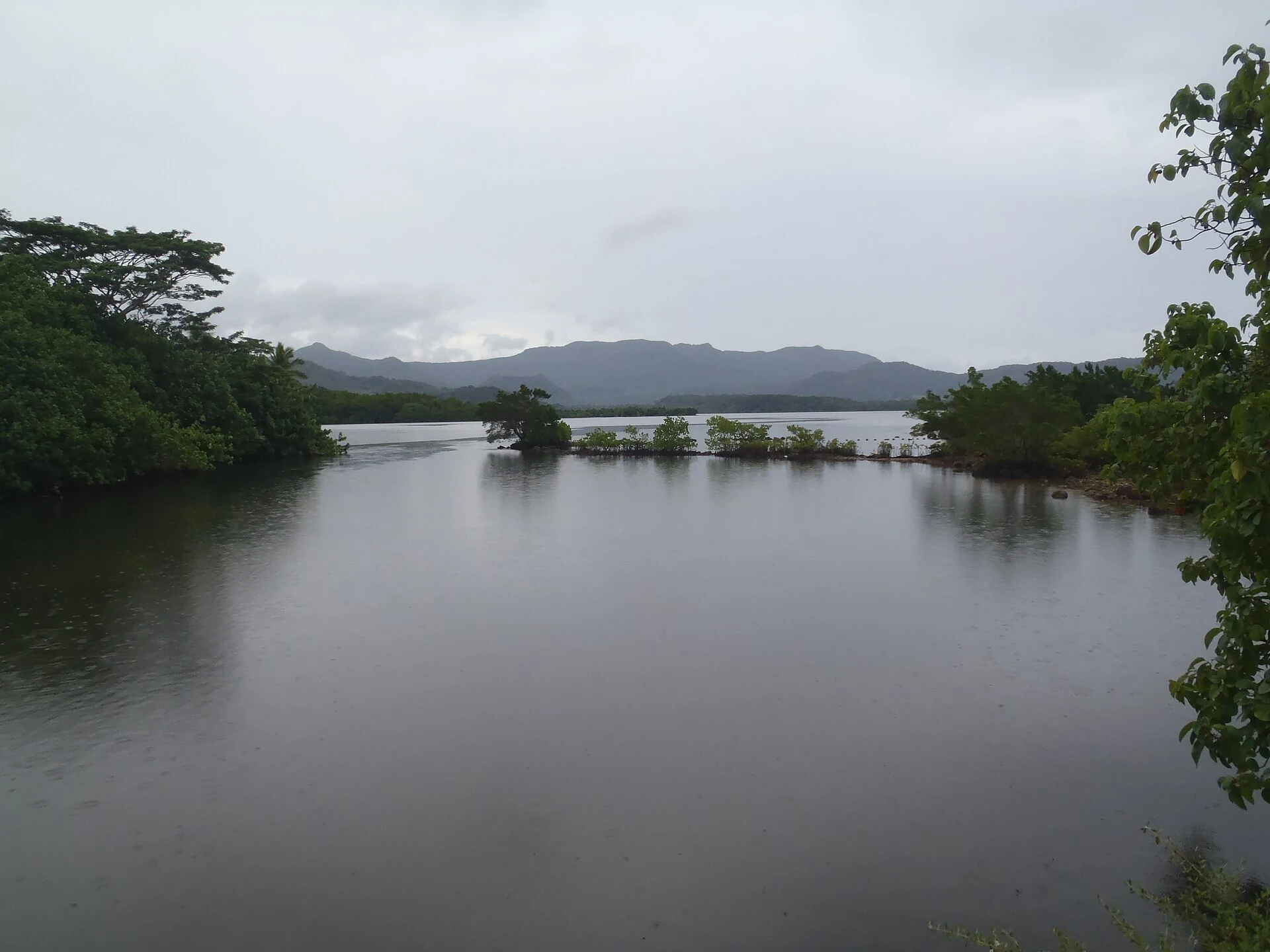
Madolenihmw is part of the cultural management context of Nan Madol, a landscape of basalt walls, channels and enclosures with continuing religious and traditional significance. Madolenihmw’s traditional authority is among the customary interests involved in the site’s protection.
Explore the place →