Chile on the map: Santiago, Spanish and the Chilean peso
Chile is in South America; Santiago is its capital, Spanish its recorded language and the Chilean peso its currency. A first snapshot before you start planning.
Read guide →Republic of Chile
All articles about the country, including other pages. Select a point to discover its guides.
Country guides · General reference point, not an exact location.
If the map does not load, all guides remain available in this list.
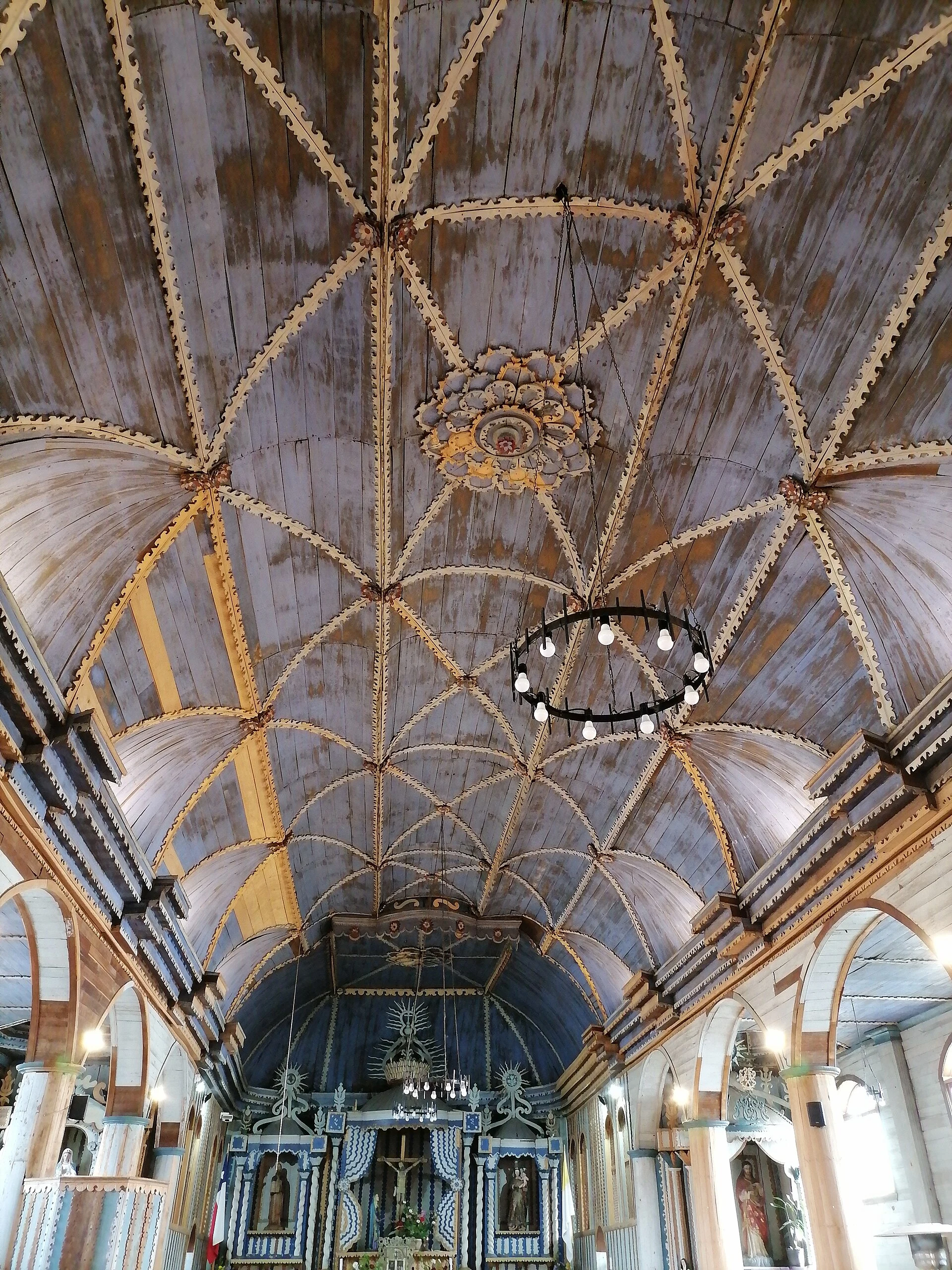
Achao is part of the island route linking Dalcahue, Achao and Quinchao, a day-long itinerary for comparing churches and villages. At Achao’s church, the interior woodwork can be seen if the building is open.
Explore the place →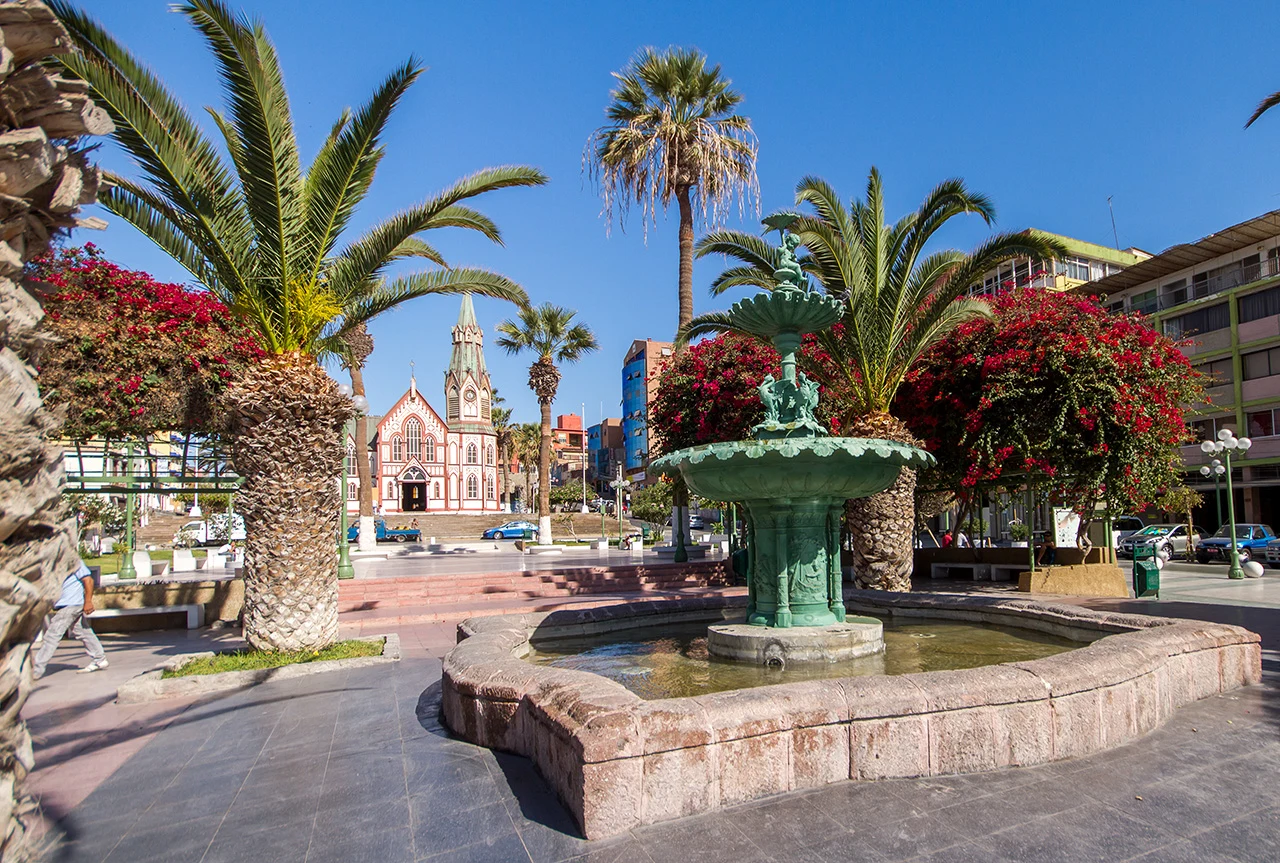
Arica offers ways to learn about Chinchorro culture through museums and protected archaeological landscapes. Colón 10, the Azapa museum and Morro de Arica each reveal a different layer of the city’s history and setting.
Explore the place →
Azapa Valley, about 12 kilometres from Arica along the valley, is home to the San Miguel de Azapa Archaeological Museum. Its collections place Chinchorro culture within thousands of years of human occupation in the region and provide context for understanding the landscape.
Explore the place →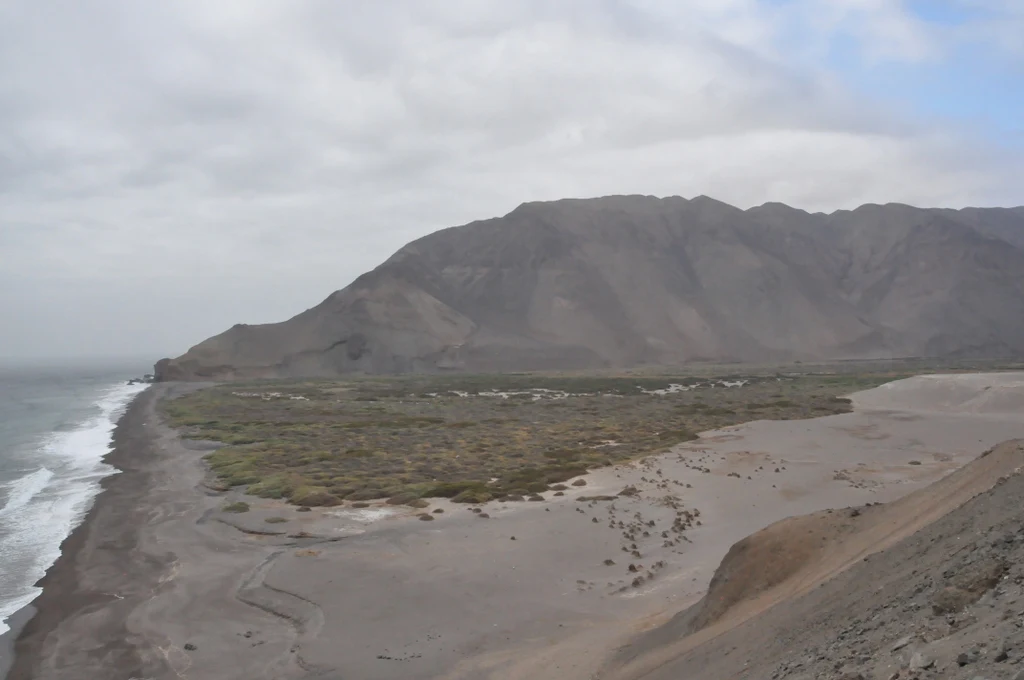
Camarones encompasses a rural coastal and estuary landscape about 100 kilometres south of Arica. Its archaeological setting helps explain the relationship between Chinchorro communities and the coast, but access requires planning.
Explore the place →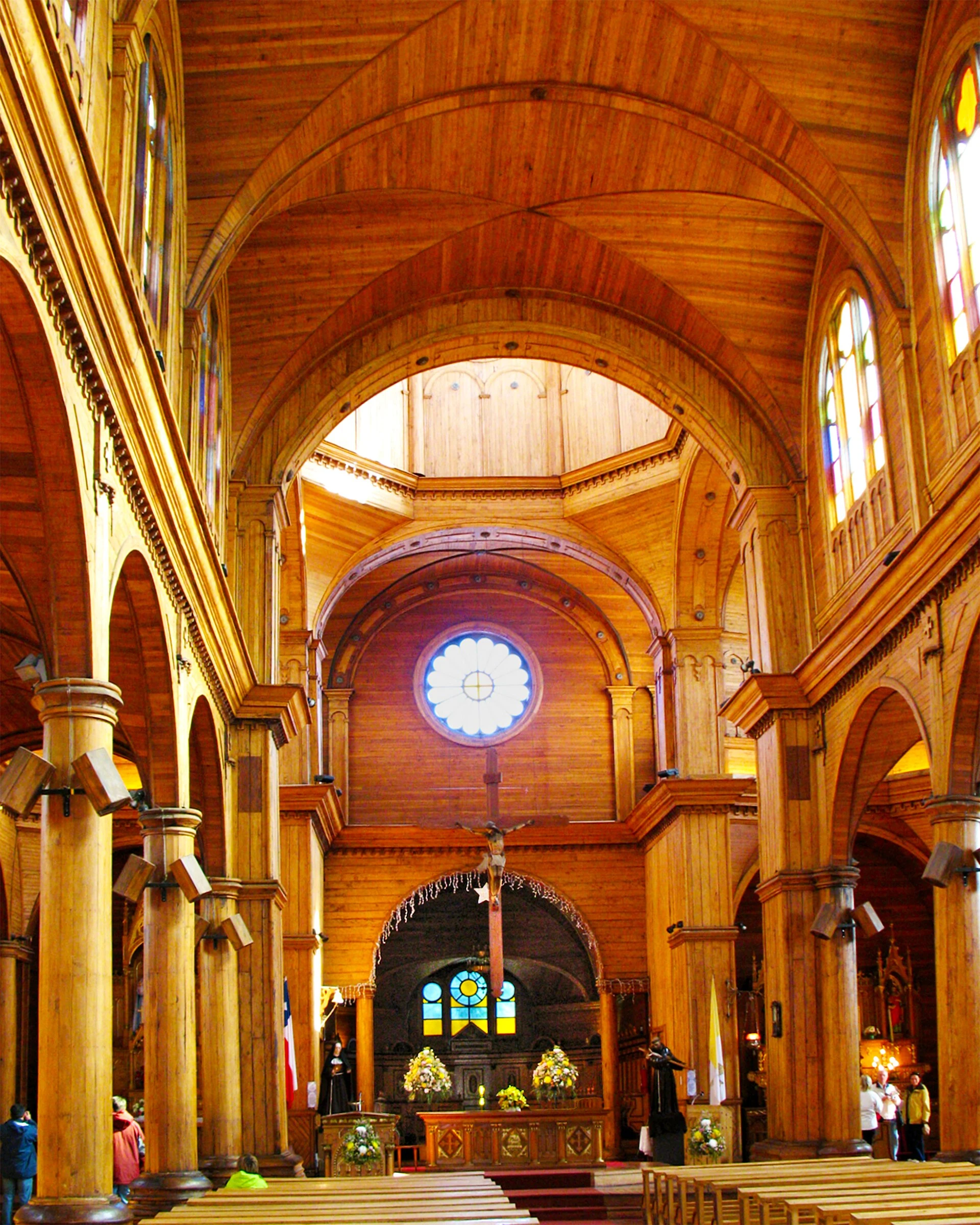
Castro is a useful base for planning visits to churches across Chiloé and provides an urban contrast to the villages along the route. The article recommends combining the city with other areas rather than treating it as a substitute for smaller communities.
Explore the place →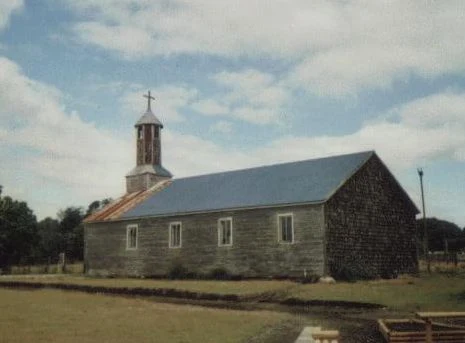
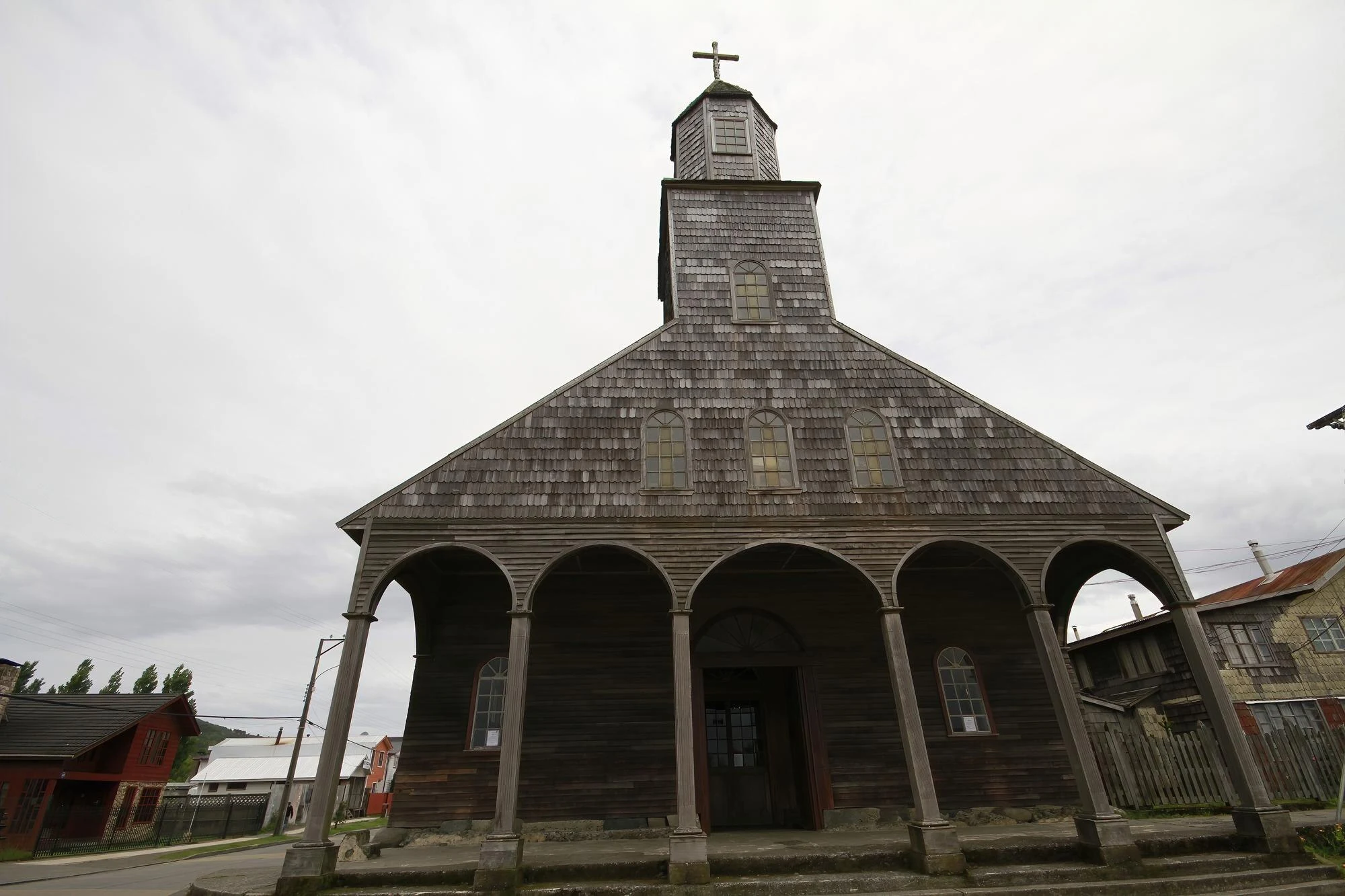
Chiloé is an island where wooden churches are part of living towns and communities. Their religious architecture is also understood through village squares, roads and the relationship between settlements and the water.
Explore the place →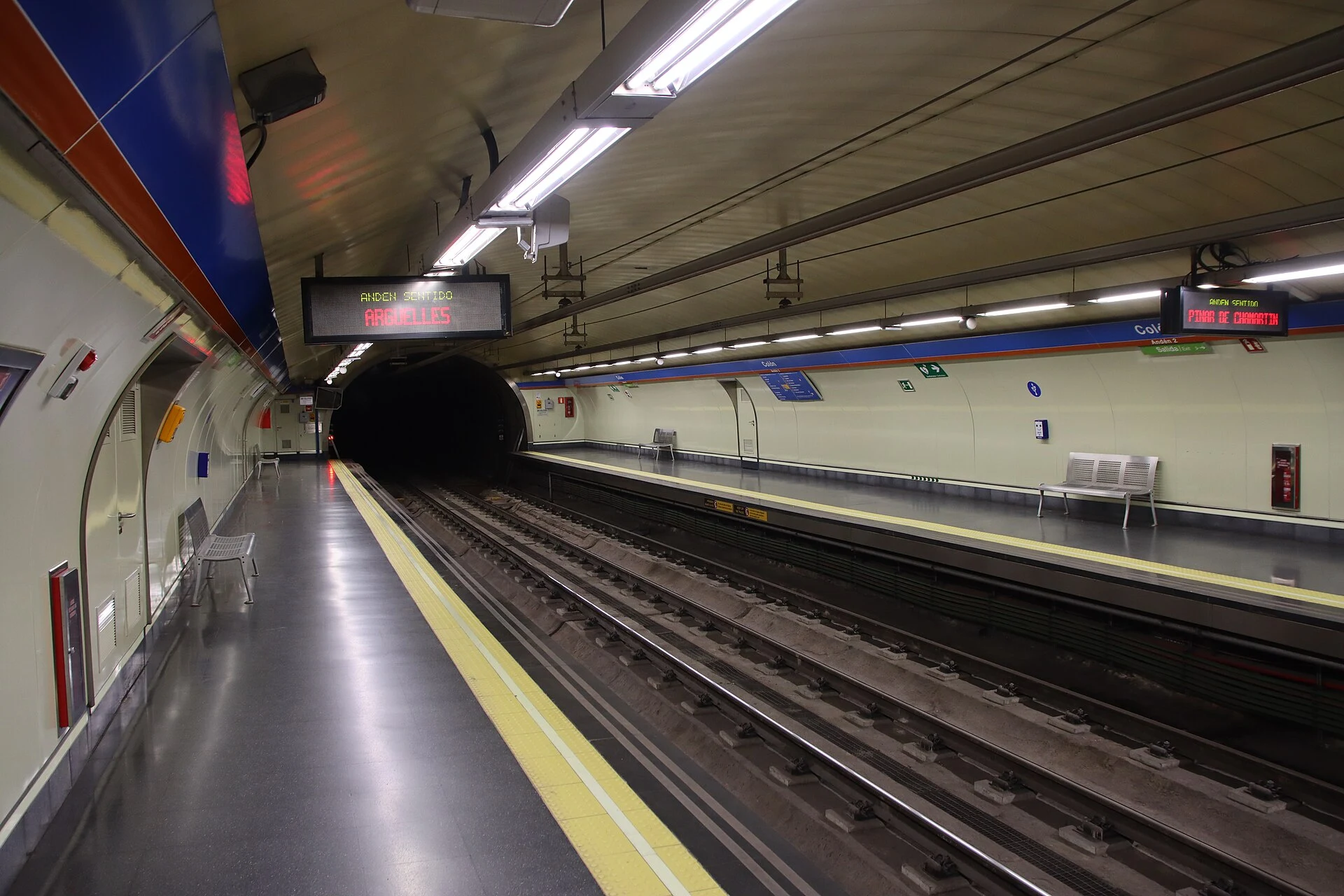
Colón 10 is a site museum in central Arica, beside the Morro. It interprets Chinchorro funerary context in situ, offering a focused archaeological perspective within the city.
Explore the place →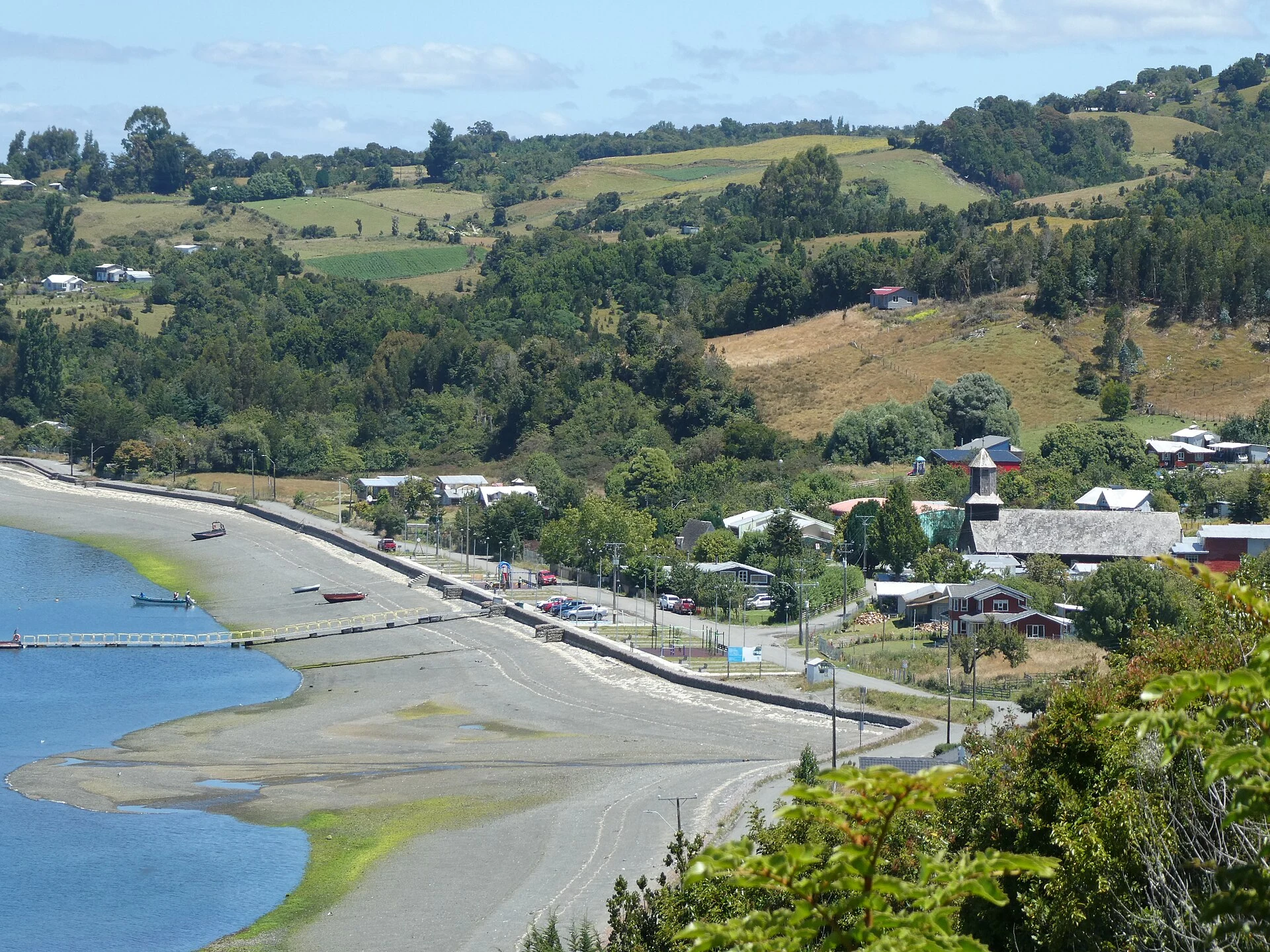
Dalcahue, on Chiloé’s Isla Grande, is a place to see how a wooden church relates to the town and its maritime edge. It also serves as a starting point for the heritage route toward Achao and Quinchao.
Explore the place →
Lemuy Island merits a day of its own to explore its villages and dispersed religious heritage. Aldachildo, Ichuac and Detif are part of a visit that calls for more planning than a stop in Castro or Dalcahue.
Explore the place →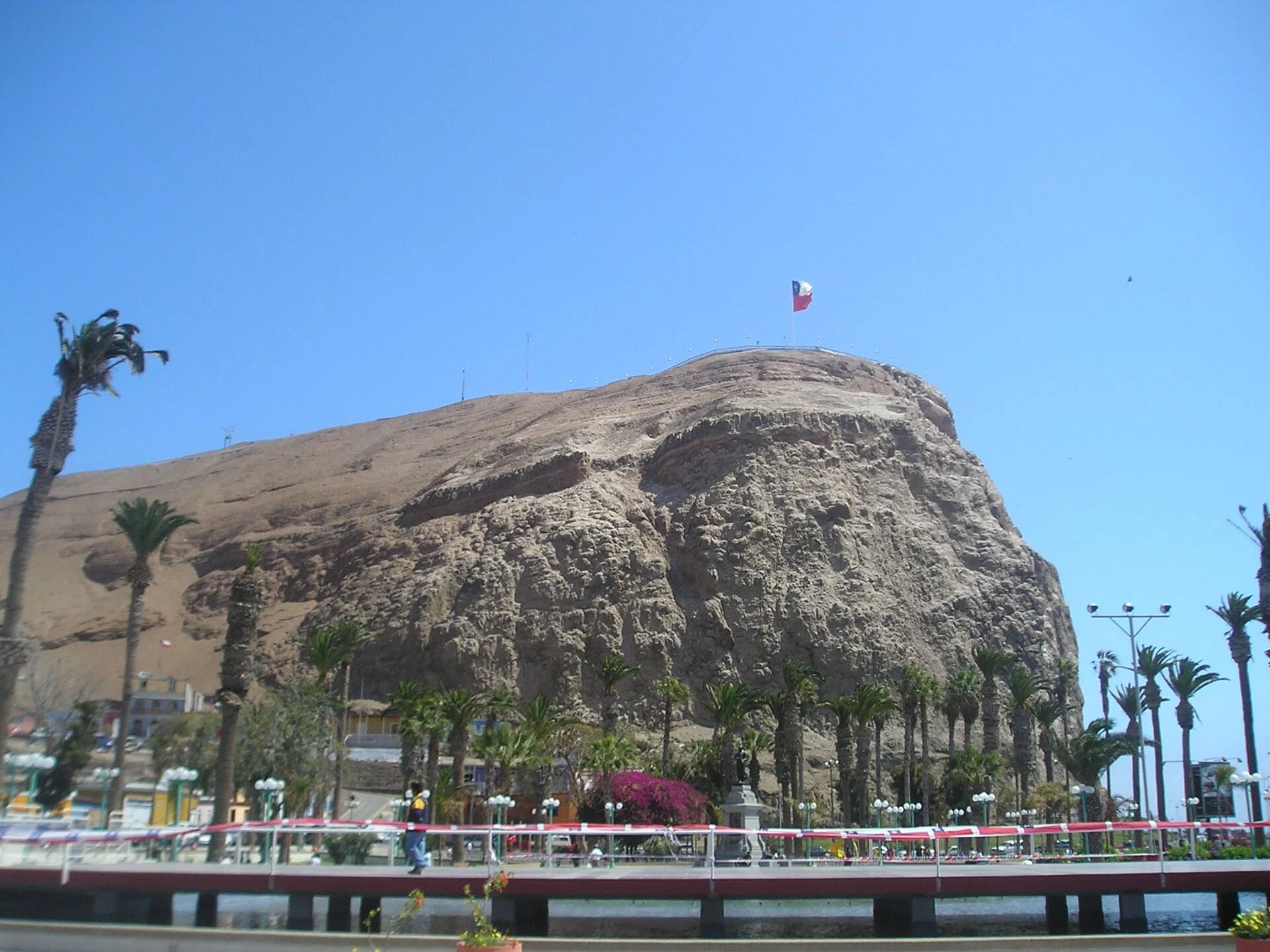
Morro de Arica brings together a coastal landscape, traces of pre-Hispanic occupation and monuments commemorating the 1880 Battle of Arica. Its history is best approached by distinguishing these periods and respecting the site’s sensitive binational memory.
Explore the place →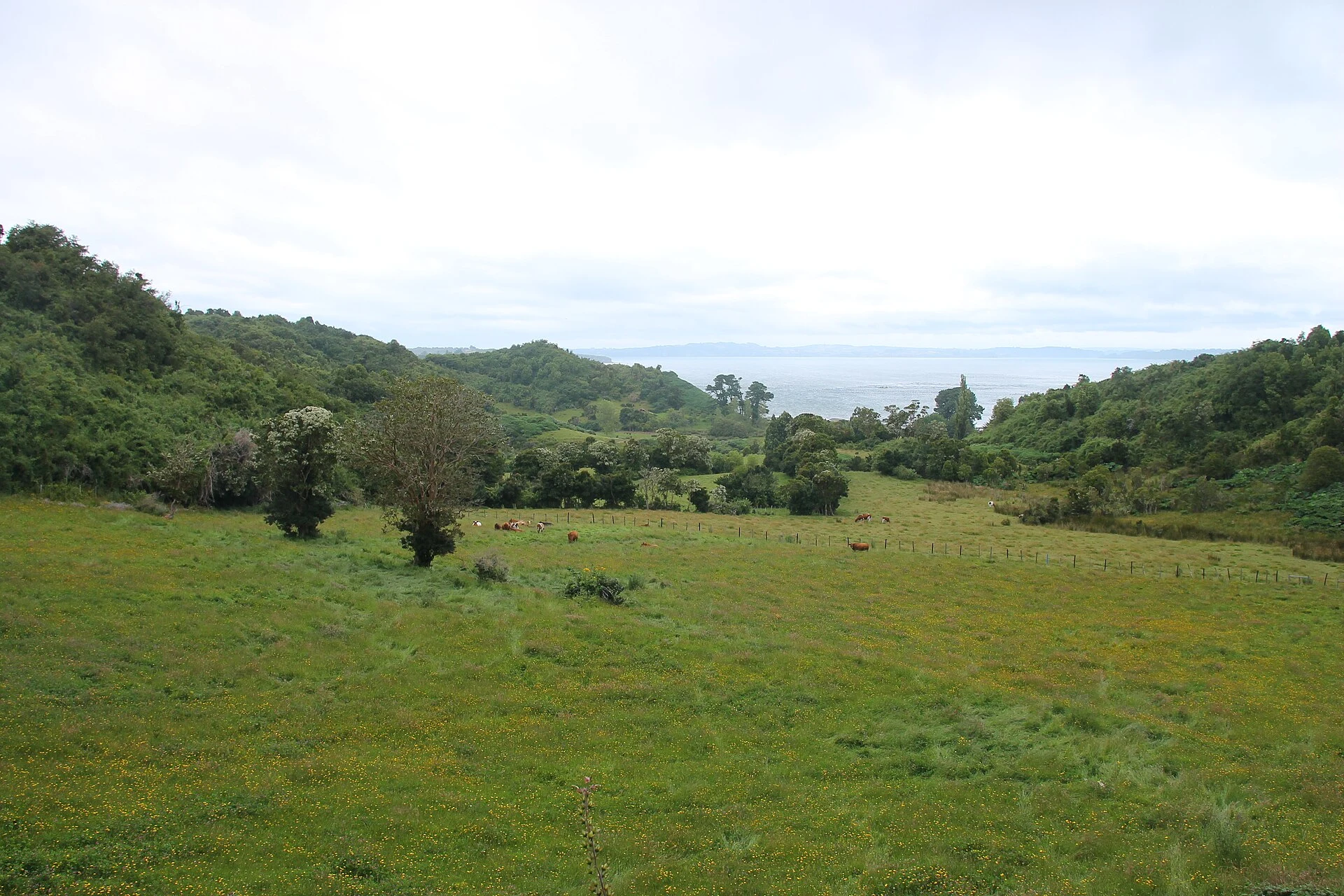
Isla Quinchao is part of a heritage route linking Achao and Quinchao with Dalcahue on Isla Grande. The visit offers a comparison between island churches and a church associated with a port town, but requires planning the crossing and allowing time for travel.
Explore the place →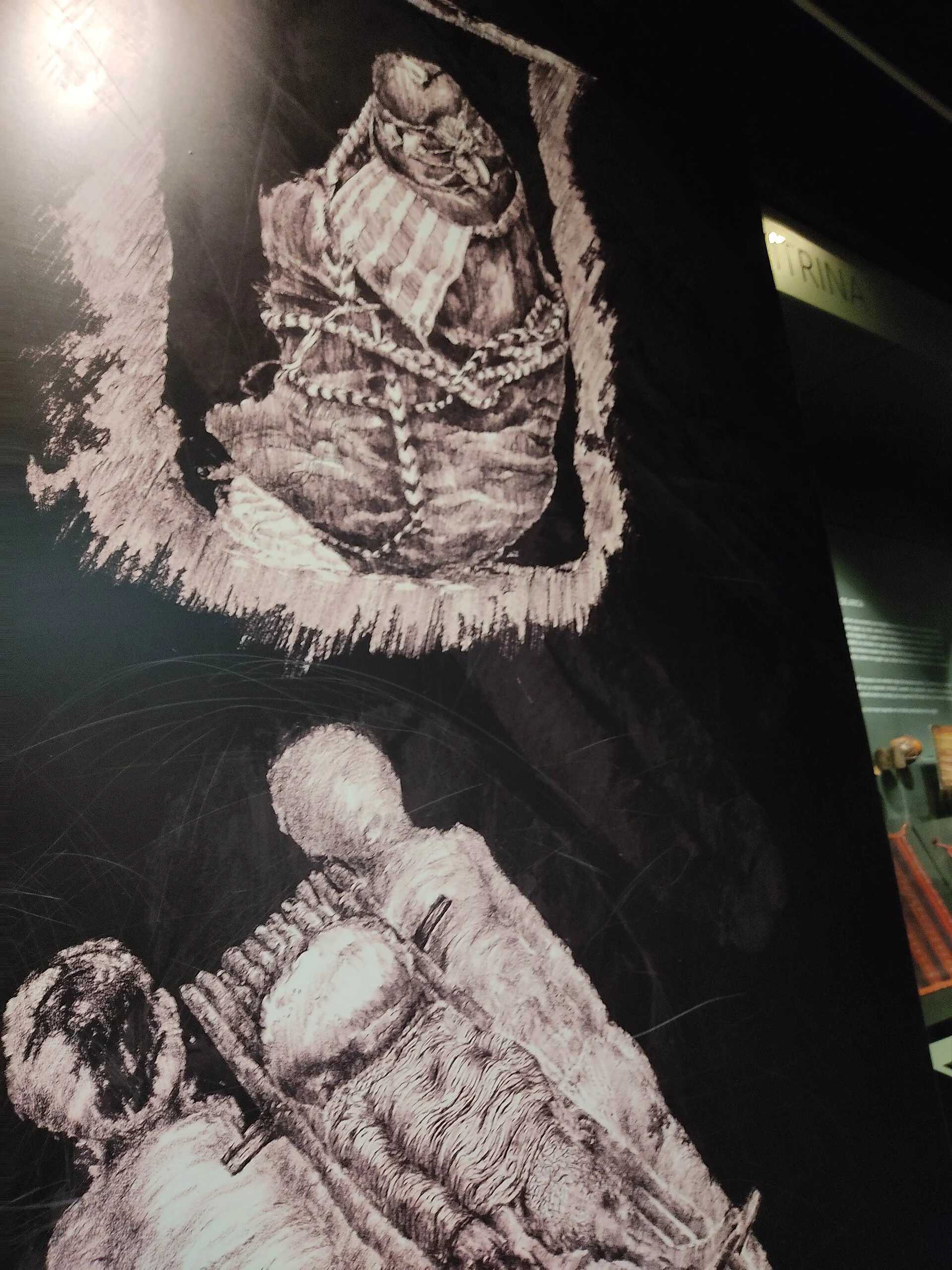
San Miguel de Azapa, in the valley about 12 kilometres from Arica, is known for its archaeological museum. Its collections provide context on the Chinchorro culture and thousands of years of human occupation in the region.
Explore the place →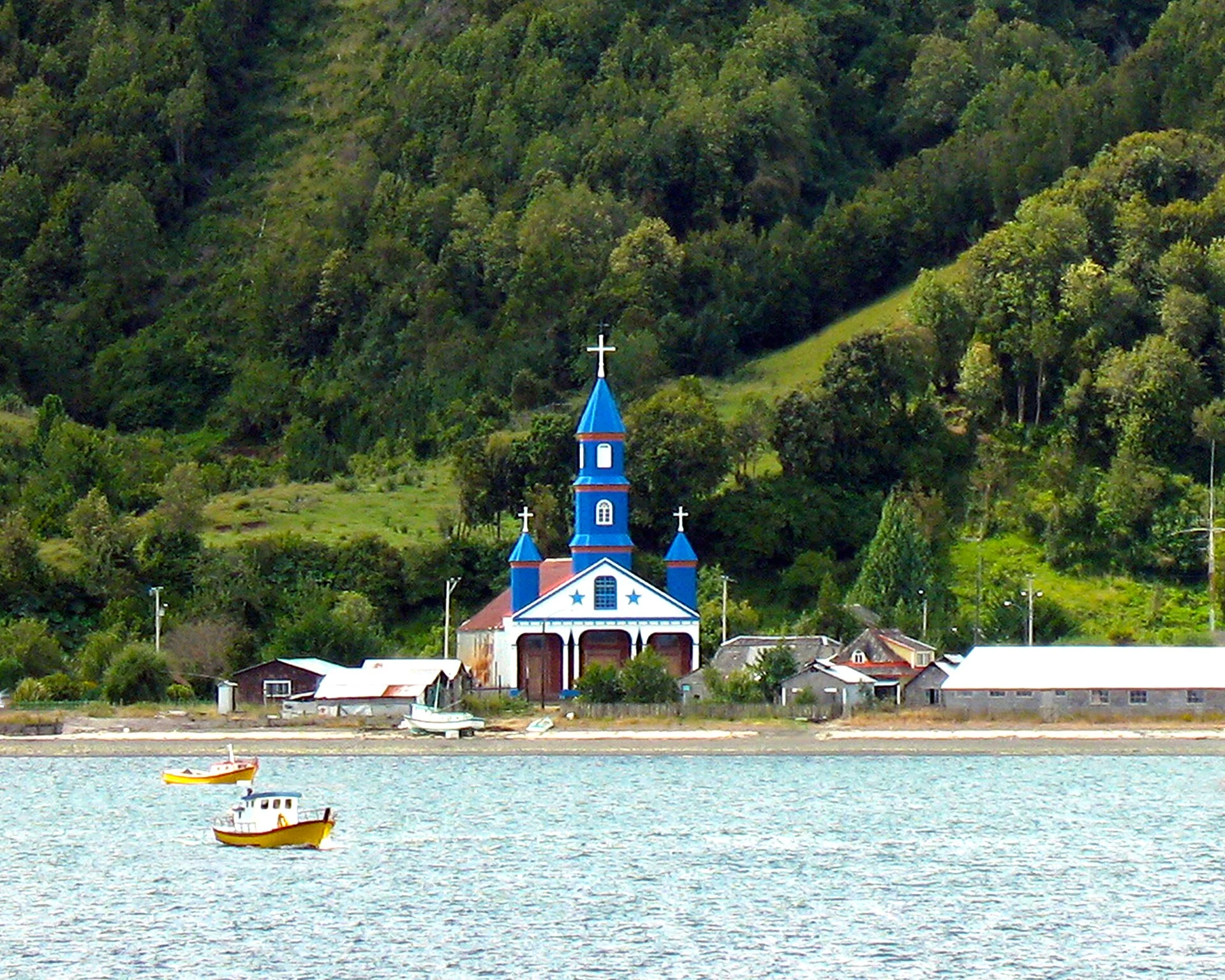
Tenaún is a rural stop in Chiloé where the church, village and bay setting reward an unhurried visit. Its three-towered temple offers a distinctive architectural landmark.
Explore the place →