Chile · Arica and Parinacota
Arica and Chinchorro: from museum to archaeological landscape
A two-part visit to understand Chinchorro culture: first, the collections in Arica and Azapa; then, the protected places that should not be treated as ruins open for unrestricted access.
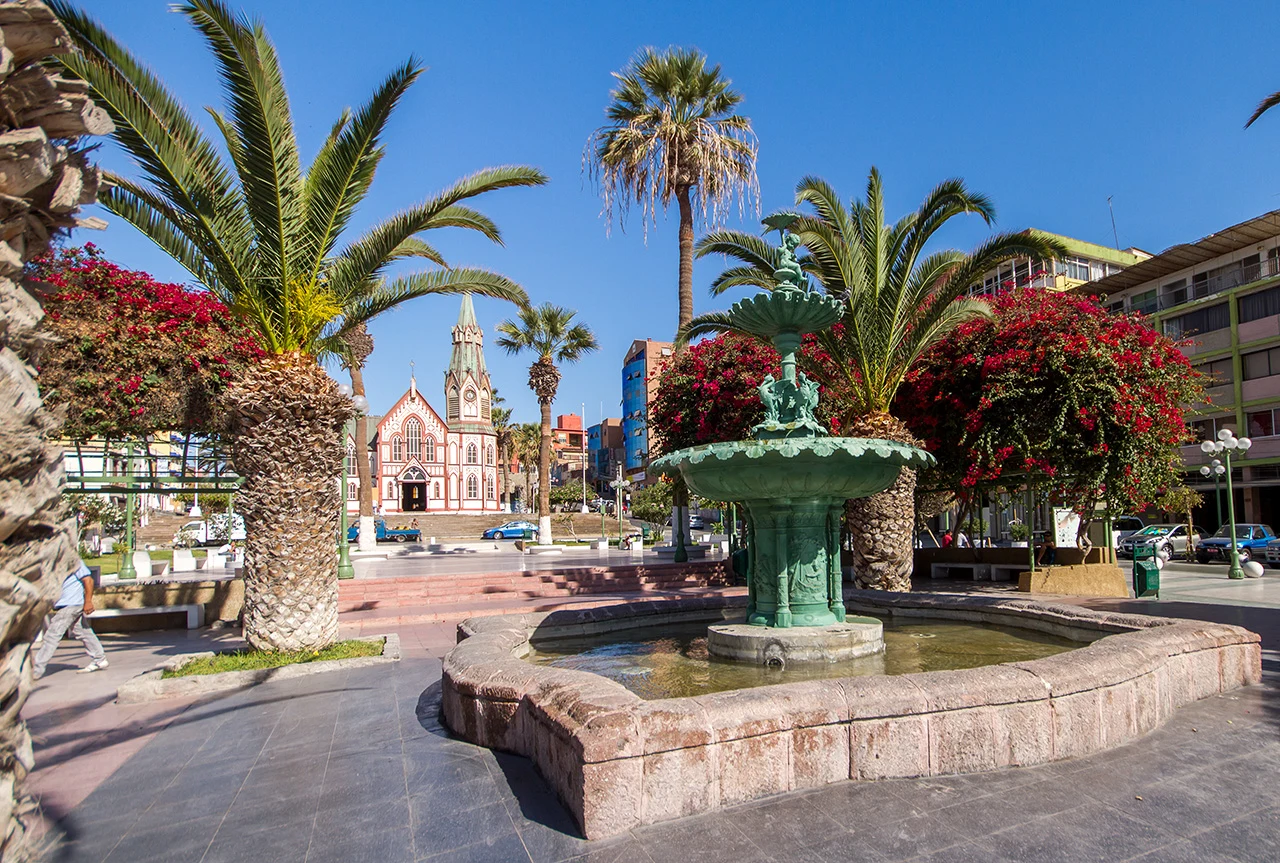
Chinchorro culture is best understood by distinguishing what can be viewed in a museum from what must be protected in the landscape. Arica makes it possible to do both without turning ancient cemeteries into photo stops: the Colón 10 Site Museum and the San Miguel de Azapa Archaeological Museum provide context for a funerary tradition developed by fishing communities along the desert coast; nearby archaeological components remind us that this knowledge comes from living, protected landscapes.
The best plan is not to chase every point on the map, but to spend time with the collections, walk through the city centre and around the Morro with care, and then decide whether an outing to Camarones genuinely fits your itinerary and current access conditions.
Start by distinguishing three places, not one attraction
The World Heritage property comprises three components: the Northern Slope of the Morro de Arica, Colón 10 and the Camarones Estuary. The first two are in Arica; the third lies in a rural setting approximately 100 kilometres south. They are not replicas and do not offer the same experience.
Colón 10 is the most direct option for visitors with limited time: it is a site museum in the urban centre, beside the Morro, where the funerary context is interpreted in situ. The Northern Slope of the Morro forms part of the same archaeological landscape, but it should be understood as a conservation area, not a place to wander around looking for visible finds.
Camarones adds a territorial dimension: coast, estuary and environmental conditions connected with the lives of these maritime communities. It is an excursion requiring more logistics and does not replace the museum. If you can choose only one day, prioritise Colón 10 and Azapa; if you have a vehicle or a local operator who can confirm access, Camarones can complete your understanding of the site.
Azapa provides the chronology the landscape does not reveal
The San Miguel de Azapa Archaeological Museum, around 12 kilometres from Arica in the valley, is the stop that turns an impressive visit into an informed one. Its collections cover thousands of years of human occupation in the region and place Chinchorro within a broader history that includes later societies of the Andean area.
Chinchorro’s importance is not limited to the antiquity of artificial mummification. The evidence known today shows funerary practices applied to people of different ages and social conditions. This breadth helps prevent the mummies from being viewed as isolated curiosities: they speak of social ties, care for the dead, material techniques and a sustained relationship with the coast.
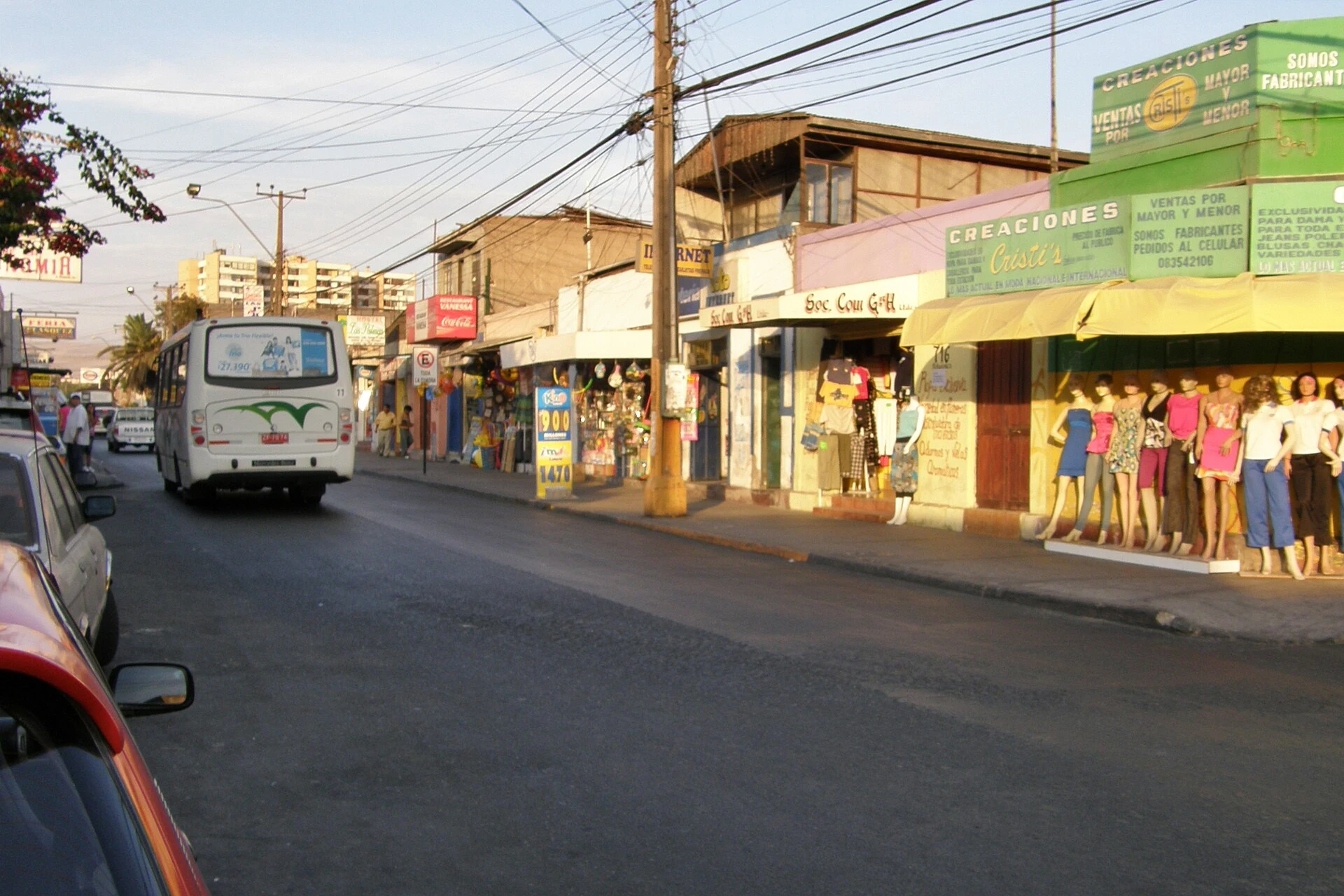
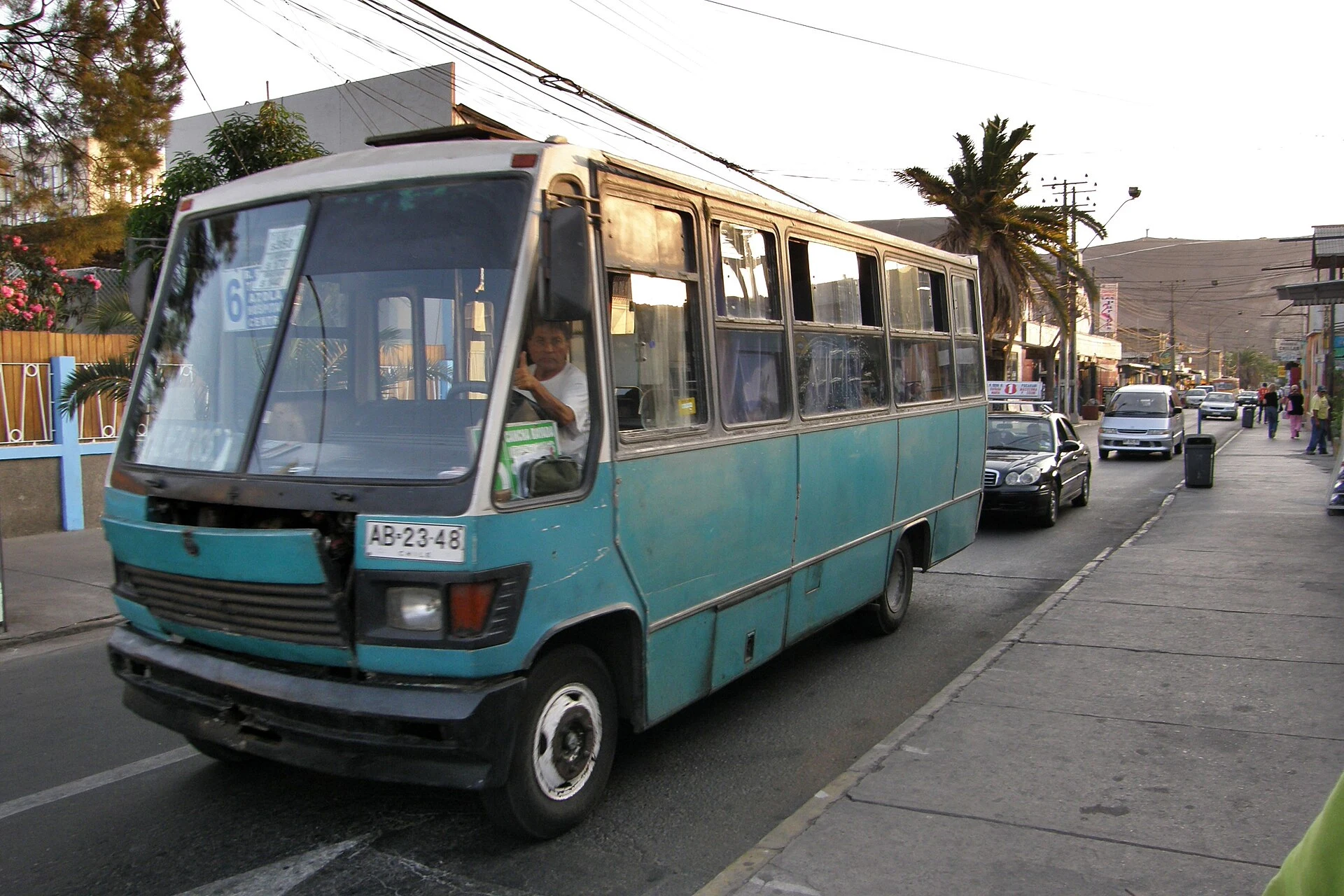
From central Arica, the museum can be reached by local transport, taxi or shared taxi. Confirm before setting out the opening hours, prices, payment methods, available services and accessibility conditions directly with the museum: these details change, and it is unwise to base your day on outdated information.
The Morro calls for two historical readings
Climbing or walking around the Morro de Arica connects the Chinchorro visit with another, much more recent historical layer. Vestiges of pre-Hispanic occupations can be found on its slopes and at its foot; at the summit, monuments and a museum recall the Battle of Arica in 1880, during the War of the Pacific. These are not interchangeable narratives: each belongs to different times, actors and memories.
It is worth setting aside some time to look at the coastal profile before adopting a fixed interpretation of the place. The desert, the sea and seasonal watercourses help explain why the coast supported specialised ways of life for so long. At the same time, the Morro’s military and commemorative complex calls for a respectful approach to a still-sensitive binational memory.
The climb involves uneven ground and exposure to the sun. Bring water, sun protection and sturdy footwear, and do not treat it as a quick errand between museums. If heat or mobility is a concern, Colón 10 and the Azapa museum offer a more concentrated cultural alternative.
A responsible visit leaves some things off the itinerary
Chinchorro archaeological sites are legally protected. This means that you must not excavate, remove materials or enter restricted areas in search of a more exclusive experience. Bone remains, shells, fragments and concentrations of sediment are part of the archaeological record even when they do not look like museum objects.
In the galleries, follow conservation rules: do not use flash where it is prohibited, respect the required distances and do not turn human remains into images for quick consumption. Outside the museums, stay on authorised routes and check whether a local or community guide is licensed for a particular outing. Choosing a rigorous explanation offers more than trying to get closer to fragile contexts.
For a short visit, think in terms of two days: one for Azapa and its museum; another for Colón 10, the Morro area and central Arica. Camarones deserves a separate day only when transport, access and the purpose of the visit are clear.
References to check before travelling
- Chile’s Council of National Monuments: information on the World Heritage site Settlement and Artificial Mummification of the Chinchorro Culture.
- UNESCO World Heritage Centre: inscription and documentation for the Chinchorro property.
- University of Tarapacá: San Miguel de Azapa Archaeological Museum and Colón 10 Site Museum.
- National Heritage Service: virtual tours and information on site conservation.
- Chile Travel: guidance on reaching Arica and travelling to the Azapa Valley.
Before setting out, verify with these organisations opening hours, temporary closures, prices, reservations, photography rules, local transport and access to Camarones.
References consulted during editorial review. Times, requirements and advisories may change: always confirm with the official source.
- https://www.monumentos.gob.cl/monumentos/monumentos-historicos/morro-de-arica www.monumentos.gob.cl
- https://www.monumentos.gob.cl/patrimonio-mundial/actual/asentamiento-y-momificacion-artificial-de-la-cultura-chinchorro www.monumentos.gob.cl
- https://chile.travel/destinos/arica/ chile.travel
- https://patrimonioculturalchinchorro.uta.cl/inicio/ patrimonioculturalchinchorro.uta.cl
- https://www.monumentos.gob.cl/sites/default/files/2024-12/Chinchorro_Apuntes.pdf www.monumentos.gob.cl
- https://whc.unesco.org/en/list/1634 whc.unesco.org
- https://www.monumentos.gob.cl/monumentos www.monumentos.gob.cl
- https://www.monumentos.gob.cl/monumentos/monumentos-historicos/yacimientos-arqueologicos-y-paleontologicos-del-departamento-de www.monumentos.gob.cl
- Chile WikidataCC0 1.0 Wikidata · Q298
- chile WikidataCC0 1.0 Wikidata · Q165199
- Chile WikidataCC0 1.0 Wikidata · Q37446942
- Chile World Countries — mledozeODbL 1.0 World countries dataset by mledoze and contributors · ODbL 1.0
- Chile World Bank Open DataCC BY 4.0 World Bank
- Chile DBpediaCC BY-SA 3.0 DBpedia
- LOS CONFLICTOS ETNOAMBIENTALES DE "PAMPA COLORADA" Y "EL TATIO" EN EL SALAR DE ATACAMA, NORTE DE CHILE: PROCESOS ÉTNICOS EN UN CONTEXTO MINERO Y TURÍSTICO TRANSNACIONAL OpenAlexCC0 1.0 OpenAlex
- Frontmatter CrossrefMetadatos públicos; derechos específicos por campo cuando correspondan Crossref
- Índice CrossrefMetadatos públicos; derechos específicos por campo cuando correspondan Crossref
- Presentación CrossrefMetadatos públicos; derechos específicos por campo cuando correspondan Crossref
- Desafíos de futuro de la Educación Superior en Chile CrossrefMetadatos públicos; derechos específicos por campo cuando correspondan Crossref
- Yáñez Andrade, Juan Carlos (coord.). Conozca Chile. Una historia del turismo nacional, 1850-1975 CrossrefMetadatos públicos; derechos específicos por campo cuando correspondan Crossref
- Breve panorama del microrrelato en Chile. Los narradores actuales CrossrefMetadatos públicos; derechos específicos por campo cuando correspondan Crossref
- Juan Carlos Yáñez (coord.), Conozca Chile. Una historia del turismo nacional, 1850-1975. Santiago de Chile: RIL editores, 2023, 300 pp. CrossrefMetadatos públicos; derechos específicos por campo cuando correspondan Crossref
- Arica GeoNamesDatos geográficos bajo CC BY 4.0; requiere atribución a GeoNames. Fuente: GeoNames
- Arica, Provincia de Arica, Arica y Parinacota Region, Chile OpenStreetMapODbL 1.0; atribución y obligación de compartir bases derivadas. Fuente: OpenStreetMap
- Morro de Arica, Arica, Provincia de Arica, Arica y Parinacota Region, 1000224, Chile OpenStreetMapODbL 1.0; atribución y obligación de compartir bases derivadas. Fuente: OpenStreetMap
- Morro de Arica, Arica, Provincia de Arica, Arica y Parinacota Region, 1000434, Chile OpenStreetMapODbL 1.0; atribución y obligación de compartir bases derivadas. Fuente: OpenStreetMap
- Chacalluta Airport OpenFlightsODbL 1.0 (base de datos) / DbCL 1.0 (contenidos) Chacalluta Airport · OpenFlights · ODbL 1.0