Banjul, English and the dalasi: getting your bearings in The Gambia
A first look at The Gambia: where it is, its capital, and the language and currency listed in the available information.
Read guide →Republic of the Gambia
All articles about the country, including other pages. Select a point to discover its guides.
If the map does not load, all guides remain available in this list.
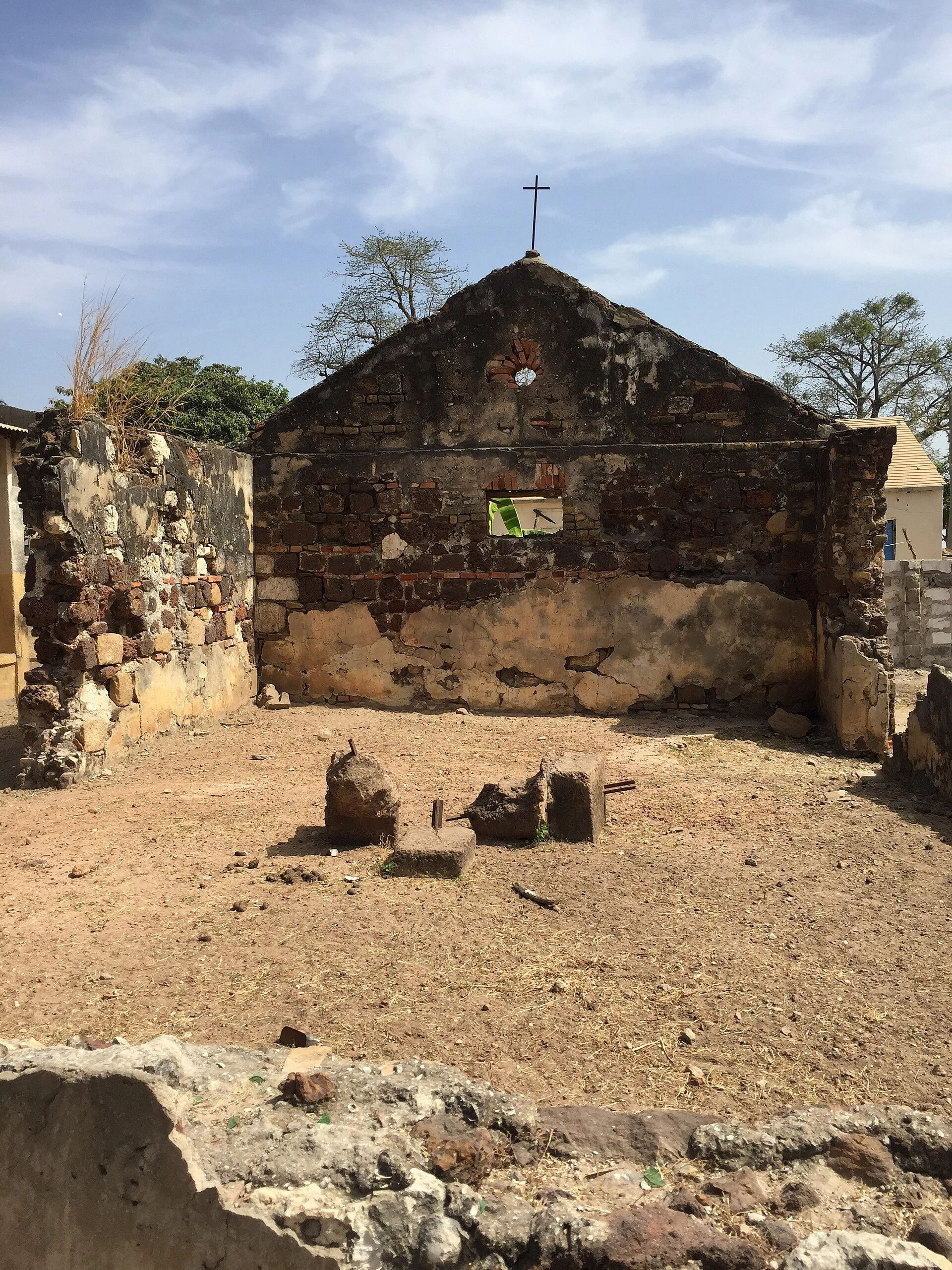
Albreda, on the north bank of the Gambia River, has buildings and remains linked to European trade. These include the former CFAO building and the remains of a Portuguese chapel.
Explore the place →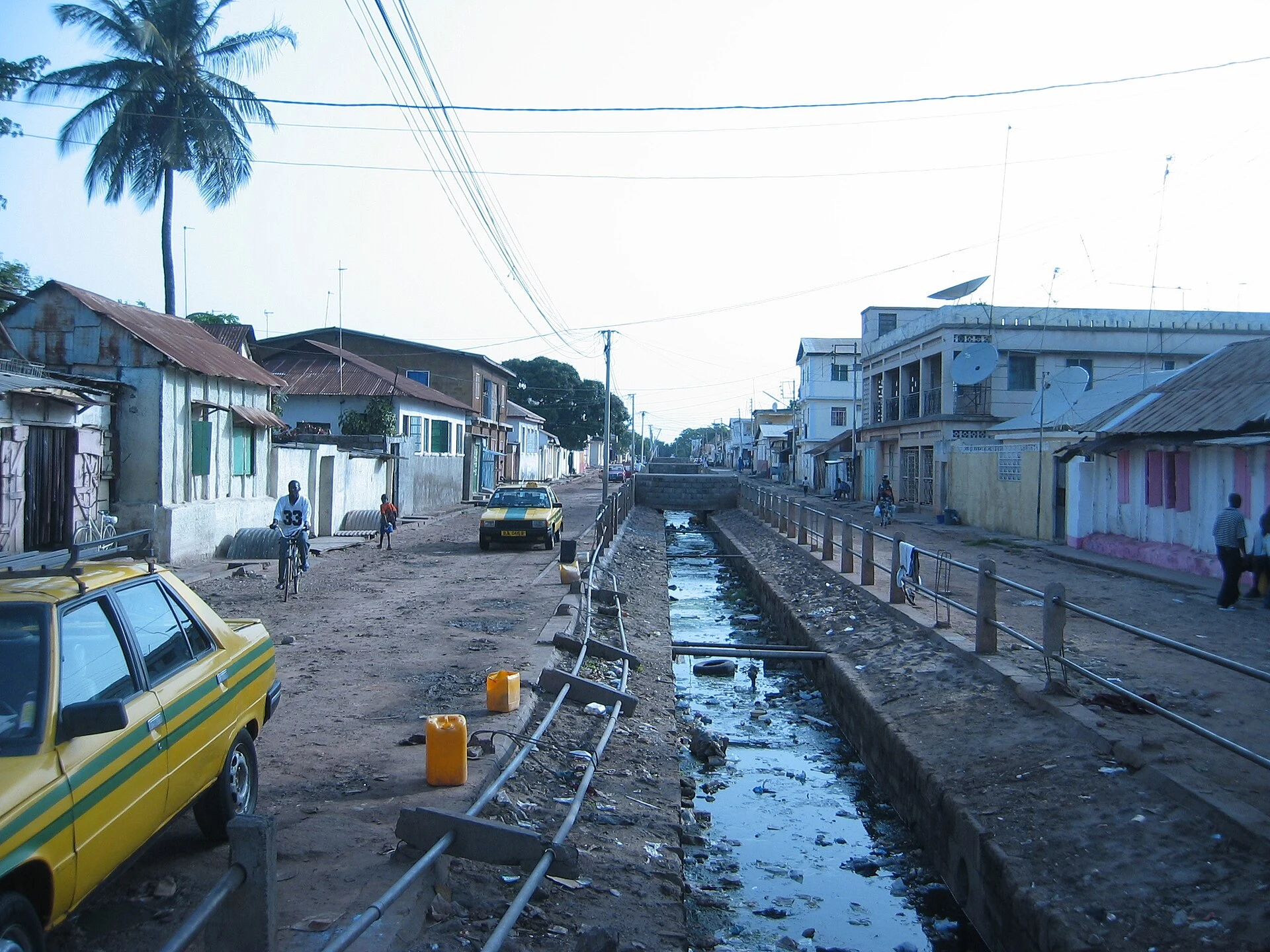
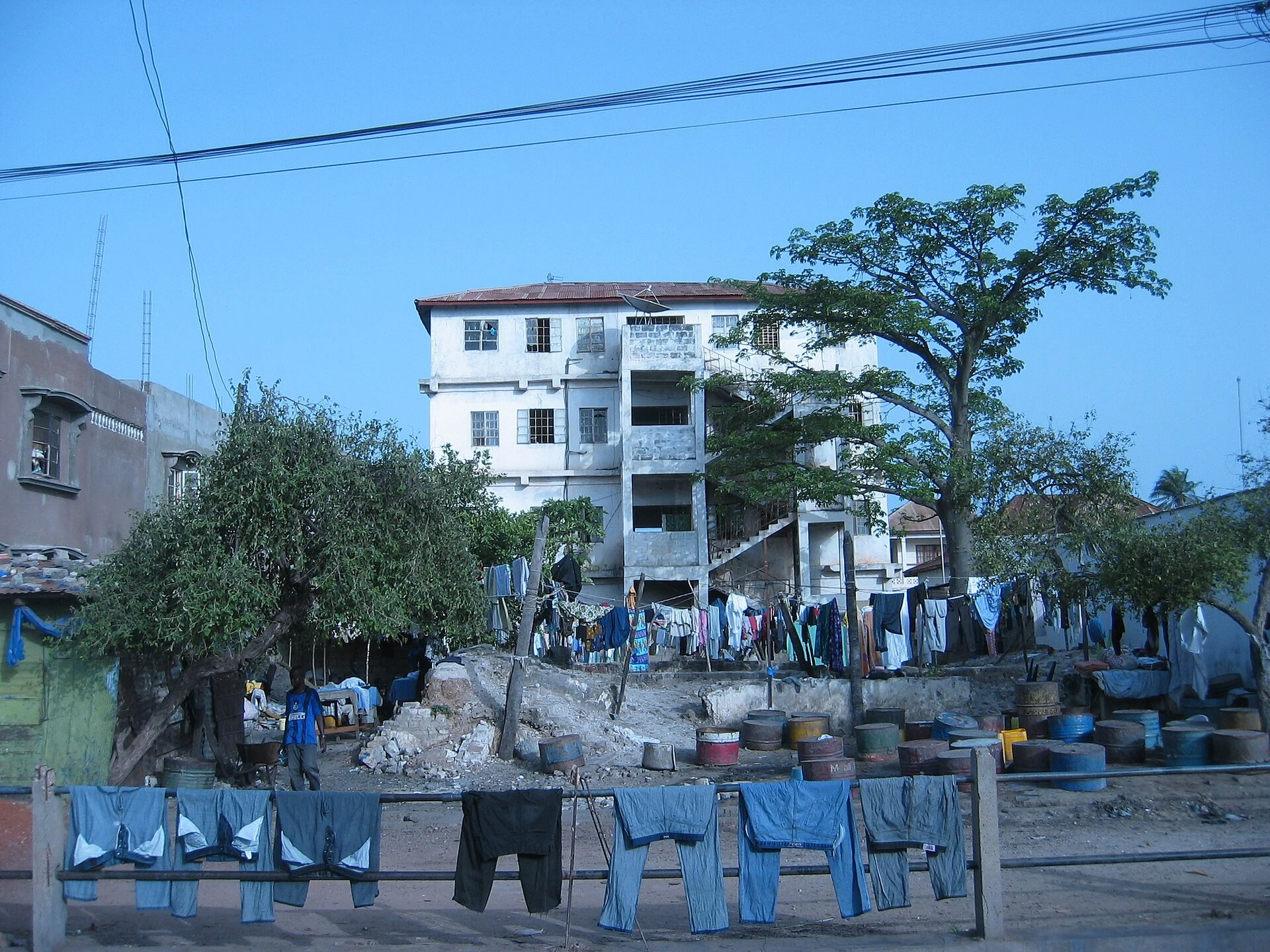
Banjul, the capital of The Gambia, is home to the Six-Gun Battery, part of a historic ensemble linked to the river. The battery is in an institutional setting and is best treated as a complementary visit whose accessibility should be confirmed.
Explore the place →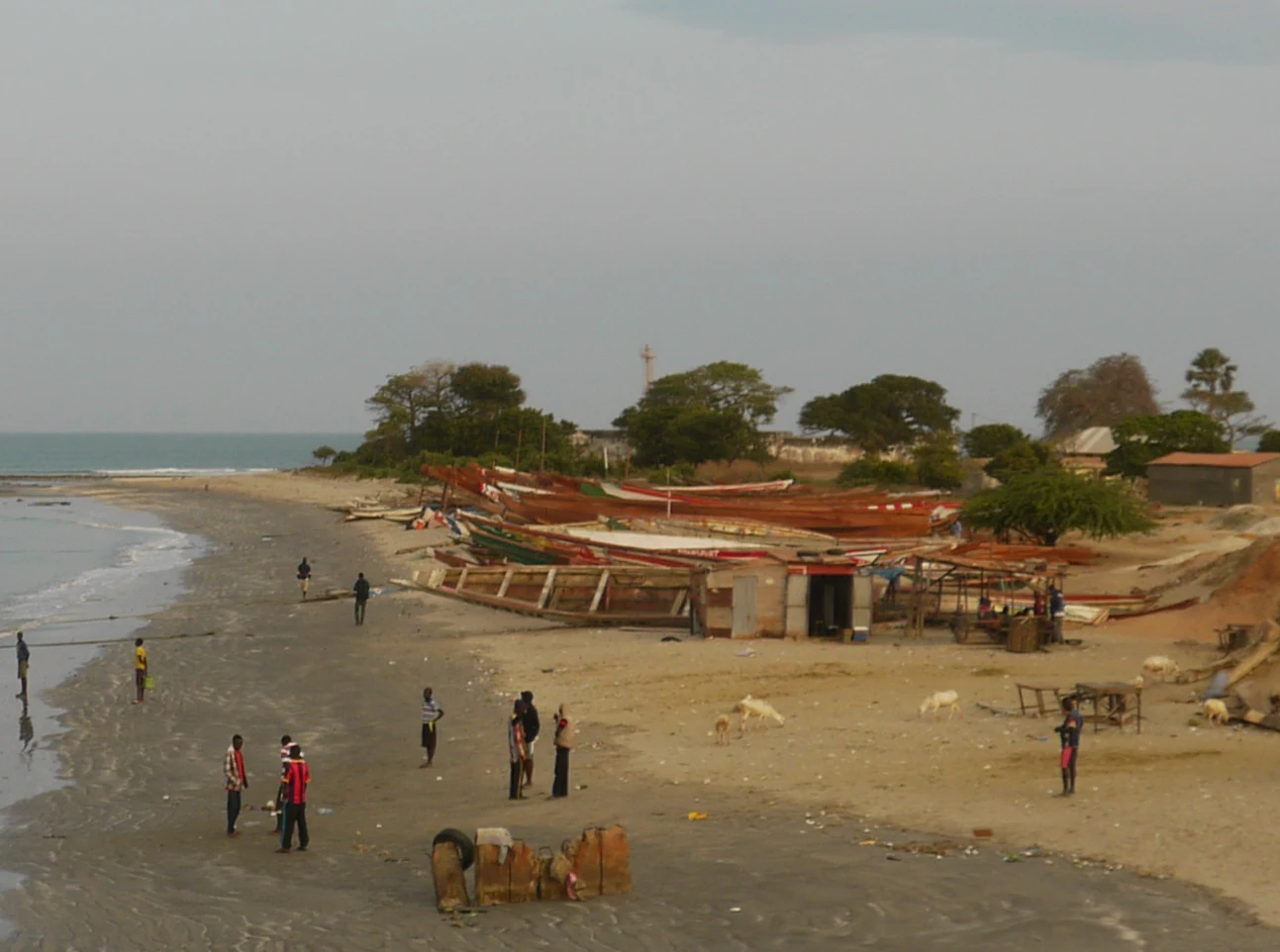
Fort Bullen in Barra was built in 1826, after Britain abolished the slave trade in 1807. Its military positions at the river mouth were intended to intercept the slave trade, offering a different perspective on the river’s history.
Explore the place →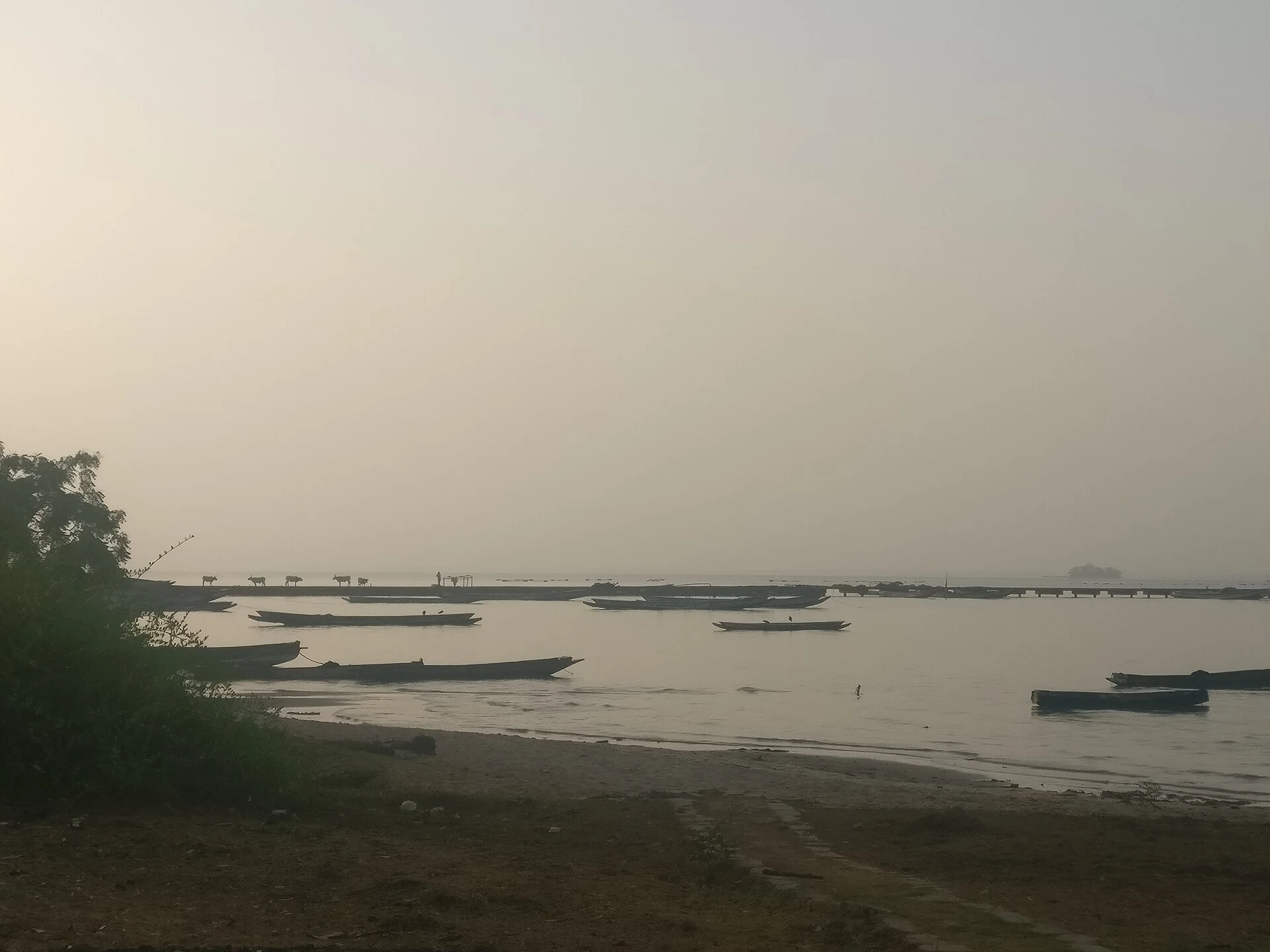
The Gambia River was a route for trade, violence, displacement and cultural contact. Its history helps explain the connections between riverside communities and places along its course.
Explore the place →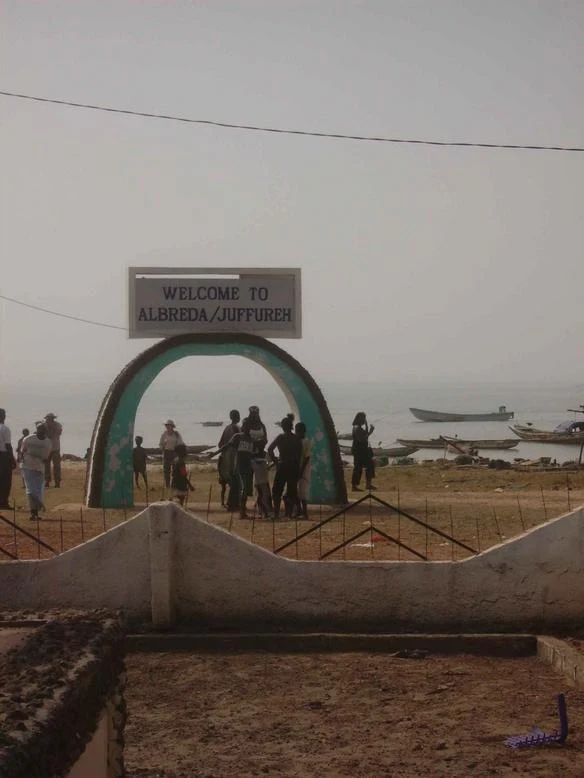
Juffureh is a living community on the north bank of the Gambia River, known internationally through Roots and connected to a broader history of local and diasporic memory.
Explore the place →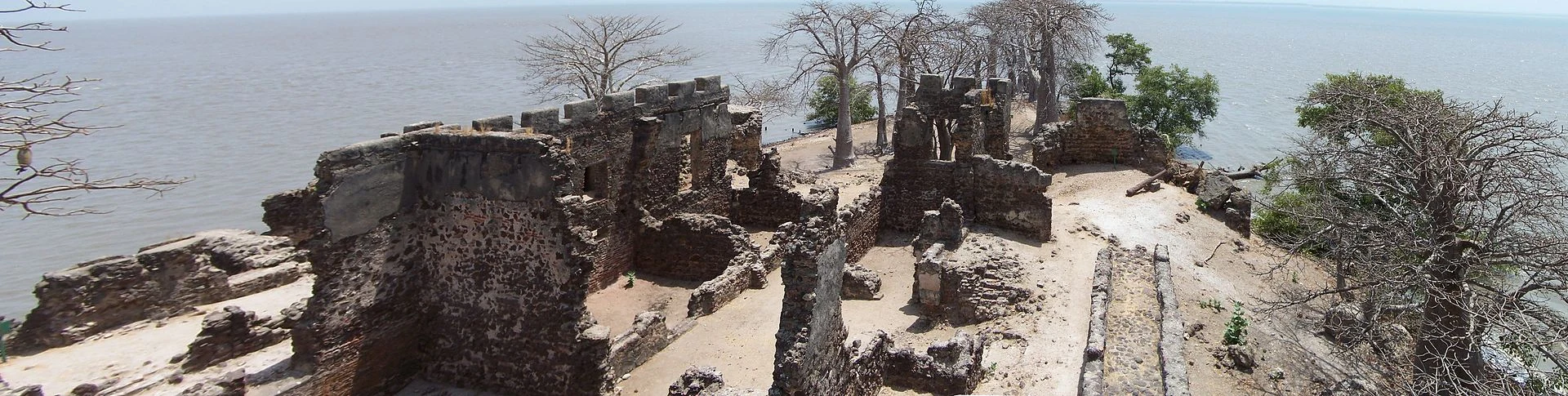
Kunta Kinteh Island preserves the ruins of a fort beside the Gambia River. Its history is best understood in relation to the riverside settlements and the networks of trade, control and displacement that connected them.
Explore the place →Six-Gun Battery in Banjul forms part of a historic ensemble connected with the Gambia River and the history of the transatlantic slave trade. Built in 1816, it complements the story of Fort Bullen and is best understood within the wider historic landscape.
Explore the place →