The Gambia · history and memory
Kunta Kinteh Island, Albreda and Juffureh beside the Gambia River
A visit to Kunta Kinteh Island becomes more meaningful when experienced as a whole: island, riverside villages and forts that tell the story of trade, slavery, abolition and the diaspora.
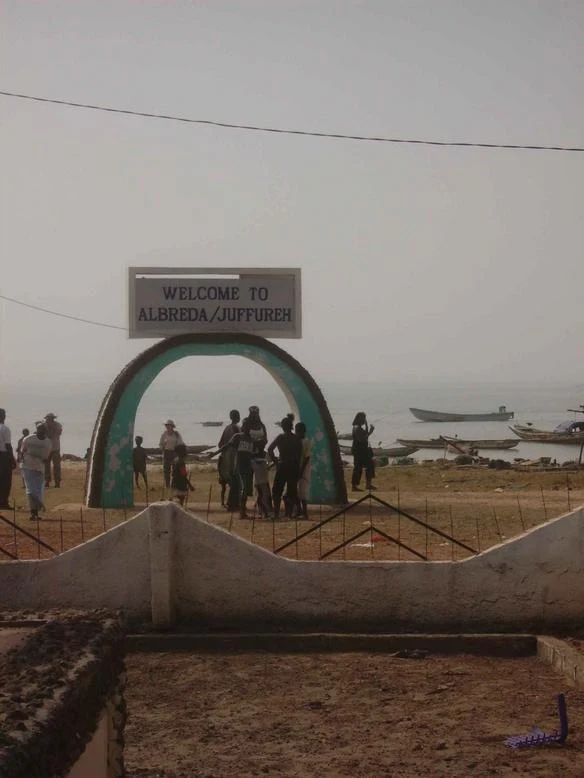
Kunta Kinteh Island is not a place to tick off a list, nor a ruin that explains itself. It is the centrepiece of a historic area on the Gambia River where the memory of the transatlantic slave trade coexists with inhabited villages, fragile remains and diaspora narratives. Allowing enough time makes it possible to visit more than one bank and avoid reducing the experience to a boat trip.
An island within a larger historic landscape
The inscribed site comprises Kunta Kinteh Island, Albreda, Juffureh, San Domingo, Fort Bullen and the Six-Gun Battery in Banjul. The point of the visit is not to see isolated buildings: it follows the river as a route of exchange, control and movement between the fifteenth and twentieth centuries.
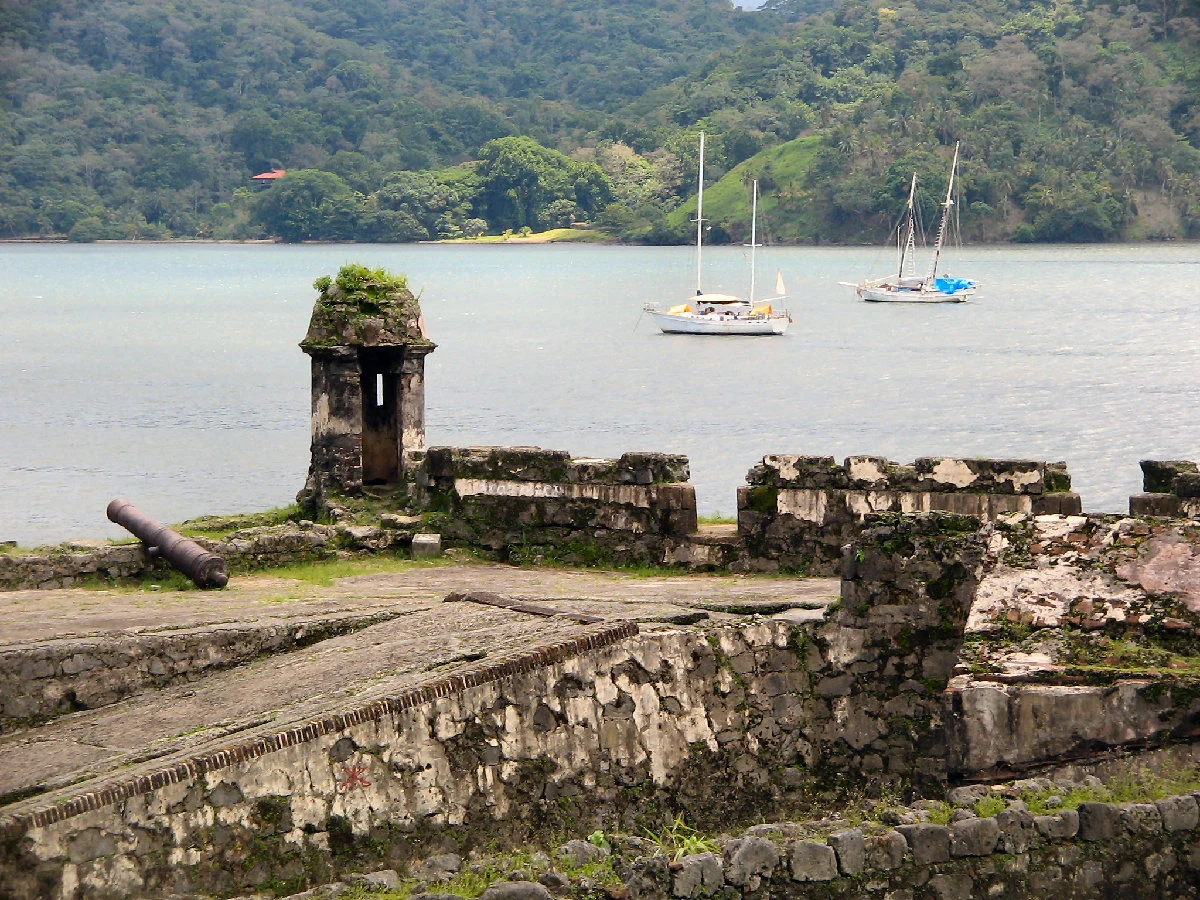
The island still contains the ruins of the fort that controlled river traffic. On the north bank, Albreda preserves the building of the former CFAO trading company and the remains of a Portuguese chapel; Juffureh forms part of a living landscape associated internationally with Alex Haley’s Roots. San Domingo, whose traces are far less obvious, helps explain that the enclave was also an area of Luso-African commercial mediation.
It is worth arriving with a broad question: what power relationships did the river make possible? This keeps the visit from being limited to a single personal story or the image of a ruined fortress.
The most coherent itinerary starts on the mainland
Set aside most of the day for Albreda and Juffureh before or after taking the boat. The two settlements and nearby remains are only short distances apart on foot, but the value lies in taking time to read the available panels, listen to the local explanation and distinguish documented facts from oral traditions.
The island is a brief stop because of its size and the fragility of its structures. Boarding arrangements, the condition of the landing stage, river conditions and access to the site may change; confirm the service, visiting hours and who operates the transfer on the same day. Do not base your plans on announced works: in 2026, erosion-protection measures and landing-stage improvements were still under assessment.
Bring water, sun protection and sturdy footwear. Not because it is a demanding walk, but because the ground at a ruin and the act of boarding may require care, especially after rain.
Fort Bullen adds the chapter of abolition
Fort Bullen, at Barra, completes the story from a different point in time. It was built in 1826, after the British abolition of the slave trade in 1807, together with the Six-Gun Battery of 1816 on the opposite bank. These military positions sought to intercept the slave trade at the river mouth, a different role from that previously played by forts linked to commercial control farther upstream.
Include it if you will already be in Barra or travelling along the North Bank; there is no need to force every component of the site into a single day. Dividing the visit into two stages—Albreda–Juffureh–island on one occasion and Fort Bullen on another—leaves room to understand the contradictions between slavery, abolition and subsequent colonial rule.
The Six-Gun Battery is in Banjul, within an institutional setting. Treat it as a complementary element whose accessibility should be checked, not as a guaranteed stop.
Transport decisions worth approaching with caution
From The Gambia’s coastal area, an organised excursion can simplify the vehicle, river crossing and conversations with local operators. If you prefer to arrange everything independently, ask in advance for a clear explanation of what the transfer includes, where it starts, how much time is allocated to the villages and whether the boat has life jackets.
The Banjul–Barra ferry connects the two banks, but official notices have pointed to episodes of overcrowding and inadequate safety standards. If your route depends on it, allow extra time and check local operating conditions; the road alternative via the Senegambia Bridge may suit an itinerary that does not want to depend on a particular crossing.
Avoid travelling by road at night, do not display valuables, and calmly agree on the price and scope of any service before it begins. Logistical caution protects both your time and the quality of the visit.
A respectful way to be in a place of memory
This is not a setting in which to recreate other people’s suffering or ask residents to perform a story for the camera. Listen, ask respectfully and accept that family, diaspora, archaeological and institutional narratives may emphasise different aspects of the same landscape.
Buy only crafts or services whose origin and price are clear, ask permission before photographing people, and do not climb onto walls or remove material from the ruins. Erosion particularly affects Kunta Kinteh Island, and several elements of the site require ongoing conservation. Visiting slowly and leaving no physical trace is a concrete contribution.
If the main purpose of your trip is to explore Atlantic history, consider staying nearby or leaving an extra night in the area rather than fitting the visit between long transfers. The site is small in scale; its historical content is not.
References to check before setting out
UNESCO, Kunta Kinteh Island and Related Sites. Consult the official composition of the site, its historical significance, conservation status and the responsibility of the National Centre for Arts and Culture.
The Gambia’s National Centre for Arts and Culture. Review national information about the monuments, Albreda, Juffureh, San Domingo, Fort Bullen and the island’s current name.
The Gambia’s Ministry of Tourism, Arts and Culture. Check for changes affecting landing stages, erosion protection, the museum, interpretation or infrastructure: in August 2026, interventions were still being developed and environmentally assessed.
The United Kingdom and United States official travel advice. Before booking, check current conditions concerning safety, health, roads, flooding and river transport; these details are sensitive to the timing of your trip.
References consulted during editorial review. Times, requirements and advisories may change: always confirm with the official source.
- https://whc.unesco.org/en/list/761 whc.unesco.org
- https://whc.unesco.org/en/list/761/maps/ whc.unesco.org
- https://whc.unesco.org/en/list/761/assistance/ whc.unesco.org
- https://travel.state.gov/en/international-travel/travel-advisories/the-gambia.html travel.state.gov
- https://whc.unesco.org/document/217225 whc.unesco.org
- https://whc.unesco.org/en/statesparties/gm whc.unesco.org
- https://travel.state.gov/en/international-travel/travel-advisories.html travel.state.gov
- https://whc.unesco.org/en/list/761/documents whc.unesco.org