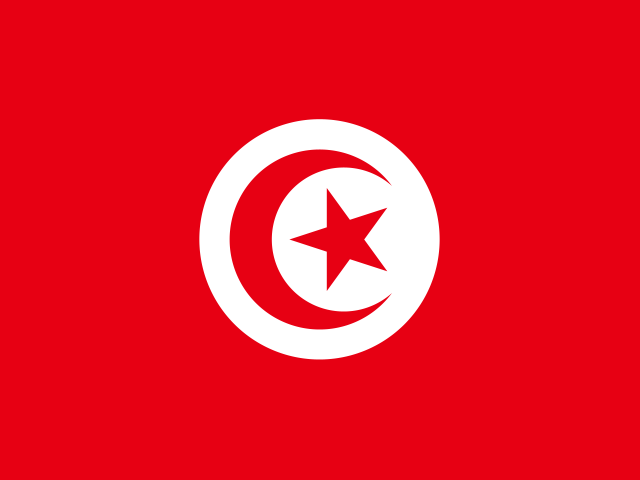
Tunisia: its capital, Arabic and the Tunisian dinar
A starting point for locating Tunisia and distinguishing national facts from details that still need checking before you travel.
Read guide →Tunisian Republic
All articles about the country, including other pages. Select a point to discover its guides.
If the map does not load, all guides remain available in this list.
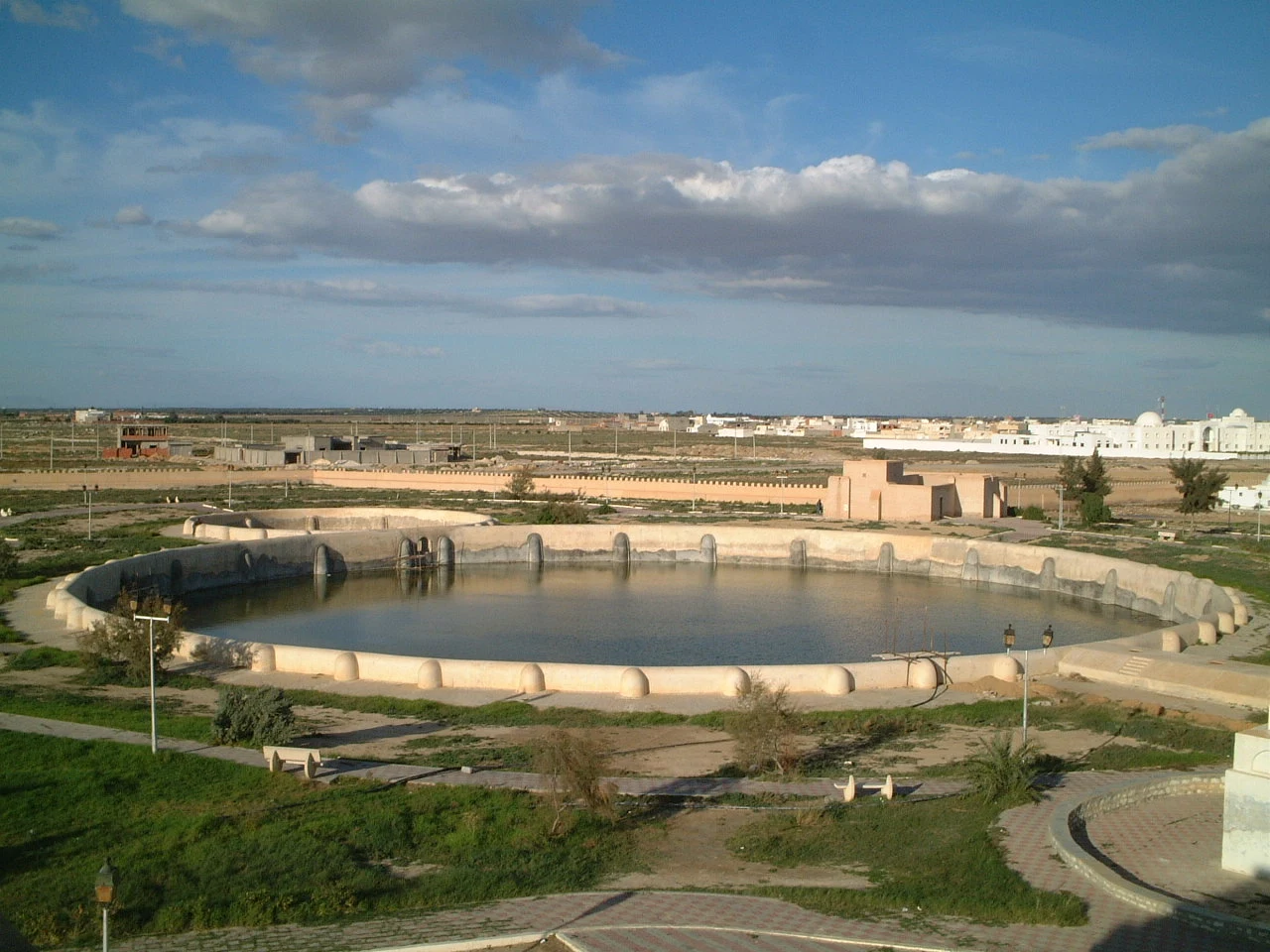
The Aghlabid Basins are two interconnected ninth-century cisterns built to supply Kairouan. Their broad scale reveals the hydraulic engineering and urban administration required by an inland capital.
Explore the place →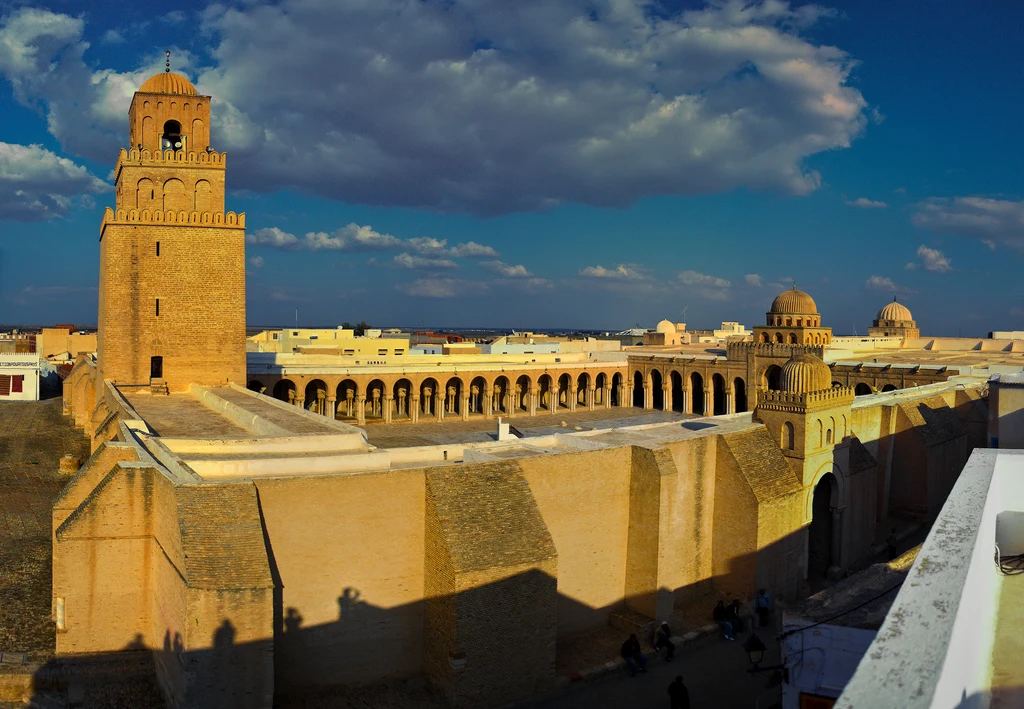
The Great Mosque of Uqba ibn Nafi offers a historical reading of Kairouan through its courtyard, minaret, hypostyle hall and columns. It remains an active religious space, so visitors should dress respectfully, act discreetly and adapt to changing access conditions.
Explore the place →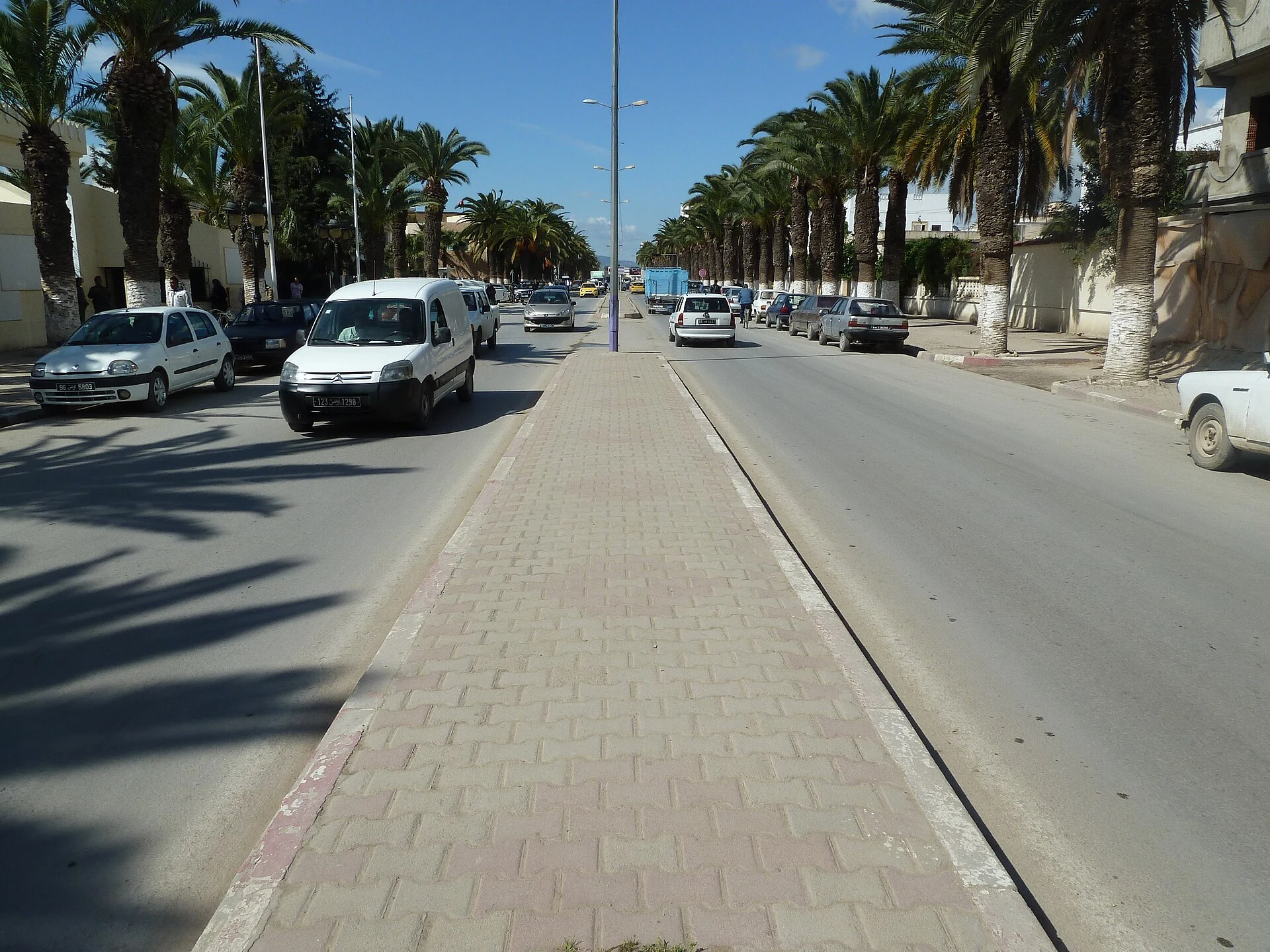
Jendouba is the practical reference point for planning a visit to Bulla Regia, an ancient city linked to Tunisia’s northwestern archaeological corridor. Plan the return journey carefully and confirm available services before setting out.
Explore the place →
Kairouan unfolds through mosques, historic cisterns and medina streets. A balanced day combines religious architecture with Aghlabid water management and craft workshops, while adapting the order to that day’s access and construction conditions.
Explore the place →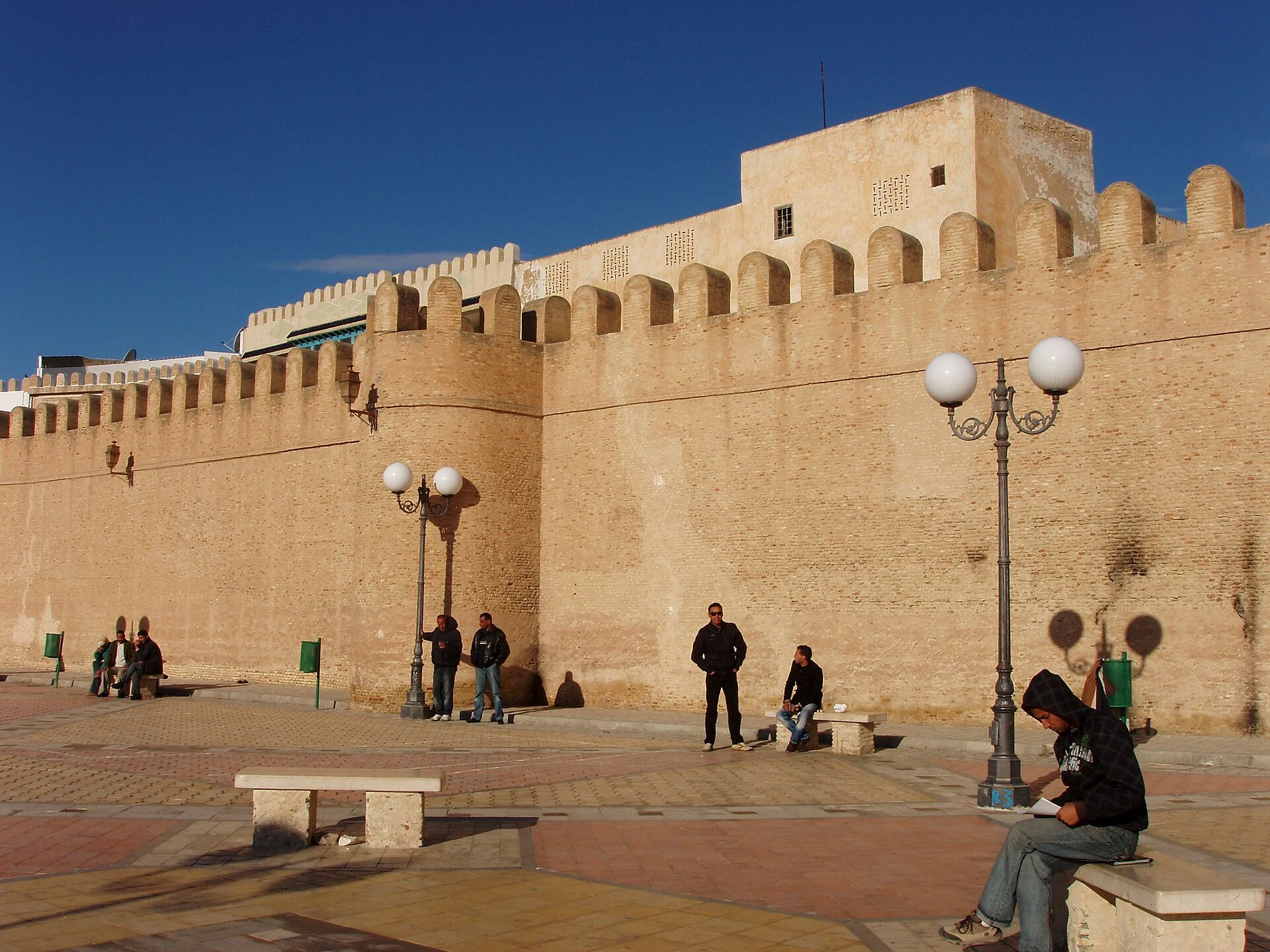
Kairouan’s medina is a lived urban fabric of winding streets, workshops and religious architecture. Its character emerges through a slow walk that connects everyday residential life with the city’s historic water management, while allowing for variable access and ongoing works.
Explore the place →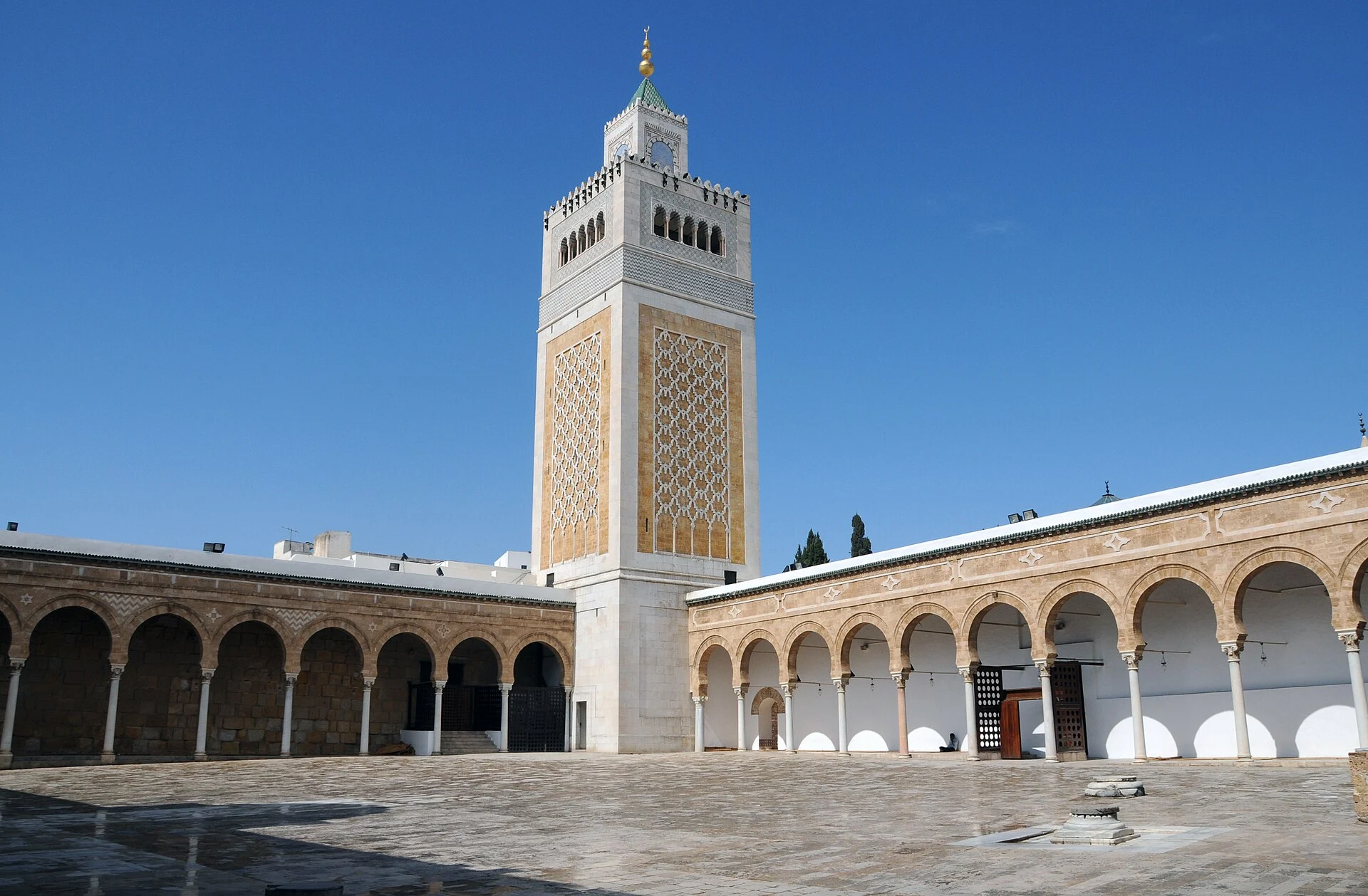
Tunis is the capital of Tunisia, a country in North Africa. The available information identifies it as the capital but does not confirm opening times, attractions or transport options.
Explore the place →