Madagascar · Central Highlands
Ambohimanga Royal Hill and the Living Landscape near Antananarivo
A slow visit to the Royal Hill of Ambohimanga helps explain why an enclosure of palaces, tombs, forest and ritual calls for more than a quick photo stop.
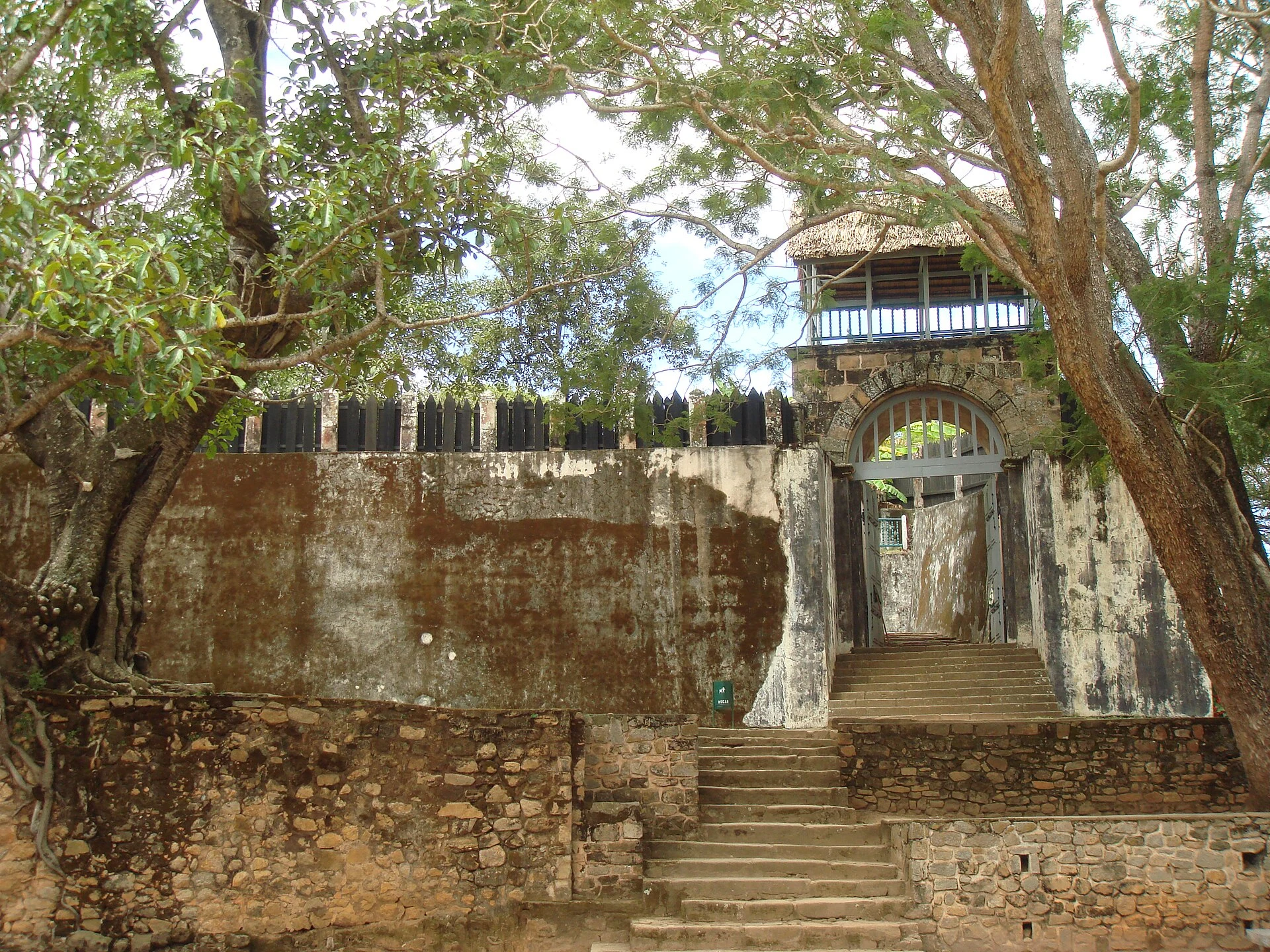
North of Antananarivo, Ambohimanga brings together a fortified royal city, sovereigns’ burial sites, water, forest and places of worship on a single hill. Its importance does not lie in accumulating rooms: it is a living cultural landscape connected to memory, prayer and Malagasy identity. Visit it as a place with continuing significance, not as a historical backdrop, and allow enough time for the journey and context so they are not reduced to a rushed excursion.
A hill where power was organized through the landscape
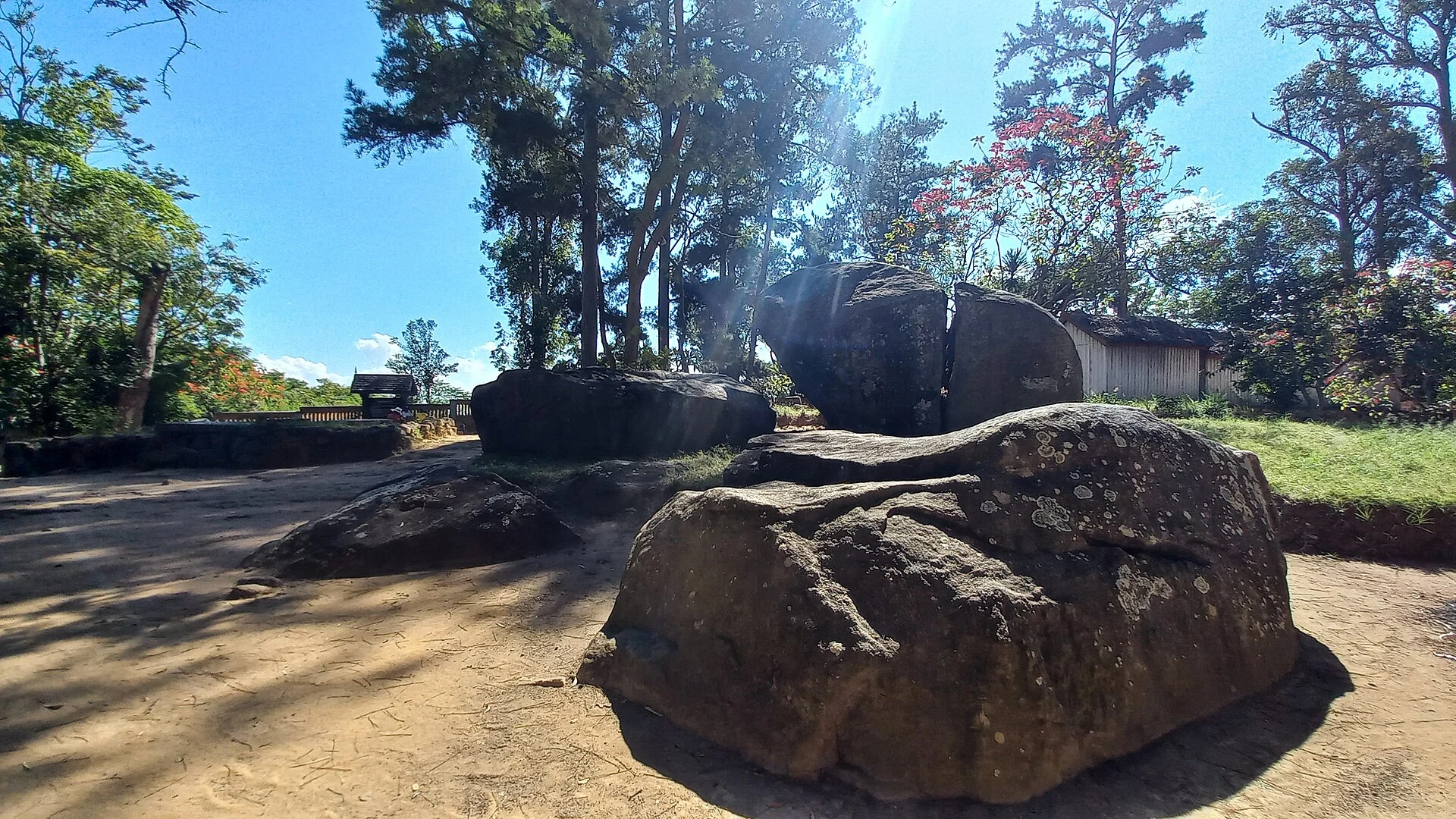
The heart of the visit is the rova, the royal enclosure at the summit. Here you can see palaces, royal tombs, the public square of Fidasiana, trees and sacred ponds, as well as the defenses that controlled access. The most useful way to read the site is to focus on the relationships between these elements: height, gateways, ditches and ceremonial spaces expressed a specific political organization, not merely an architectural preference.
Ambohimanga was a central reference point in the highlands between the sixteenth and nineteenth centuries and still has a spiritual function for many Malagasy people. That is why the remaining forest and water sources are not dispensable scenery: they are part of the whole. Before taking photographs or entering an area identified by staff, take a moment to observe the rhythm of the place and follow the instructions given that day.
Plan a half-day with genuine flexibility
The regional tourism office places Ambohimanga approximately one hour from Antananarivo, but traffic and road conditions can change that estimate. Do not schedule it between a flight and another fixed-time commitment: leave early, allow a full morning or afternoon, and arrange both the outward journey and the return in advance.
Information published by the destination indicates daily daytime opening, but opening hours, entry conditions, guide services and possible closures are changeable. Confirm them directly with the site’s management before setting out; do not base your decision on prices or calendars found in old guidebooks. If you need step-free routes, adapted toilets, frequent seating or assistance with changes in level, ask specifically for that information: the public documentation consulted does not make it possible to guarantee universal accessibility.
Try to return to Antananarivo while it is still light. Current consular advisories for Madagascar recommend increased caution because of crime and advise against travelling at night, a practical consideration even for a short outing from the capital.
Practical respect: ask rather than assume
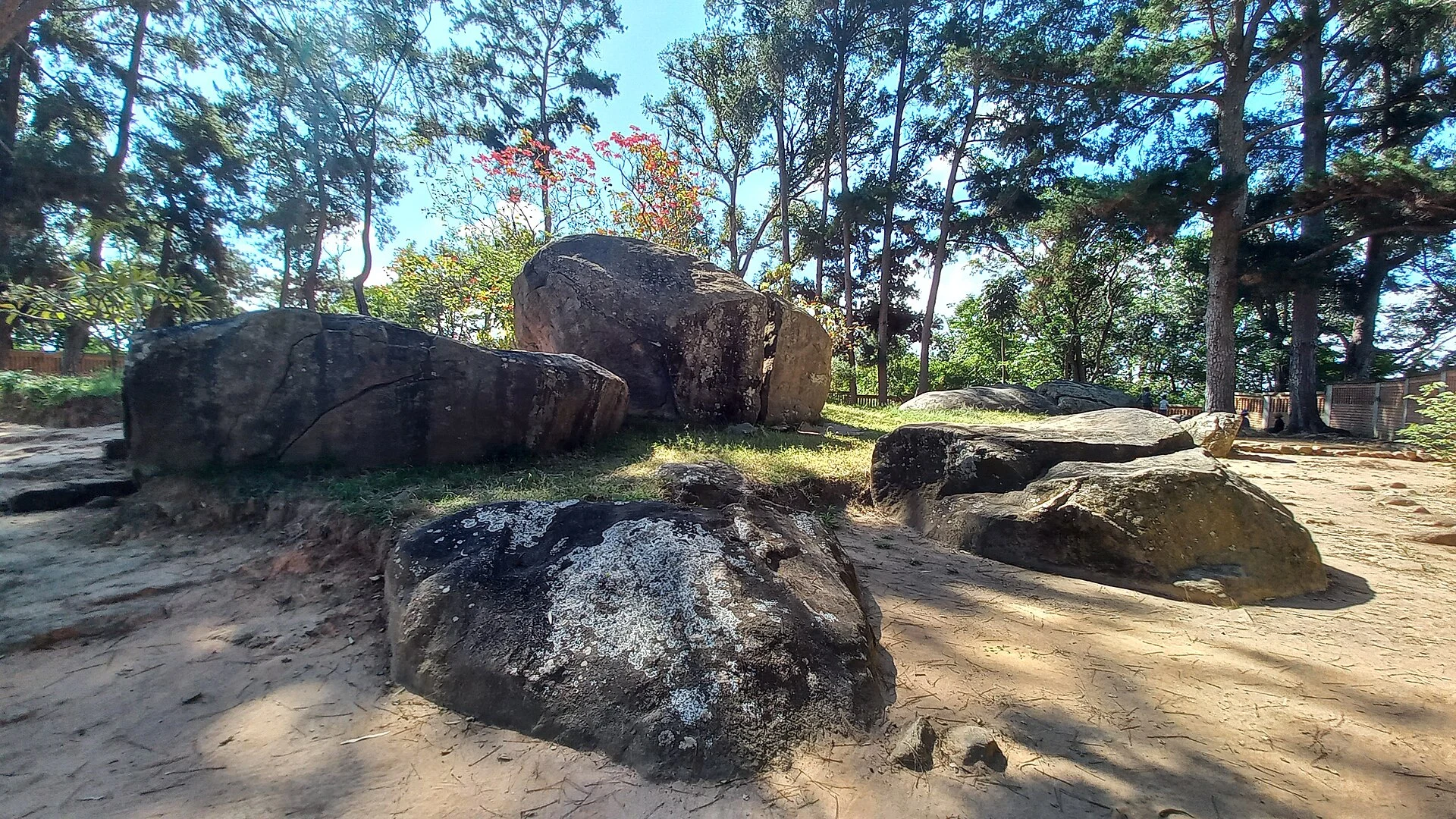
In Madagascar, fady—traditional prohibitions or rules—can vary from one community and place to another. On a hill still used for ritual purposes, the simplest rule is this: ask your guide or the staff what guidelines apply to the visit and accept them without arguing or turning them into a social-media anecdote.
Wear discreet clothing, avoid noisy behaviour in places of worship and ask permission before photographing people. It is also worth distinguishing between two gestures that are often confused: photographing buildings and taking part in a spiritual practice are not equivalent. Maintaining that respectful distance makes the visit more attentive and reduces pressure on a site that still matters to pilgrims and local communities.
What it adds beyond a visit limited to Antananarivo
Ambohimanga works particularly well at the beginning of a trip around Madagascar because it offers keys to interpreting the central highlands: the relationship between authority, kinship, ancestors and territory; the importance of fortified hills; and the symbolic value of royal enclosures. Afterwards, Antananarivo’s museums and upper neighbourhoods can be viewed within a more precise historical framework.
The trade-off is clear: visitors looking for an extensive museum collection, comprehensive captions in several languages or a completely self-guided experience may leave with unanswered questions. For them, it is worth hiring an available local guide or preparing a basic historical reading before arriving. The reward is not a spectacular experience in a short space of time, but a firmer understanding of why this place retains ceremonial and national significance.
References to check before travelling
UNESCO, Royal Hill of Ambohimanga. Historical context, components of the cultural landscape, ritual character and heritage protection.
Analamanga Regional Tourism Office. Published information on the location, indicative opening hours and contact details for the management of Ambohimanga Rova. Verify any practical information before travelling.
United States Department of State and Australia’s Smartraveller. Current advice on safety, night travel and respect for local customs; consult the recommendation applicable to your nationality shortly before the trip.
References consulted during editorial review. Times, requirements and advisories may change: always confirm with the official source.
- https://whc.unesco.org/en/list/950 whc.unesco.org
- https://whc.unesco.org/en/statesparties/mg whc.unesco.org
- https://madagascar-tourisme.com/wp-content/uploads/2024/09/Catalog-FAMTRIP-November-2024.pdf madagascar-tourisme.com
- https://whc.unesco.org/en/list/950/documents/ whc.unesco.org
- https://whc.unesco.org/document/1118 whc.unesco.org
- https://whc.unesco.org/document/221110 whc.unesco.org
- https://madagascar-tourisme.com/wp-content/uploads/2024/09/Catalogue-EDUCTOUR-Octobre-2024-VA-v05.pdf madagascar-tourisme.com
- https://whc.unesco.org/document/137881 whc.unesco.org
- Madagascar WikidataCC0 1.0 Wikidata · Q1019
- Madagascar WikidataCC0 1.0 Wikidata · Q174555
- Madagascar WikidataCC0 1.0 Wikidata · Q3496405
- Madagascar WikidataCC0 1.0 Wikidata · Q2261392
- Madagascar WikidataCC0 1.0 Wikidata · Q7463928
- Madagascar WikidataCC0 1.0 Wikidata · Q3234726
- Madagascar World Countries — mledozeODbL 1.0 World countries dataset by mledoze and contributors · ODbL 1.0
- Madagascar World Bank Open DataCC BY 4.0 World Bank
- Madagascar DBpediaCC BY-SA 3.0 DBpedia
- Antananarivo GeoNamesDatos geográficos bajo CC BY 4.0; requiere atribución a GeoNames. Fuente: GeoNames
- Antananarivo, Analamanga, Province d’Antananarivo, 101, Madagascar OpenStreetMapODbL 1.0; atribución y obligación de compartir bases derivadas. Fuente: OpenStreetMap
- Ivato Airport OpenFlightsODbL 1.0 (base de datos) / DbCL 1.0 (contenidos) Ivato Airport · OpenFlights · ODbL 1.0