Northwestern Bulgaria
Belogradchik and Magura: Fortress, Rock and Cave Art
A well-planned day in Belogradchik combines Kaleto Fortress, the protected rock formations and Magura Cave, near Rabisha.
Conditions described in the guide: confirm current requirements and access with the official source before travelling.
Belogradchik works best as an excursion built around two complementary stops, rather than a race between viewpoints: Kaleto Fortress shows how the rocks served as a defensive asset, while Magura Cave shifts the focus to an underground landscape with prehistoric art. The decisive factor is mobility: to connect both sites comfortably and avoid relying on uncertain connections, it is best to have a car, pre-arranged taxi or organised transfer.
The reward for setting aside a full day is not simply ticking off two attractions, but reading three different periods of the same territory: its geological formation, the military adaptation of the rock and the human traces preserved underground.
Start with Kaleto and leave the cave for the second half of the day
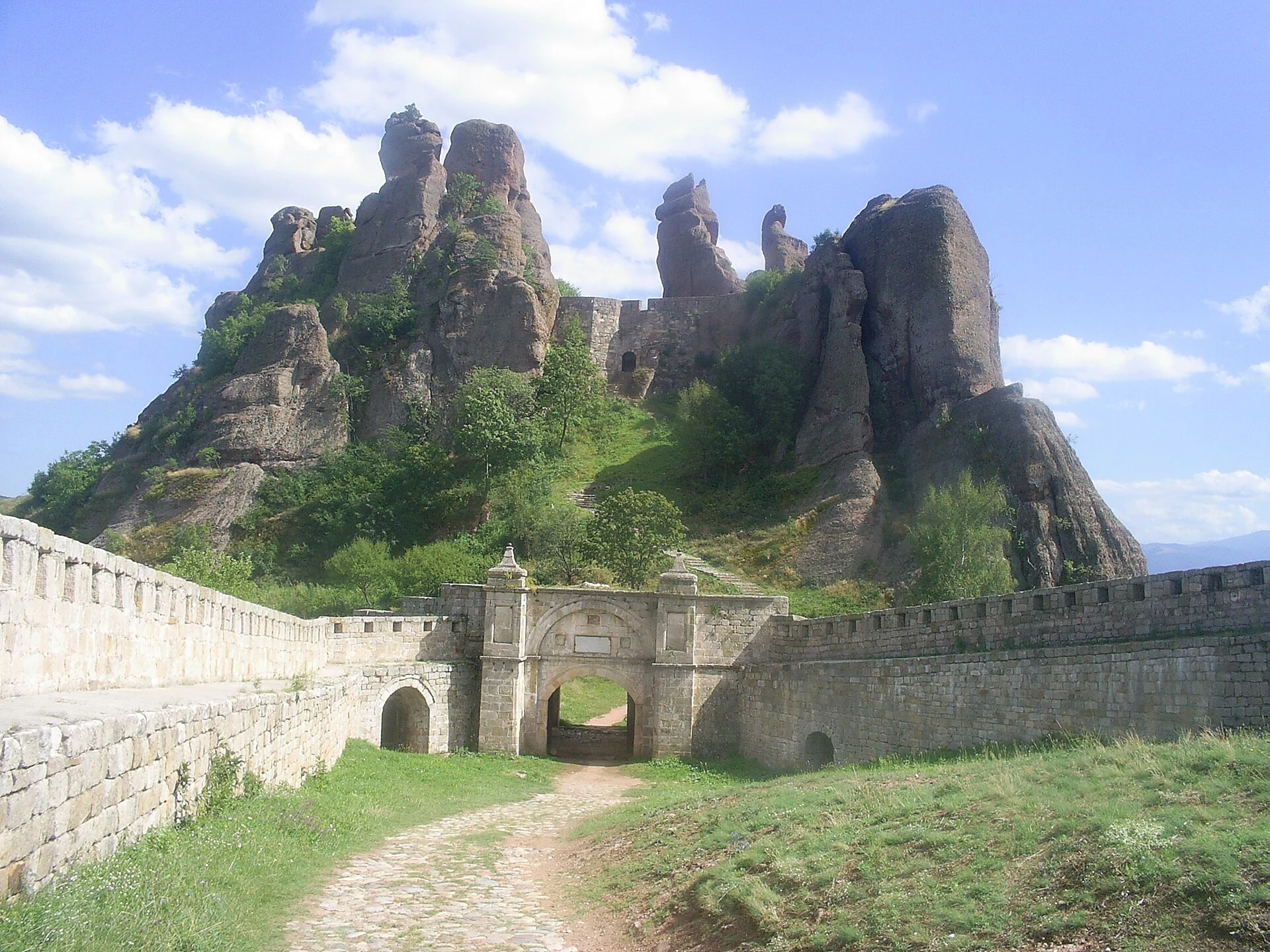
Belogradchik Fortress, known as Kaleto, is integrated into the reddish formations surrounding the town. It is the right place to begin because it brings together the landscape and its defensive history: the enclosure originated in Roman times, was expanded in later periods and was eventually adapted for firearms during Ottoman rule.
Take time to explore the three courtyards and look towards the rock walls, not only at the built structures. The scale of the complex is best understood from within: the crags are not a scenic backdrop, but an active part of the fortification. The local museum publishes guided-tour and audioguide options; these are especially useful if you want to distinguish the different historical phases rather than assign the same date to every structure.
Do not turn the morning into a search for every rock formation with a popular name. Some silhouettes can be recognised from the town or its surroundings, but the more interesting reading lies in the relationship between the terrain, defensive passages and architecture.
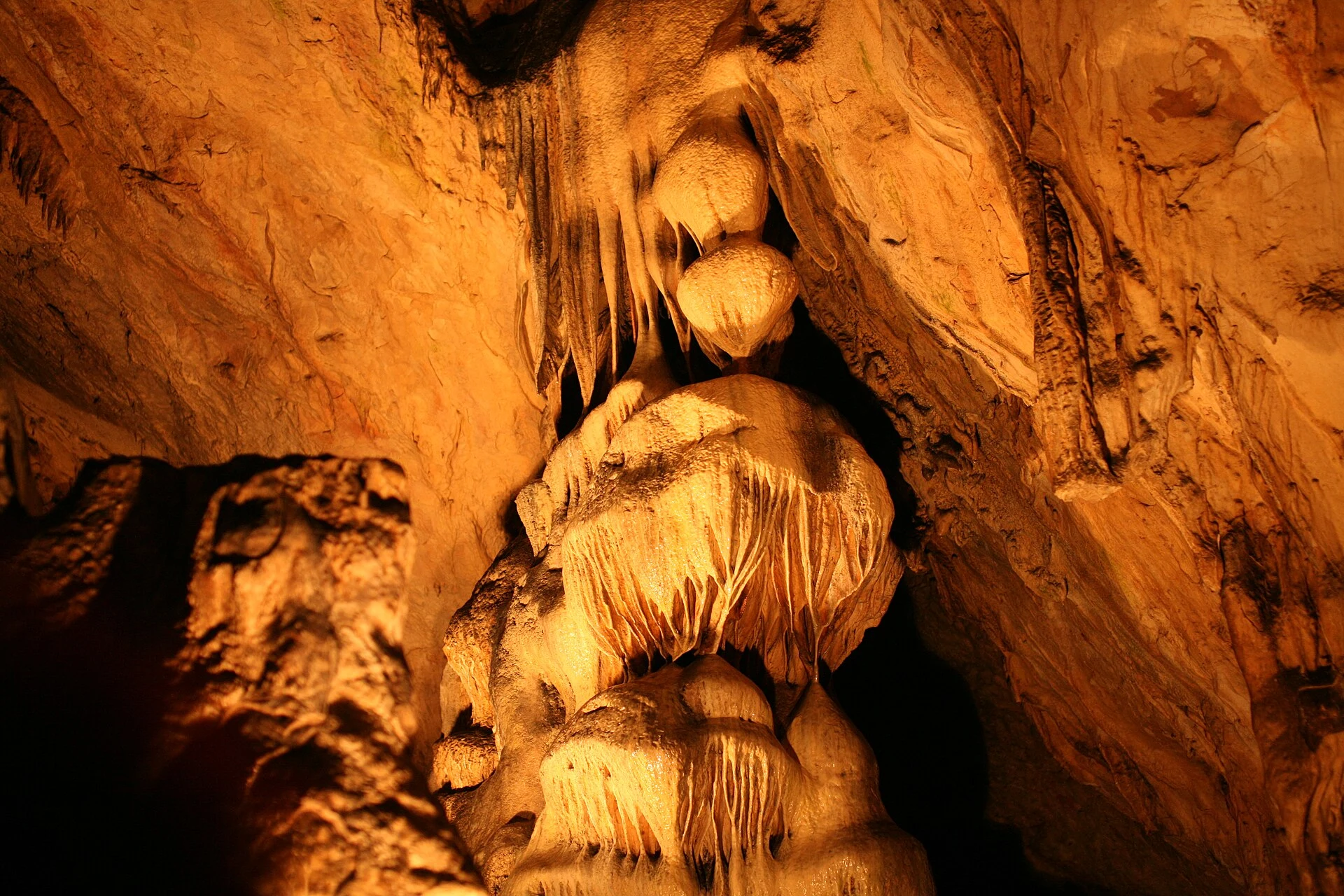
Magura calls for a change of pace and an accompanied visit
Magura Cave is beside Rabisha, separated from Belogradchik by a journey that makes walking between the two places unrealistic. For that reason, visitors without their own vehicle should arrange the return transport before entering Kaleto. Do not count on improvising the second journey at the end of the afternoon.
Inside, the interest goes beyond the cave formations. Magura preserves prehistoric paintings of human figures, animals, scenes and signs; the visit published by the operator includes guided accompaniment. The temperature inside remains cool throughout the year, so a light layer is practical even when it is hot outside.
One important heritage nuance is worth clarifying: Magura appears on Bulgaria’s Tentative List, but it is not inscribed as a World Heritage Site. This does not diminish its interest; it simply avoids presenting the visit as though it had a UNESCO designation that it does not possess.

The protected landscape calls for simple decisions
The Belogradchik rocks are registered as a protected natural monument. This is not the same as a theme park open for unrestricted use: local rules prohibit littering and climbing the formations. Choose designated trails and viewpoints, not shortcuts across fragile surfaces or climbs onto the rock.
The site also invites a more attentive approach to photography. Instead of chasing every shape named after an animal or character, try observing the reddish colour of the stone, the scale of the walls and the way the fortifications rest on the terrain. It is a more respectful way to visit an environment where geology, conservation and defensive memory are closely intertwined.
If you travel with reduced mobility, sensory needs or a group with different walking speeds, contact the museum directly before setting out. The proximity of parking alone does not mean that all interior or underground routes are accessible.
Plan with two buffers: daylight and the last admission time
For a first visit, divide the day into a morning at Kaleto and an afternoon at Magura, leaving genuine time for the journey, parking and the length of the cave explanation. If you only have a few hours, choose one: Kaleto offers a clearer reading of the landscape and fortress; Magura is the priority if you are looking for cave art and a guided underground route.
Opening hours at both sites vary by season, and last admission is set before closing. Check the day before for opening times, prices, the language available for the guided visit, photography conditions and any operational changes. Do not base your plan on schedules reproduced by third parties or on past experiences shared by other travellers.
An overnight stay in Belogradchik makes sense if you want to separate the visits, photograph the rocks in low light or avoid having a transport problem force you to shorten the cave visit. For a responsible trip, that extra night often adds more than a rushed third stop.
References to check before setting out
- Belogradchik Historical Museum: seasonal opening hours, last admission, prices, guided tours and audioguide services for Kaleto and Magura. Operational information to confirm for your specific date.
- Bulgarian Ministry of Tourism: historical context for the fortress, interpretation services and access near the enclosure.
- Bulgarian national register of protected areas: classification of the Belogradchik rocks as a natural monument.
- UNESCO World Heritage Centre: Magura’s entry on Bulgaria’s Tentative List and description of its prehistoric art.
References consulted during editorial review. Times, requirements and advisories may change: always confirm with the official source.
- https://visitbulgaria.com/the-magura-cave-the-rabisha-cave/ visitbulgaria.com
- https://whc.unesco.org/en/tentativelists/45 whc.unesco.org
- https://visitbulgaria.com/bg/%D0%BC%D0%B0%D0%B3%D1%83%D1%80%D0%B0%D1%82%D0%B0-%D1%80%D0%B0%D0%B1%D0%B8%D1%88%D0%BA%D0%B0-%D0%BF%D0%B5%D1%89%D0%B5%D1%80%D0%B0/ visitbulgaria.com
- https://visitbulgaria.com/ru/%D0%BC%D0%B0%D0%B3%D1%83%D1%80%D0%B0-%D1%80%D0%B0%D0%B1%D0%B8%D1%88%D1%81%D0%BA%D0%B0%D1%8F-%D0%BF%D0%B5%D1%89%D0%B5%D1%80%D0%B0/ visitbulgaria.com
- https://whc.unesco.org/en/tentativelists/action%3Dlisttentative%26order%3Dstates%26state%3Dbg whc.unesco.org
- https://visitbulgaria.com/wp-content/uploads/2016/publication_5759_2.pdf visitbulgaria.com
- https://visitbulgaria.com/bg/%D0%B1%D0%B5%D0%BB%D0%BE%D0%B3%D1%80%D0%B0%D0%B4%D1%87%D0%B8%D1%88%D0%BA%D0%B8-%D1%81%D0%BA%D0%B0%D0%BB%D0%B8-%D0%BF%D1%80%D0%B8%D1%80%D0%BE%D0%B4%D0%BD%D0%B0-%D0%B7%D0%B0%D0%B1%D0%B5%D0%BB/ visitbulgaria.com
- https://visitbulgaria.com/belogradchik/ visitbulgaria.com