Belgium · Limburg
Bokrijk brings together rural architecture, ponds and a waterside cycle route
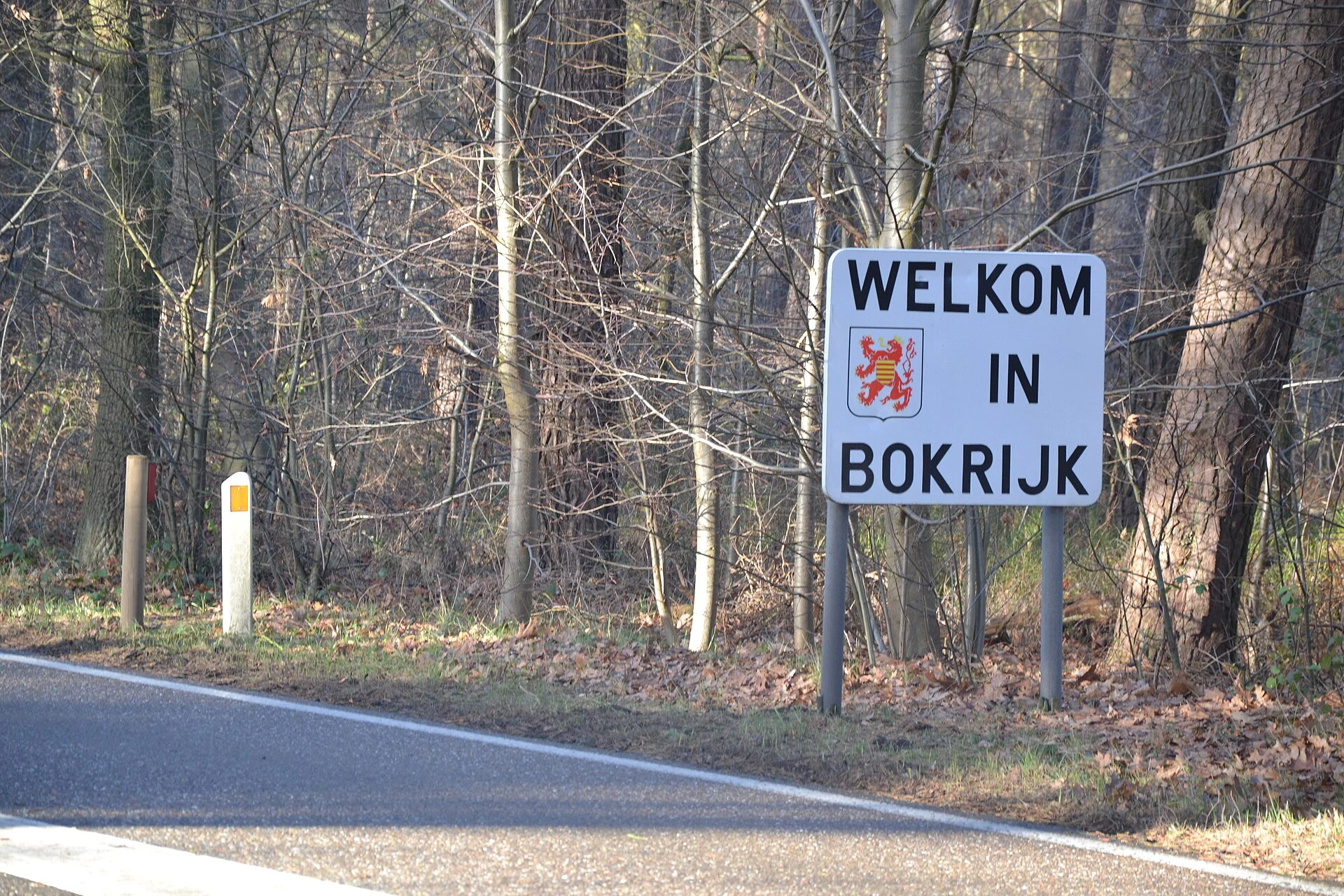
At Bokrijk, near Genk, an open-air museum, an arboretum and a cycle path at water level let you choose between a cultural day out and a slow car-free escape.
Conditions described in the guide: confirm current requirements and access with the official source before travelling.
Bokrijk works best when understood as a cultural landscape, rather than a succession of old houses. Within the same estate, rural architecture relocated from different parts of Flanders meets traditional crafts, an arboretum and the ponds of De Wijers. The useful decision is not to try to cover everything: choose between spending the day at the open-air museum or combining a shorter visit with the cycle route beside the water.
Bokrijk station is a short walk from the entrance, making this a practical option for anyone travelling by train from Brussels, Antwerp, Leuven, Hasselt or Genk. The contrast between the historic grounds and the forest and pond paths is precisely its greatest strength: here, moving from one building to another is also part of the visit.
A museum that invites you to look at buildings critically
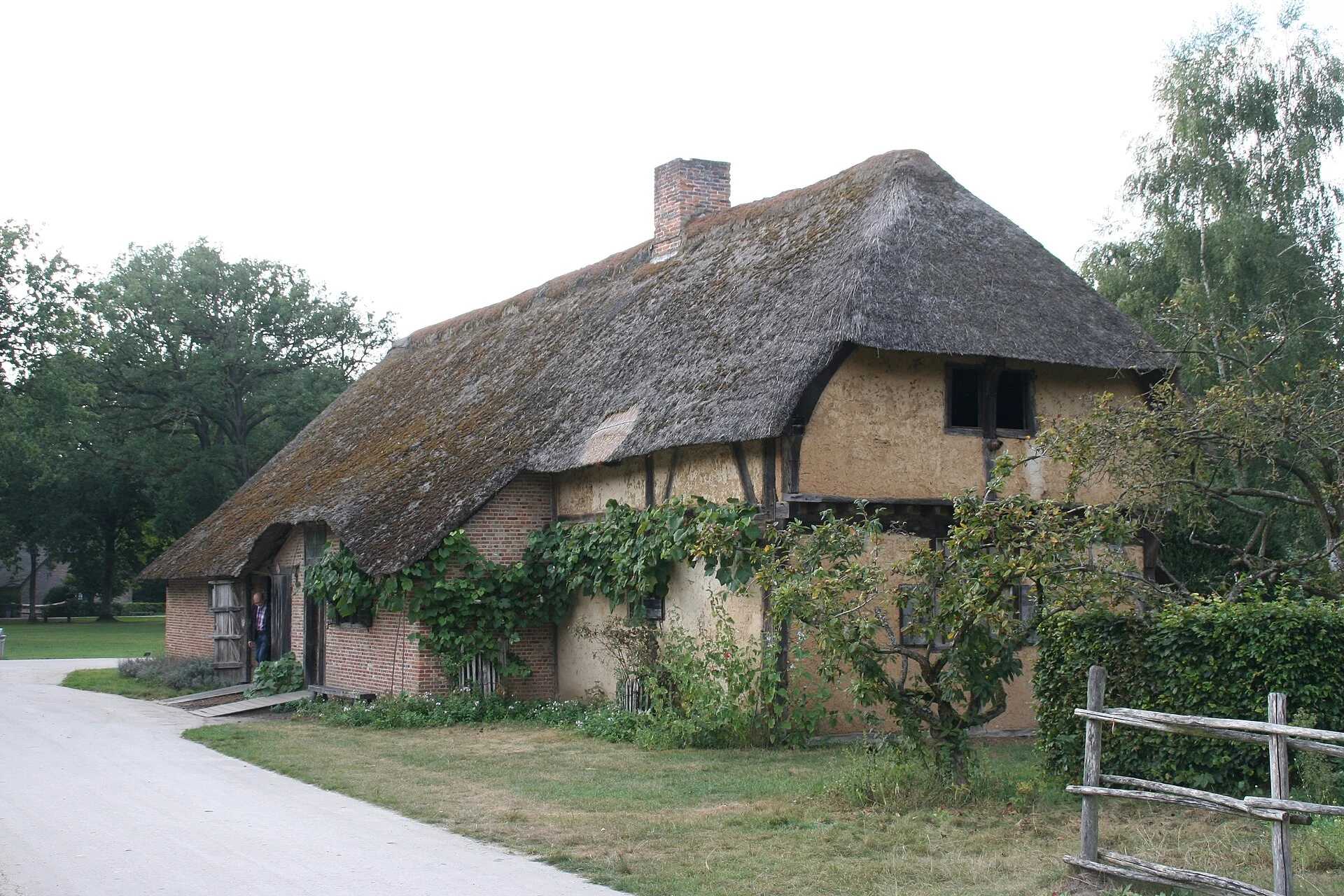
The museum brings together historic buildings and objects that explain ways of living and working in Flanders from the late Middle Ages to the early twentieth century. They are not ruins preserved in situ: they were dismantled and rebuilt at Bokrijk. This does not lessen their interest, but it does change the way you look at them: the site offers a comparative interpretation of materials, crafts, landscape and everyday life, not an untouched reproduction of one particular village.
Allow time for the rural sections—Kempen, Haspengouw and East and West Flanders—before reaching the urban area. The scale of the farms, barns, chapels, paths and fences shows how architecture depended on soils, crops and local economies. If there are demonstrations of traditional crafts or hands-on activities on the day of your visit, use them as a complement rather than rushing from one area to another: the programme varies by date.
The museum is a good choice for a full day, for families wanting to alternate cultural content with time outdoors, or for anyone with a genuine interest in vernacular architecture. If you are only looking for the cycle route over the water, however, you do not need to buy a museum ticket or try to fit both experiences in hurriedly.
Two plans best kept separate: museum or waterside route
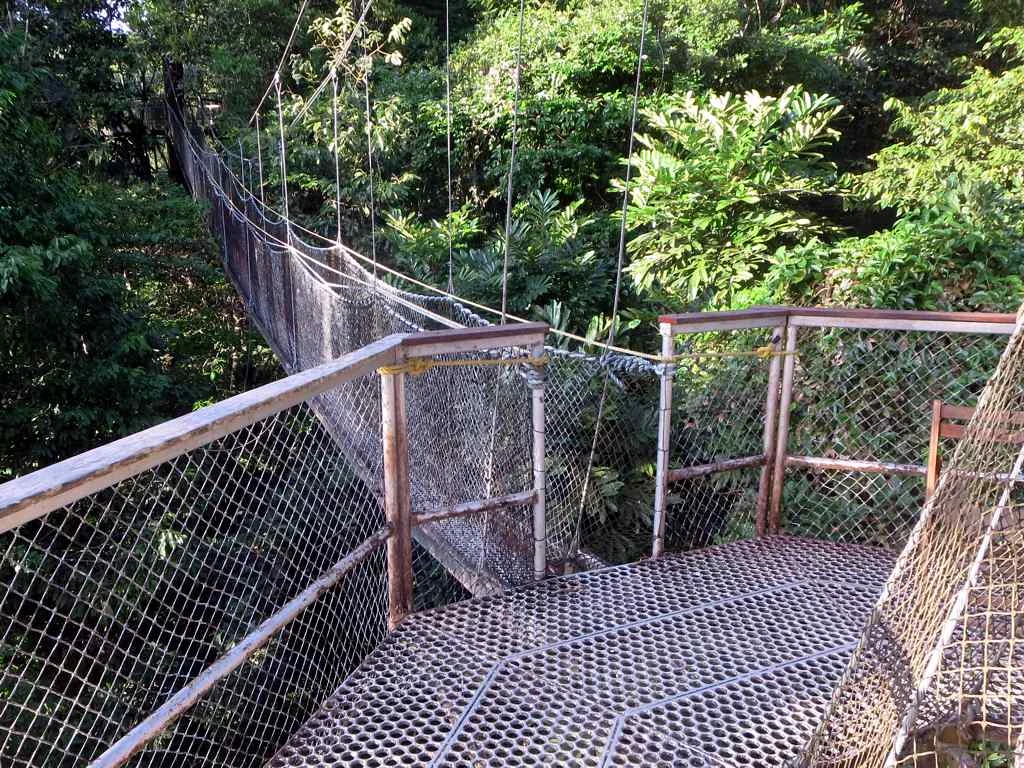
Bokrijk’s best-known image is at cycle junction 91: a platform around two hundred metres long crosses a pond with the water at eye level. It is a brief experience, but it becomes more meaningful when combined with the traffic-free paths linking woodland, shores and arboretum. The published accessible route in this area totals 6.4 kilometres and is flat; it works equally well for an easy cycle ride or a leisurely walk.
Do not confuse the outdoor route with the museum. Cycling is not permitted inside the open-air museum, apart from certain adapted vehicles and children’s bicycles under specific conditions. The practical solution is to leave your bike in the designated area, visit the museum on foot and then continue around the ponds; the reverse order also works if you arrive early and would rather cycle before it gets busier.
The arboretum adds a third dimension. It is free to enter and open from dawn to dusk, allowing you to complete an outing without a museum ticket. Outside the museum season, visitors can focus on the arboretum and the waterside crossing; during the season, the museum can occupy the middle of the day.
Arriving without a car and planning your time
Bokrijk has its own station, and the estate entrance is a few minutes’ walk away. This makes the train a practical alternative to the car, especially if your plan is limited to the museum, arboretum and short circuit. The station has bus connections, but rail timetables and local connections should be checked for the exact date, particularly at weekends, on public holidays and during engineering works.
For a day visit, arrive with a clear plan: museum and lunch within the estate, or bike and arboretum. The first option requires several hours of walking; the second offers greater flexibility and depends less on the museum calendar. If you want to hire a bicycle, rental is available on the estate during part of the year and advance booking is compulsory according to the operator’s current information. Bringing your own bike removes that dependency, though you should still check the route conditions.
There is a rail fare linked to an electronic museum ticket, but its conditions, availability and discount may change. Treat it as an option to verify, not as a fixed basis for your budget.
Accessibility and a respectful visit to the ponds
Bokrijk provides useful information for visitors with reduced mobility: there are paved paths, adapted toilets, a limited wheelchair-loan service and an accessible outdoor itinerary reaching the cycle crossing. Accessibility is not identical in every area, however: some museum sections retain cobbles, and certain interiors can only be adapted where their structure allows it. If your visit depends on a particular support service, it is worth requesting it before travelling.
The De Wijers area is not a backdrop for a quick photograph. The ponds form part of a managed landscape where water, vegetation and wildlife shape the route. Stay on the paths, do not enter the pond edges, and leave room for pedestrians, cyclists and users of mobility aids at the narrow crossing. This simple behaviour protects the site and makes the route more comfortable for everyone.
The best day here is usually the one that accepts a conscious choice: buildings and material memory, or bicycle, water and trees. Adding everything is worthwhile only if you have a long day and confirmed times.
Official references to check before setting out
Bokrijk: check the open-air museum calendar, the day’s activities, access conditions, mobility-aid loans, the arboretum and bicycle rental.
Visit Limburg: review the updated route of the accessible 6.4-kilometre trail, cycle junction 91 and any notices about the route through the ponds.
SNCB-NMBS: confirm real-time timetables for Bokrijk station, station services and the current conditions of the promotional ticket associated with the museum.
Timetables, seasonal openings, rental availability, programming and transport conditions are subject to change and must be checked with these official sources before fixing your trip.
References consulted during editorial review. Times, requirements and advisories may change: always confirm with the official source.
- https://www.visitlimburg.be/en/route/accessible-route-cycling-through-water-bokrijk www.visitlimburg.be
- https://www.visitlimburg.be/en/cycling-through-water www.visitlimburg.be
- https://www.visitlimburg.be/nl/route/toegankelijke-route-fietsen-door-het-water-bokrijk www.visitlimburg.be
- https://www.visitgenk.be/en/see-do/hotspots/bokrijk/cycling-through-water www.visitgenk.be
- https://www.visitlimburg.be/nl/in-12-routes-door-limburg www.visitlimburg.be
- https://www.visitlimburg.be/en/unique-cycling-experiences-limburg www.visitlimburg.be
- https://www.visitlimburg.be/en/accomodation/unique-stay-prime-location www.visitlimburg.be
- https://www.visitlimburg.be/nl/fietsen-tussen-de-bloesems-van-haspengouw www.visitlimburg.be
- Bélgica WikidataCC0 1.0 Wikidata · Q31
- Bélgica WikidataCC0 1.0 Wikidata · Q50331234
- Belgica WikidataCC0 1.0 Wikidata · Q2894348
- Bélgica WikidataCC0 1.0 Wikidata · Q20143496
- Bélgica WikidataCC0 1.0 Wikidata · Q139500505
- Bélgica WikidataCC0 1.0 Wikidata · Q111903186
- Belgium World Countries — mledozeODbL 1.0 World countries dataset by mledoze and contributors · ODbL 1.0
- Belgium World Bank Open DataCC BY 4.0 World Bank
- Belgium DBpediaCC BY-SA 3.0 DBpedia