Sweden · Norrbotten
Gammelstad and the living use of its church cottages
From Luleå, Gammelstad reveals why hundreds of small cottages surround a medieval church and how to explore a heritage site that still has private owners and everyday uses.
Conditions described in the guide: confirm current requirements and access with the official source before travelling.
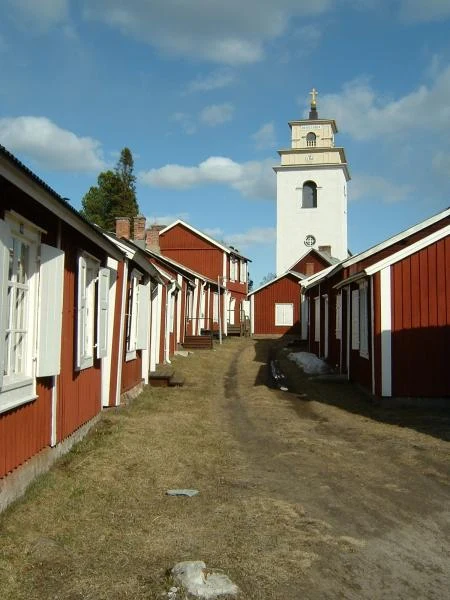
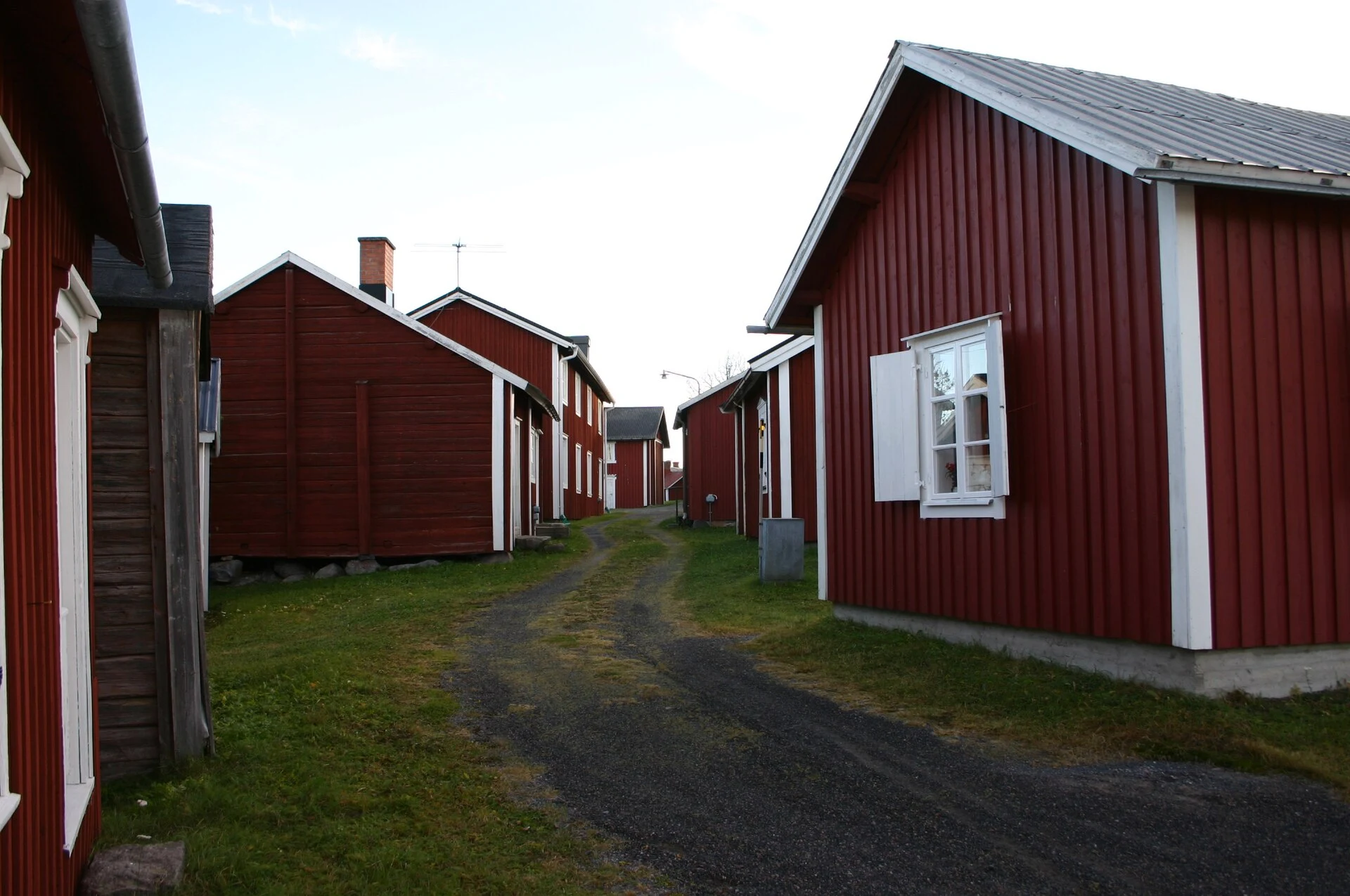
Gammelstad is not a historical set built for visitors: its small wooden cottages reflect a way of travelling, gathering and spending the night that emerged when attending church could require journeys lasting several days. The appeal lies in recognising this architecture for collective use and exploring a place that remains inhabited heritage. For a first visit from Luleå, allow a morning or an afternoon rather than trying to enter every building.
A town organised around a night at church
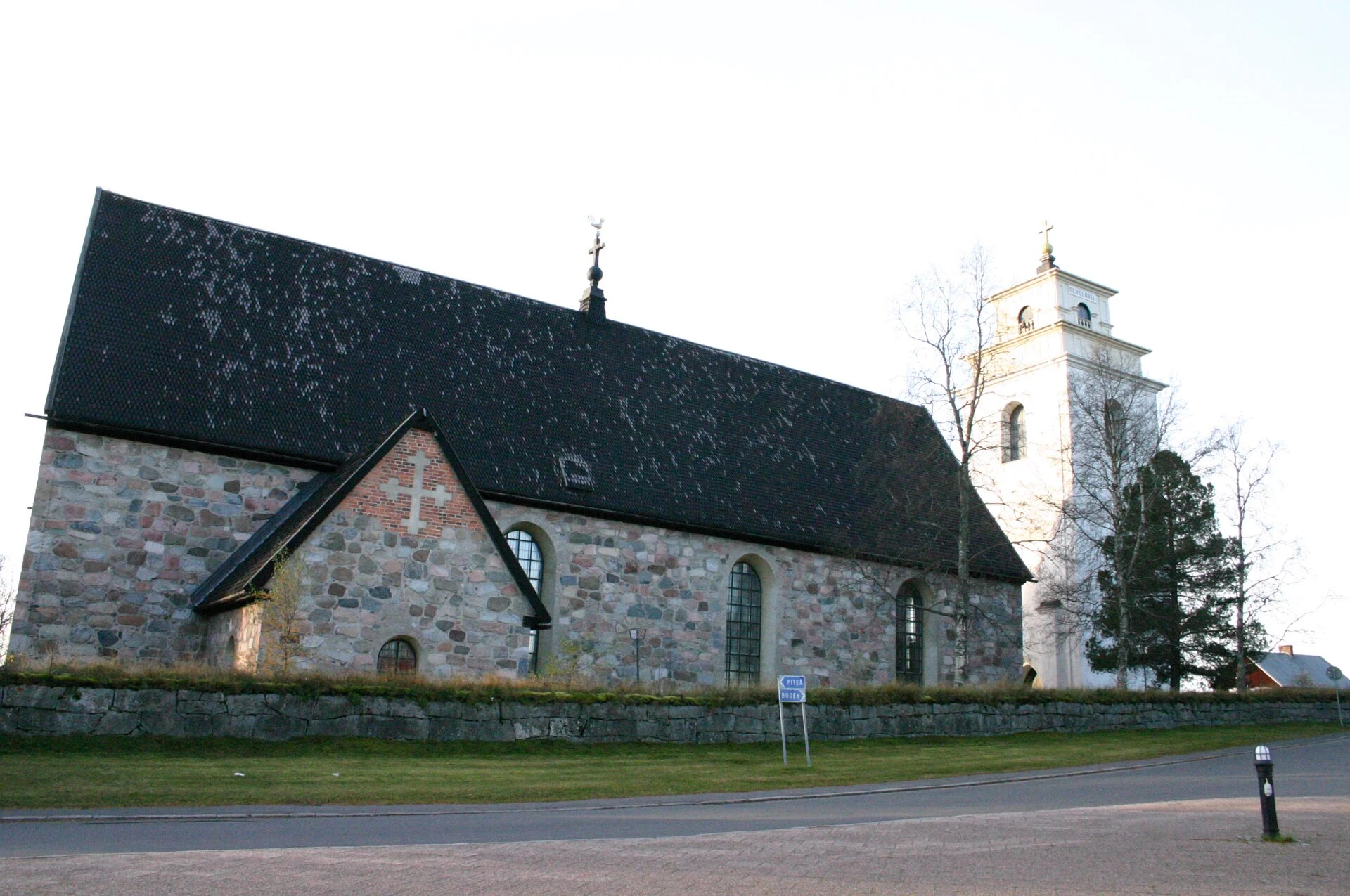
More than four hundred church cottages cluster around Nederluleå Church, built in the late fifteenth century. They were not conventional permanent homes: they allowed people from distant rural areas to stay near the church on Sundays, religious holidays, for meetings and other community obligations. Distance, the climate and the travel conditions of the time explain the settlement more fully than a purely picturesque reading.
The layout also deserves attention. Paths converge on the church and the streets follow the slope; a more regular pattern was added later. The old harbour gradually became too shallow as the land rose, and commercial activity moved to what is now Luleå. Gammelstad was therefore left outside much of the later urban transformation, preserving an exceptionally legible spatial organisation.
What you can see inside—and what should remain private
The essential part of the visit is outdoors: narrow streets, wooden façades, courtyards and the church’s stone silhouette. Not all the cottages are open and many are privately owned; a closed door is not an attraction still waiting to be visited, but a boundary that forms part of the place’s living character. Enter only where there is an explicit invitation or sign.
To understand the interiors without relying on a particular opening time, begin at the Visitor Center. Its exhibition includes a full-scale model of a church cottage and accounts of its past and present uses. The exhibition cottage, identified by numbers 253–254, offers another option, but has limited opening dates. A guided tour may be the clearest choice if you want to enter a cottage and put the church into context; check the language, date and participation requirements beforehand.
A short route linking the church, streets and open-air museum
Start at the Visitor Center, get your bearings from the map and continue on foot along the streets around Nederluleå Church. If the church is open, allow enough time and expect access to close or change during religious services. Then cross to the Hägnan open-air museum, next to the settlement.
Hägnan broadens the scope of the visit with buildings and rural settings connected to the coast of Norrbotten, from the eighteenth to the twentieth century. It is a useful complement if you are travelling with children or want to distinguish between church cottages for temporary use and rural domestic life in the region. Its outdoor areas can be explored year-round, but the farms, shop and café have seasonal opening or operate in connection with specific activities. Check the calendar if the museum is central to your plans.
Getting there without a car and assessing accessibility
From Luleå, the city bus is a practical option: route 9 reaches the church village. Routes 1 and 2 allow you to get off at Stadsö Centrum and complete the journey with a walk of about fifteen minutes. Check the Luleå Lokaltrafik journey planner on the day: routes, stops and frequencies may change.
The site provides information about adaptations for wheelchair users and pushchairs, including an adapted entrance to the church and a lift to the Visitor Center exhibition, available after consulting staff. Even so, weather can make getting around more difficult, and not all of Hägnan’s outbuildings have ramp access. The cottage included in the guided tour is not adapted to modern accessibility standards. If you have reduced mobility, ask the Visitor Center for advice before setting out and prioritise the outdoor areas, the exhibition and the points confirmed as accessible.
The practical choice: choose Gammelstad for its context, not a checklist of interiors
Gammelstad works particularly well as a cultural excursion from Luleå, even outside summer, if you accept that a worthwhile visit does not depend on entering many cottages. The settlement is freely accessible during the day, but the interiors, church, museum and activities each follow their own schedules. Do not plan the day around a single opening time.
Summer usually brings more activities and more opportunities to visit Hägnan; at other times, the experience may be quieter and focus on the townscape, the church if it is available and the exhibition. Wear suitable footwear for uneven or wet surfaces, respect private access and leave room for religious and local use to take priority. That consideration is, in itself, a way of understanding why this place has been preserved.
Official references to check before travelling
- UNESCO World Heritage Centre: the entry for Gammelstad church village, including the site’s historical context, protection and significance.
- Visit Gammelstad and Luleå Municipality: Visitor Center, buildings open to visitors, guided tours, accessibility, Hägnan museum and current opening times.
- Luleå Lokaltrafik: journey planner, service notices and up-to-date city bus timetables.
References consulted during editorial review. Times, requirements and advisories may change: always confirm with the official source.
- https://whc.unesco.org/en/list/762 whc.unesco.org
- https://whc.unesco.org/en/list/762/documents/ whc.unesco.org
- https://www.unesco.org/en/world-heritage/list www.unesco.org
- https://www.visitgammelstad.se/engelska/gammelstad/planyourvisit/faqforvisitors.4.2266d36918baa16f1cb574d.html www.visitgammelstad.se
- https://whc.unesco.org/document/157684 whc.unesco.org
- https://whc.unesco.org/archive/2016/whc16-40com-8E.Rev-en.pdf whc.unesco.org
- https://visitgammelstad.se/engelska/gammelstad/planyourvisit.4.39b40436182ca95331ac4ed.html visitgammelstad.se
- https://visitlulea.se/en/destinations/open-air-museum-hagnan/ visitlulea.se
- Suecia WikidataCC0 1.0 Wikidata · Q34
- Suecia WikidataCC0 1.0 Wikidata · Q7654287
- Suecia WikidataCC0 1.0 Wikidata · Q99282565
- Sweden World Countries — mledozeODbL 1.0 World countries dataset by mledoze and contributors · ODbL 1.0
- Sweden World Bank Open DataCC BY 4.0 World Bank
- Política social : el mundo contemporáneo y las experiencias de Cuba y Suecia OpenAlexCC0 1.0 OpenAlex