Sierra Leone · heritage and sites of memory
Bunce Island from Freetown: a journey into Atlantic memory
An island in the Sierra Leone River estuary preserves the ruins of a British slave-trading fort. The boat crossing requires checking current conditions, but the essential preparation is historical and ethical.
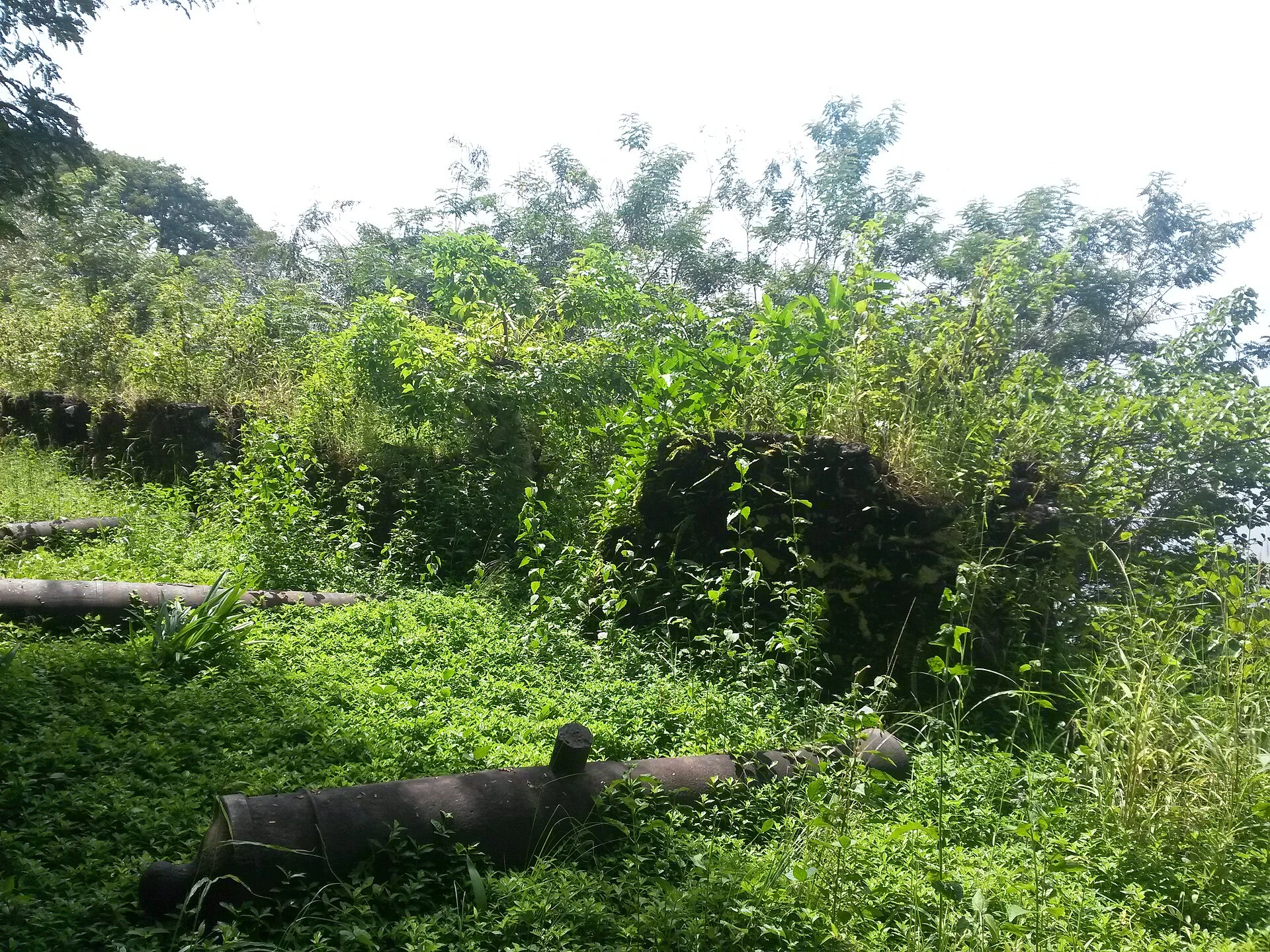
Bunce Island is not a ruin excursion to tick off a list. It is a place where the river landscape and the transatlantic trafficking of enslaved people remain inseparable: the former British fort occupies a small island in the Sierra Leone River estuary, upstream from Freetown. A visit can give Atlantic history a tangible dimension, including its connections with African American communities such as the Gullah Geechee, provided it is approached with time, attentiveness and moderate logistical expectations.
The site should not be presented as a restored monument or as an inscribed World Heritage property: it appears on Sierra Leone’s Tentative List and preserves structures in a ruined state. This fragile character is why it is worth prioritising an organised visit, avoiding restricted areas and the removal of materials, and arriving with a basic historical grounding.
A small island in a network of Atlantic violence
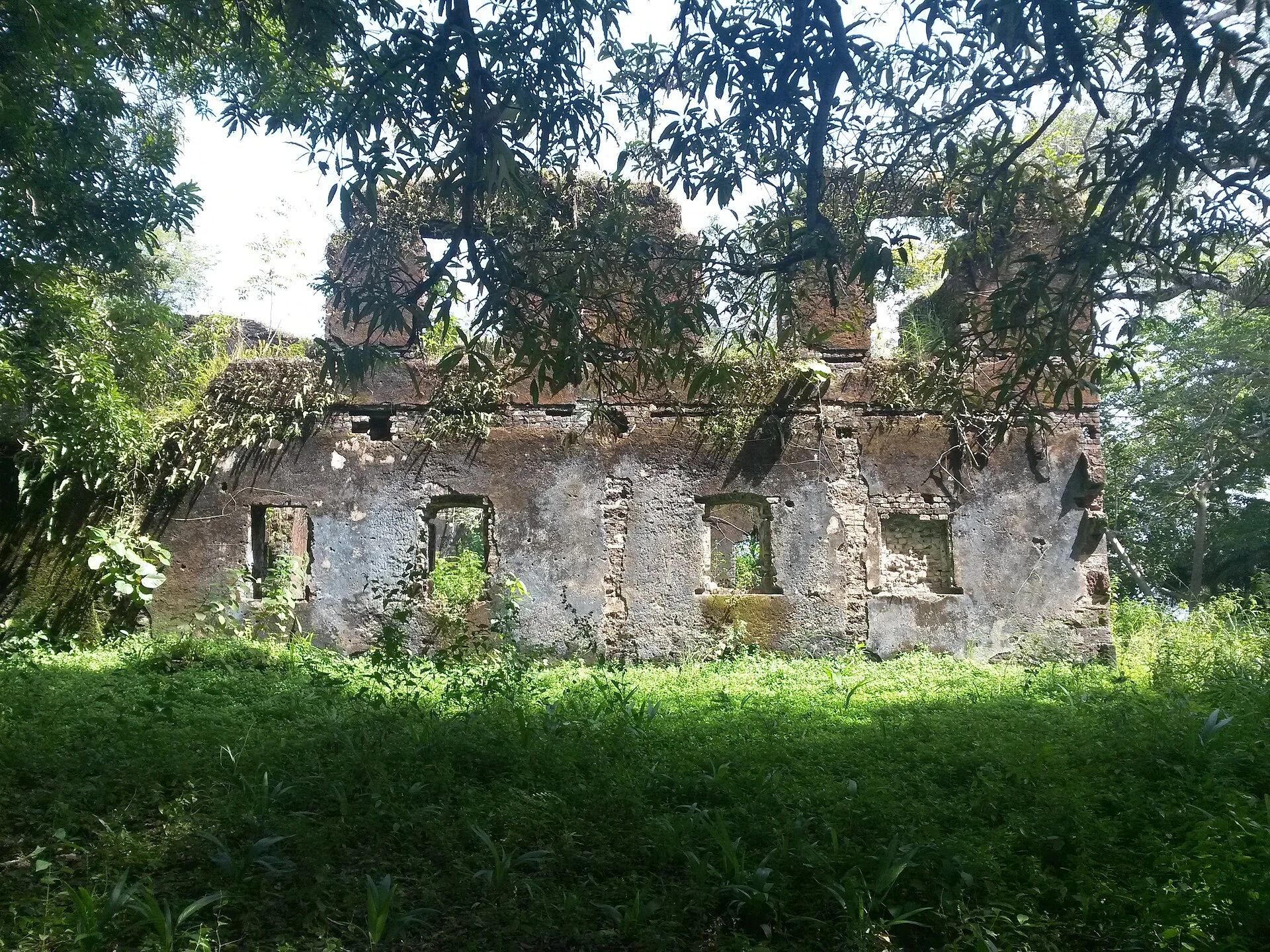
The settlement was established in the seventeenth century as a British trading post and operated as a fortress linked to the deportation of tens of thousands of Africans to the Americas. The island’s trade in enslaved people ended after Britain abolished the trade in 1807, but the ruins—walls, warehouses, defensive positions, a cemetery and other traces—are not neutral scenery: they speak of an economy based on captivity, family separation and exploitation.
A useful interpretation avoids focusing exclusively on European traders or military architecture. The people who were captured and transported are at the heart of the story, even though the site itself mainly preserves material evidence of those who controlled the fort. If your interest includes African diasporas in the United States, ask the person accompanying the visit which local sources they use to explain the connections with the coast of South Carolina and Georgia. That conversation may be more valuable than seeking a spectacular photograph of the ruins.
Getting there from Freetown: decide according to the boat, not the map
Bunce Island lies approximately 30 kilometres upriver from Freetown. Sierra Leone’s national tourism office indicates that the speedboat journey can take around 45 minutes and that most visitors arrive on organised trips. In practice, water conditions, the vessel, the departure point and the operator determine the day far more than that indicative figure.
Do not assume fixed schedules, daily departures, toilets, food sales, shade or permanent interpretation on the island. Before paying, confirm in writing who operates the boat, where you board, the total door-to-door duration, the safety equipment available, what happens if the weather changes, and whether access authorisation and interpretation are included. Bring water, sun protection, insect repellent, closed shoes with good support and a waterproof layer for the boat journeys.
There is no strong reason to hire a car solely for Bunce Island: the challenge is coordinating river access. Even so, allow plenty of time for the urban transfer to the jetty and for the return to Freetown in daylight.
Visiting a ruin without turning it into a backdrop
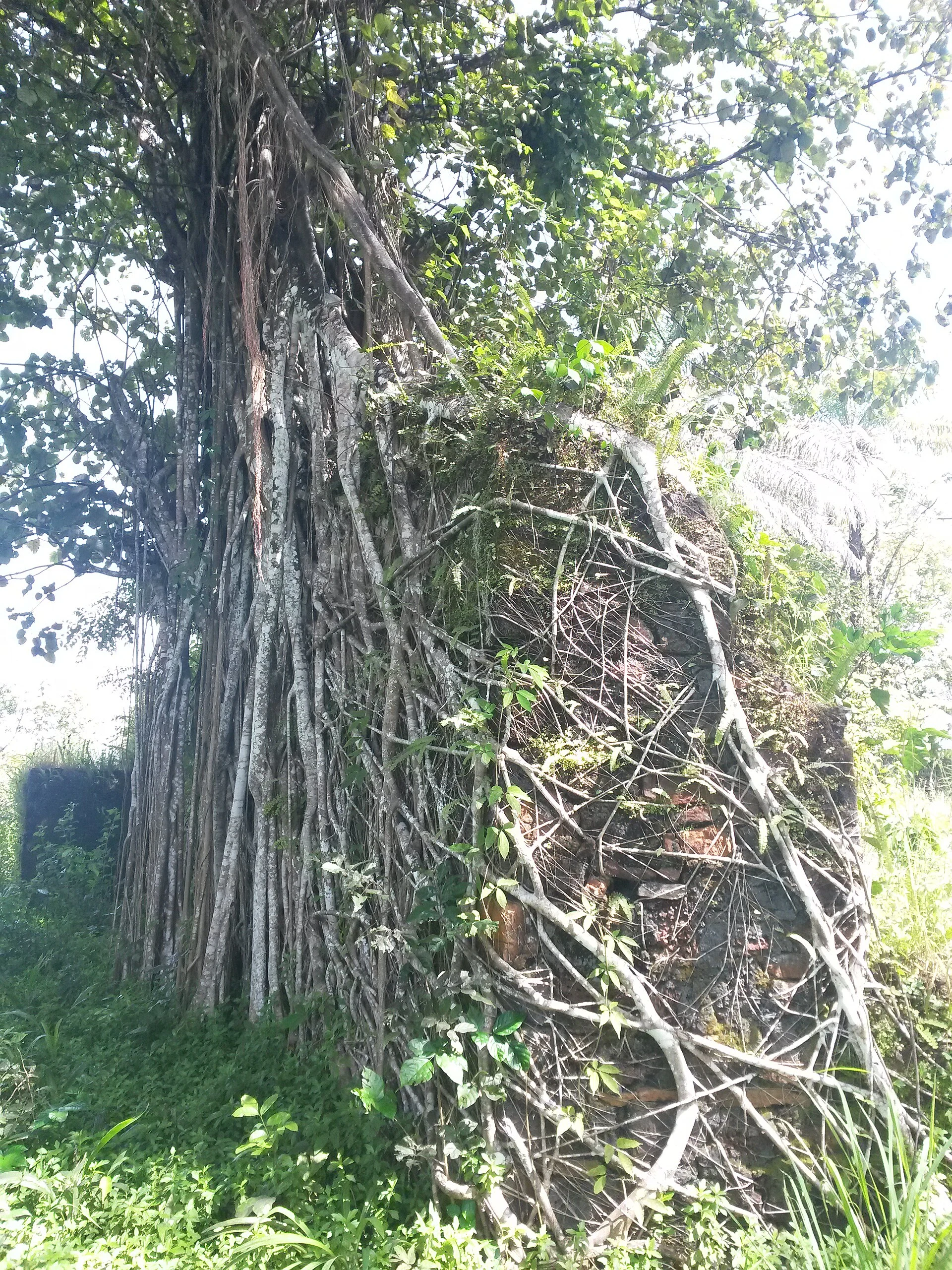
The site was declared a national historical monument in 1948 and falls under Sierra Leone’s heritage-protection framework. Vegetation, tropical humidity and the deterioration of the masonry are part of what you will find. Do not climb on the walls, enter unstable areas or collect fragments: a stone or seemingly minor object may provide archaeological information, and removing it worsens conservation.
Responsible visiting also means moderating camera use. Photograph the site as a whole if conditions allow, but avoid celebratory poses, recreations of captivity or images that turn historical suffering into a personal backdrop. If you are travelling in a group, agree beforehand on a slow pace and periods of silence. Asking about local conservation work, site ownership and the Sierra Leonean voices interpreting this past creates a less extractive visit than simply following a colonial timeline.
When it fits—and when it is better left for another trip
Bunce Island works best in an itinerary with at least several days in Freetown and enough flexibility to reschedule a boat-dependent activity. It is not a good choice for a short stopover, for travellers who need predictable infrastructure or for a plan that cannot accommodate last-minute changes. The reward lies not in accumulating activities, but in devoting a morning or a flexible day to a difficult place of memory.
Before booking flights or a river trip, check official security notices, entry requirements, health declarations and current health advice for your nationality and medical circumstances. The US authorities maintain a Level 2 advisory for Sierra Leone because of crime, civil unrest and limited healthcare infrastructure; they also advise against travelling outside the Freetown Peninsula after dark. Access conditions for Bunce Island, border requirements and health alerts are time-sensitive information and should be checked again just before travelling.
References to check before travelling
- National Tourist Board of Sierra Leone: Bunce Island listing and national tourism portal. Confirm the operator, jetty, availability and conditions of the visit.
- Monuments and Relics Commission / Sierra Leone Heritage: monument register, protection framework and historical materials about the site.
- UNESCO World Heritage Centre: Bunce Island listing on Sierra Leone’s Tentative List. Check its current heritage status.
- US Department of State: travel advisory for Sierra Leone, updated on 25 September 2025 in the consultation conducted for this article. Check whether it has changed.
- CDC Travelers’ Health: health recommendations for Sierra Leone, including malaria prevention. Consult a travel-health professional.
- UK Foreign, Commonwealth & Development Office: entry requirements and travel advice; pay particular attention to current health declarations and arrival measures.
References consulted during editorial review. Times, requirements and advisories may change: always confirm with the official source.
- https://travel.state.gov/en/international-travel/travel-advisories/sierra-leone.html travel.state.gov
- https://ntb.gov.sl/ ntb.gov.sl
- https://portal.ntb.gov.sl/ portal.ntb.gov.sl
- https://sierraleoneheritage.org/v12.6/sites/monuments/bunce/ sierraleoneheritage.org
- https://whc.unesco.org/en/tentativelists/5745/ whc.unesco.org
- https://tourism.gov.sl/islands/ tourism.gov.sl
- https://www.si.edu/object/archives/components/sova-acma-06-017-ref1863 www.si.edu
- https://travel.state.gov/content/travel/en/traveladvisories/ea/worldwide-caution-2026.html travel.state.gov
- Sierra Leone WikidataCC0 1.0 Wikidata · Q2284465
- Sierra Leone World Countries — mledozeODbL 1.0 World countries dataset by mledoze and contributors · ODbL 1.0
- Sierra Leone World Bank Open DataCC BY 4.0 World Bank
- Sierra Leone DBpediaCC BY-SA 3.0 DBpedia
- Sierra Leone CrossrefMetadatos públicos; derechos específicos por campo cuando correspondan Crossref
- Sierra Leone CrossrefMetadatos públicos; derechos específicos por campo cuando correspondan Crossref