Ghana · Central Region
Cape Coast, Elmina and Kakum in Two Days of Memory and Forest
A compact itinerary that allows time for two coastal castles and Kakum’s forest canopy, without mistaking a historical visit for a light excursion.
Conditions described in the guide: confirm current requirements and access with the official source before travelling.
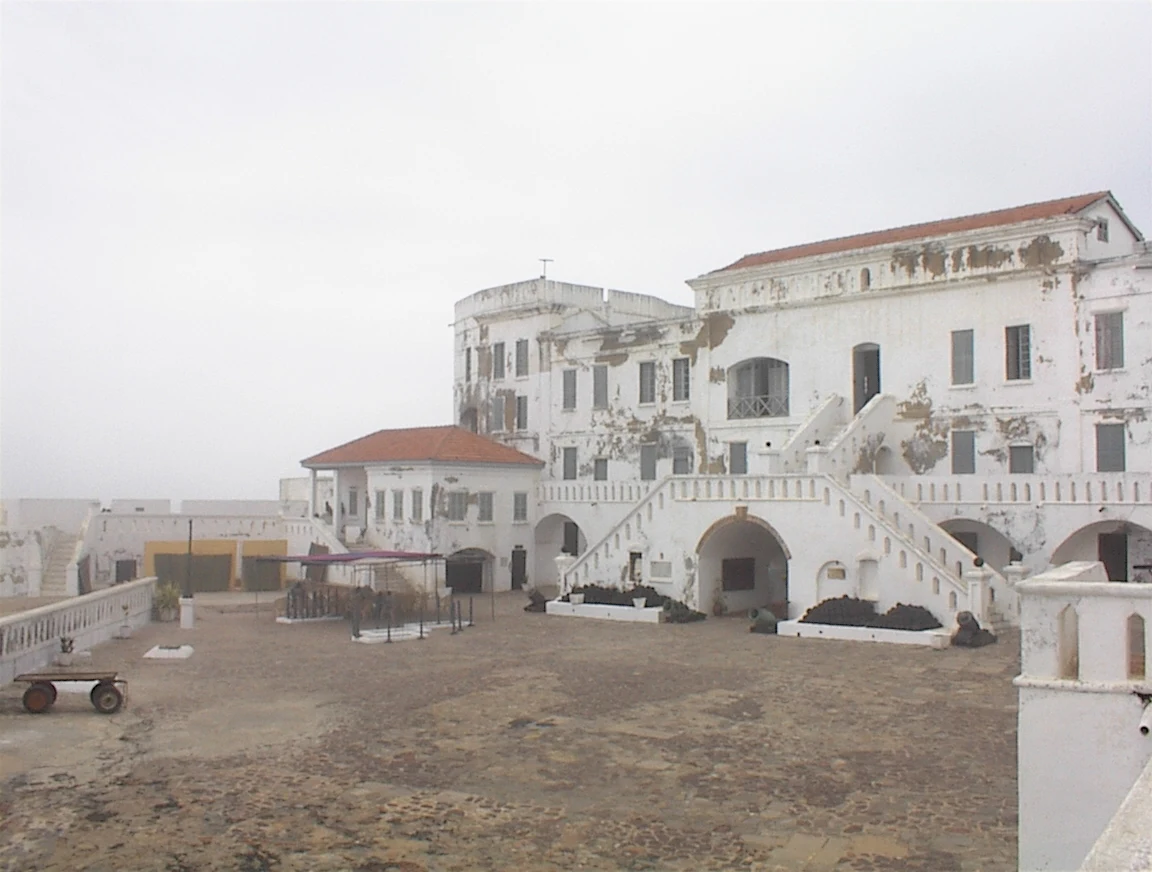
Ghana’s Central Region makes it possible to combine three very different experiences without turning them into a rushed checklist: Cape Coast and Elmina castles, places of Atlantic memory and local history, and the tropical forest of Kakum, whose elevated walkway completely changes the scale of the landscape. Two full days are a reasonable amount of time to give each site its due and accept their contrasts: emotionally weighty historic interiors, an active port city and a park where observation does not guarantee visible wildlife.
One base and two different paces to avoid rushing the visit
Use Cape Coast as your base and plan the route over two full days. Set aside one day for Cape Coast Castle and Elmina, and the other for Kakum, with time to return to the coast without rushing. This order avoids cramming dungeons, transfers and suspended walkways into a few hours.
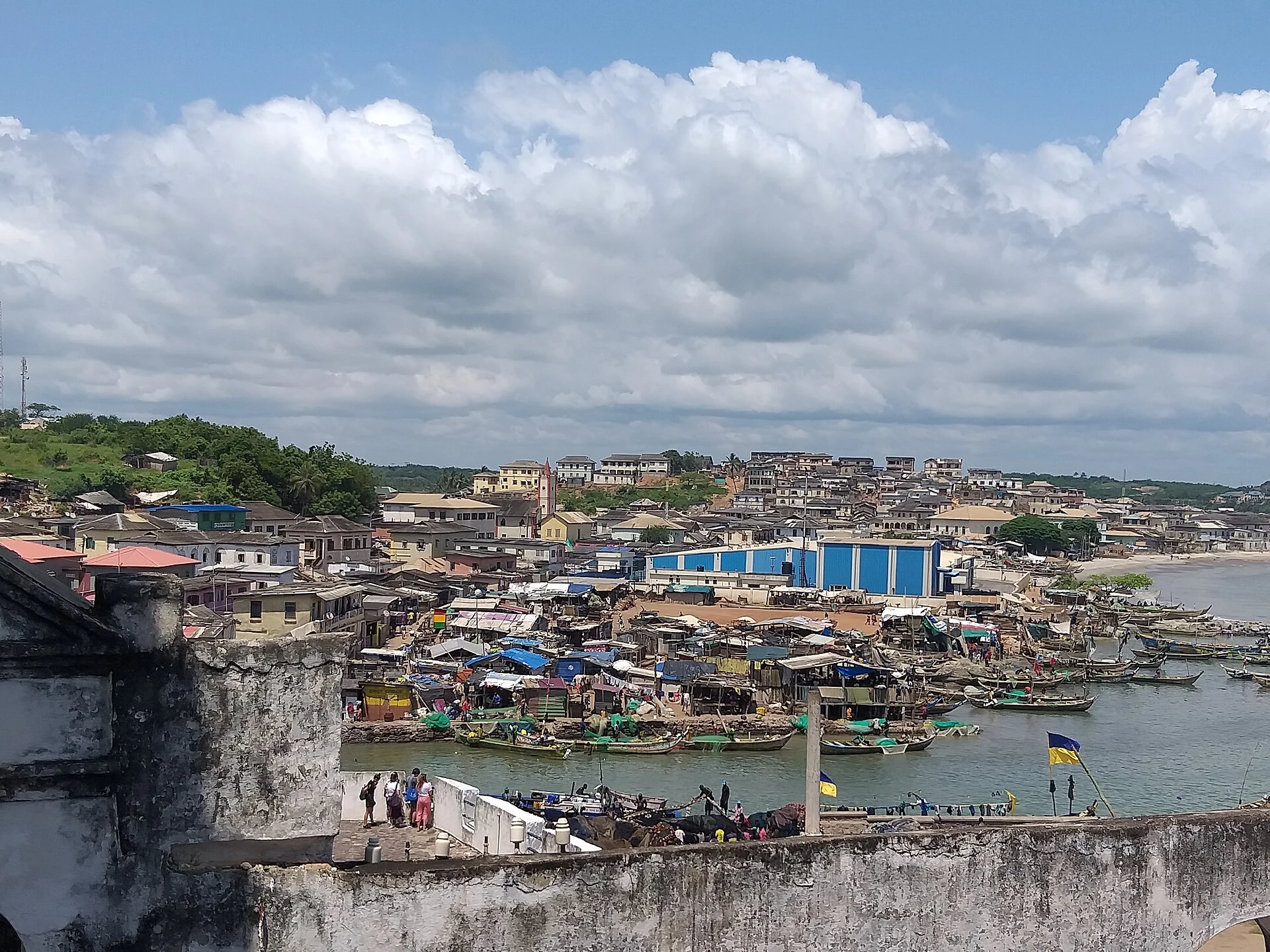
Cape Coast Castle and St. George’s Castle, known as Elmina Castle, belong to the group of coastal forts inscribed as World Heritage. They are not interchangeable buildings: Cape Coast helps trace successive European occupations and its later administrative role; Elmina adds the museum, the fishing harbour visible from its walls and the city’s historical relationship with the Asante societies of Elmina. Visiting both adds nuance rather than repetition.
For this route, the important decision is not how many forts to mark on a map, but whether you will have time for a guided visit, a pause afterwards and the journey between towns. If you have only one day, choose one castle and Kakum, or both castles without Kakum; trying to cover everything usually takes attention away from these places of memory.
The castles: a visit that calls for listening and context
The castles were fortified trading posts before becoming involved in the transatlantic trafficking of enslaved people. Their dungeons, courtyards, chapels and administrative rooms should not be viewed only as military architecture: they are spaces connected to the violence of slavery, African and European trading networks, and histories linking Ghana with African diasporas in the Americas.
At Elmina, the museum offers castle tours and brings together material on local trade, textiles, gold weights, archaeological objects and the building’s history. This combination prevents Elmina from being reduced to a single episode, even though the transatlantic slave trade remains central. At Cape Coast, allow time to visit the museum and to process what you have seen away from the busiest areas.
Arrive with a sober frame of mind: listen to the guide, avoid treating the dungeons as a photographic backdrop and do not force yourself through a rushed visit if the content feels emotionally intense. Interpretation may vary among staff, diaspora families, Ghanaian visitors and travellers with no prior connection to the site; that plurality is part of the experience, not an obstacle to be simplified.
Kakum is more than the canopy walkway
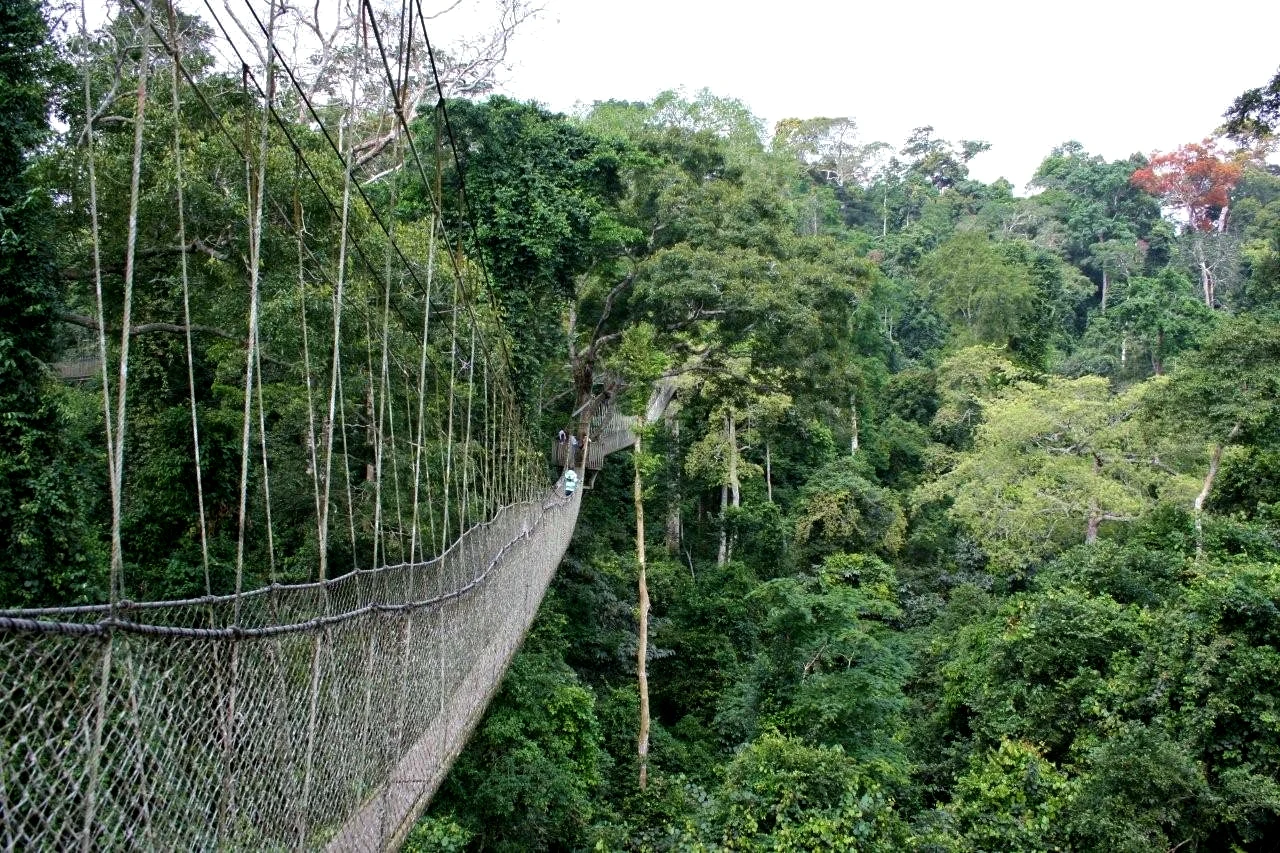
Kakum protects a block of rainforest within the Kakum and Assin Attandanso Conservation Area. The elevated walkway is its best-known image: a series of suspension bridges between platforms above the canopy. It is an experience of height and movement, not a stationary viewpoint or an activity suited to everyone.
The park also has trails and guided walks, which offer a deeper understanding of the forest than crossing the structure and leaving immediately. Choose a guided walk if your main interest is learning about trees, the cultural uses of plants and forest ecology; choose the walkway if you are comfortable with the exposure and want an elevated perspective. Seeing large mammals is not a predictable outcome: the visit works best when approached as an opportunity to observe habitat, sounds, vegetation and invertebrates.
Universal accessibility should not be assumed. Suspended surfaces, height and the access conditions of a forest setting may be limiting for people with vertigo, reduced mobility or balance difficulties. Check directly with Kakum management about the conditions of the routes available on the day of your visit and any alternatives they may offer.
Practical decisions to settle before setting out
Do not build this itinerary around admission fees, opening hours or driving times found in old posts. Castle tickets, Kakum guided departures, walkway conditions and transport availability can change. Confirm every operational detail with the managing organisations before travelling.
Bring water, secure footwear and rain protection for Kakum; at the castles, wear comfortable clothing for walking across courtyards, stairs and historic surfaces. If you arrange a driver or local transport for the two days, agree in advance that the itinerary requires waiting time: the route loses its value when the vehicle forces rushed departures.
The most concrete responsible contribution is simple: pay official admission fees, follow staff instructions, stay on the park routes and buy only crafts whose provenance you can ask about. In places so full of history, attentive time is worth more than adding another stop.
Official references to check before travelling
- Ghana Museums and Monuments Board: listings for Cape Coast Castle and St. George’s Castle Museum in Elmina. Check opening hours, fees, guided tours, contact details and possible operational changes.
- Forestry Commission of Ghana: Kakum National Park & Assin listing. Check park access, trail conditions and the state of the elevated walkway.
- Ghana Heritage Conservation Trust: visitor information and Kakum tours. Check guided departures, requirements for the day and available services.
- UNESCO World Heritage Centre: the file for Forts and Castles, Volta, Greater Accra, Central and Western Regions, for historical and conservation context on the complex.
References consulted during editorial review. Times, requirements and advisories may change: always confirm with the official source.
- https://whc.unesco.org/en/list/34 whc.unesco.org
- https://whc.unesco.org/document/221098 whc.unesco.org
- https://whc.unesco.org/en/decisions/2729 whc.unesco.org
- https://whc.unesco.org/document/159617 whc.unesco.org
- https://whc.unesco.org/document/205570 whc.unesco.org
- https://whc.unesco.org/en/tentativelists/6275 whc.unesco.org
- https://whc.unesco.org/document/4971/ whc.unesco.org
- https://whc.unesco.org/en/list/34/assistance/ whc.unesco.org
- Ghana WikidataCC0 1.0 Wikidata · Q117
- Ghana World Countries — mledozeODbL 1.0 World countries dataset by mledoze and contributors · ODbL 1.0
- Ghana World Bank Open DataCC BY 4.0 World Bank
- Ghana DBpediaCC BY-SA 3.0 DBpedia
- Cape Coast Castle GeoNamesDatos geográficos bajo CC BY 4.0; requiere atribución a GeoNames. Fuente: GeoNames
- Cape Coast Castle, Victoria Drive, First Ridge, Cape Coast, Cape Coast Metropolitan District, Central Region, Ghana OpenStreetMapODbL 1.0; atribución y obligación de compartir bases derivadas. Fuente: OpenStreetMap
- Elmina GeoNamesDatos geográficos bajo CC BY 4.0; requiere atribución a GeoNames. Fuente: GeoNames
- Elmina, Komenda/Edina/Eguafo/Abirem Municipal District, Central Region, Ghana OpenStreetMapODbL 1.0; atribución y obligación de compartir bases derivadas. Fuente: OpenStreetMap
- Elmina Castle GeoNamesDatos geográficos bajo CC BY 4.0; requiere atribución a GeoNames. Fuente: GeoNames