Áncash, Peru
Chavín de Huántar: from the museum to the temple galleries
A visit to Chavín de Huántar gains depth when you explore the museum before the monument: the plazas, reliefs and galleries then become more than ancient stone.
Conditions described in the guide: confirm current requirements and access with the official source before travelling.
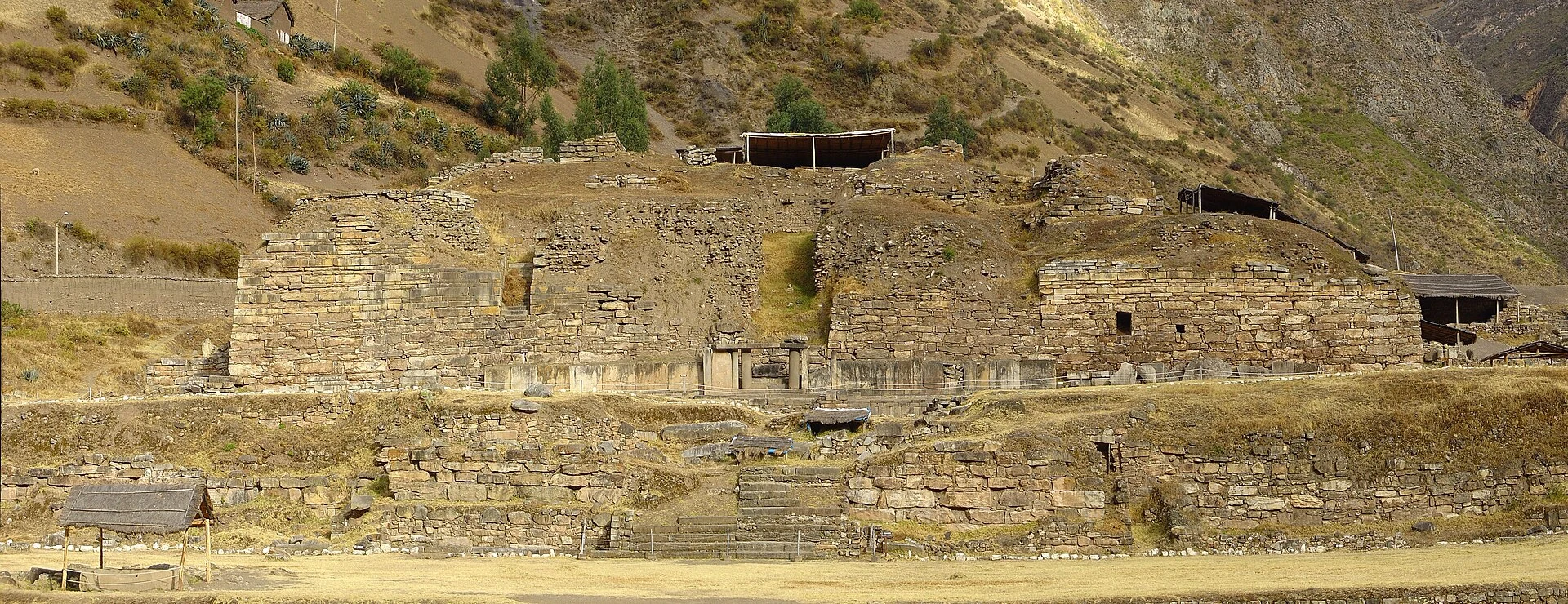
Chavín de Huántar rewards a visit that goes beyond a quick photo stop. In this high valley of Áncash, the temple orchestrates movement, darkness, sound and imagery to create a complex ceremonial experience. Starting at the museum allows you to recognize that logic before entering the site: the sculptures are not isolated ornaments, but part of a ritual architecture; and the galleries are not ordinary passageways, but spaces whose access may be restricted for conservation reasons.
The most practical choice is to set aside time for the Museo Nacional Chavín and the monument on the same day, allowing for the journey and for an unhurried visit at an altitude of 3,180 metres. Opening hours, fees, available circuits and road conditions can change: confirm them before setting out in the final references.
A ceremonial centre designed to guide the gaze
Chavín was an important centre of Andean ritual convergence between approximately 1500 and 300 BC. Its terraces, plazas and stone buildings cannot be fully understood from a single panoramic viewpoint. Walk slowly around the exterior and pay attention to the transitions between open spaces, walls, stairways and entrances: the architectural sequence is an essential part of the visit.
The iconography combines human and animal features, especially felines, birds and snakes. There is no need to try to decipher every figure on your own; it is more useful to observe how these forms recur and change across reliefs and sculptures. An accredited local guide can provide archaeological context and help avoid simplistic interpretations or stories presented as certainties.
The interior galleries are one of the temple’s most distinctive features, but they should not be taken for granted. Their condition and the routes authorised for visitors may change for conservation or safety reasons. Do not plan your trip on the assumption that you will enter a particular space: regard reading the exterior complex as valuable even if the interior circuit is limited.
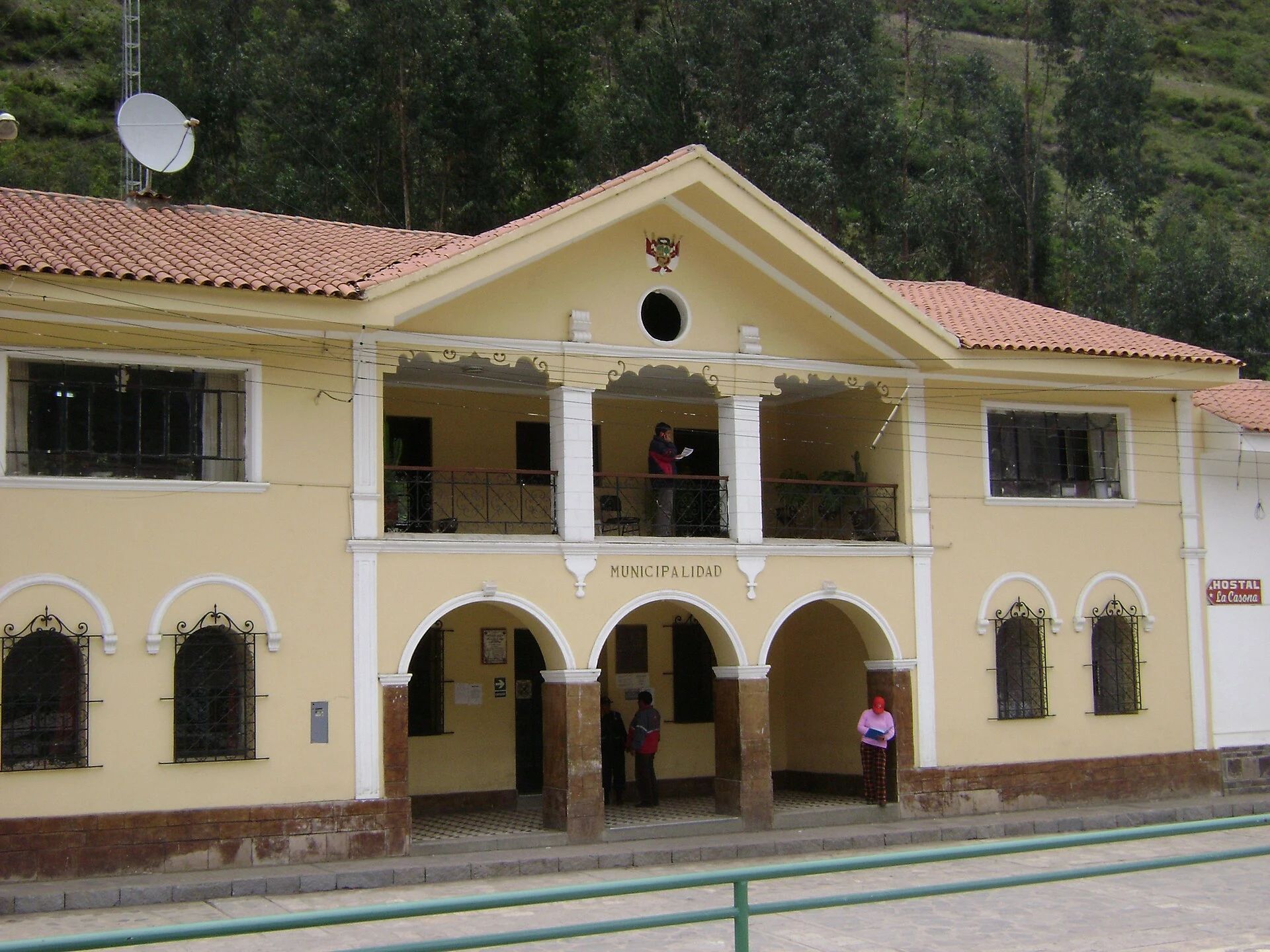
The Museo Nacional Chavín first, the monument second
The Museo Nacional Chavín brings together objects that help put a name to what later appears, fragmented or absent, at the archaeological site. Its galleries preserve pottery, clava heads, stone sculptures, pututus and the Tello Obelisk. Seeing them first changes the scale of the visit: it helps you identify the visual density of carved stone and understand that many works had a specific relationship with walls, portals or galleries.
Allow yourself unhurried time in the museum and look for three keys: conch-shell pututus, associated with the sanctuary’s sonic dimension; clava heads, which formed part of the architectural ornamentation; and the Tello Obelisk, whose interpretation reveals a highly concentrated iconography. Then, at the monument, avoid looking for an exact equivalent between each museum object and a visible location: the museum preserves, protects and interprets pieces that no longer fulfil their original function in situ.
This order also spreads the day more effectively. If the journey is delayed or the weather changes, the museum provides a strong cultural alternative; if everything goes according to plan, it prepares you to explore the temple with more precise questions.
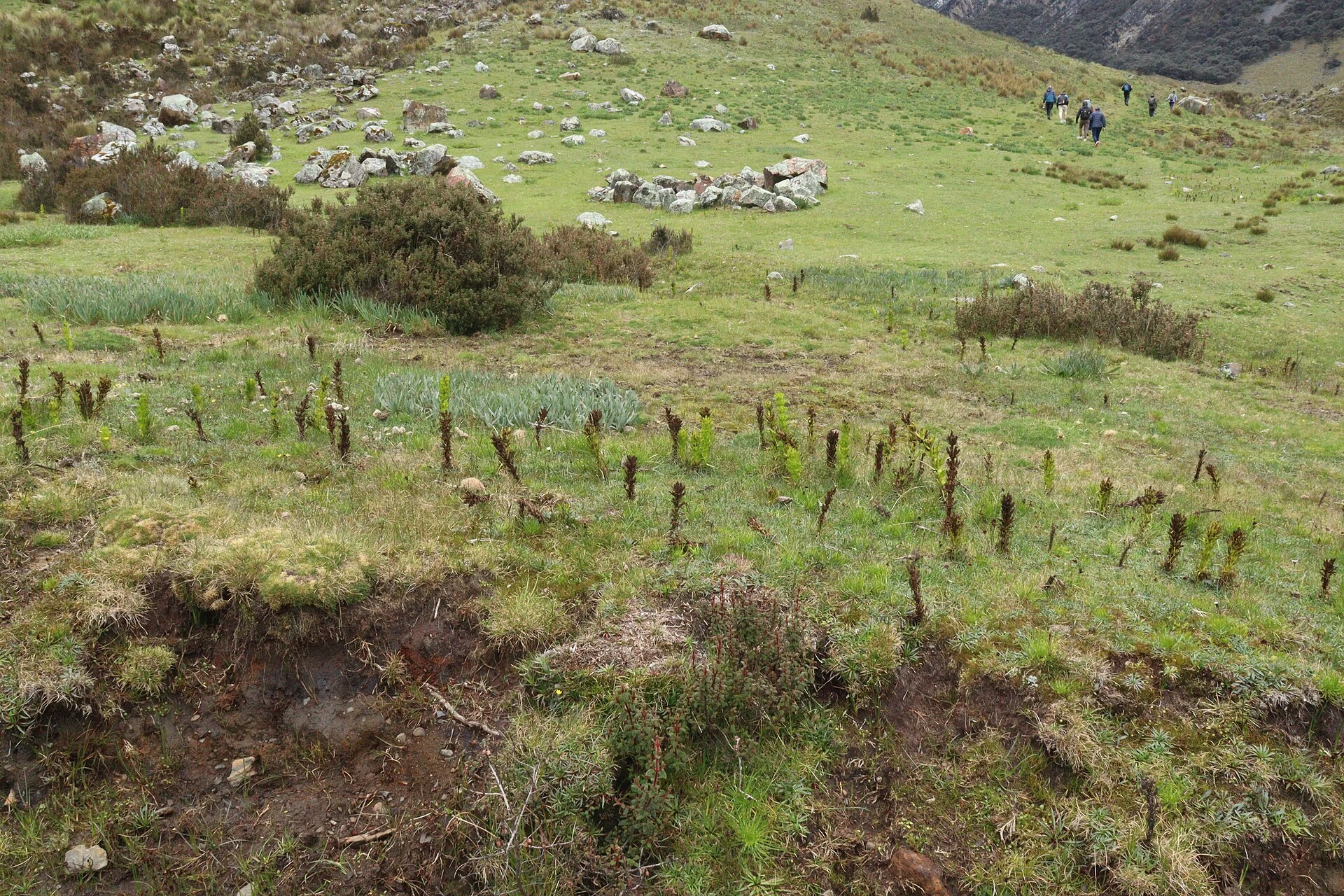
Reaching it without a car requires leeway, not improvisation
From Huaraz, shared transport and minivans connect with Chavín de Huántar, making this a useful option for travellers without a private vehicle. The route crosses an Andean landscape and should be treated as a substantial part of the itinerary, not merely as a connection: leave plenty of time, carry water and warm clothing for temperature changes, and avoid combining this day with another activity that has a rigid schedule.
The town lies at high altitude, so it is advisable to adopt a deliberately unhurried pace, especially if you are arriving from a much lower elevation. For many people, spending the previous night in Huaraz or in the district itself can make the visit more comfortable than attempting a rushed round trip from Lima. If you have a medical condition related to altitude, consult a healthcare professional beforehand.
Local tourism information often identifies May to October as the period with the most favourable weather. Even so, this does not replace a check close to your travel date: rain, road incidents, transport frequencies and openings may alter the plan. Verify that operations are running before committing to non-refundable bookings.
Responsible travel comes down to the details
Chavín does not require grand gestures to be visited respectfully. Stay on the designated routes, do not touch reliefs or carved stones, do not climb walls for a photograph, and avoid leaving waste at the monument or along the stops on the journey. The site’s conservation also responds to natural and historical risks, so access restrictions are not a minor inconvenience: they are part of caring for the place.
If you hire a guide, prioritise identifiable local professionals and agree in advance on the duration, language, route and price. A good visit does not depend on adding ceremonies, spiritual promises or activities unrelated to the archaeological circuit; it depends on listening, asking questions and distinguishing archaeological evidence from hypotheses and contemporary tradition.
Completing the day with meals, accommodation or handicrafts in the district can help spread spending through the local economy. Do so without demanding that everyday life become a spectacle: the town is not a backdrop for the monument, but the community that lives alongside this heritage.
References to check before travelling
- UNESCO, Chavín Archaeological Site profile: historical context, heritage value and conservation of the complex.
- Peru’s Ministry of Culture, Museo Nacional Chavín profile: opening, services, fees and the museum’s current conditions.
- Chavín de Huántar Multisectoral Tourism Committee, local tourism portal: routes from Huaraz, shared transport, contacts and operational notices for the monument.
Consult these sources shortly before travelling to confirm opening hours, prices, access, available circuits and road conditions.
References consulted during editorial review. Times, requirements and advisories may change: always confirm with the official source.
- https://whc.unesco.org/en/list/330 whc.unesco.org
- https://whc.unesco.org/en/statesparties/pe whc.unesco.org
- https://whc.unesco.org/document/172312 whc.unesco.org
- https://whc.unesco.org/en/list whc.unesco.org
- https://whc.unesco.org/document/1057 whc.unesco.org
- https://whc.unesco.org/en/decisions/3296 whc.unesco.org
- https://whc.unesco.org/fr/list/330 whc.unesco.org
- https://whc.unesco.org/document/126549 whc.unesco.org
- Perú WikidataCC0 1.0 Wikidata · Q419
- Peru WikidataCC0 1.0 Wikidata · Q14083868
- Perú WikidataCC0 1.0 Wikidata · Q3352537
- Perú WikidataCC0 1.0 Wikidata · Q5575749
- Peru WikidataCC0 1.0 Wikidata · Q576648
- Peru WikidataCC0 1.0 Wikidata · Q16518649
- Peru World Countries — mledozeODbL 1.0 World countries dataset by mledoze and contributors · ODbL 1.0
- Peru World Bank Open DataCC BY 4.0 World Bank
- Peru DBpediaCC BY-SA 3.0 DBpedia
- Plantas medicinales de los Andes y la Amazonía - La flora mágica y medicinal del Norte del Perú OpenAlexCC0 1.0 OpenAlex
- PERÚ 2012: ¿ATRAPADOS POR LA HISTORIA? OpenAlexCC0 1.0 OpenAlex
- Alianza entre turismo y cultura en el Perú – Modelos de colaboración entre turismo, cultura y comunidad CrossrefMetadatos públicos; derechos específicos por campo cuando correspondan Crossref
- Turismo de carretera en el Perú. Oportunidades y desafíos CrossrefMetadatos públicos; derechos específicos por campo cuando correspondan Crossref
- Historia ambiental del Perú. Siglos XVIII y XIX CrossrefMetadatos públicos; derechos específicos por campo cuando correspondan Crossref
- Huaraz GeoNamesDatos geográficos bajo CC BY 4.0; requiere atribución a GeoNames. Fuente: GeoNames
- Huaraz GeoNamesDatos geográficos bajo CC BY 4.0; requiere atribución a GeoNames. Fuente: GeoNames
- Huaraz, Province of Huaraz, Ancash, 02001, Peru OpenStreetMapODbL 1.0; atribución y obligación de compartir bases derivadas. Fuente: OpenStreetMap
- Huaraz, Province of Huaraz, Ancash, Peru OpenStreetMapODbL 1.0; atribución y obligación de compartir bases derivadas. Fuente: OpenStreetMap