Tonga | Living heritage on the main island
Eastern Tongatapu: Haʻamonga and the Royal Tombs of Muʻa
A short route through eastern Tongatapu linking a coral trilith, the *langi* of Lapaha and practical guidance for a respectful visit.
Eastern Tongatapu brings together two essential places for understanding Tonga’s political history: the Haʻamonga ʻa Maui trilith at Heketā and the langi—stepped royal tombs—of Muʻa and Lapaha. These are not isolated remnants of a distant past: they help explain a monarchy with historical continuity and a living relationship between community, genealogy and landscape. Allow a morning or afternoon for the visit rather than trying to add too many coastal stops. The value here lies in looking carefully, distinguishing documented evidence from speculation and adopting a discreet attitude in places connected with royal memory.
Two stops that trace the movement of power
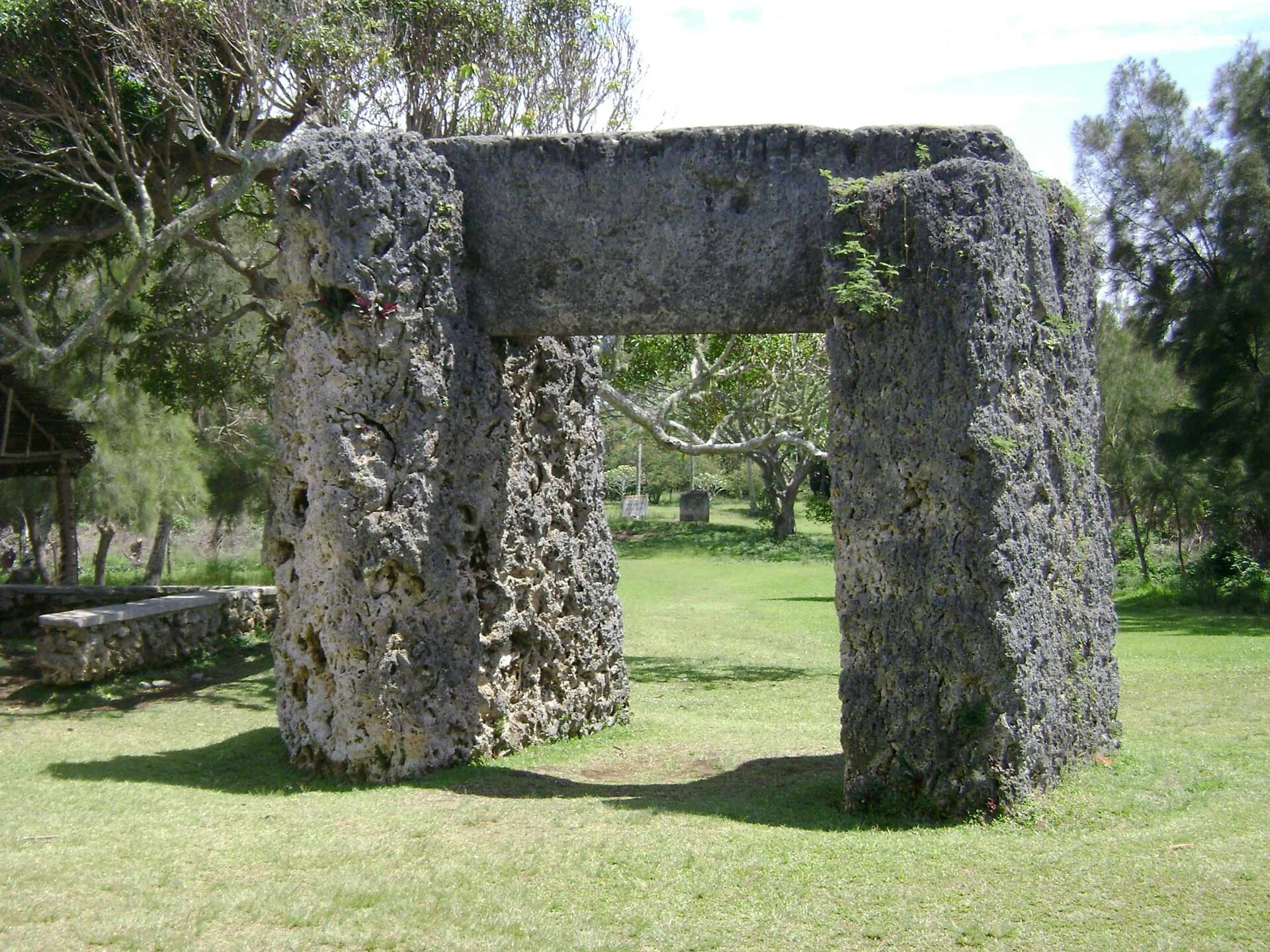
Begin at Haʻamonga ʻa Maui, near Niutōua. Its three great coral blocks form a trilith associated with the period of the Tuʻi Tonga Tuʻitātui, around the year 1200. The most cautious interpretation places it near an ancient royal compound at Heketā; interpretations linked to solar observations have also been proposed. There is no need to choose a definitive explanation: the monument’s interest lies precisely in recognising that it preserves open questions.
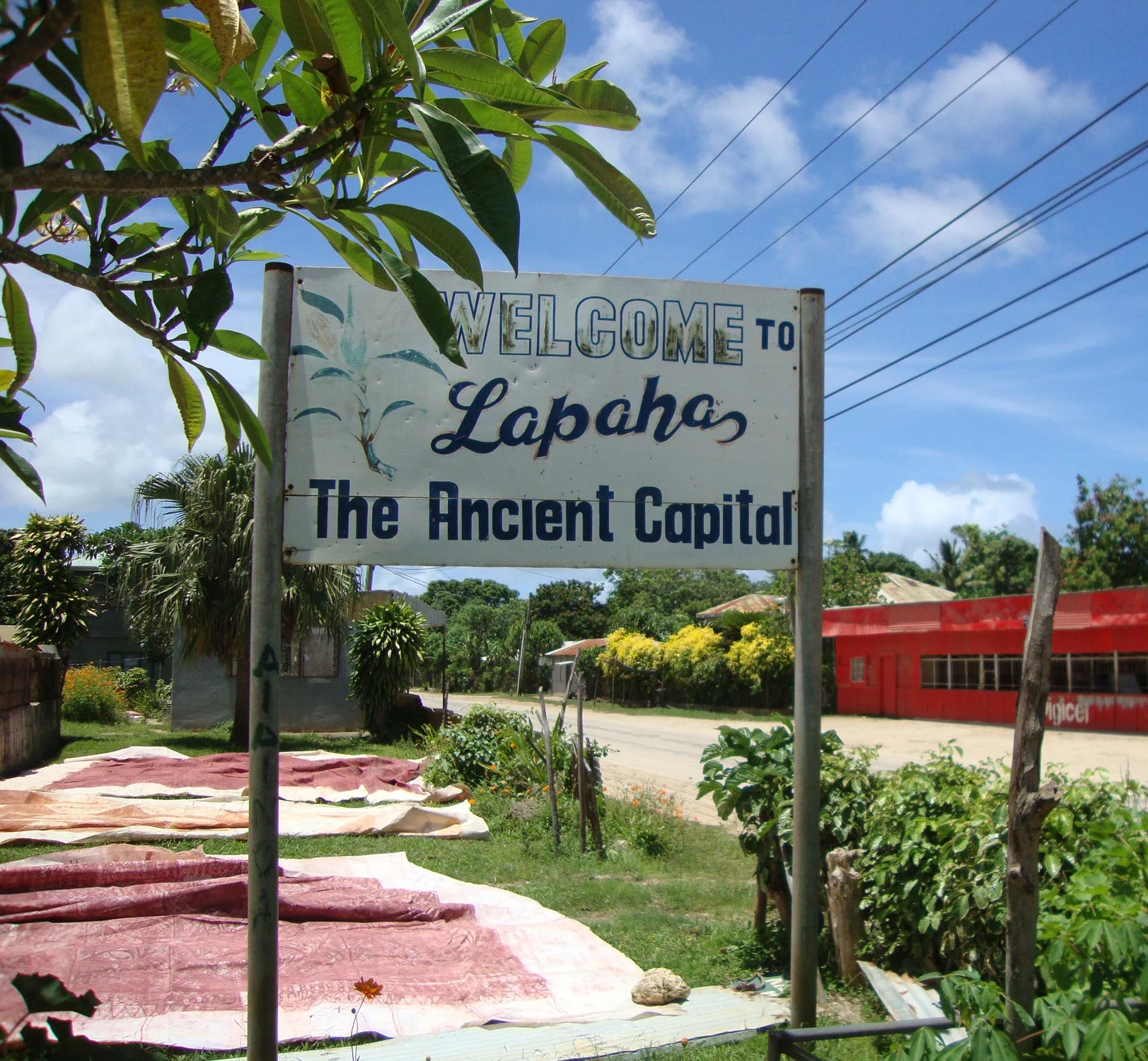
Then continue to Muʻa and Lapaha, where the centre of power moved and where royal funerary architecture is concentrated. The langi are not ruins to climb or backdrops for an intrusive photo session: they are funerary structures connected with a dynastic tradition whose memory still carries cultural weight. Paepae ʻo Teleʻa is one of the most visible references, but it is also worth observing how the tombs are integrated into the settlement, roads and domestic gardens.
The Heketā–Lapaha sequence offers a way to read a change of seat, harbour and political organisation. It is better approached as a historical route linking two places than as a race to “see the essentials” of the whole island.
A car, pre-arranged taxi or local guide makes logistics easier
Haʻamonga and Lapaha are outside Nukuʻalofa and some distance apart, so the most flexible option is usually a rental car, a taxi hired for several hours or a local driver-guide. Local buses do operate on Tongatapu, but services may be limited and they are not a reliable basis for linking these two visits on a tight schedule.
Drivers should be prepared to drive on the left, share the road with pedestrians and animals, and avoid driving at night. Bring water, sun protection and simple but sturdy footwear: visiting the monuments does not require a long walk, although the ground may be uneven, grassy or damp.
Before renting, confirm with the company and the relevant authority which permit or licence is accepted for your nationality. Also check fuel availability, insurance and any collection requirements. These rules and services may change.
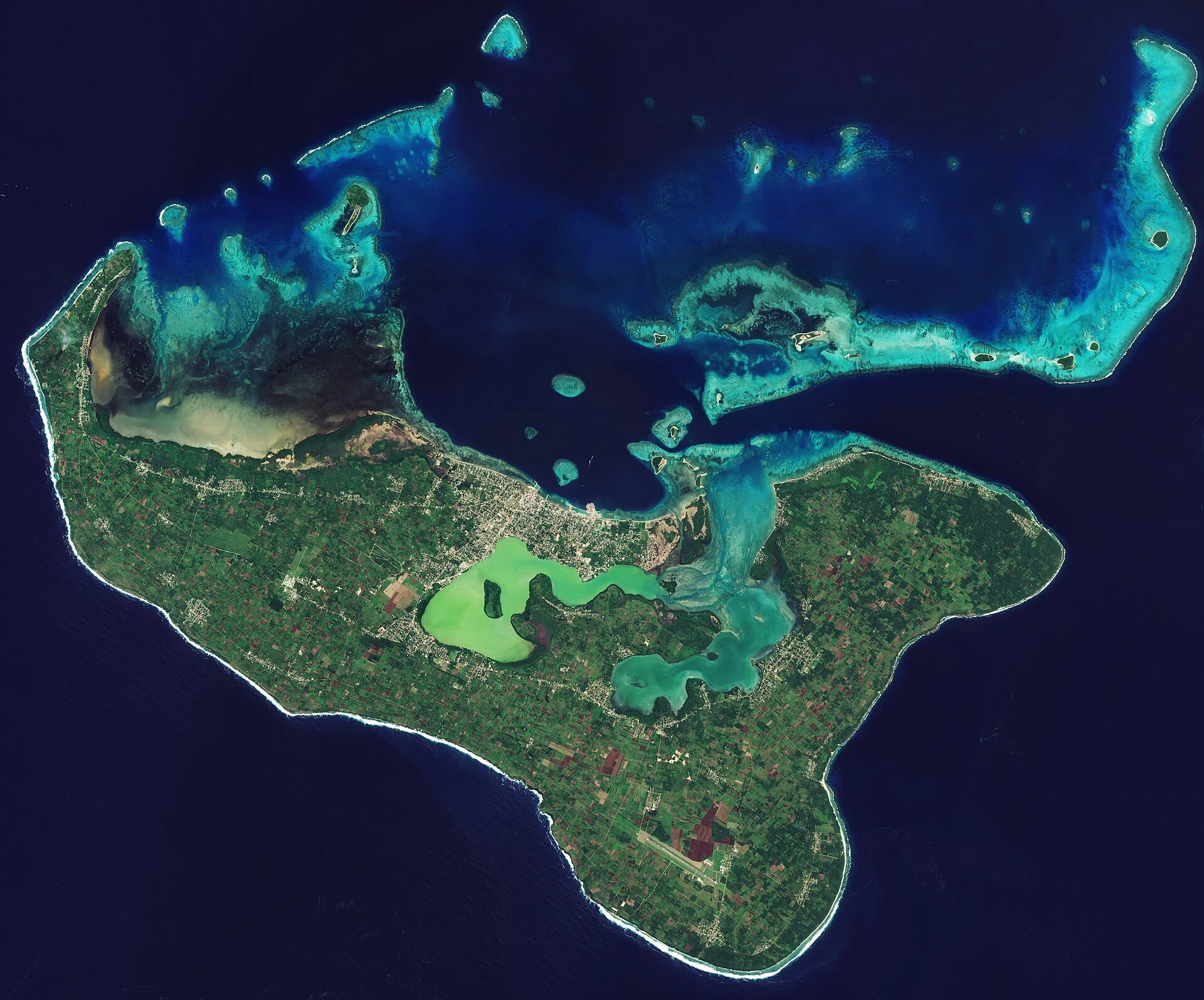
Visit a lived-in landscape, not a museum enclosure
In Lapaha, heritage sites stand alongside homes, churches, roads and land used in everyday life. Stay on paths and in designated passage areas, do not climb the langi, move stones or objects, and ask before photographing people, houses or community activities. Modest clothing—covering the shoulders and knees away from the beach—is a practical and respectful choice, especially in villages and places of ceremonial importance.
If your stay falls on a Sunday, redesign your plans. In Tonga, Sunday has central religious and family significance; many shops and services reduce their activity or close altogether. Rather than forcing an excursion, leave room for logistics, listen to hymns from outside a church if you have not been invited in, or ask your accommodation what practices are appropriate.
This caution also improves the experience: the history of the Tuʻi Tonga is understood not only through the scale of the stones, but through the ways respect, hierarchy, family and mutual obligations continue to organise Tongan social life.
A realistic half-day itinerary
Allow four or five hours from Nukuʻalofa, including travel, breaks and the pace of each stop. Leave early or go in the late afternoon to avoid the strongest sun, and do not base your plan on bus timetables. Start at Haʻamonga ʻa Maui, taking time to walk around the trilith and read any available panels; then head to Muʻa/Lapaha to explore the langi at an unhurried pace.
Do not turn the route into a search for quick archaeological certainties. The trilith does not need comparisons with European monuments to be significant, and the tombs are not monumental scenery detached from the community. If you want detailed interpretation of titles, lineages or protocols, a Tongan guide can provide context that signage alone cannot convey.
Keep an alternative in Nukuʻalofa in case of heavy rain, transport changes or local restrictions. The island’s geography itself calls for plans with some flexibility, not minute-by-minute schedules.
Sources to check before travelling
To verify the historical context and heritage-listing status: UNESCO World Heritage Centre, the entry for The Ancient Capitals of the Kingdom of Tonga.
For maps, site locations, cultural guidance and tourist services: Tonga Tourism Authority, Tongatapu cultural heritage guide, highlights map and visitor information.
For current road, transport and weather conditions and safety advice: Australian Government Smartraveller, Tonga travel advice.
Check directly with these organisations, as well as your accommodation or provider, for access hours, available transport, driving rules, weather conditions and any changes related to Sunday or community events.
References consulted during editorial review. Times, requirements and advisories may change: always confirm with the official source.
- https://whc.unesco.org/en/tentativelists/5167 whc.unesco.org
- https://whc.unesco.org/en/statesparties/to whc.unesco.org
- https://www.tongaholiday.com/page_id-1123/ www.tongaholiday.com
- https://en.wikipedia.org/wiki/Monuments_of_Tonga en.wikipedia.org
- https://whc.unesco.org/document/168061 whc.unesco.org
- https://unosat.org/static/unosat_filesystem/2635/Tonga%20cultural%20heritage%20damage%20assessment%2023_02_18_v2.pdf unosat.org
- https://www.tongatourism.travel/see-and-do/all-things-to-see-and-do www.tongatourism.travel
- https://www.doc.govt.nz/documents/about-doc/role/international/taonga-pasifika.pdf www.doc.govt.nz
- Tonga WikidataCC0 1.0 Wikidata · Q678
- Tonga WikidataCC0 1.0 Wikidata · Q10699844
- Tonga WikidataCC0 1.0 Wikidata · Q24829349
- Tonga WikidataCC0 1.0 Wikidata · Q25185463
- Tonga WikidataCC0 1.0 Wikidata · Q7820954
- Tonga World Countries — mledozeODbL 1.0 World countries dataset by mledoze and contributors · ODbL 1.0
- Tonga World Bank Open DataCC BY 4.0 World Bank
- Tonga DBpediaCC BY-SA 3.0 DBpedia
- Niutoua GeoNamesDatos geográficos bajo CC BY 4.0; requiere atribución a GeoNames. Fuente: GeoNames
- Niutōua, Vahe Lapaha, Tongatapu, Tonga OpenStreetMapODbL 1.0; atribución y obligación de compartir bases derivadas. Fuente: OpenStreetMap