Travel decision
Haiti Requires Postponing Any Tourist Trip
The Citadelle, Sans-Souci and other Haitian cultural expressions deserve attention, but the current context means that a tourist trip should not be planned.
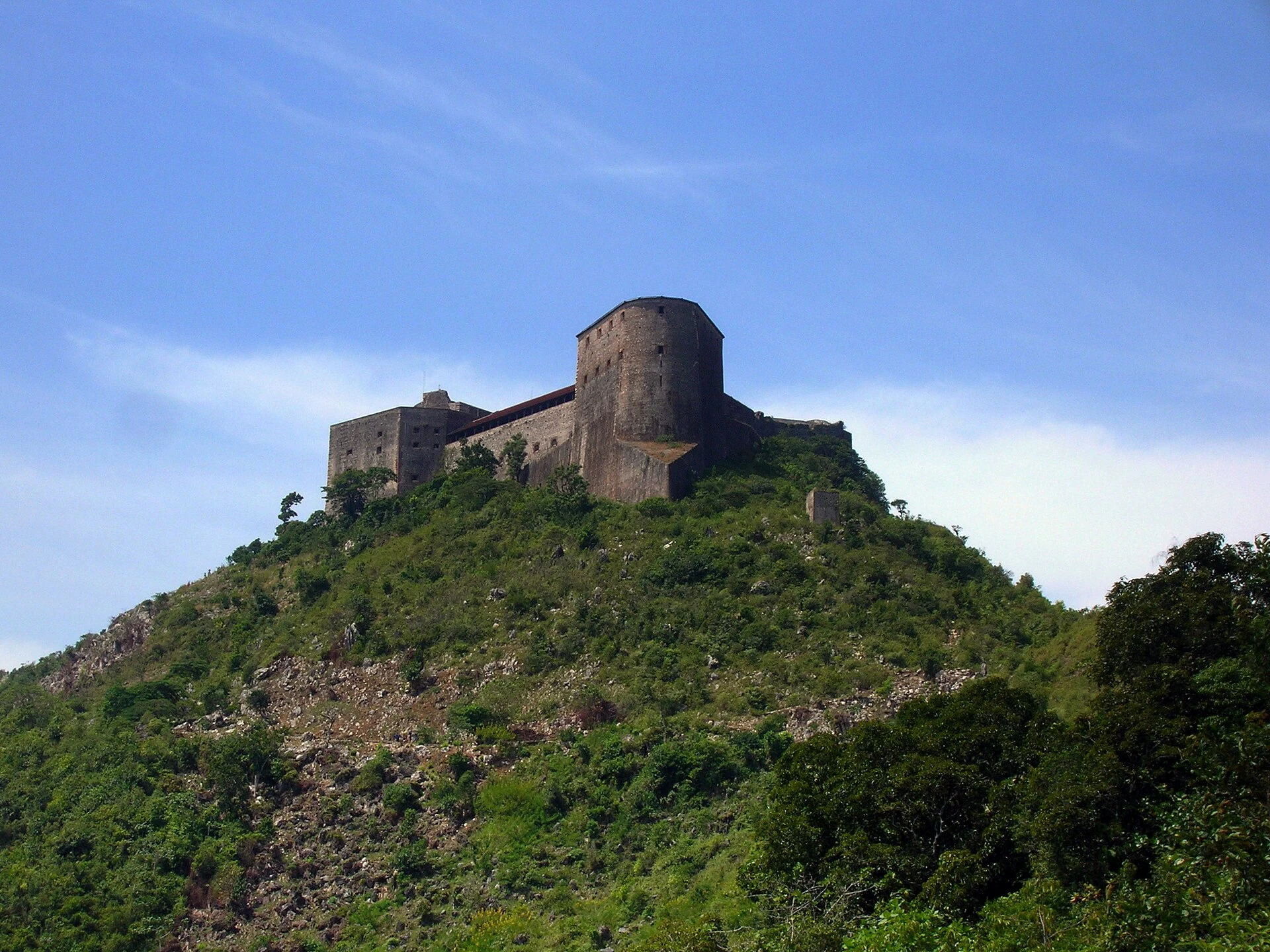
Haiti brings together a defining history for the Caribbean and for struggles for freedom: the Citadelle Henry, Sans-Souci Palace and Ramiers complex preserves a material reading of the independence achieved in 1804. However, the fact that should guide any decision today is different: it is not a destination suitable for tourism. Widespread insecurity, fragile services and the volatility of travel conditions make it responsible to postpone the trip, rather than look for a route supposedly isolated from risk.
The practical decision is not to travel now
The authorities of the United States and Canada maintain their highest-level recommendation for Haiti: do not travel. The reasons cited include armed violence, kidnapping, civil unrest, limited healthcare capacity and rapid changes in conditions on the ground. This is not a situation that can be resolved by hiring private transport, restricting yourself to a particular city or booking well in advance.
For someone comparing flights, accommodation or excursions, the useful conclusion is to stop making non-refundable bookings. Anyone with a family, professional or humanitarian connection that makes travel essential should treat it as an exceptional journey, with a professional security assessment, communication plans and constant review of the consular advisories issued for their own nationality.
The historic north is not outside the national context
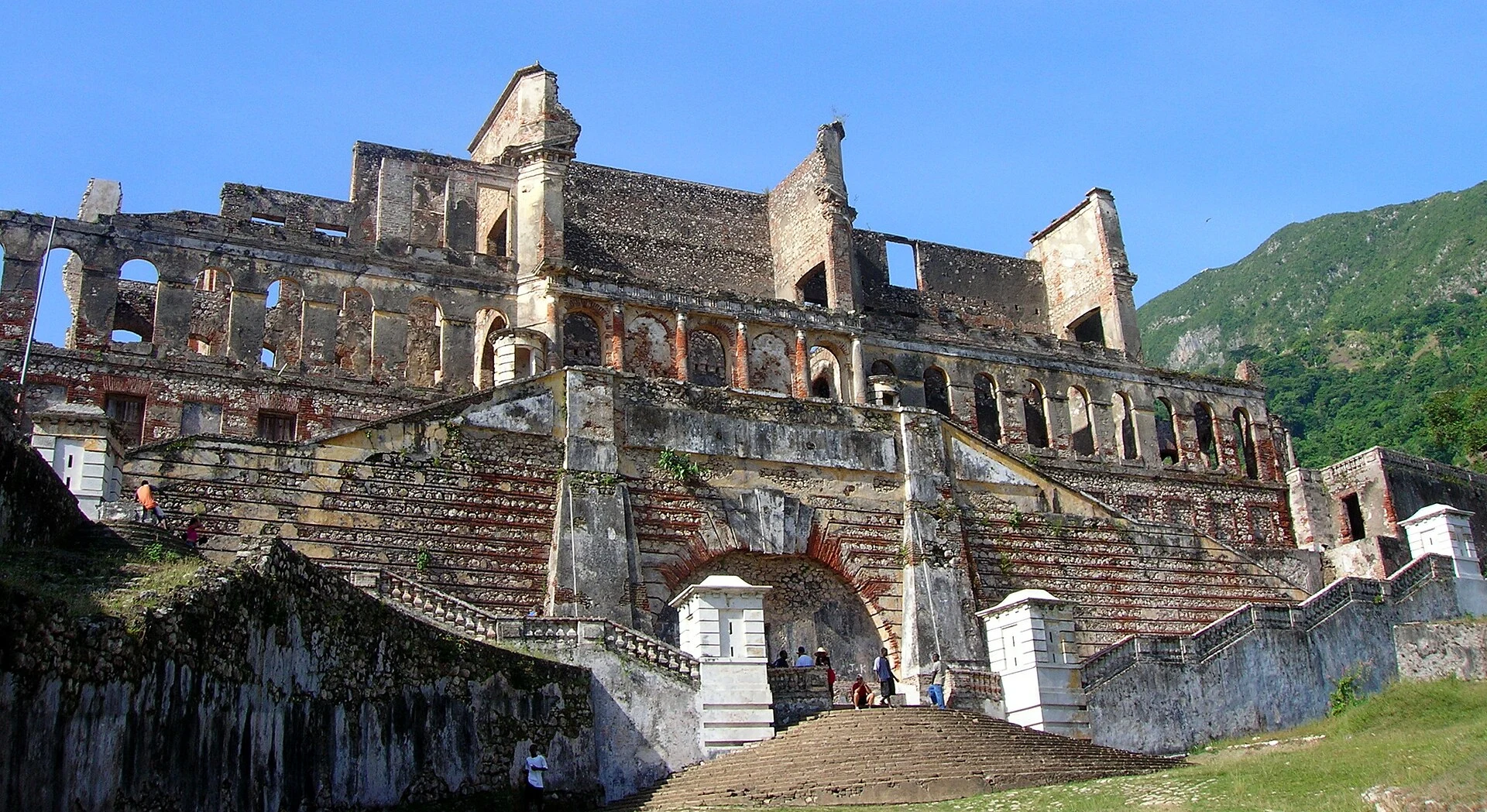
The National Historic Park comprising the Citadelle Henry, Sans-Souci and Ramiers lies in the north of the country, in a mountainous landscape near Milot. It is an exceptional concentration of military architecture, state power and the memory of emancipation: the fortress was conceived to protect the young republic, while Sans-Souci served as the seat of Henri Christophe’s kingdom.
That location does not make the site a safe tourist alternative. The possibility of reaching it, the continuity of services, the condition of the roads and access conditions may change. Visitors should not assume that an internationally recognised monument has care, transport or assistance comparable to that of stable destinations.
What to understand before a future visit
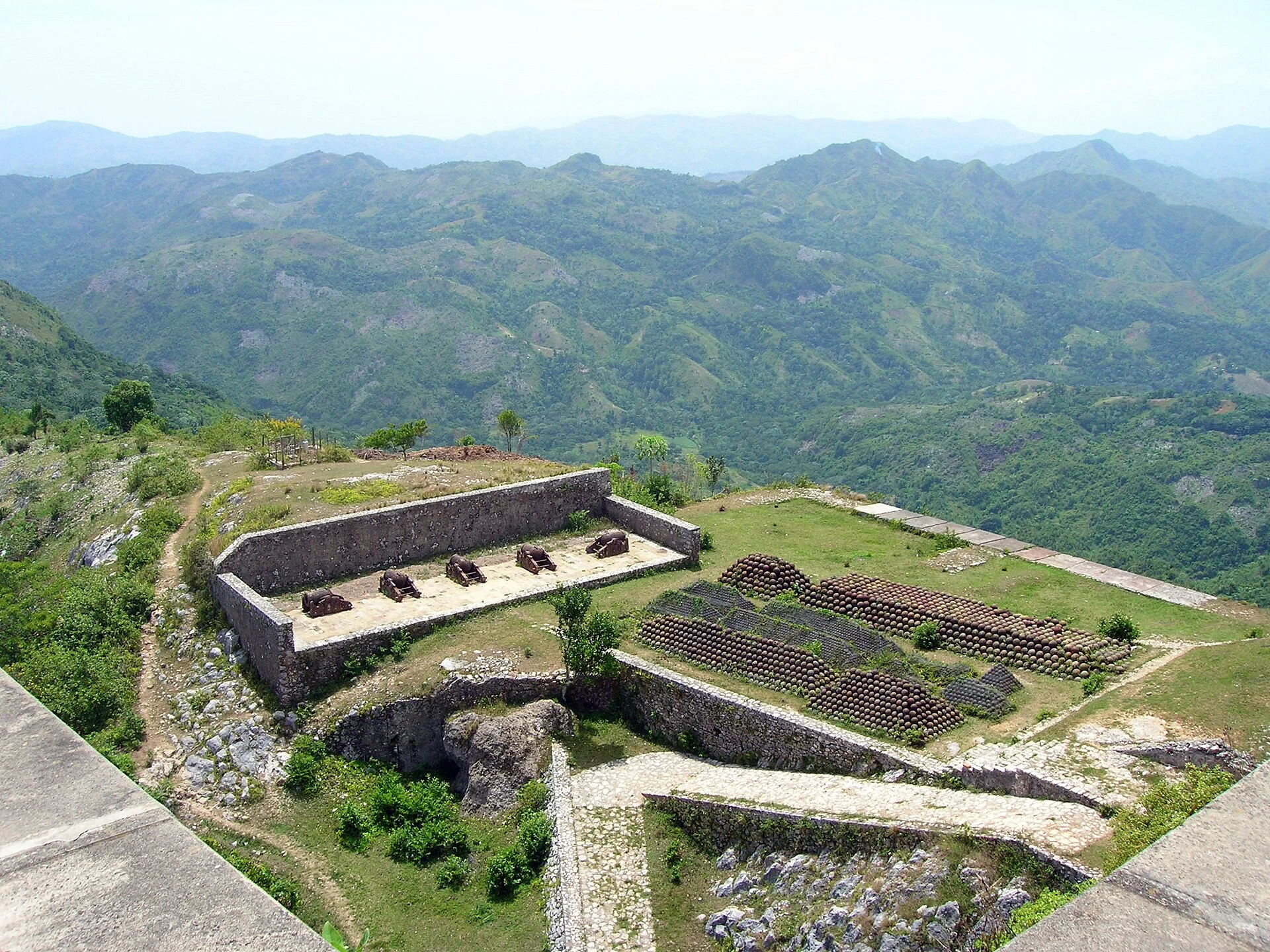
A future stay in the park would make more sense if approached as a territory with historical layers, rather than as a fortress photograph. The Citadelle expresses a defensive strategy built after independence; Sans-Souci shows how administrative, residential and ceremonial functions were concentrated around Milot; Ramiers completes the territorial logic of fortified positions.
It is also important to hold two ideas at once: these buildings are symbols of freedom for Haiti and were part of a political order led by Henri Christophe. This complexity prevents the site from being reduced to a heroic image or a picturesque ruin. A respectful reading begins with the Haitian Revolution, independence and the communities that remain connected to this landscape.
Heritage that requires care, not promises of access
The complex has international recognition, but its conservation faces material and management challenges. Rain and water infiltration affect fragile structures; in addition, planning for the protection of the surrounding area and the road near the park has been subject to specialised monitoring. Recognised heritage does not mean heritage that is immune to damage, nor does it guarantee tourist infrastructure.
If the country’s circumstances change in the future, it will be advisable to consult the Haitian institution responsible for heritage first, and then cross-check the information with international conservation sources. Only then would it make sense to verify whether visits, local accompaniment, authorised routes, ascent conditions, fees and opening hours are available. Until there is recent official information and a security context compatible with travel, these options should not be presented as available.
A more useful way to engage with Haiti for now
Postponing the trip does not mean relegating Haiti to a warning note. It is a good time to approach its history through studies of the Haitian Revolution, works by Haitian authors and cultural projects led by Haitian voices. This preparation makes it possible to understand why the national historic park matters without turning a crisis affecting the population into a tourism opportunity.
For a future decision, apply three filters in this order: official travel advisory, the actual feasibility of entering and leaving, and direct confirmation of the site’s conditions. If any of them fails, postpone again. Responsible travel does not mean accepting extraordinary risks to complete an itinerary.
References to check before travelling
- The United States Department of State’s travel advisory for Haiti, updated on 23 July 2026.
- The Government of Canada’s travel advice and advisories for Haiti, updated on 9 September 2026.
- The United Kingdom Foreign, Commonwealth & Development Office’s travel advice for Haiti.
- The World Heritage Centre’s profile and follow-up decisions for the National Historic Park — Citadelle, Sans-Souci, Ramiers.
- United Nations information on the humanitarian and security situation in Haiti.
Security advisories, borders, air connectivity, consular services and visiting conditions are time-sensitive data: check them directly in these official sources before making any decision.
References consulted during editorial review. Times, requirements and advisories may change: always confirm with the official source.
- https://whc.unesco.org/en/list/180 whc.unesco.org
- https://whc.unesco.org/fr/list/180 whc.unesco.org
- https://whc.unesco.org/en/statesparties/ht whc.unesco.org
- https://whc.unesco.org/en/list/180/maps/ whc.unesco.org
- https://whc.unesco.org/en/list/180/documents whc.unesco.org
- https://whc.unesco.org/en/documents/176950 whc.unesco.org
- https://whc.unesco.org/en/decisions/4760 whc.unesco.org
- https://whc.unesco.org/en/decisions/8871 whc.unesco.org
- Haití WikidataCC0 1.0 Wikidata · Q790
- Haiti WikidataCC0 1.0 Wikidata · Q104592396
- Haiti World Countries — mledozeODbL 1.0 World countries dataset by mledoze and contributors · ODbL 1.0
- Haiti World Bank Open DataCC BY 4.0 World Bank
- Haiti DBpediaCC BY-SA 3.0 DBpedia
- Estudio preliminar CrossrefMetadatos públicos; derechos específicos por campo cuando correspondan Crossref
- La importancia de llamarse República Dominicana, o por qué nombrarse de otra forma que no sea Haití CrossrefMetadatos públicos; derechos específicos por campo cuando correspondan Crossref