Geographic, Cultural, and Practical Context
Haiti: The Island of Hispaniola and Key Travel Insights
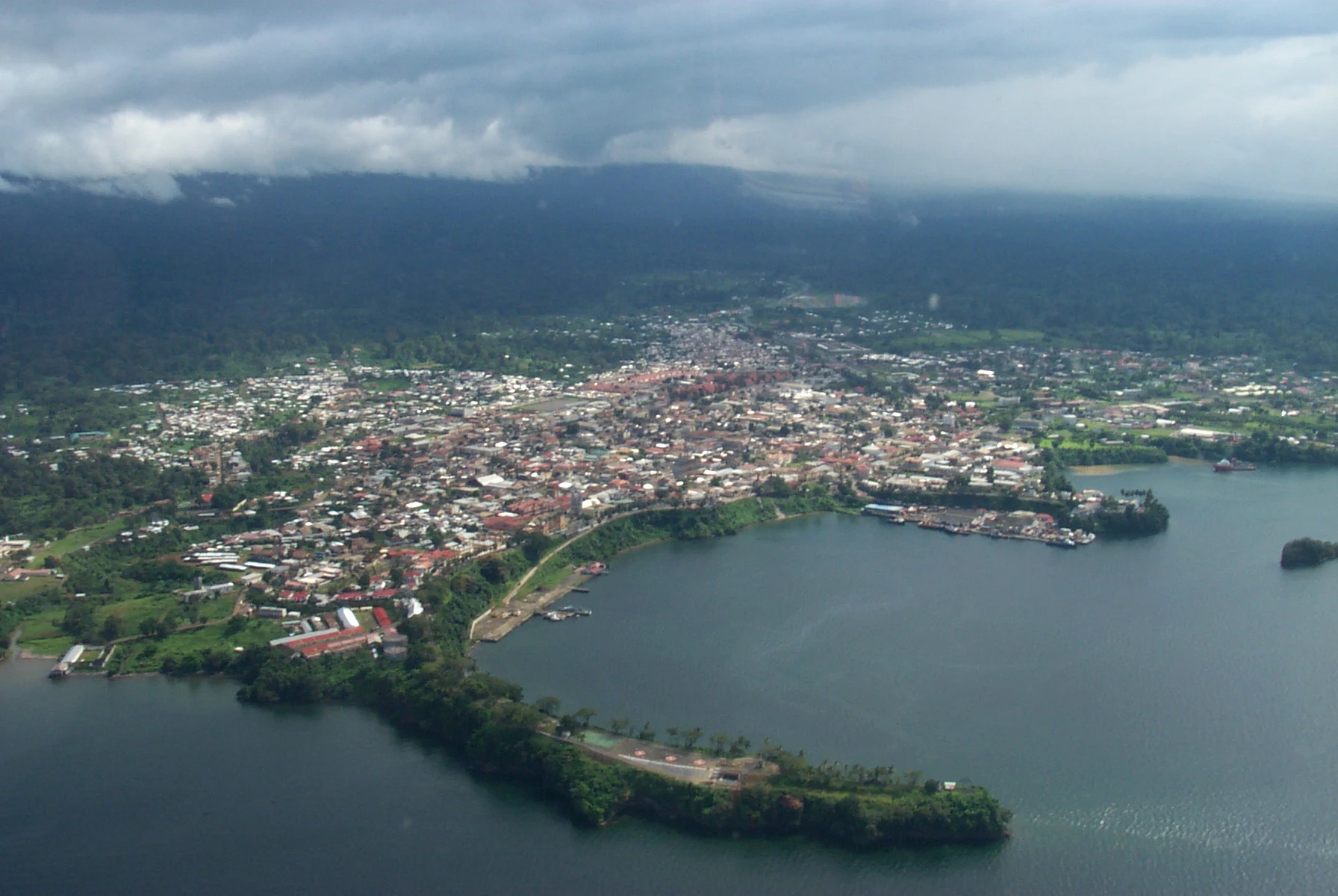
Haiti occupies the western part of Hispaniola, the second-largest island in the Caribbean. With Port-au-Prince as its capital and Haitian Creole as the daily language, the country offers a unique identity in the hemisphere. This guide compiles geographic, linguistic, and transport data to contextualize the trip before planning.
journal.travel Atlas
Photography pending verification
Haiti is a Caribbean island nation that shares the island of Hispaniola with the Dominican Republic. Its capital, Port-au-Prince, is located in the Ouest department and concentrates most of the country's urban infrastructure. Unlike other Caribbean destinations, Haiti is not just a beach destination but a territory with a political and cultural history that defines its current identity. Travelers must understand that Haitian Creole is the language of daily use, although French maintains an institutional role. Understanding this linguistic duality and the island's geography is the first step toward planning a responsible and realistic visit.
Geography and Location in the Caribbean
Haiti is situated in the Americas, specifically in the Caribbean subregion. According to geographic data, the country has access to the sea and its central position in the Greater Antilles grants it strategic relevance. The island of Hispaniola is home to two nations, implying a land border that crosses the island. For the traveler, this means Haiti is a destination that must be understood in its insular and shared context. The capital, Port-au-Prince, acts as the main entry point and the center of urban life, with a population exceeding one million according to geonames records. The geography of the country is varied, although available information focuses on national identity and the location of its capital.
Languages and Everyday Communication
In Haiti, communication is a key factor for interacting with the local population. The country has two official languages: French and Haitian Creole. While French is used in administration, formal education, and official documents, Haitian Creole is the mother tongue of the vast majority of the population and the medium of communication in daily life, commerce, and social relations. For the traveler, learning a few basic phrases in Haitian Creole can be a form of respect and a practical tool to facilitate communication in markets and local transport. One should not assume that Spanish, although close, is sufficient for fluid interaction, given that Creole has its own grammatical and lexical structure. Understanding this linguistic reality is essential for a more authentic travel experience and less dependence on intermediaries.
Currency and Economic Considerations
The official currency of Haiti is the Haitian gourde (HTG). When planning the trip, it is important to consider that cash use is predominant in most local transactions. Although the US dollar may be accepted in some tourist or high-end establishments, the gourde is the standard unit of exchange for daily life. The country's economy is classified as lower-middle income by the World Bank, which influences the prices of local services and products. Travelers must verify exchange rates and currency availability before arrival, as fluctuations can affect the travel budget. Specific prices should not be invented, but it is prudent to carry cash in gourdes for small expenses and local transport, ensuring greater flexibility and respect for the local economy.
Air Access and Transportation
The main air entry point to Haiti is Toussaint Louverture International Airport (IATA code: PAP), located near Port-au-Prince. This airport is the country's main connectivity hub, although flight routes and frequencies may vary. Given that flight data is dynamic, travelers must confirm available flight options, operating airlines, and entry requirements directly with official sources or airlines before booking. One should not assume that historical routes continue operating without changes. Once in the country, land transport is the main way to move, although road infrastructure may present challenges. Internal transport planning must be flexible and realistic, taking into account local conditions and the need to verify available services at the time of travel.
Historical and Cultural Context
Haiti has a rich and complex history that has shaped its national identity. It was the first country in Latin America and the Caribbean to gain independence, a fact that distinguishes it in the hemisphere's history. This colonial and independence past has left a deep mark on Haitian culture, politics, and society. The country is a member of the Caribbean Community (CARICOM) and the International Organization of La Francophonie, reflecting its regional and linguistic ties. For the traveler, understanding this historical context is fundamental to appreciating the resilience and cultural creativity of the Haitian population. History is not just a narrative of the past, but a living force that influences how Haitians view their present and future. Visiting Haiti is, to a large extent, a journey through this shared and unique history.
Practical Considerations for the Traveler
Before traveling to Haiti, it is crucial to conduct updated research on security, health, and entry requirements. The situation in the country can change rapidly, so it is recommended to consult your government's travel alerts and trusted local sources. Travelers must be prepared for an experience that may differ from other Caribbean tourist destinations, with greater immersion in local reality. Responsibility is a key word: traveling respectfully, supporting the local economy, and being aware of the impact of one's presence. One should not make assumptions about security or stability, but base decisions on verified and updated information. Careful planning and flexibility are essential for a successful and meaningful visit to Haiti.
References consulted during editorial review. Times, requirements and advisories may change: always confirm with the official source.
- Haití WikidataCC0 1.0 Wikidata · Q790
- Haiti WikidataCC0 1.0 Wikidata · Q104592396
- Haiti World Countries — mledozeODbL 1.0 World countries dataset by mledoze and contributors · ODbL 1.0
- Port-au-Prince GeoNamesDatos geográficos bajo CC BY 4.0; requiere atribución a GeoNames. Fuente: GeoNames
- Port-au-Prince GeoNamesDatos geográficos bajo CC BY 4.0; requiere atribución a GeoNames. Fuente: GeoNames
- Haiti World Bank Open DataCC BY 4.0 World Bank
- Haiti DBpediaCC BY-SA 3.0 DBpedia
- Geopolítica de la reconstrucción de Haití y la cooperación insular en La Hispaniola OpenAlexCC0 1.0 OpenAlex
- El sector energético en Haití. Problemas en la implementación de Políticas Públicas y su impacto sobre el desarrollo agropecuario. OpenAlexCC0 1.0 OpenAlex
- Estudio preliminar CrossrefMetadatos públicos; derechos específicos por campo cuando correspondan Crossref
- La importancia de llamarse República Dominicana, o por qué nombrarse de otra forma que no sea Haití CrossrefMetadatos públicos; derechos específicos por campo cuando correspondan Crossref
- Toussaint Louverture International Airport OpenFlightsODbL 1.0 (base de datos) / DbCL 1.0 (contenidos) Toussaint Louverture International Airport · OpenFlights · ODbL 1.0