Essential facts before going deeper
Hungary, Budapest and the forint: a first orientation
A concise introduction to Hungary’s place in Central Europe, its capital, main language and currency before you plan an itinerary.
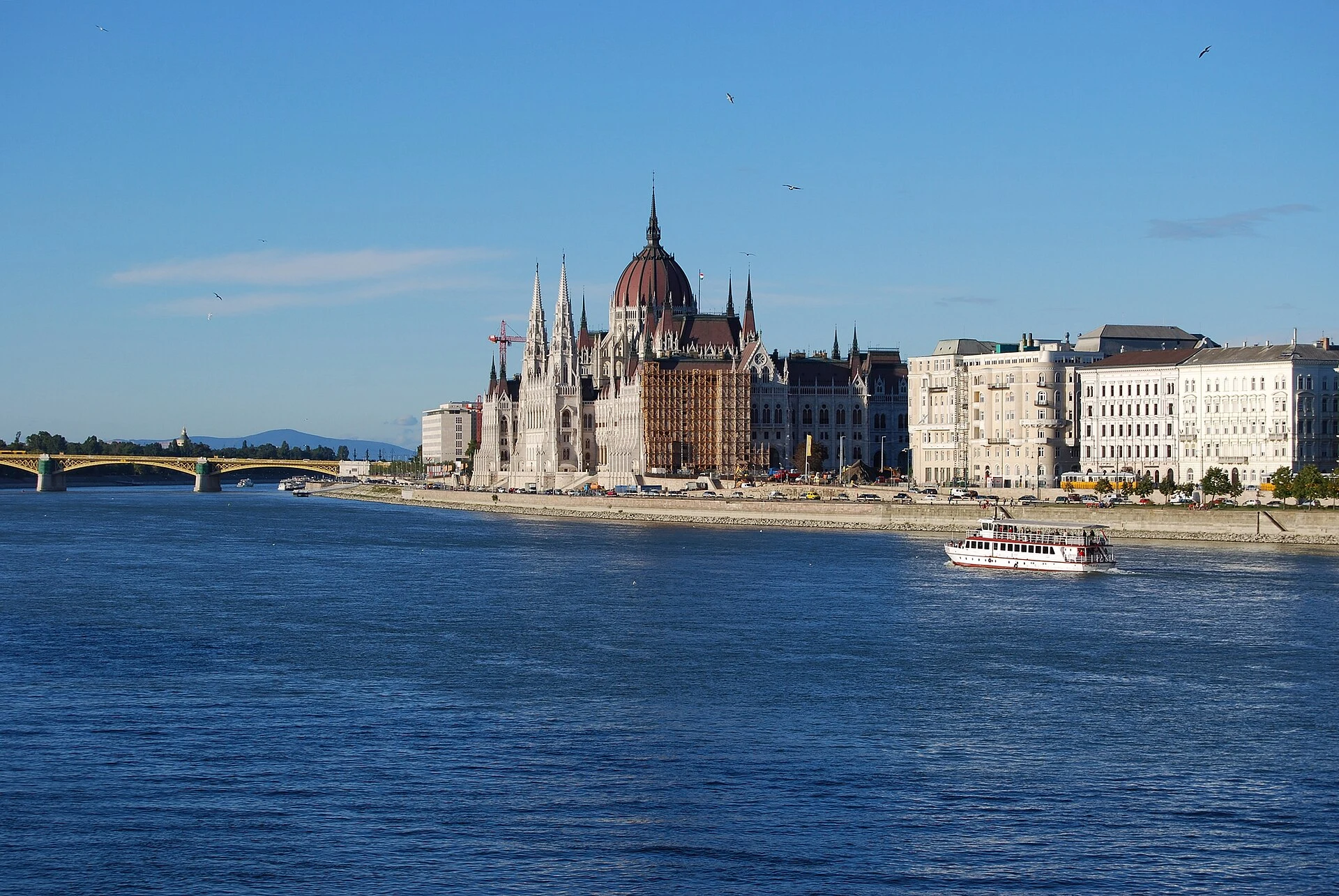
Before choosing cities or routes, it is useful to establish four reference points about Hungary: it is a landlocked country in Central Europe, its capital is Budapest, Hungarian is its official language and its currency is the Hungarian forint. This initial orientation helps you read maps, compare practical information and identify which aspects of the trip require further research.
A landlocked country in Central Europe
Hungary is located in Central Europe, in the Carpathian Basin, and has no access to the sea. It borders Slovakia, Ukraine, Romania, Serbia, Croatia, Slovenia and Austria. This inland position helps explain why travel through the country is organised around land connections and cities rather than a coastline.
For a first look at the map, Budapest is the essential reference: it is the capital and the country’s largest city.
Language and currency: two details to establish first
The official language is Hungarian, a Uralic language and one of the widely spoken European languages that does not belong to the Indo-European family. Recognising it on signs, maps and place names helps avoid assuming linguistic affinities that the available evidence does not support.
The national currency is the Hungarian forint, identified by the symbol Ft. Before travelling, check up-to-date sources for payment conditions, exchange rates and the specific options available during your stay.
Budapest is not the whole urban picture
Alongside Budapest, reference information identifies Debrecen, Szeged, Miskolc, Pécs and Győr among Hungary’s main urban areas. These names are useful for broadening later research beyond the capital, but this overview does not provide enough information about connections, accommodation, specific attractions or visiting times.
The practical decision is straightforward: use Budapest as your national point of orientation, then decide which city or region deserves specific research based on your interests and the time available.
What to check before finalising your plans
This overview cannot confirm entry requirements, transport, opening hours, accessibility, costs or safety conditions. These are variable factors that should be checked with official sources and current providers before booking.
It is also worth confirming which payment methods are accepted and any operational changes affecting the use of the forint during your specific travel dates.
References
Sources consulted: World Countries — mledoze, Hungary record; DBpedia, Hungary entity; Wikidata, Hungary entity Q28; World Bank Open Data, Hungary profile. Structured data was used as general guidance on geography, language and currency.
References consulted during editorial review. Times, requirements and advisories may change: always confirm with the official source.
- Hungría WikidataCC0 1.0 Wikidata · Q28
- Hungría WikidataCC0 1.0 Wikidata · Q5905268
- Hungría WikidataCC0 1.0 Wikidata · Q5943060
- Hungria WikidataCC0 1.0 Wikidata · Q37294662
- Hungary World Countries — mledozeODbL 1.0 World countries dataset by mledoze and contributors · ODbL 1.0
- Hungary World Bank Open DataCC BY 4.0 World Bank
- Hungary DBpediaCC BY-SA 3.0 DBpedia