Guyana · forest and Rupununi
Iwokrama: combining the canopy walkway, river and mountain
Iwokrama is best experienced as a stay of several nights: the canopy walkway, the Essequibo and Turtle Mountain offer very different rhythms and levels of exertion.
Conditions described in the guide: confirm current requirements and access with the official source before travelling.
Iwokrama is not a quick excursion from Georgetown, but a remote base where the journey shapes the experience as much as the forest does. Booking several nights allows you to alternate unhurried wildlife observation, river travel and a hike with elevation gain, without turning every activity into a race against transport schedules. It is also a place to understand that your visit takes place within a territory shaped by research, conservation and ties with Rupununi communities.
The key decision is time, not the species checklist
The most coherent plan is to spend three or four nights in Iwokrama and accept that travelling from Georgetown takes up a substantial part of a day. Local accommodation offers combinations of road transfers, flights and onward transport, but timetables, road conditions, baggage allowances and availability change: confirm them directly before buying international flights.
With two nights, choose between a night outing on the Essequibo, the elevated walkway and nearby trails. An additional night allows for a more complete option: sleeping at the Turtle Mountain camp and leaving time for river travel, the canopy and the return journey. This structure does not guarantee sightings—the wildlife does not follow a schedule—but it does reduce the pressure to chase them.
Do not approach the area as a destination for self-driving without careful planning. The access road is long, and driving conditions in Guyana deserve separate consideration; for a first visit, organised transfers simplify the logistics and avoid reliance on fragile connections.
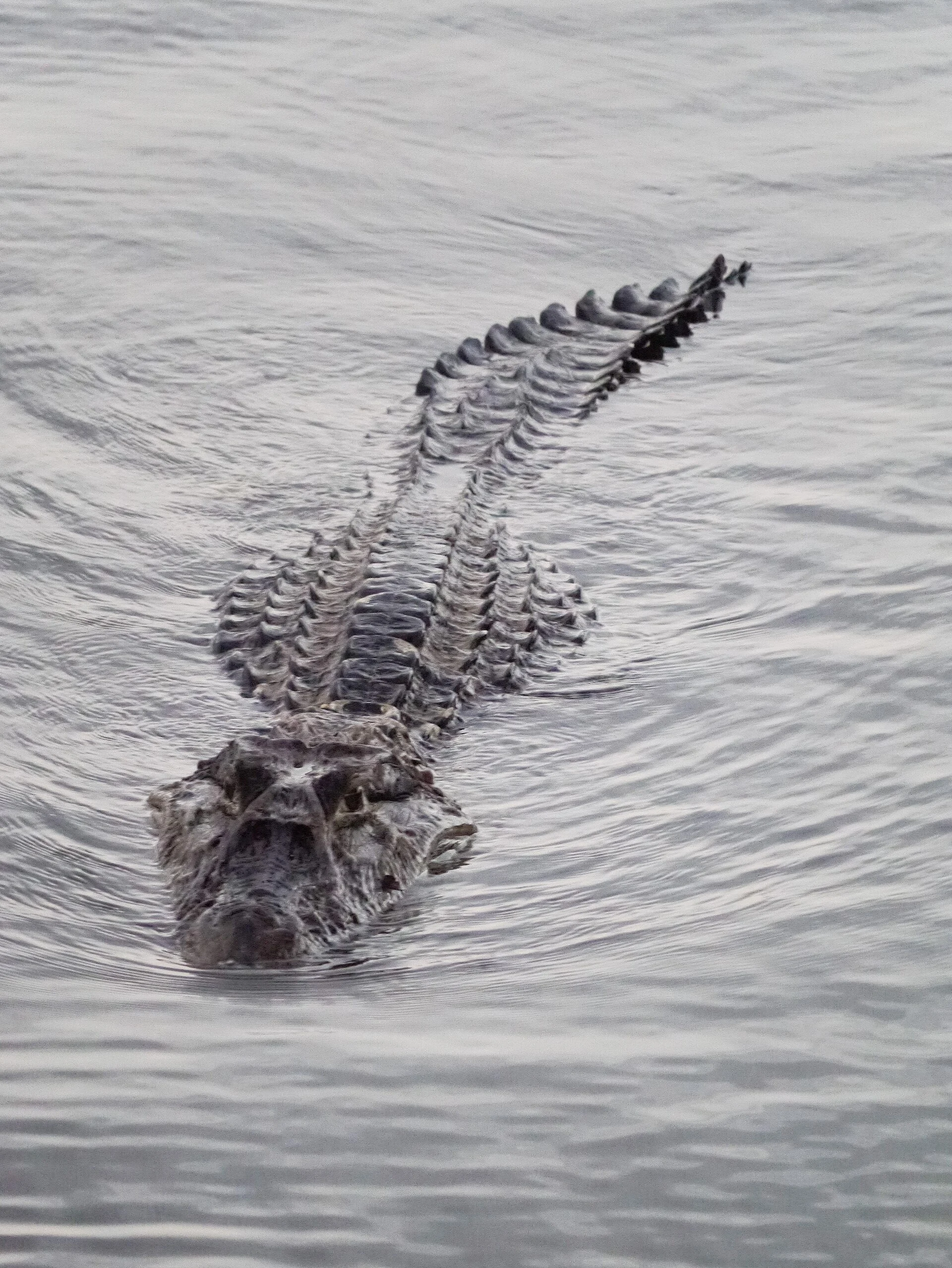
Canopy, river and mountain: three ways to experience the forest
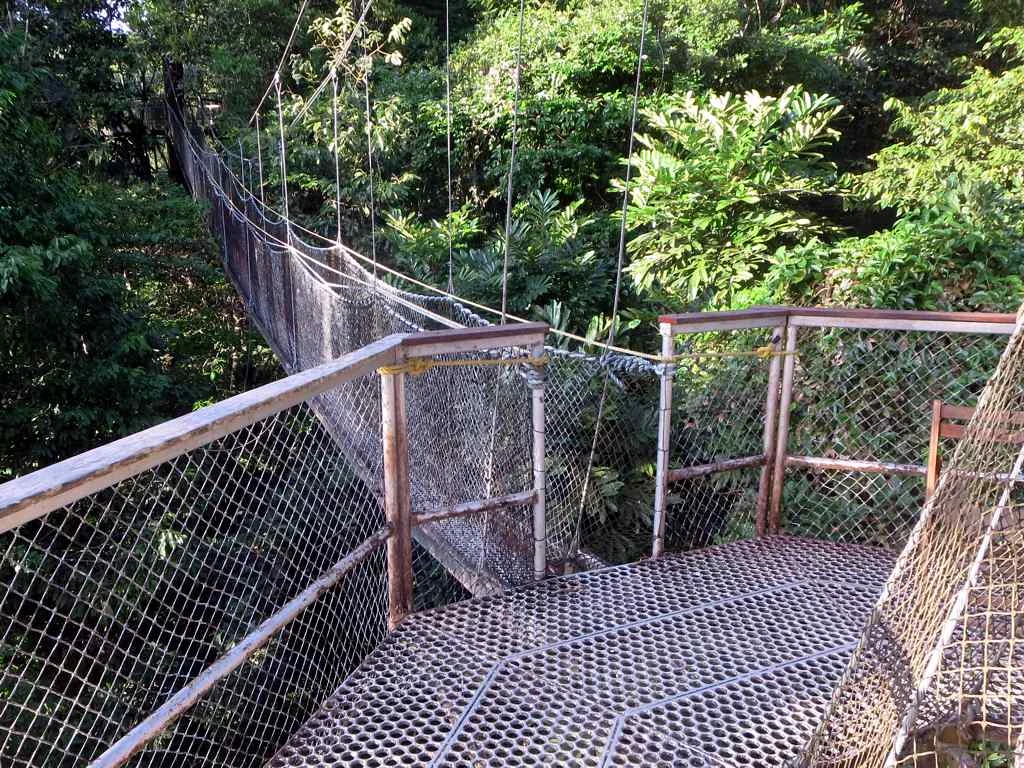
The canopy walkway is the right choice for anyone who wants to observe the forest from above without undertaking a mountain day. It consists of suspended bridges and platforms; it is memorable for birdwatching and for understanding the different forest layers, but it is not the best activity if heights or the movement of a suspended structure cause anxiety.
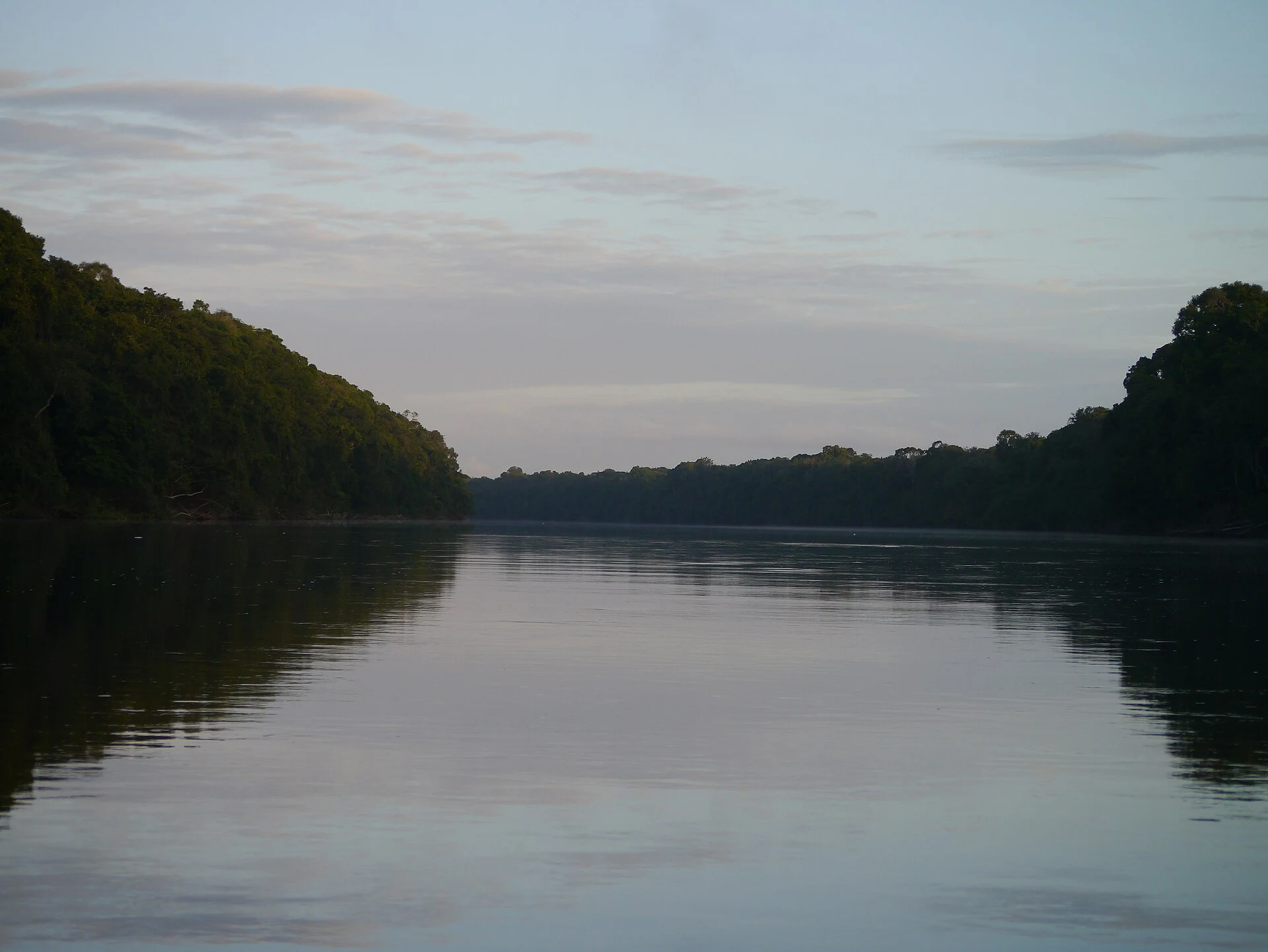
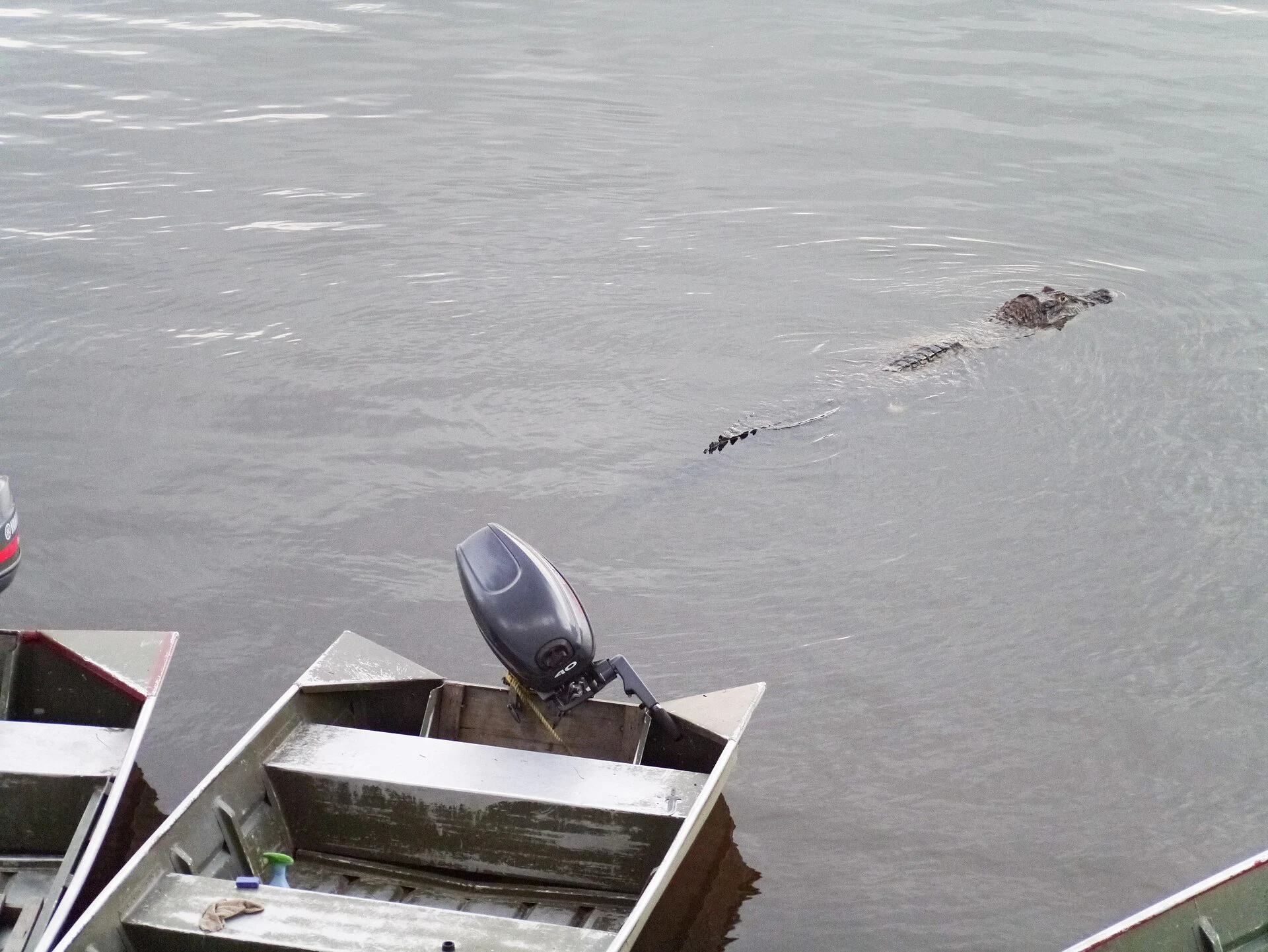
The Essequibo River offers a different experience. Boat outings, including night trips, shift your attention towards riverbanks, sounds and reflections; take a waterproof layer for your equipment, ask about life jackets and avoid turning the activity into a relentless search for animals. Keeping your distance is part of respecting wildlife, especially at night.
Turtle Mountain is the option that raises the physical level of the trip. The climb to the summit, at around 290 metres, is described as moderately demanding and usually takes between an hour and a half and two hours from the start of the hike. Choose it if you are steady on uneven ground, cope well with heat and humidity and can walk at a sustained pace. It is not an automatic add-on to the walkway: it is a day to prioritise.
Petroglyphs and Fair View: visit with context, not shortcuts
Stops at the Kurupukari rapids may include petroglyphs whose appearance depends on the water level. Do not assume they will be visible: ask the local team whether river conditions allow them to be appreciated, and do not touch or climb on the engraved surfaces. The value of the visit lies not in obtaining a quick image, but in recognising a cultural record that requires care.
Fair View is the only community located within the Iwokrama forest, and visits can open a conversation about Makushi history and culture. Do not treat it as a compulsory stop or as a backdrop for photographs. Ask which parts of the visit are appropriate, request permission before photographing people, homes or activities, and buy crafts only when the community offers them directly.
This perspective also helps you read Iwokrama more accurately: conservation does not mean the absence of people. The forest is at once a place of research, territorial management and community life; listening to guides and hosts contributes more than trying to compress everything into a single night.
What to confirm before booking
Confirm the door-to-door itinerary in writing: your pick-up point in Georgetown, mode of transport, departure time, baggage, meals, accommodation and which activities are included. Rates, surcharges, payment terms and any conservation fees vary and should be verified with the accommodation provider before paying anything.
Also ask about communications and power. Connectivity at the lodge may be affected by technological and weather conditions, so download documents, share your itinerary and bring a power bank before leaving the capital.
For river travel, use registered services only and make sure life jackets are provided. Also check the official information on health, entry requirements, security and road conditions applicable to your nationality. Urban safety in Georgetown and night transfers require their own planning; they should not be improvised at the beginning or end of a stay inland.
Sources to check before booking
- Iwokrama International Centre and Iwokrama River Lodge: available activities, Turtle Mountain duration, transfers, connectivity, availability, fees and payment terms.
- Guyana Tourism Authority: conservation context, operators and general travel planning for Guyana.
- Visit Rupununi: community tourism initiatives and possible extensions to Surama, Rewa or other Rupununi communities.
- UK Government travel advice for Guyana: security, driving, boating, weather and updated recommendations.
Check these details immediately before booking and departing: operating and safety conditions may change.
References consulted during editorial review. Times, requirements and advisories may change: always confirm with the official source.
- https://iwokrama.org/ iwokrama.org
- https://iwokrama.org/iwokrama-policies/ iwokrama.org
- https://iwokrama.org/about/ iwokrama.org
- https://iwokrama.org/wp-content/uploads/2026/04/IIC-Annual-Report-2025-email.pdf iwokrama.org
- https://iwokrama.org/wp-content/uploads/2023/03/AR_2022sml.pdf iwokrama.org
- https://iwokrama.org/wp-content/uploads/2023/03/2020_Annual_Report_Final-sml.pdf iwokrama.org
- https://iwokrama.org/our-work/sustainable-tourism/tourism-updates/ iwokrama.org
- https://iwokrama.org/wp-content/uploads/2016/01/Packages.pdf iwokrama.org