Kigali, Rwanda
Kigali Genocide Memorial: a thoughtful visit to the Gisozi site
The Gisozi memorial calls for time, emotional preparation and a respectful approach. This guide helps you decide when to go, how to get there and what to expect.
Conditions described in the guide: confirm current requirements and access with the official source before travelling.
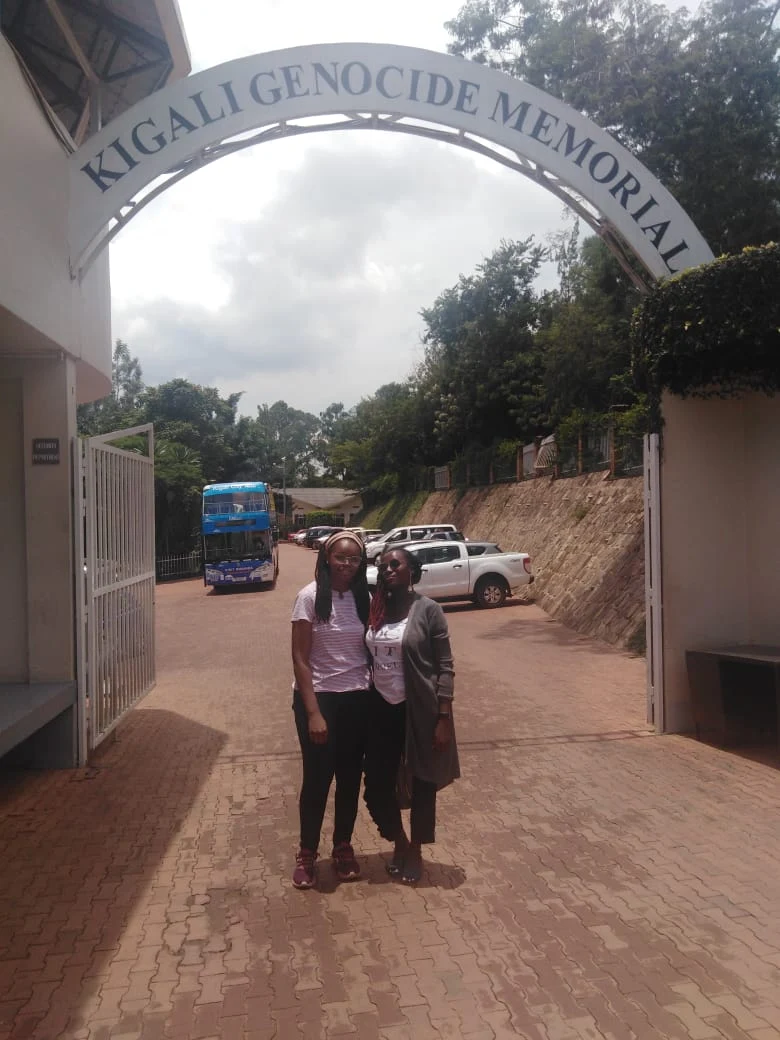
The Kigali Genocide Memorial is not an interchangeable cultural stop: it is a burial place, a site of remembrance and a place for learning about the 1994 Genocide against the Tutsi. A well-planned visit sets aside time for listening and reflection, not only for the exhibitions; it also means understanding that the images, testimonies and gardens are part of a historical experience of mass violence and ongoing grief.
It is in Gisozi, within Kigali, and can fit into an urban stay, but it is worth leaving time before and afterwards. The most important practical decision is simple: go calmly, accept that the visit may be emotionally intense and carefully follow the site's rules.
Gisozi: a memorial, a burial place and a learning centre
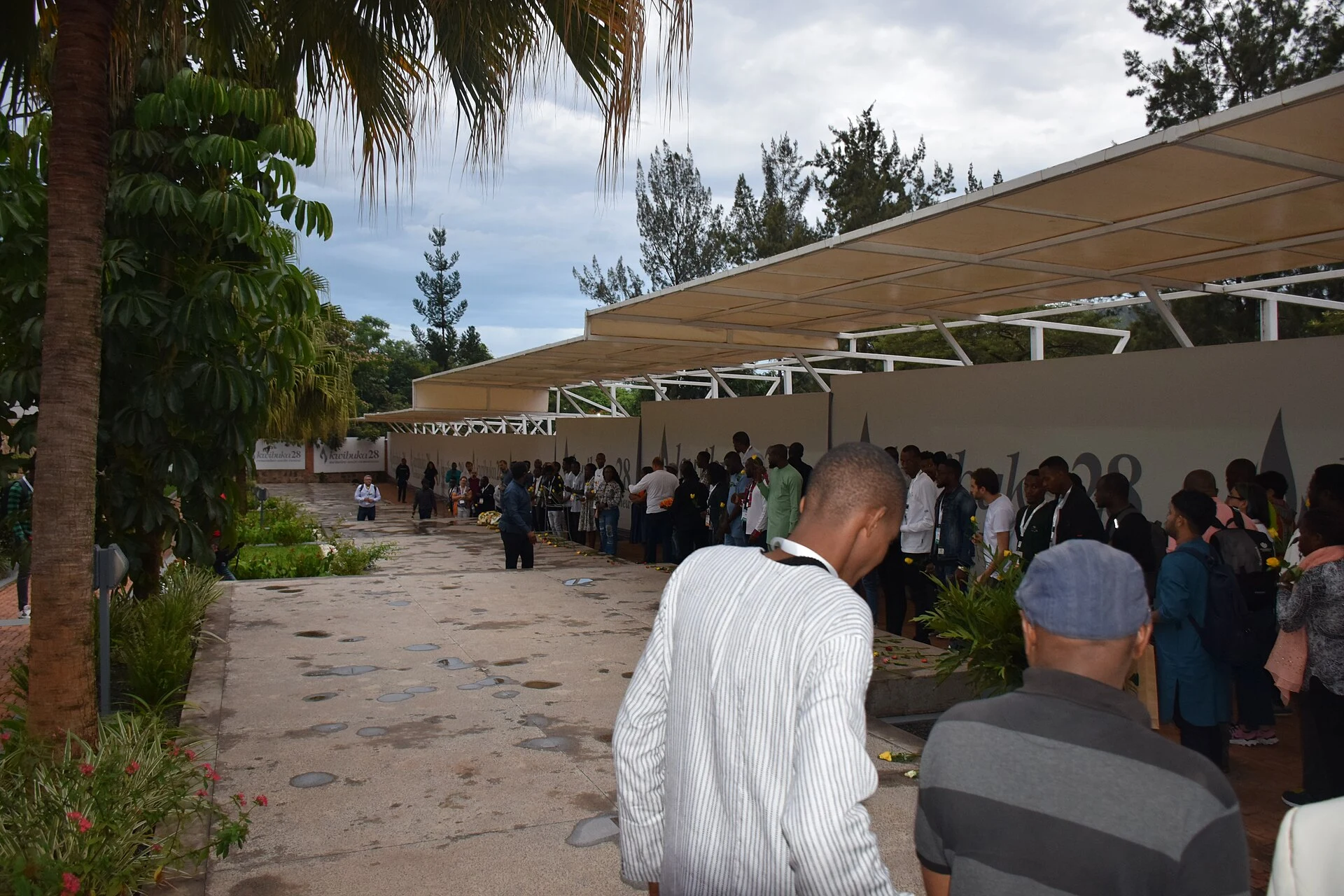
The site brings together historical exhibitions, testimonies, archives, memorial gardens and mass graves where more than 250,000 victims are buried. This combination explains why it should not be visited like a conventional museum: the galleries provide context about the history of Rwanda, the genocide and the subsequent processes of justice and reconstruction, while the outdoor areas are also places of mourning.
The inscription of Gisozi, together with Nyamata, Murambi and Bisesero, on the World Heritage List recognises a group of remembrance sites connected to the Genocide against the Tutsi. For anyone visiting only Gisozi, this connection helps place it within Rwanda's national geography of remembrance, without suggesting that a single visit can encompass every experience or survivor's story.
The best approach is to listen, read and allow for silence. Avoid treating the garden, graves or displayed objects as a backdrop for personal content. The memorial permits outdoor photography under its conditions, but not in the permanent exhibitions; check the current policy before going, especially if you are travelling with professional equipment.
How much time to allow and how to plan the day
Set aside at least an hour and a half to see the memorial in full, and longer if you choose a guided visit or want to spend time in the exhibitions. In practice, a whole morning or afternoon works better than fitting it between several activities in Kigali: this way you do not need to rush or leave straight for lunch, a market or a long journey.
Guided visits and audio resources provide useful structure for visitors arriving without prior knowledge. Some guides are survivors, so an accompanied visit should be understood as an opportunity to learn, not as a request for intimate accounts. Listen without pressing, avoid intrusive questions and let the memorial's own mediation set the tone.
General admission, opening hours, exceptional closures and guide options are details that can change. Check them before travelling, particularly if your visit falls on the last Saturday of the month, a commemoration date or the day an organised group is visiting.
Getting there from central Kigali without making the journey difficult
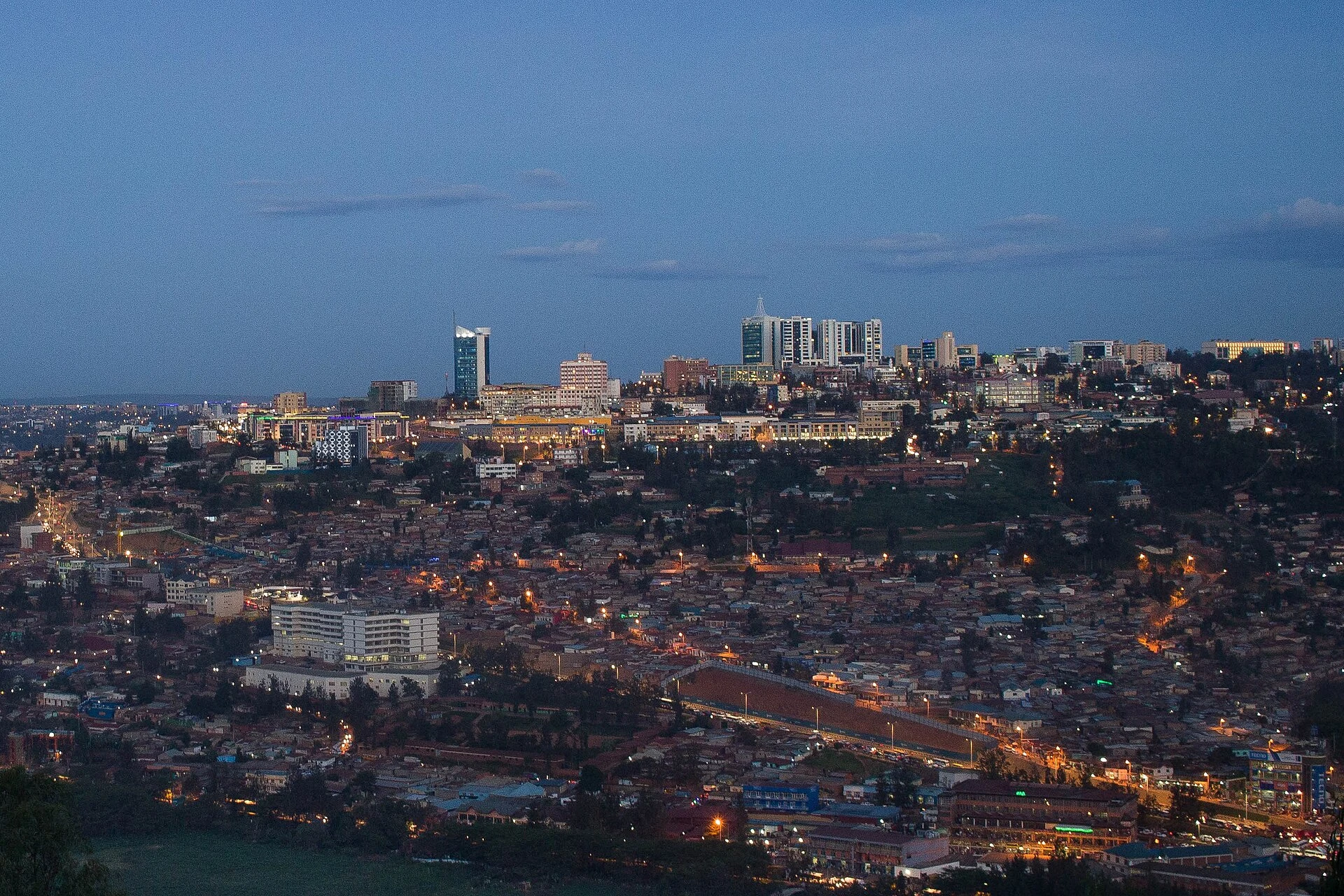
Gisozi lies north of central Kigali. The most direct option is usually a taxi or a vehicle with a driver; the memorial also indicates a nearby bus stop at Kinamba, from which there is an uphill walk. This alternative may suit travellers who already move confidently around the city, but it is not necessarily the simplest choice if you have luggage, reduced mobility or little time.
For a less fragmented day, arrive early, arrange a pick-up afterwards or leave enough time to request transport when you exit. Do not assume that transport will run at the same pace as in a central commercial area. If you take the bus, confirm the local route and stop on the same day.
Much of the outdoor area is accessible to wheelchair users, but the permanent exhibitions include stairs. The memorial states that it can arrange assistance and a wheelchair on request. This should be coordinated before arrival, rather than automatically assumed to be available.
Rules that protect the meaning of the site
Dressing and behaving respectfully are essential parts of the visit. Do not walk on the mass graves or eat and drink in the gardens or galleries; the site has a separate café for that purpose. There are also security checks on entry and age restrictions for the exhibitions, so families should check the current conditions before including the memorial in their itinerary.
After the tour, the gardens can offer space to process what you have seen, but there is no single correct way to respond. Some people prefer to remain silent; others want to consult additional materials or talk with their companion. The responsible approach is to keep the experience within the framework proposed by the site and not expect staff, guides or local visitors to represent a single perspective on Rwanda.
If your stay allows you to visit other sites of memory in the country, prepare for each one separately. Distances, transport, visiting arrangements and emotional weight vary greatly from one site to another.
References to check before setting out
Consult the Kigali Genocide Memorial's visitor page and Know Before You Go section for opening hours, closures, bookings, guided visits, photography rules, minimum age and accessibility. Check UNESCO's entry for the Genocide Memorial Sites—Nyamata, Murambi, Gisozi and Bisesero—for heritage and historical context. To plan travel around the city and visits to other places in Kigali, cross-check the information with Visit Rwanda's official destination guide.
Opening hours, access conditions, urban transport, security measures and assistance services may change: confirm them directly with these institutions before visiting.
References consulted during editorial review. Times, requirements and advisories may change: always confirm with the official source.
- https://kgm.rw/visit/ kgm.rw
- https://kgm.rw/visit/know-before-you-go/ kgm.rw
- https://www.unesco.org/en/articles/kwibuka-rwanda-1994-remembering-genocide-against-tutsi-0 www.unesco.org
- https://kgm.rw/bill-gates-pays-respects-at-the-kigali-genocide-memorial/ kgm.rw
- https://kgm.rw/visit/guestbook/ kgm.rw
- https://kgm.rw/kigali-genocide-memorial-remembrance-and-learning-tours/ kgm.rw
- https://whc.unesco.org/document/221116 whc.unesco.org
- https://kgm.rw/kigali-genocide-memorial-to-host-kwibuka-conversation-on-the-root-causes-of-genocide/ kgm.rw
- Ruanda WikidataCC0 1.0 Wikidata · Q1037
- Ruanda WikidataCC0 1.0 Wikidata · Q7375711
- Ruanda WikidataCC0 1.0 Wikidata · Q7375712
- Ruanda WikidataCC0 1.0 Wikidata · Q35283154
- Rwanda World Countries — mledozeODbL 1.0 World countries dataset by mledoze and contributors · ODbL 1.0
- Rwanda World Bank Open DataCC BY 4.0 World Bank
- Rwanda DBpediaCC BY-SA 3.0 DBpedia
- Kigali Genocide Memorial, KG 14 Avenue, Gasabo District, City of Kigali, Rwanda OpenStreetMapODbL 1.0; atribución y obligación de compartir bases derivadas. Fuente: OpenStreetMap
- Gisozi GeoNamesDatos geográficos bajo CC BY 4.0; requiere atribución a GeoNames. Fuente: GeoNames
- Gisozi GeoNamesDatos geográficos bajo CC BY 4.0; requiere atribución a GeoNames. Fuente: GeoNames
- Gisozi, City of Kigali, Rwanda OpenStreetMapODbL 1.0; atribución y obligación de compartir bases derivadas. Fuente: OpenStreetMap