Norway · Trøndelag
Røros on foot and by train: a mining town that is still lived in
Røros’s centre can be explored without a car, but its mining landscape requires you to decide which parts to visit, how to reach the mine and which conditions to check before setting out.
Conditions described in the guide: confirm current requirements and access with the official source before travelling.
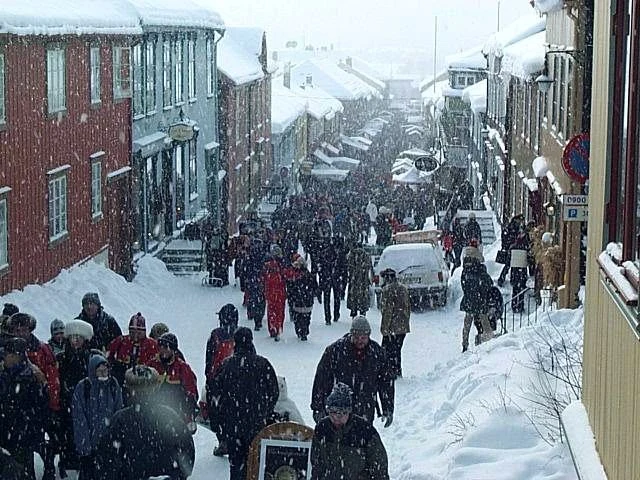
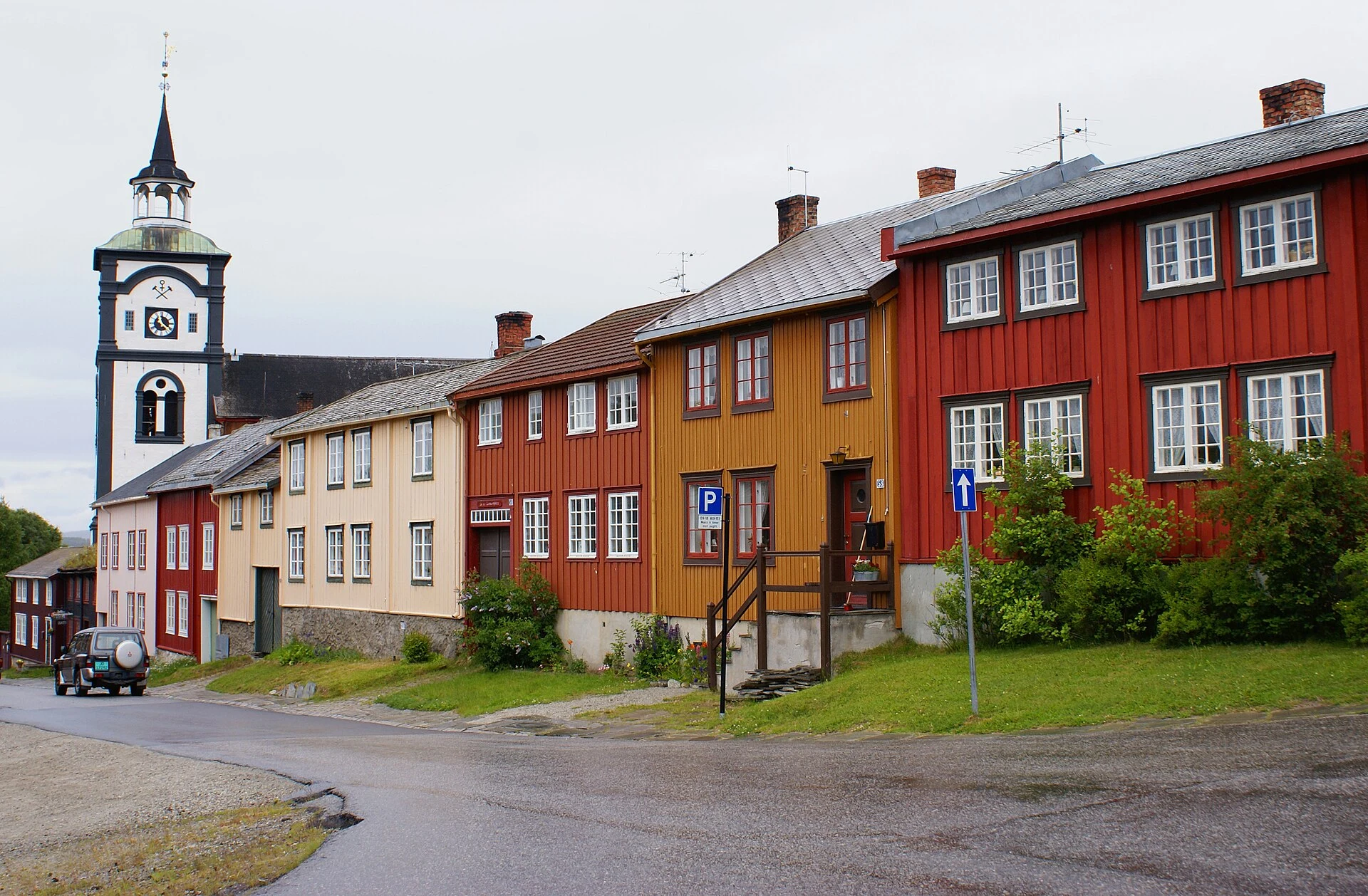
Røros is best understood as a working, residential town, not as a backdrop of dark façades. Copper shaped its houses, courtyards, smelter, transport routes and surrounding land; today, this whole setting remains lived in and protected. The practical choice is simple: allow time to explore the town centre on foot, and add Olavsgruva only if you can arrange the journey and are interested in entering the material history of extraction.
The heritage begins in the street, but does not end there
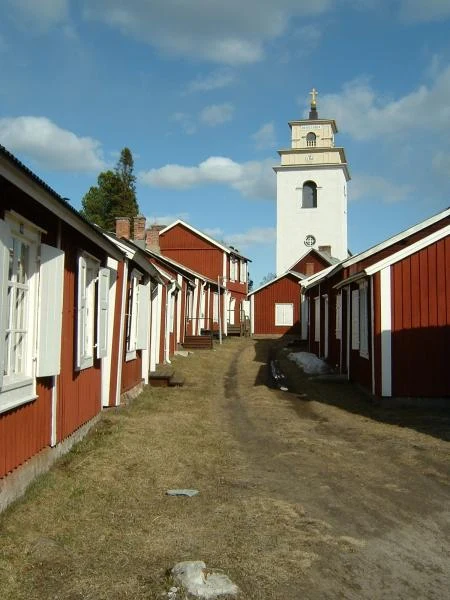
Røros’s heritage listing covers the mining town and a much larger territory: rural and industrial landscapes, the remains of smelters and an old winter transport route. That is why it is worth avoiding a visit limited to photographing Kjerkgata. The courtyards, stables and homes show that mining employment coexisted with small household farms; Smelthytta, built over the ruins of the last smelter, helps connect this urban form with copper.
Start at the museum to establish a chronology, then explore the centre at an unhurried pace. A guided town tour links Smelthytta with Røros Church and offers a useful thread on conservation and everyday change. If you prefer to explore independently, the Sámi history audio guide provides stops around the town and avoids presenting the area as if it began with mining: it includes stories of families, trade, accommodation and reindeer herding. Hearing these voices before interpreting the landscape gives you a fuller understanding of the place.
A railway base for a car-free weekend
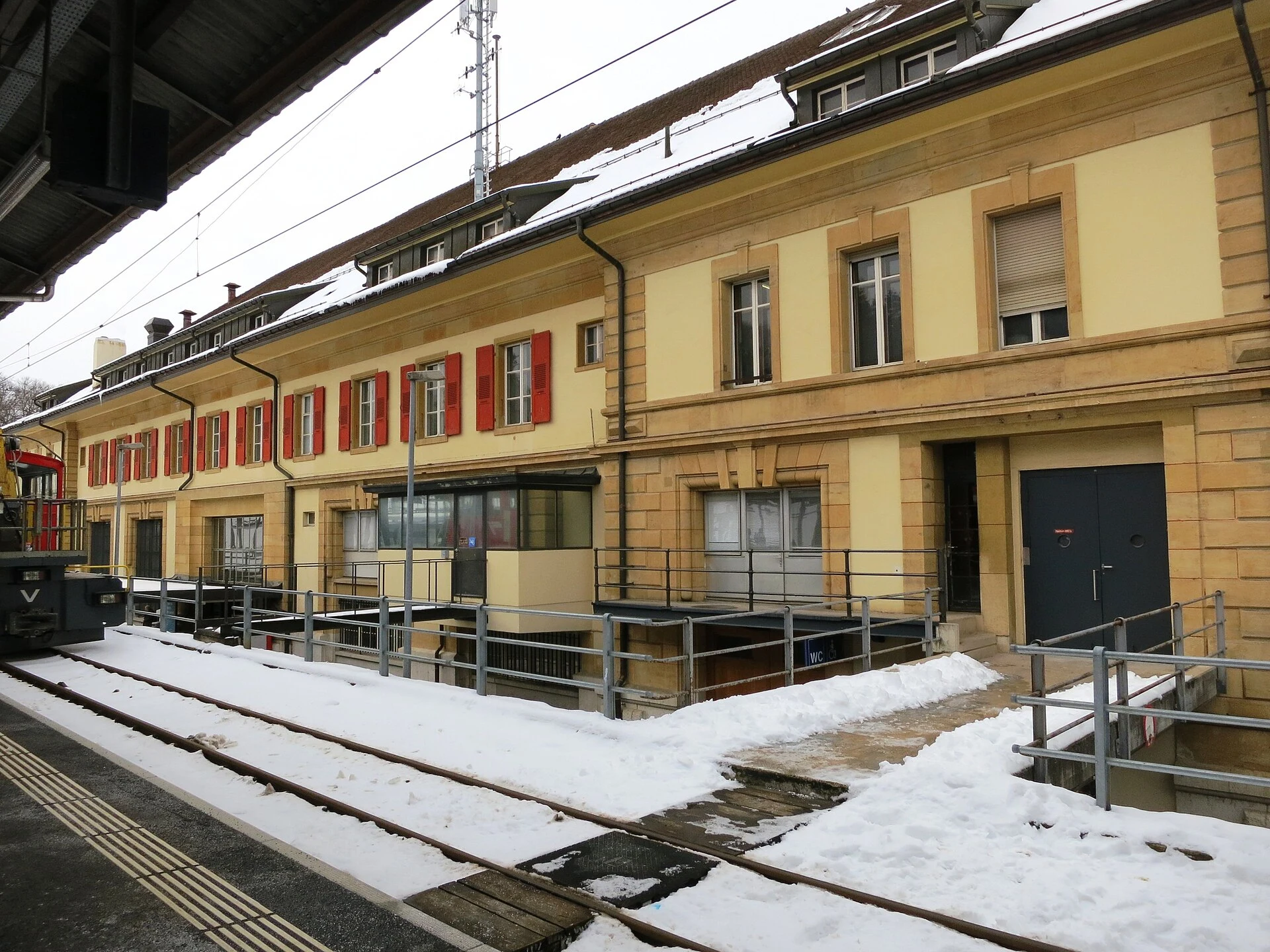
The station makes it possible to plan Røros as a train-and-walking getaway. The Rørosbanen railway connects the town with Trondheim to the north and Hamar to the south; from Hamar, there are connections to Oslo. The compact centre is within a reasonable walking distance of the station, so accommodation, Smelthytta, the church and the historic streets can be combined into a first day without a private vehicle.
The trade-off is that the wider heritage landscape is not automatically covered. Olavsgruva and the Storwartz mining field are about 13 kilometres from the centre. A seasonal bus runs to the mine during part of the summer, but outside that period you will need to confirm the available alternative and its timetable before booking your entry. Do not make a car a necessity for the town, but do not assume that it will take you to every component of the mining landscape either.
Olavsgruva: the visit that changes the scale of the story
Olavsgruva does not replace the town centre: it complements it. The guided tour descends about 50 metres and continues for roughly 500 metres underground, passing through Nyberget—an historic working—and Olav’s mine, which was worked using more recent methods. The comparison makes clear that mining was not a static technique: it changed the way people drilled, lit the workings, organised labour and lived around it.
It is a suitable experience if you are looking for tangible industrial history and are comfortable with an underground walk in low temperatures throughout the year. Bring warm clothing and sturdy footwear, even in summer. Tour places are limited and frequencies vary by season; booking is recommended, although you should check whether it is compulsory for the departure you choose. If you cannot or do not want to enter the mine, Smelthytta offers an easier alternative for understanding the copper enterprise and its social consequences.
What it means to visit a living town with care
Røros is not an open-air museum without residents: many of its historic buildings still have everyday uses. Respect entrances, private courtyards and homes; the best memory does not depend on crossing thresholds or seeking interiors that are not open to the public. Spending money on museums, guided tours and genuinely active local businesses may fit better with a stay that recognises the ongoing maintenance the site requires.
For people with reduced mobility, the centre offers an advantage and a limitation at the same time: it is compact, but cobblestones, gravel, uneven ground, steps and narrow doors are common. Snow and ice can greatly change conditions. Adapted taxis are available on request and some venues have alternative entrances, but accessibility must be confirmed with each establishment. Plan a short route, leave time between stops and ask directly about specific needs before travelling.
Official references to check before travelling
Information consulted on 16 September 2026. Before booking, verify any detail that may change with the calendar—opening hours, frequencies, replacement buses, fares, accessibility, tour languages, availability and seasonal transport to Olavsgruva—with these sources:
- Rørosmuseet: Smelthytta, the Røros town tour, Olavsgruva and the Sámi history audio guide.
- SJ Norge and the national Entur journey planner: current Rørosbanen routes and timetables.
- Visit Røros and Østerdalen: arrival, local transport, accessibility and seasonal transport to Olavsgruva.
- UNESCO World Heritage Centre: the boundaries and significance of Røros Mining Town and the Circumference.
References consulted during editorial review. Times, requirements and advisories may change: always confirm with the official source.
- https://whc.unesco.org/en/list/55 whc.unesco.org
- https://whc.unesco.org/en/sustainabletourismtoolkit/guide4/roros whc.unesco.org
- https://whc.unesco.org/en/sustainabletourismtoolkit/guide7/roros/ whc.unesco.org
- https://rorosmuseet.no/en/guided-tours-smelthytta rorosmuseet.no
- https://whc.unesco.org/en/list/55/maps/ whc.unesco.org
- https://whc.unesco.org/en/sustainabletourismtoolkit/guide5/roros/ whc.unesco.org
- https://whc.unesco.org/uploads/nominations/55bis.pdf whc.unesco.org
- https://rorosmuseet.no/en/tickets rorosmuseet.no
- Noruega WikidataCC0 1.0 Wikidata · Q20
- Noruega WikidataCC0 1.0 Wikidata · Q105688800
- Noruega WikidataCC0 1.0 Wikidata · Q99292414
- Noruega WikidataCC0 1.0 Wikidata · Q60005423
- Norway World Countries — mledozeODbL 1.0 World countries dataset by mledoze and contributors · ODbL 1.0
- Norway DBpediaCC BY-SA 3.0 DBpedia