Ethiopia · Heritage and travel decisions
Lalibela and why to postpone a trip to Amhara
Lalibela’s rock-hewn churches remain a major place of worship and living heritage. As of 20 September 2026, advisories recommend not travelling to Amhara.
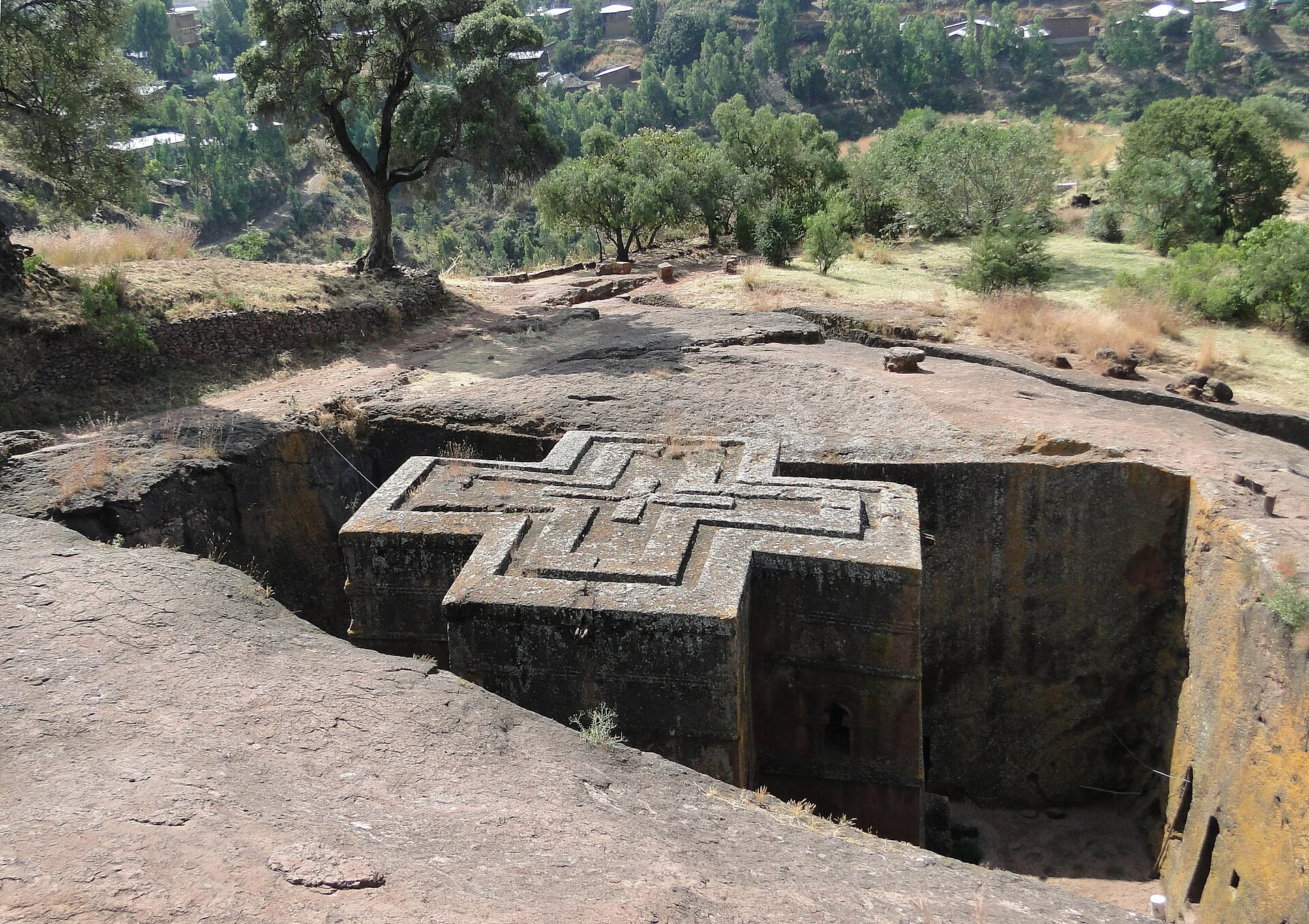
The eleven rock-hewn churches of Lalibela form one of the most distinctive ensembles of Ethiopian Christian architecture. But above all, they are living religious spaces: visiting requires respect for services, pilgrims and the material fragility of the churches. As of 20 September 2026, the most sensible practical decision is to postpone a tourist trip to Lalibela, located in the Amhara region, until official security advice changes clearly and consistently.
A sacred landscape carved from top to bottom
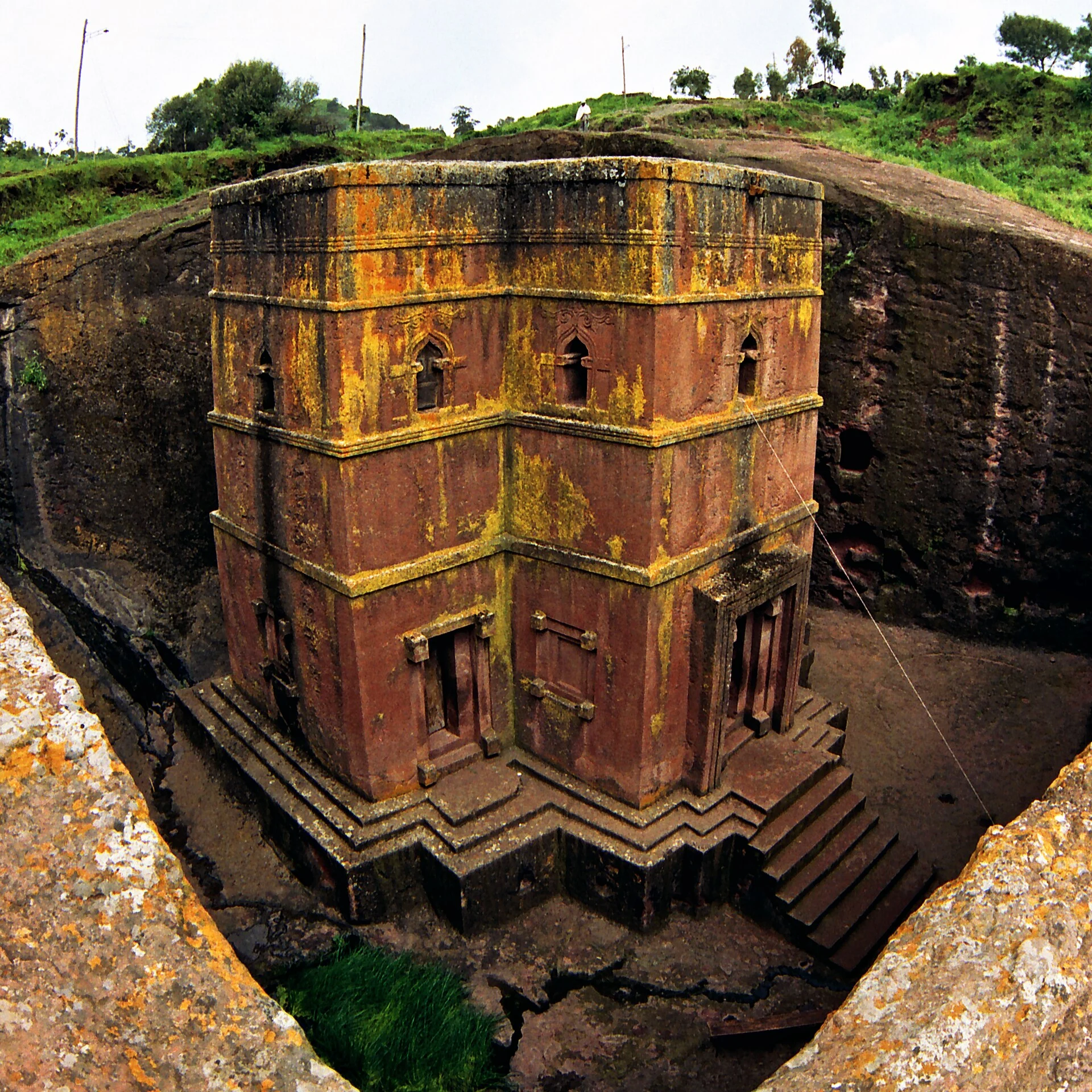
Lalibela brings together medieval monolithic churches excavated directly into the rock, rather than buildings constructed from blocks. The two main groups are connected by courtyards, trenches, ceremonial passageways and drainage channels; Biete Giyorgis, set apart from the others, is notable for its cruciform plan. This subterranean, maze-like character explains why the site is better understood as a system of rock, water and worship than as a collection of façades.
The scale of the work should not overshadow its present-day use. Lalibela remains a centre of devotion and pilgrimage for the Ethiopian Orthodox Church. On a future trip, celebrations, priests and worshippers should be treated as part of the site’s life, not as a performance staged for visitors. Visitors will also need to follow local instructions on access and photography: preserving the paintings, reliefs and structures remains an especially delicate matter.
Why this is not the time for a getaway
Lalibela is in Amhara, a region for which, as of 20 September 2026, several consular authorities continue to advise against travel because of armed conflict, insecurity, kidnapping, crime and civil unrest. This is not a warning that can be addressed by choosing a different hotel, arranging a transfer or limiting a visit to the historic site.
The situation can change with little notice and affect roads, communications, services and the ability to provide consular assistance. It is therefore not responsible to set dates, buy non-refundable tickets or plan an overland route to Lalibela while these advisories remain in force. The right way to view this destination today is heritage-focused, not operational.
What to research while the visit is on hold
Postponing does not mean forgetting the site. It is a good time to understand the layout of the churches and their local names, distinguish between the northern and southern groups, and recognise that Biete is generally translated as “house”. This preparation prevents Lalibela from being reduced to a single photogenic church.
Once official warnings improve, the condition of access routes, flights, transfers, the actual opening of each church, entry requirements for the country and the availability of accredited guides will all need to be checked from scratch. It will also be important to confirm whether there are last-minute changes linked to religious celebrations. Do not reuse information about opening hours, transport or security found before that point.
A future visit that respects the sanctuary’s rhythm
If conditions make it possible to consider the site again, the starting point should be simple: allow time to walk through the groups of churches without rushing the sections of steps, tunnels and excavated courtyards. A local guide can help explain the architecture, religious traditions and codes of conduct without intruding on moments of worship.
Deciding to visit during a major festival deserves additional thought. It may offer an experience of great religious intensity, but it also means more pilgrims and a greater need for discretion. For many people, visiting outside those days may be a more attentive and less intrusive way to approach the site; in all cases, safety and local instructions must have absolute priority.
Sources to check before travelling
- United States Department of State — Ethiopia Travel Advisory. Updated on 17 September 2026; places Ethiopia at level 3 and identifies Amhara as a do-not-travel area.
- United Kingdom Foreign, Commonwealth & Development Office — Ethiopia travel advice. Current as of 20 September 2026; advises against travel to the Amhara region.
- Australian Government Smartraveller — Ethiopia travel advice. Current as of 17 September 2026; includes Amhara among the areas not to travel to.
- UNESCO World Heritage Centre — Rock-Hewn Churches, Lalibela. Heritage profile covering the eleven churches, their pilgrimage significance and conservation needs.
References consulted during editorial review. Times, requirements and advisories may change: always confirm with the official source.
- https://travel.state.gov/en/international-travel/travel-advisories/ethiopia.html travel.state.gov
- https://travel.state.gov/content/travel/en/traveladvisories/traveladvisories..html travel.state.gov
- https://whc.unesco.org/en/list/18 whc.unesco.org
- https://whc.unesco.org/en/list/18/maps/ whc.unesco.org
- https://whc.unesco.org/en/documents/107578 whc.unesco.org
- https://whc.unesco.org/en/statesparties/et whc.unesco.org
- https://whc.unesco.org/en/list/18/gallery/ whc.unesco.org
- https://travel.state.gov/content/travel/en/Intercountry-Adoption/Intercountry-Adoption-Country-Information/Ethiopia.html travel.state.gov
- Etiopía WikidataCC0 1.0 Wikidata · Q115
- Etiopía WikidataCC0 1.0 Wikidata · Q20136258
- Etiopía WikidataCC0 1.0 Wikidata · Q410453
- Ethiopia World Countries — mledozeODbL 1.0 World countries dataset by mledoze and contributors · ODbL 1.0
- Ethiopia World Bank Open DataCC BY 4.0 World Bank
- Ethiopia DBpediaCC BY-SA 3.0 DBpedia
- Pueblos sin historia: Identidad cultural y desarrollo en el oeste de Etiopía OpenAlexCC0 1.0 OpenAlex
- Lalibela GeoNamesDatos geográficos bajo CC BY 4.0; requiere atribución a GeoNames. Fuente: GeoNames
- Lalibela, North Wollo Zone, Amhara Region, 6500, Ethiopia OpenStreetMapODbL 1.0; atribución y obligación de compartir bases derivadas. Fuente: OpenStreetMap