Essential facts before designing an itinerary
Nicaragua: an initial guide to deciding what to research
A verified foundation on Nicaragua: its location in Central America, Managua, Spanish and the Nicaraguan córdoba, as well as the limits of the information available for planning.
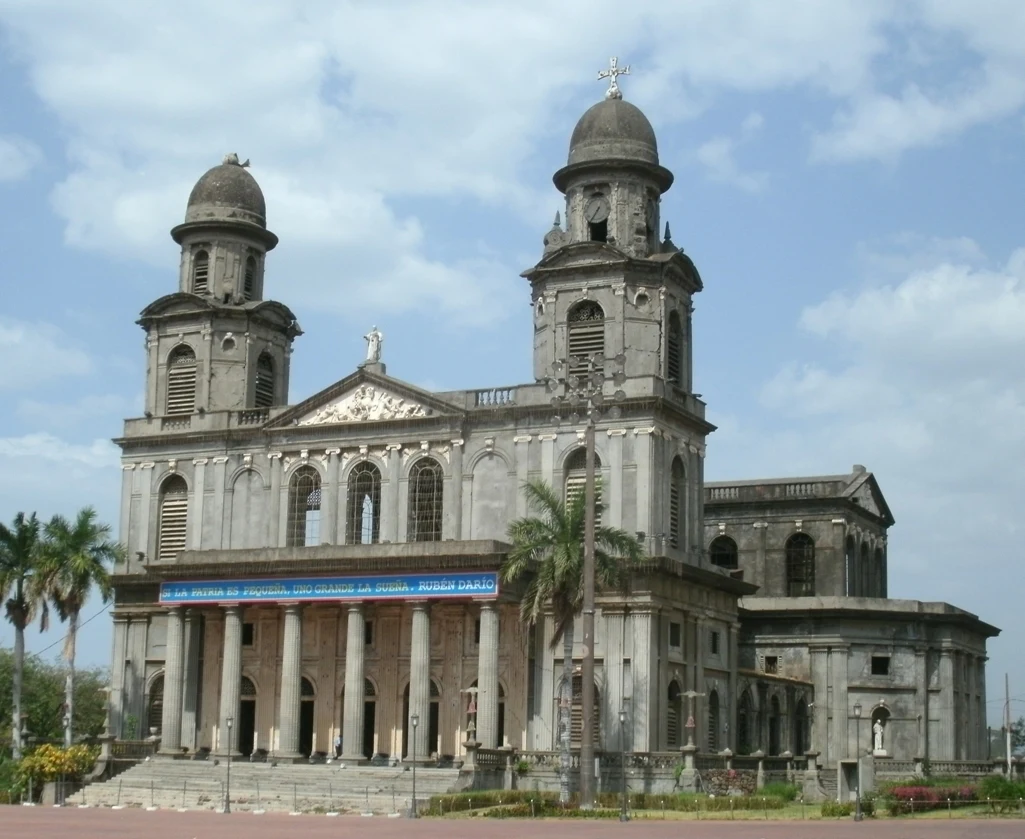
Nicaragua is a country in Central America whose capital is Managua. For initial orientation, Spanish and the Nicaraguan córdoba are two practical details to establish before comparing routes, accommodation or payment methods. This guide does not replace checking current conditions: the available evidence outlines the country, but does not document transport, entry requirements, opening hours or current travel circumstances.
Locate the country before choosing a route
Nicaragua is part of Central America and is not a landlocked country. Managua is its capital. These facts help situate any later itinerary, but they are not enough to choose a base or estimate travel times: the documentation gathered does not provide a transport network, journey times or specific connections.
It is useful to distinguish national geographic orientation from day-to-day planning. Before committing to bookings, check access and services affecting your chosen route using up-to-date sources.
Language and currency: two immediate reference points
Spanish is listed as the country’s language, and the recorded currency is the Nicaraguan córdoba, identified by the symbol C$. These are useful reference points for reading local communications and recognizing the currency in budgets or payments.
However, this foundation does not establish exchange rates, card acceptance, cash availability or prices. These variables are time-sensitive and should be checked directly before travelling.
What the available research can contribute
The catalogue brings together academic studies on community-based rural tourism in western Nicaragua, heritage-making processes and locally based tourism in El Castillo, on the San Juan River, as well as an assessment of tourism sustainability in León. Their existence indicates that there are situated debates and studies on tourism, communities and heritage in different parts of the country.
The records provided are bibliographic metadata, not current assessments of operators, destinations or specific practices. They therefore cannot be turned into consumer recommendations, nor can specific outcomes be attributed to communities or places. They do offer a reasonable lead for anyone who wants to prepare for the trip with a more informed perspective: seek local, up-to-date information, and distinguish between a proposal presented as community-based and its actual operating conditions.
A prudent method for continuing the planning process
With the verified information in hand, the next step is to ask specific questions: which area do you want to visit, how do you get there, what expenses are acceptable at each stage, and what conditions apply on the planned dates? The answers should not be inferred from a national fact sheet.
Prioritize recent sources for transport, documentation, health, safety and availability. If a decision depends on a booking, payment or journey, confirm it with the relevant provider and leave room for changes.
References
- World Countries — mledoze and contributors, national record for Nicaragua.
- Wikidata, Nicaragua entity (Q811).
- OpenAlex, bibliographic records on community-based rural tourism and analysis of the Nicaraguan crisis.
- Crossref, bibliographic records on locally based tourism in El Castillo and tourism sustainability in León.
References consulted during editorial review. Times, requirements and advisories may change: always confirm with the official source.
- Nicaragua WikidataCC0 1.0 Wikidata · Q811
- Nicaragua WikidataCC0 1.0 Wikidata · Q37178314
- Nicaragua World Countries — mledozeODbL 1.0 World countries dataset by mledoze and contributors · ODbL 1.0
- Nicaragua World Bank Open DataCC BY 4.0 World Bank
- Nicaragua DBpediaCC BY-SA 3.0 DBpedia
- Los recursos en disputa. El caso del conflicto minero en Rancho Grande, Nicaragua OpenAlexCC0 1.0 OpenAlex
- Nicaragua: análisis de una crisis inesperada OpenAlexCC0 1.0 OpenAlex
- Turismo rural comunitario en el Oeste de Nicaragua: Lecciones para la sostenibilidad desde un enfoque socio-cultural CrossrefMetadatos públicos; derechos específicos por campo cuando correspondan Crossref
- PROCESOS DE PATRIMONIALIZACIÓN, TURISMO DE BASE LOCAL Y SOSTENIBILIDAD. EL CASO DE EL CASTILLO (RÍO SAN JUAN, NICARAGUA). CrossrefMetadatos públicos; derechos específicos por campo cuando correspondan Crossref
- Análisis de la sostenibilidad turística en León, Nicaragua, aplicando criterios globales de turismo sostenible CrossrefMetadatos públicos; derechos específicos por campo cuando correspondan Crossref