Turkmenistan · Archaeology near the capital
Nisa from Ashgabat and the Traces of a Parthian Capital
Nisa rewards visitors who plan it as a dialogue between two archaeological mounds and the rooms of a museum, rather than as a quick stop on the way to the desert.
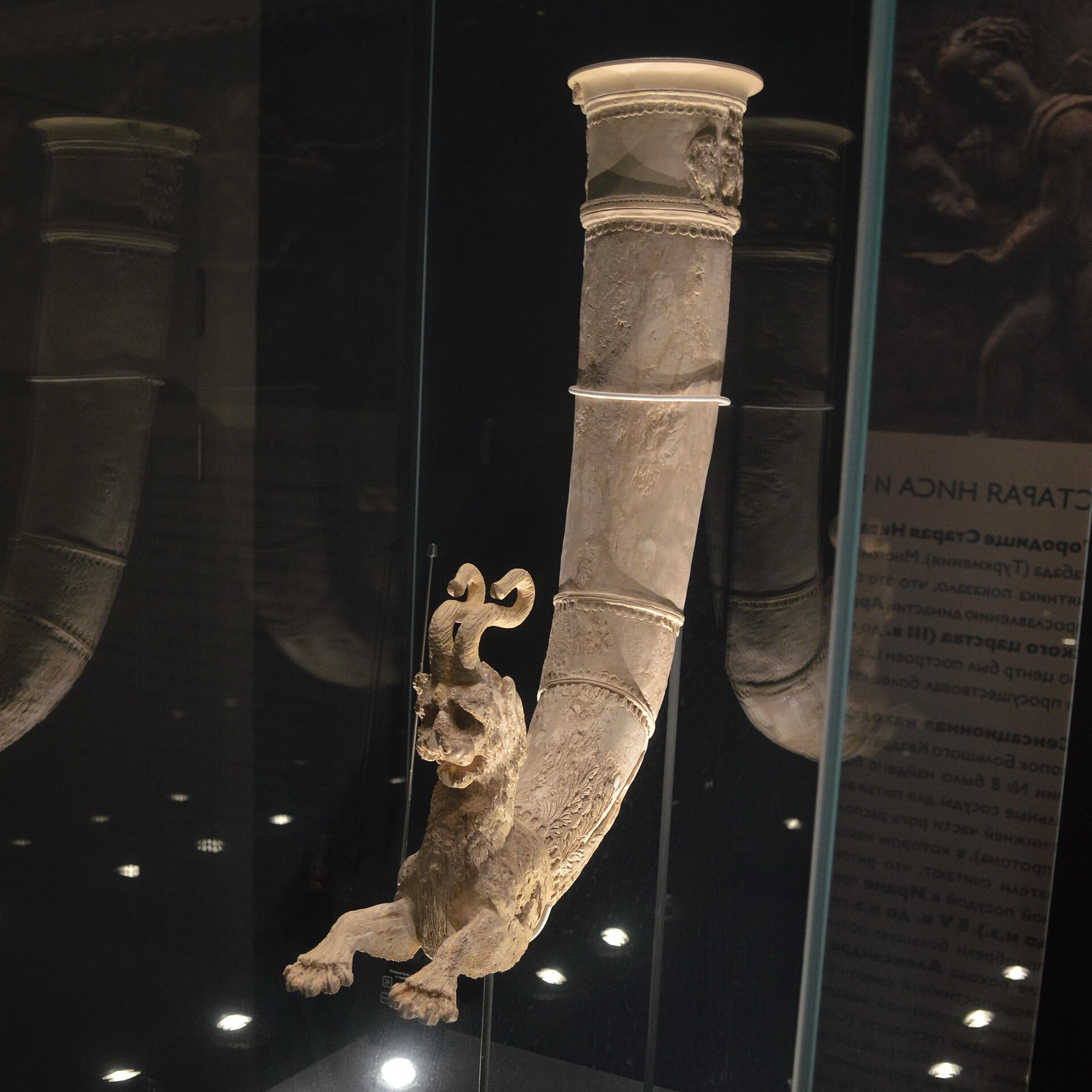
A short distance from Ashgabat, Nisa preserves two great earthen elevations that evoke one of the capitals of the Parthian Empire. Its appeal does not lie in finding intact buildings, but in learning to read eroded walls, courtyards and barely suggested forms, and in connecting that landscape with the objects and explanations in the State Museum of Turkmenistan. It is a short excursion on the map, but it requires administrative and logistical preparation that is best handled before arriving in the country.
What you are really visiting at Nisa
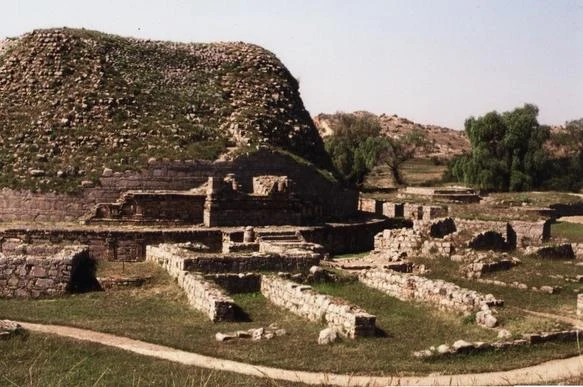
The site comprises Old Nisa and New Nisa, two tells—hills formed by successive occupations—at the foot of the Kopetdag. Its value lies in its archaeological scale: this is neither a monumental reconstruction nor an enclosed site designed around a signposted route.
Nisa was a centre of Parthian power from the middle of the 3rd century BC to the beginning of the 3rd century AD. Its location helps explain an empire connected with Central Asia, the Mediterranean and the trade routes of its time. Begin by looking at the shape of the land and the perimeter of the fortifications; then distinguish between a visible ruin and the historic city that remains underground. Erosion is part of what you are seeing; it is not a shortcoming that imagination must fill in.
The museum gives the ruins a sense of scale
Before or after visiting the site, set aside time for the State Museum of Turkmenistan in Ashgabat. Its role on this outing is not to add another attraction, but to provide material and chronological references for an open-air visit that can feel abstract without context.
Ask the museum which archaeological galleries are open on the day of your visit and whether there are objects, models or information connected with Parthian culture. That check matters more than following a fixed list: temporary exhibitions, visitor routes and photography rules may change. Carry a notebook or download your notes beforehand; connectivity should not be your only way of interpreting the site.
An outing arranged with your travel sponsor
For a tourist visit, entry formalities generally require a letter of invitation and a visa. It is therefore advisable to ask the agency or sponsoring organisation whether it can include Nisa in the confirmed itinerary and arrange both the journey there and the return to Ashgabat. Do not assume that direct public transport, taxis at the site or information in a particular language will be available.
Ask in writing for the exact name of the included site, the time planned for each stop and what will happen if access or opening hours change. Also check who handles migration registration when the stay exceeds the applicable period. Do not book tight connections on the same day: arrival formalities and operational changes matter more than the short distance from the capital.
Photography, communications and conduct on the way
Nisa invites visitors to photograph its earthen profiles and horizons, but caution should continue after returning to the city. Turkmenistan has restrictions on photographing official and security facilities, airports and other sensitive buildings; when in doubt, ask before taking pictures. It is also respectful to request permission before photographing people.
Prepare maps, directions, bookings and contacts without relying on mobile data. Some platforms and internet services may be blocked or work irregularly, and coverage is no substitute for prior coordination with your accommodation or sponsor. If you buy handicrafts, apparent antiques or cultural objects, do not assume they can leave the country: check customs rules before paying.
Official sources to check before setting out
Entry requirements, registration, health checks, opening hours, access to Nisa and photography rules may change. Confirm them just before booking using these references:
- UNESCO World Heritage Centre, the Parthian Fortresses of Nisa listing: historical context, the boundaries of Old and New Nisa, and the archaeological character of the site.
- State Museum of the State Cultural Centre of Turkmenistan: visitor information, exhibitions and institutional contact details.
- State Migration Service of Turkmenistan: visa and registration procedures and official contact details.
- United States Department of State, current guide to Turkmenistan: letter of invitation, registration, healthcare and travel advisories.
- United Kingdom Foreign Office, current advice for Turkmenistan: photography restrictions, connectivity, borders and transport.
References consulted during editorial review. Times, requirements and advisories may change: always confirm with the official source.
- https://travel.state.gov/en/international-travel/travel-advisories/turkmenistan.html travel.state.gov
- https://www.museum.gov.tm/en www.museum.gov.tm
- https://whc.unesco.org/en/list/1242/maps/ whc.unesco.org
- https://whc.unesco.org/en/list/1242 whc.unesco.org
- https://whc.unesco.org/en/documents/130388 whc.unesco.org
- https://whc.unesco.org/en/statesparties/tm whc.unesco.org
- https://www.turkmens.com/asgabat.html www.turkmens.com
- https://turkmenistan.com/destinations/old-nisa/ turkmenistan.com
- Turkmenistán WikidataCC0 1.0 Wikidata · Q874
- Turkmenistan World Countries — mledozeODbL 1.0 World countries dataset by mledoze and contributors · ODbL 1.0
- Turkmenistan World Bank Open DataCC BY 4.0 World Bank
- Turkmenistan DBpediaCC BY-SA 3.0 DBpedia