Saint Lucia · Gros Islet
Pigeon Island and its reopening still to be confirmed in northern Saint Lucia
A headland of fortifications, beaches and views over Rodney Bay where you must check reopening details before adding it to your itinerary.
Conditions described in the guide: confirm current requirements and access with the official source before travelling.
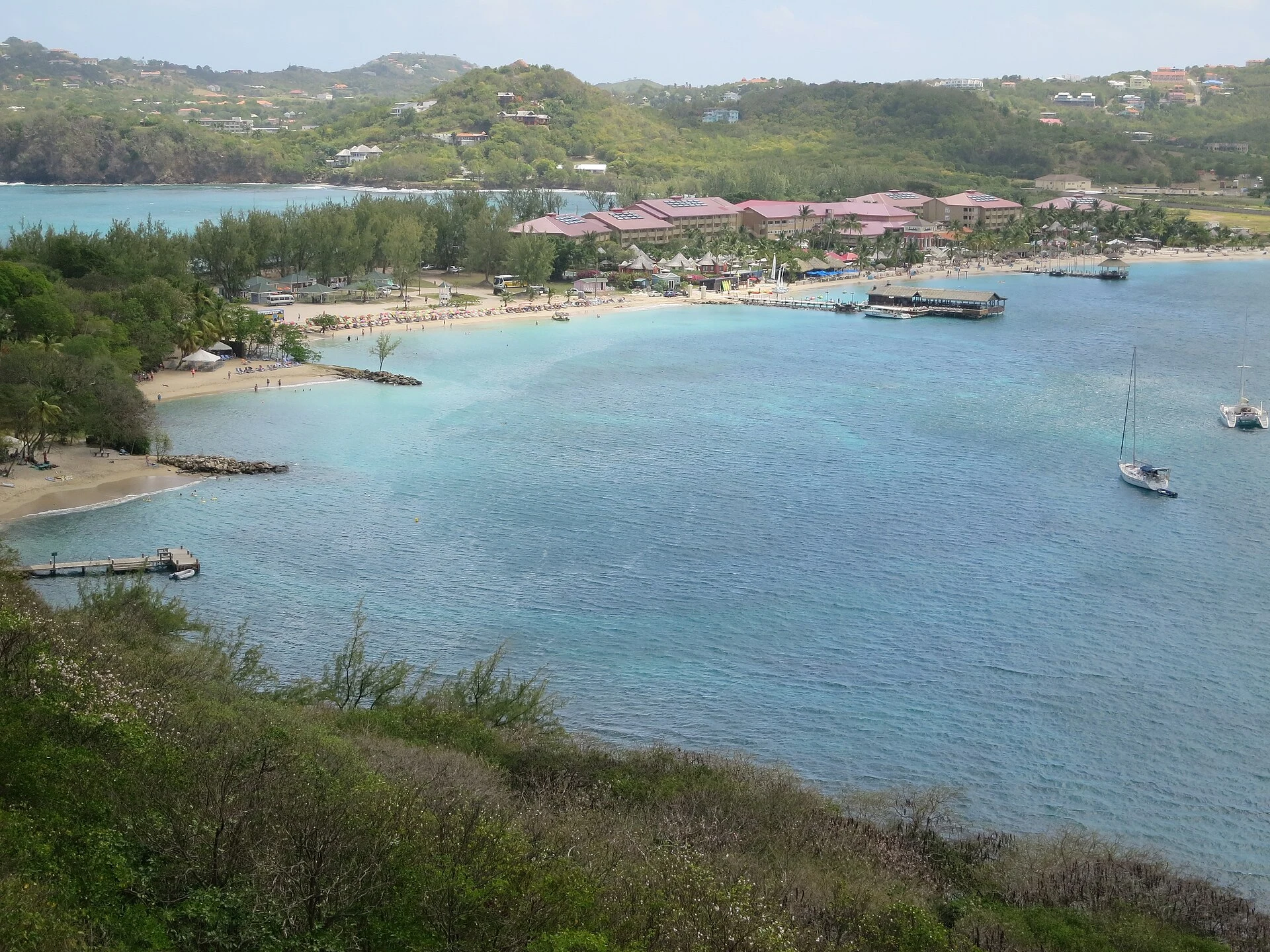
Pigeon Island National Landmark brings together 18th-century fortifications, short trails and coastline at the northern tip of Saint Lucia. It is a good choice for travellers who want to combine history and scenery without taking on a major hike, but the practical decision is immediate: the site is temporarily closed throughout September 2026. This guide explains what it can add to a trip and how to plan a visit once access has been confirmed again.
The condition that changes the plan
The Saint Lucia National Trust has announced the complete closure of Pigeon Island from 1 to 30 September 2026 for conservation work on historic structures, landscape maintenance, training, and improvements related to the visitor experience and safety. Do not turn up at the entrance or organise an excursion around the site until the Trust confirms that it has reopened.
Once it resumes operations, opening hours, last admission, fees, the status of the Interpretation Centre and available services will remain subject to change. The organisation itself warns that maintenance closures and programme changes may occur around events. Check these details directly with the Saint Lucia National Trust before arranging transport or booking a guided visit.
What to see when the site is open
The visit works best as a leisurely half-day outing, rather than simply a beach stop. The starting point is the military complex: batteries, barracks and platforms recall the strategic role this hilltop once played overlooking the channel between Saint Lucia and Martinique.
From there, Fort Rodney offers the most direct viewpoint over Rodney Bay and the north-west coast. Signal Peak extends the walk to the highest point, through dry coastal vegetation and with views towards Gros Islet. The logical order is to spend time first among the ruins and interpretation panels—if the centre is open—then climb at an unhurried pace and leave the site’s beaches until last. Official sources describe these routes as short, but the fortifications and sloping terrain make closed shoes, water and care in the heat advisable.
There is not enough official information to assume a step-free or fully accessible itinerary. Travellers with reduced mobility, a pushchair or specific access needs should ask the Trust which areas, toilets and entrances will be operating on their chosen date.
A history that goes beyond Fort Rodney
Pigeon Island’s appeal is not limited to the British naval narrative. The site was occupied by Amerindian communities before passing through episodes of piracy, imperial rivalry and militarisation. In the late 18th century, British forces strengthened the outpost to monitor the French fleet in Martinique; this position was connected to the campaign that led to the Battle of the Saints in 1782.
The timeline continues beyond that conflict: there was whaling activity in the early 20th century, use linked to the presence of the United States Navy during the Second World War and, later, nautical activity. The island was artificially connected to the mainland in the early 1970s and was designated a national park in 1979 and a national landmark in 1992. Exploring it with this sequence in mind prevents the ruins from becoming mere scenery: they form part of a connected Caribbean history shaped by communities, war, maritime economies and heritage conservation.
Deciding whether it fits your trip
Pigeon Island is especially well suited to travellers staying in Rodney Bay, Gros Islet or Cap Estate who are looking for heritage and a short walk, rather than a road trip across the entire island. The Trust presents the site as a half-day or full-day outing; the difference depends on whether you add the guided tour, the beaches and time for the climb.
There is an official guided tour that usually lasts between one and two hours. Advance booking is requested because places are limited. It is not essential for entering the site when it is open, but it can provide a fuller understanding of its different historical periods. Confirm availability, group size and conditions after reopening.
For a respectful visit, stay on the designated routes, do not smoke, and do not climb onto or sit on walls, cannons or historic structures. It is a simple way to protect a site whose conservation is precisely what allows it to remain open to visitors.
Sources and checks before you go
- Saint Lucia National Trust, “Temporary Closure of the Pigeon Island National Landmark”: confirms the closure from 1 to 30 September 2026. Check here that the site has actually reopened before setting out.
- Saint Lucia National Trust, Pigeon Island National Landmark information page and guided-tour bookings: the primary reference for the site’s history, the approximate duration of the guided visit, opening hours, availability and any changes to fees or services.
- Saint Lucia Tourism Authority, Pigeon Island information page: useful for identifying Fort Rodney, Signal Peak, Two-Gun Battery, the beaches and the site’s walkable character.
- Attorney General Chambers of Saint Lucia, Pigeon Island National Park regulations: a reference for conduct rules and the protection of structures within the landmark.
References consulted during editorial review. Times, requirements and advisories may change: always confirm with the official source.
- https://stlucia.org/en/places-to-visit/pigeon-island/ stlucia.org
- https://stlucia.org/en_uk/discover-saint-lucia/iconic-landmarks/ stlucia.org
- https://stlucia.org/en_uk/travel-style/historic-forts-ruins/ stlucia.org
- https://stlucia.org/en/places-to-visit/ stlucia.org
- https://stlucia.org/en/blog/the-explorers-guide-to-saint-lucia/ stlucia.org
- https://stlucia.org/en_uk/blog/10-unmissable-things-to-see-and-do-in-saint-lucia-2/ stlucia.org
- https://stlucia.org/en_uk/travel-style/art-heritage-tours/ stlucia.org
- https://stlucia.org/en/visit-saint-lucia/ stlucia.org