Slovenia · Divača Karst
Škocjan: a guided cave visit and trail for planning your day well
At Škocjan, the key decision is not simply whether to enter the cave: it is working out the effort involved, connecting properly with the train and leaving time to understand the Reka River landscape.
Conditions described in the guide: confirm current requirements and access with the official source before travelling.
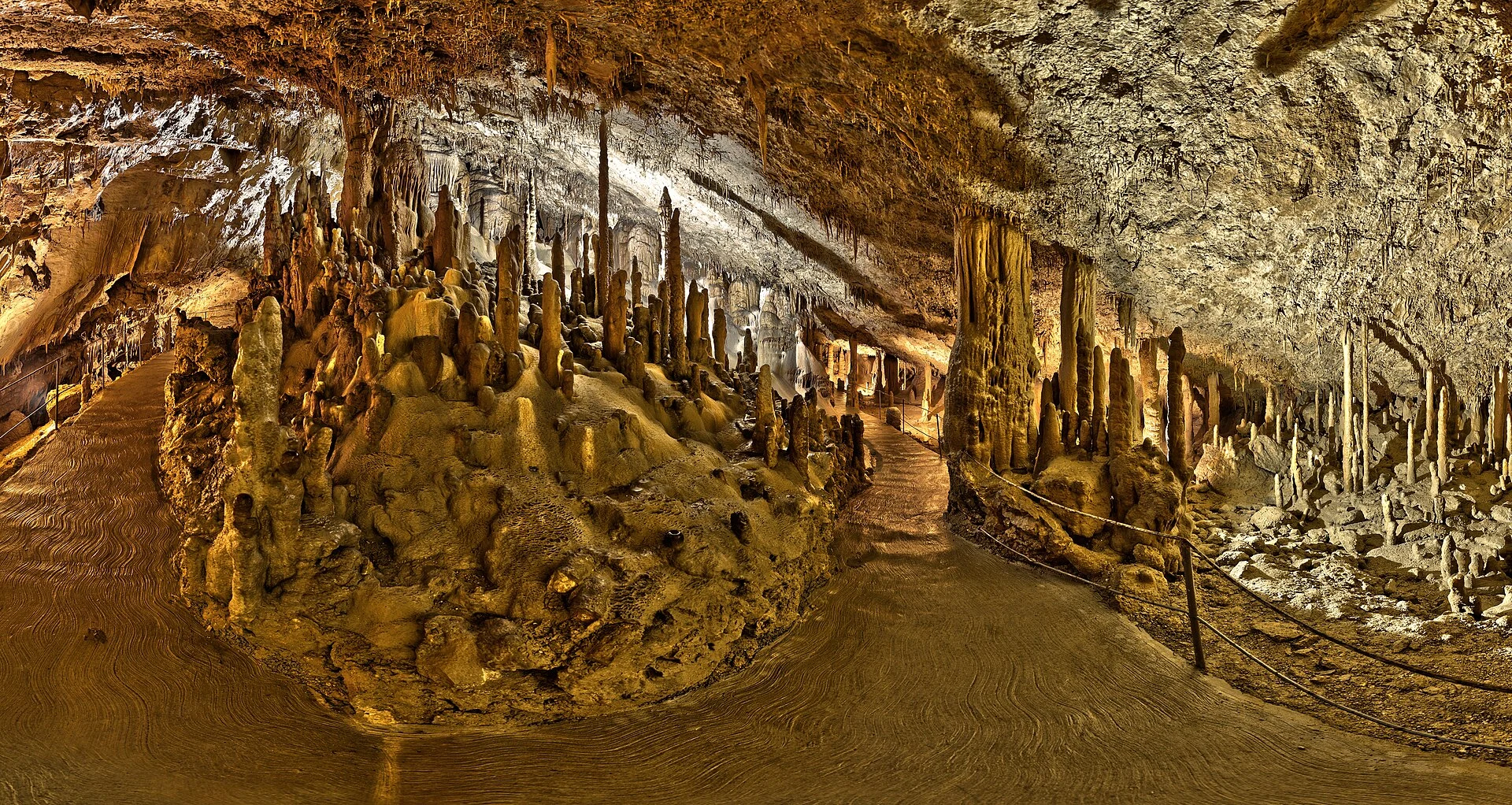
The Škocjan Caves encompass an underground canyon carved by the Reka River and a karst landscape that continues above ground, among collapse dolines, villages and signposted trails. The main visit is guided and demanding; adding the outdoor route makes it clear that the site does not end when you leave the darkness.
It is best treated as an excursion with its own pace, not as a quick stop between Ljubljana and the coast. The stairway elevation change, fixed entry time and final connection from Divača determine whether the experience feels smooth or rushed.
Choose the right experience before buying
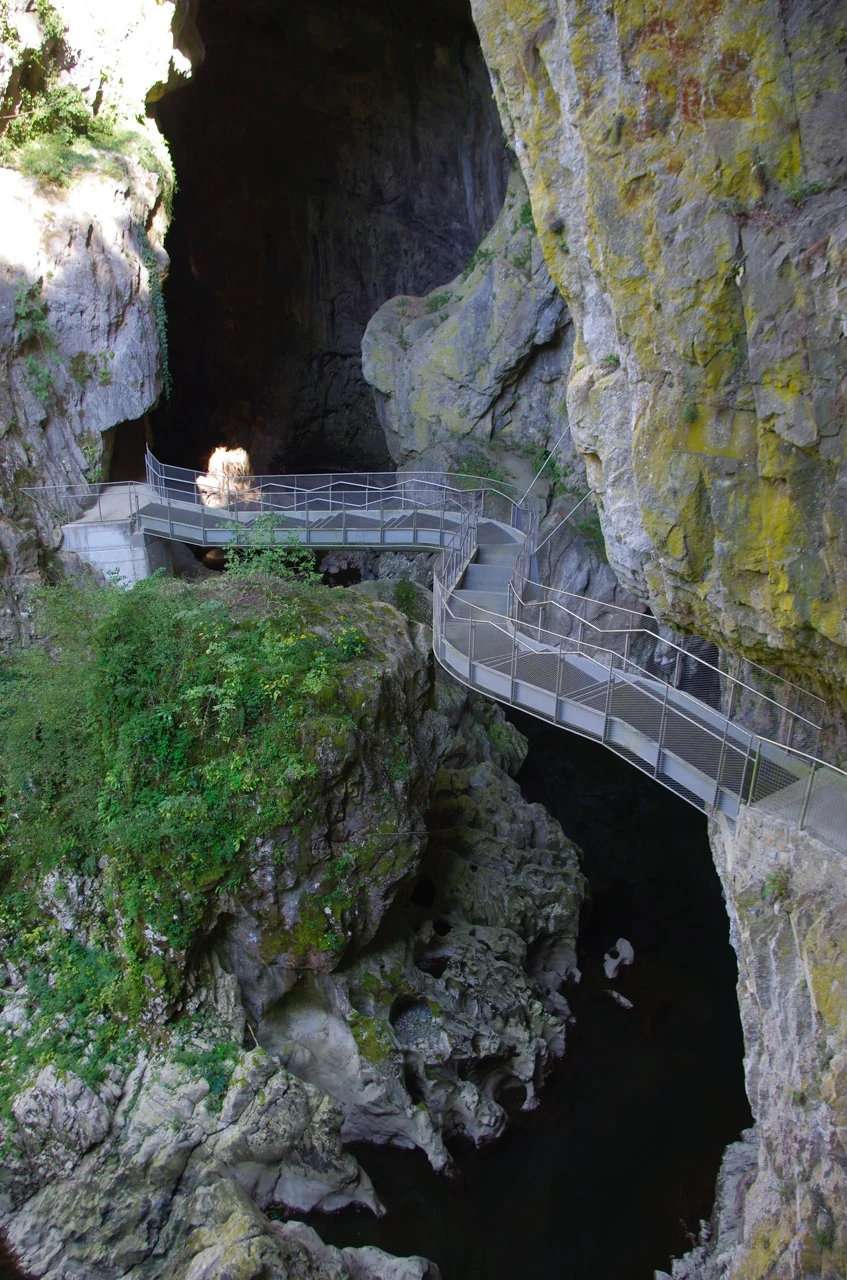
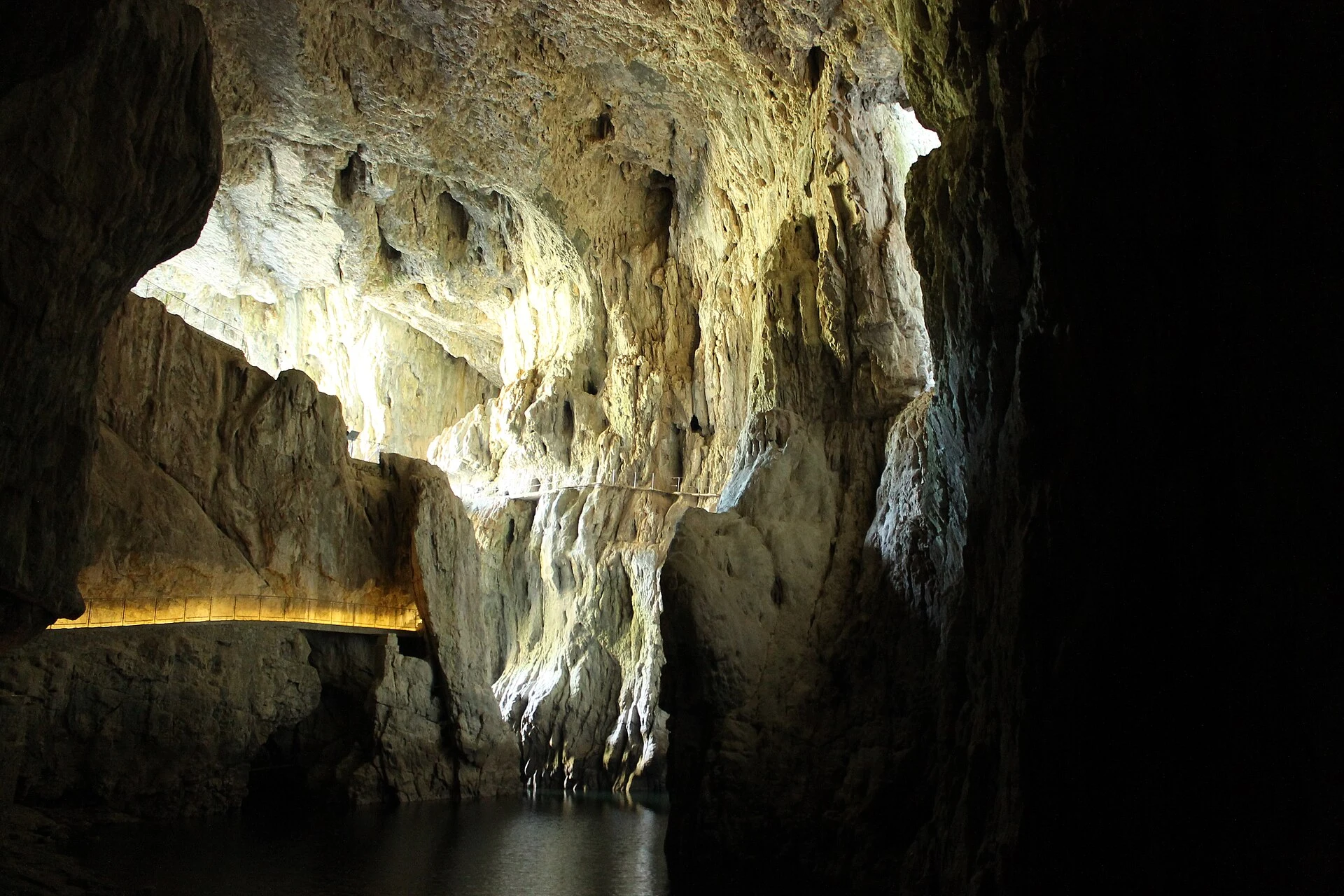
The standard visit leads through galleries and the great underground canyon, where the Reka flows beneath the surface. It is the right option if you want to understand the site’s geology, but it involves a route of several kilometres and around 1,000 steps in its full version. The park offers an early exit after the Great Valley for visitors who need to reduce the effort; even so, there are still stairs and uneven ground.
This is not a visit to assume is accessible: the park itself warns of difficulties related to limited mobility, claustrophobia or a fear of heights. Wear grippy footwear, bring a warm layer for the approximately 12°C inside and carry water. Photography inside the cave is not permitted, a reasonable restriction that reduces disruption and helps protect the environment.
There is also a longer caving exploration through Hanke’s Channel, with equipment and confirmed advance booking. This is a different activity from the general visit: it requires good physical fitness and may be cancelled if water conditions make it impossible.
Allowing time on the surface changes how you read the site
After the underground visit, the circular educational trail from the visitor centre passes through the Velika and Mala dolines, as well as the settlements of Matavun, Betanja and Škocjan. Its approximately two kilometres can be walked in less than an hour at an easy pace and help put names to what you have seen underground: the river disappears, the ground collapses and the terrain shapes village life.
This self-guided walk is free and accessible all year round, although the current condition of the paths should be checked before setting out. If you travel between June and September, Škocjan’s local collections add archaeology, geology and biodiversity; outside that period, it is best not to build the day around their opening hours.
The cave-and-trail combination works particularly well for travellers who prefer a long half-day visit. If time is limited or the descent by stairs already represents the maximum reasonable effort, prioritise the guided visit and leave enough time to return to the starting point without rushing the final stretch.
Arriving without a car: possible, but dependent on the timetable
Rail access is organised around Divača. When searching for Divača–Škocjanske jame in Slovenian railway timetables, the connection includes a bus link from the station to the park. It is a useful alternative to driving, but it depends on coordinated schedules and should not be treated like an urban service with frequent departures.
The soundest strategy is to choose the cave’s guided departure first, then confirm the train and the outbound and return connections. Aim to reach the reception centre at least thirty minutes early, as requested by the park. If the return connection leaves little leeway, skip the outdoor trail or consider staying overnight in the area rather than compressing the visit.
Visitor numbers rise in summer and tickets may sell out for certain time slots. Booking in advance is advisable, but it does not replace checking the exact time, possible trail works and transport conditions for your date.
Visit a living system with care
Škocjan was inscribed as a World Heritage Site for its natural and scientific values: it is a place where the processes that gave international currency to karst and dolina can be recognised. The canyon’s drama should not overshadow its fragility: the water, cavities, underground wildlife and collapse depressions form a single system.
Respect the marked route and staff instructions, avoid leaving litter and do not step off the paths in search of better views. The quality of the Reka River and the conservation of the landscape also depend on processes beyond the park’s boundaries; responsible visiting means not only leaving the formations untouched, but accepting the site’s pace, restrictions and access limits.
Before travelling, check the park’s official channels and those of the railway operator for the visit calendar, ticket availability, the status of departures and trails, and the Divača–Škocjanske jame connection. These details are subject to operational changes.
Key points for organising the day
• Book the guided visit as the central activity and allow extra time for reception, stairs and the return to Matavun.
• Add the educational trail if you have enough time and want to see how the landscape above ground explains the cave.
• If travelling by train, confirm the itinerary to Divača–Škocjanske jame for your specific date, including the final connection.
• Always check access conditions, opening times and any operational notices just before setting out.
References consulted during editorial review. Times, requirements and advisories may change: always confirm with the official source.
- https://whc.unesco.org/en/list/390 whc.unesco.org
- https://whc.unesco.org/en/list/390/documents whc.unesco.org
- https://www.unesco.org/en/mab/skocjan-caves www.unesco.org
- https://www.unesco.org/en/world-heritage/list www.unesco.org
- https://www.slovenia.info/en/things-to-do/discover-nature/caves www.slovenia.info
- https://www.visitljubljana.com/en/visitors/tours-and-trips/skocjan-caves/ www.visitljubljana.com
- https://whc.unesco.org/document/140014 whc.unesco.org
- https://www.visitljubljana.com/en/visitors/in-focus/stories/caving-experiences-in-slovenia www.visitljubljana.com
- Eslovenia WikidataCC0 1.0 Wikidata · Q215
- Slovenia World Countries — mledozeODbL 1.0 World countries dataset by mledoze and contributors · ODbL 1.0
- Slovenia World Bank Open DataCC BY 4.0 World Bank
- Narrativas visuales del patrimonio local de Eslovenia OpenAlexCC0 1.0 OpenAlex
- Škocjan Caves GeoNamesDatos geográficos bajo CC BY 4.0; requiere atribución a GeoNames. Fuente: GeoNames
- Škocjan Caves, Škocjan, Matavun, Divača, Upravna enota Sežana, Slovenia OpenStreetMapODbL 1.0; atribución y obligación de compartir bases derivadas. Fuente: OpenStreetMap
- Velika Dolina GeoNamesDatos geográficos bajo CC BY 4.0; requiere atribución a GeoNames. Fuente: GeoNames
- Velika Dolina, Brežice, 8261, Slovenia OpenStreetMapODbL 1.0; atribución y obligación de compartir bases derivadas. Fuente: OpenStreetMap
- Velika Dolina, Brežice, 8261, Slovenia OpenStreetMapODbL 1.0; atribución y obligación de compartir bases derivadas. Fuente: OpenStreetMap