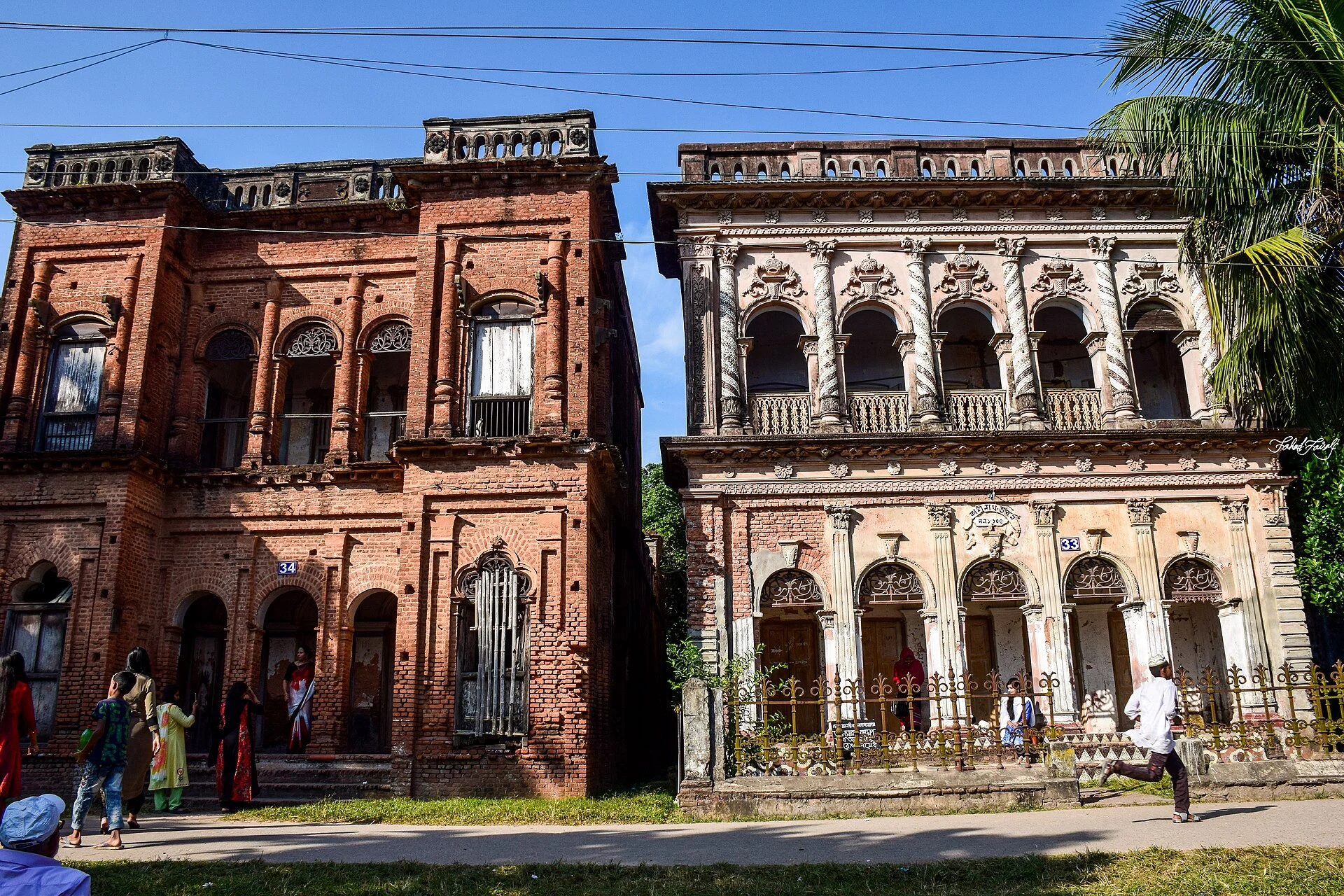
Panam Nagar
Panam Nagar is a historic street lined with dozens of residences and commercial buildings dating from the late 19th and early 20th centuries. It is best viewed from outside.
Explore the place →Places in context: profiles connected to our guides, maps, sources and verified photographs.
Panam Nagar is a historic street lined with dozens of residences and commercial buildings dating from the late 19th and early 20th centuries. It is best viewed from outside.
Explore the place →
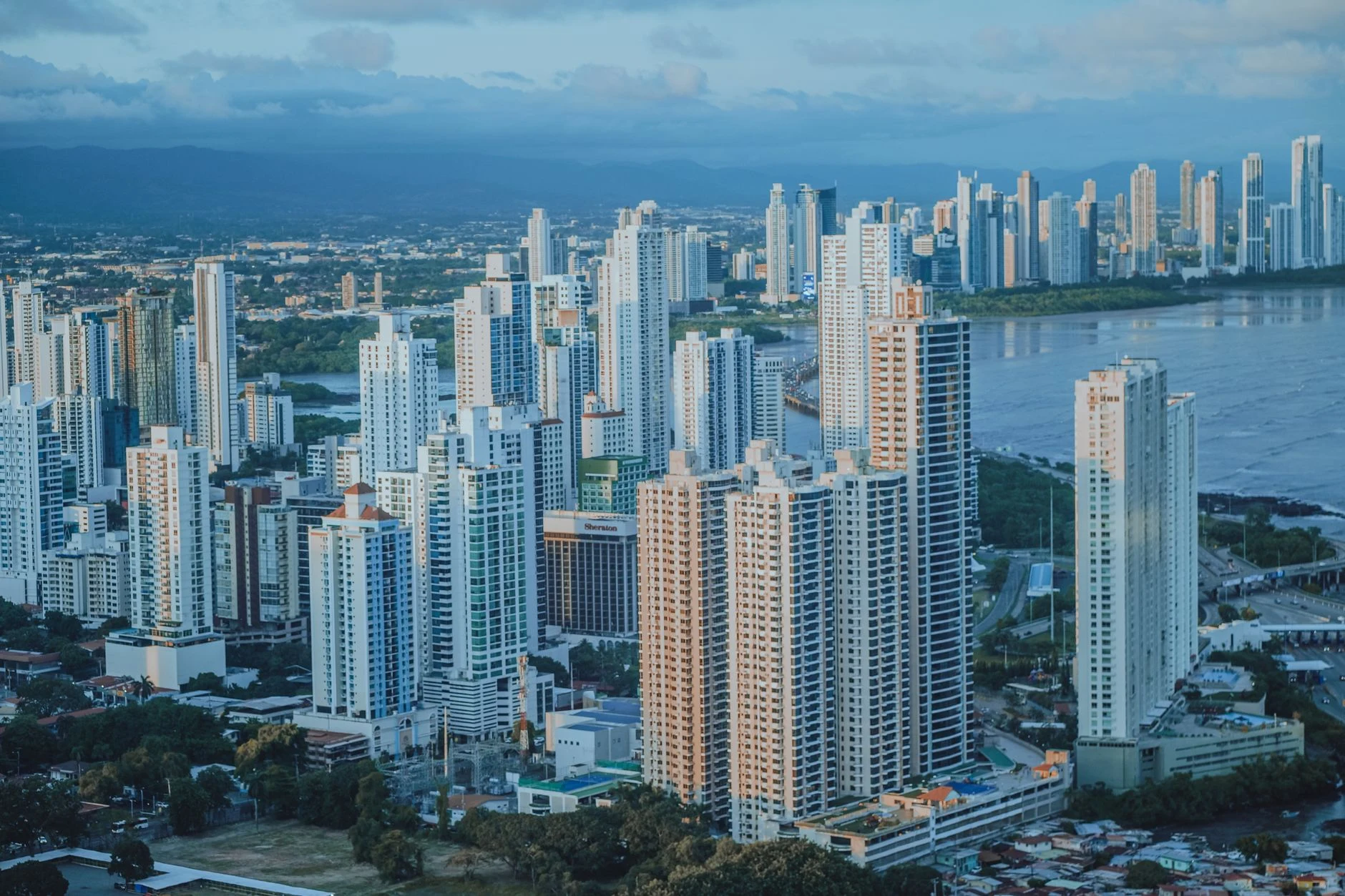
Panama City is the capital of the Republic of Panama and a useful reference point for planning an urban stay. The available information identifies the city but does not detail services, connections or specific visiting conditions.
Explore the place →Panike is part of the Kvarken landscape, where land uplift is slowly reshaping the coast. The Björkö–Panike route is a long walk through moraines, woodland and water, with a seasonal ferry whose operation depends on wind and water levels.
Explore the place →
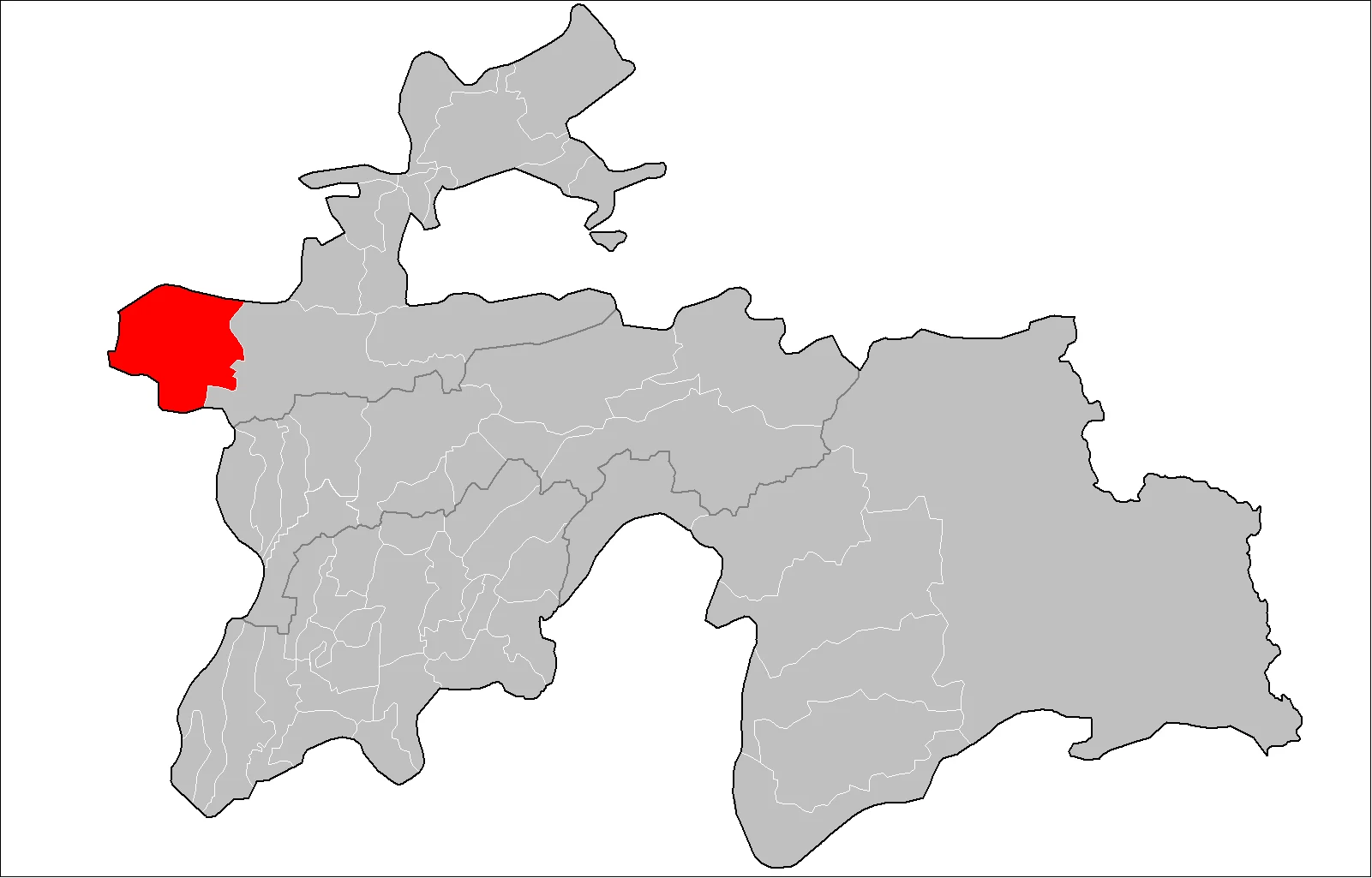
Panjakent is a city in the Zeravshan Valley and a base for visiting Sarazm and the ancient Sogdian city on its outskirts. The two archaeological sites represent very different stages in the history of urban life in Central Asia.
Explore the place →
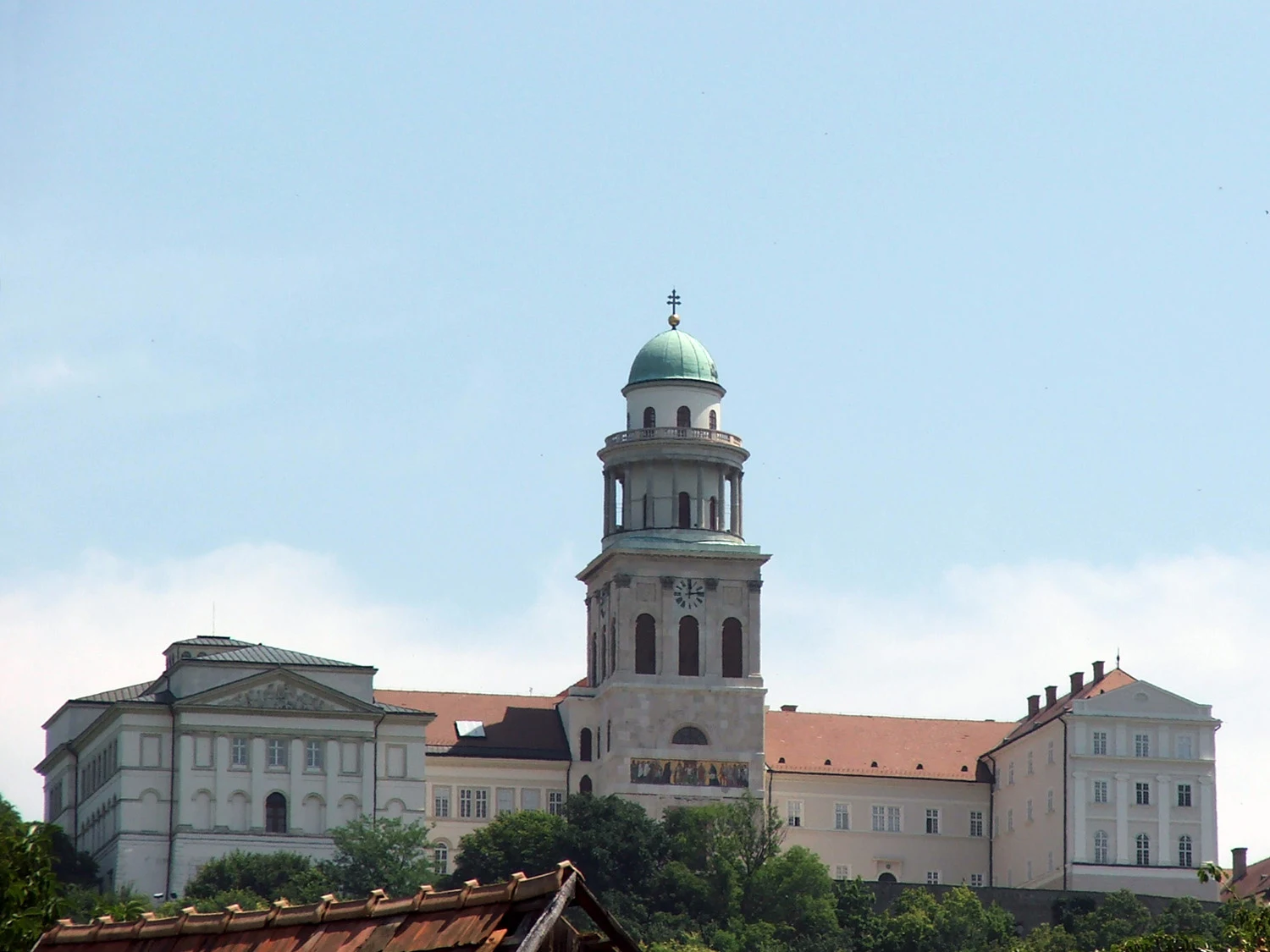
Pannonhalma brings together a Benedictine abbey, religious community, school, library and gardens in a complex best explored slowly. From Győr it can be reached by bus or train, although the train option requires walking from the station.
Explore the place →
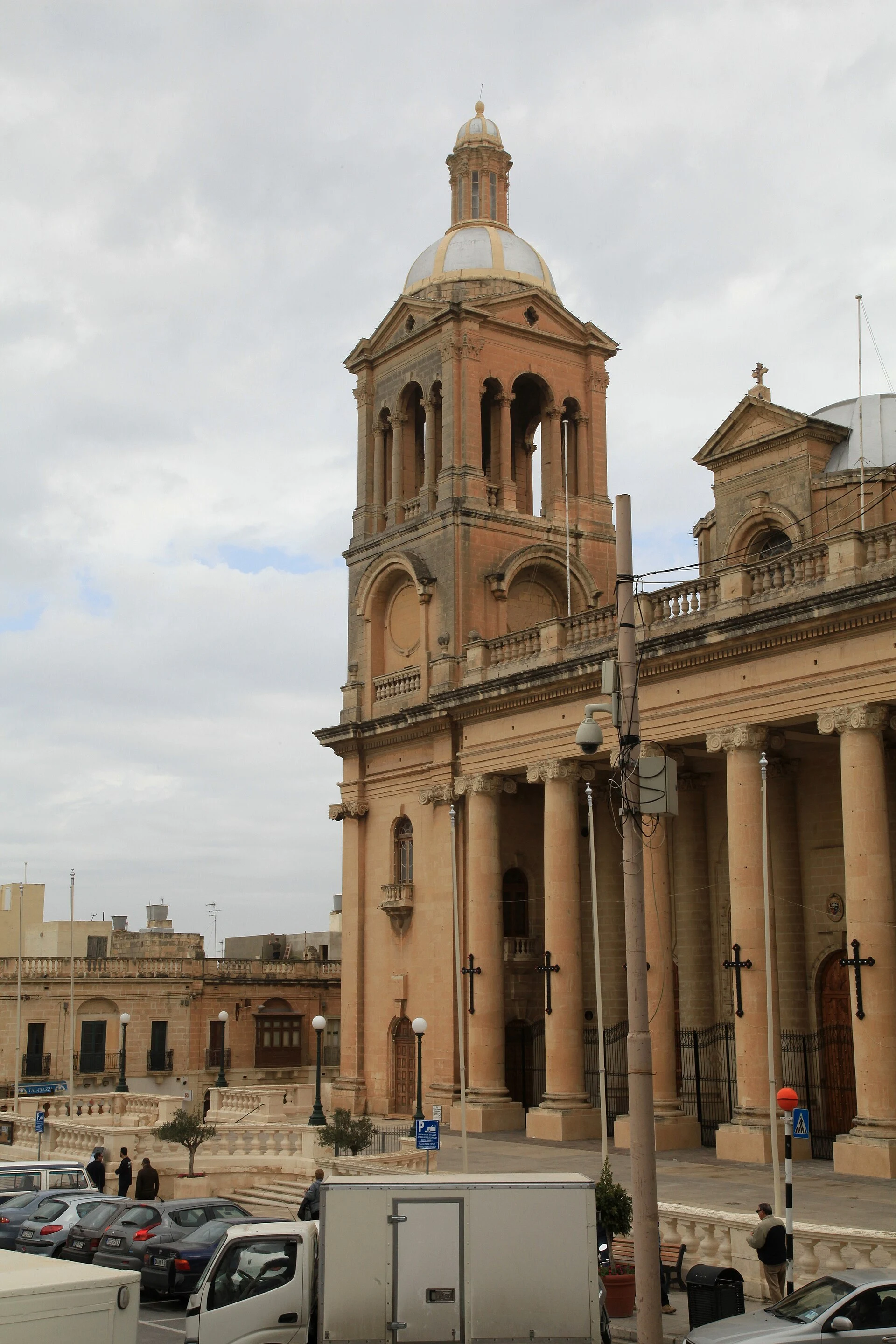
Paola is home to the Ħal Saflieni Hypogeum, an underground funerary complex carved into the rock and arranged over three levels. Plan the visit in advance.
Explore the place →
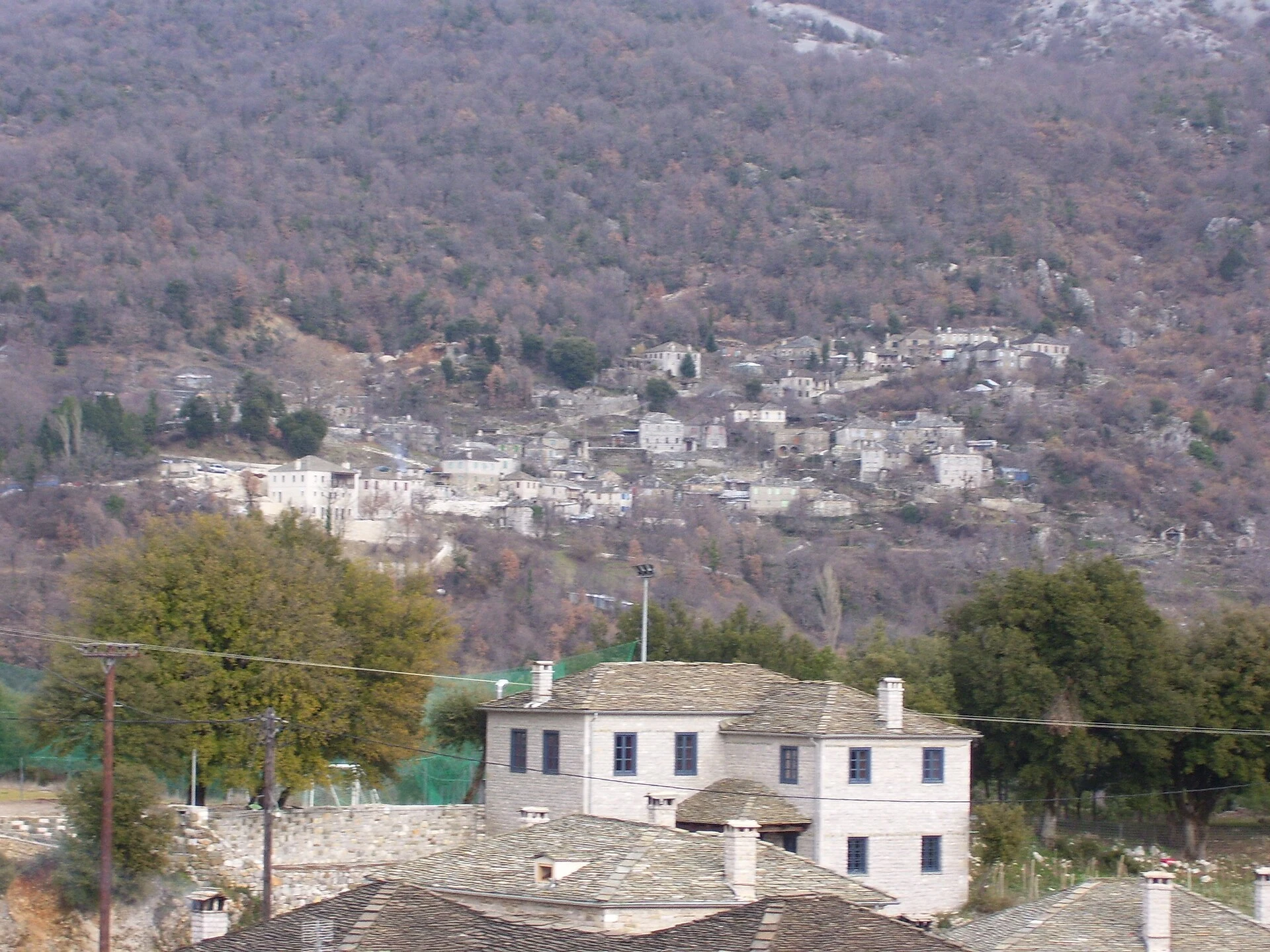
Megalo and Mikro Papingo make a mountain base for visitors focused on the slopes and summits of Tymfi. The village offers a close view of rugged terrain, but is less central for easily linking stops across central Zagori.
Explore the place →
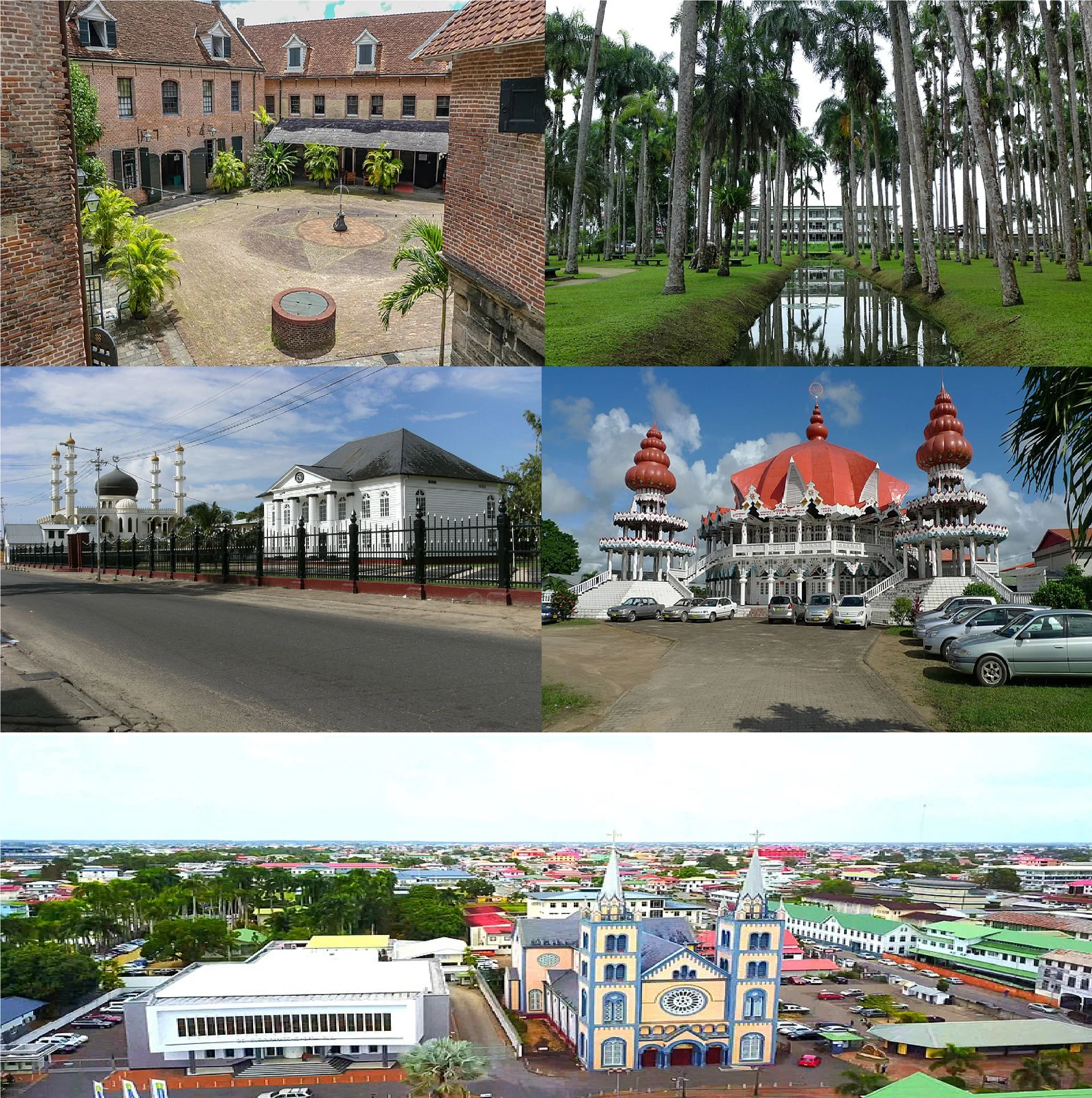
Paramaribo, Suriname’s capital, brings together a riverside street grid, wooden buildings, gardens and active places of worship. Its historic centre makes it possible to visit several key areas on foot.
Explore the place →
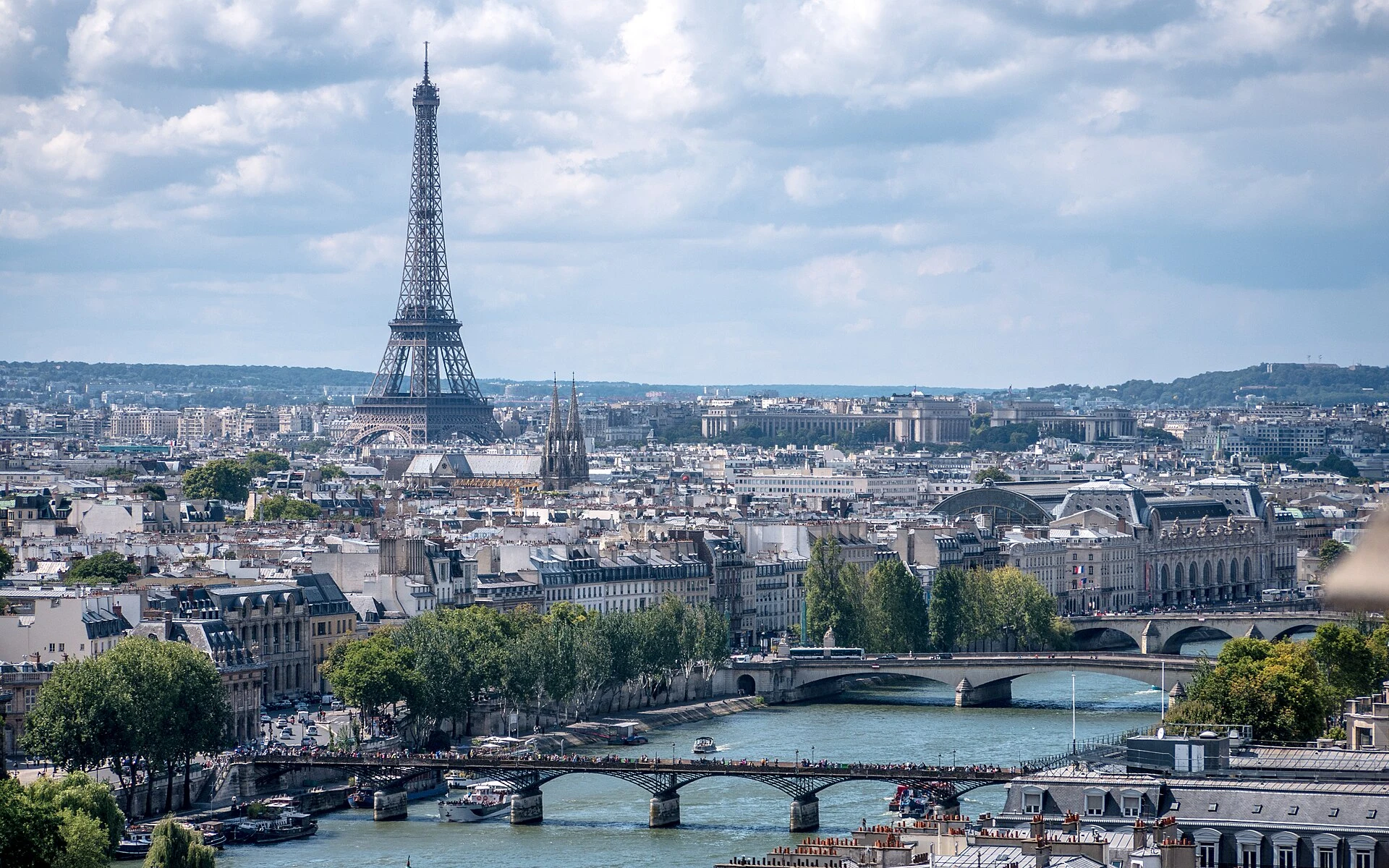
Paris is the capital of France and lies in the Île-de-France region. The available information identifies it as a geographic and administrative reference, but does not detail routes or current services.
Explore the place →
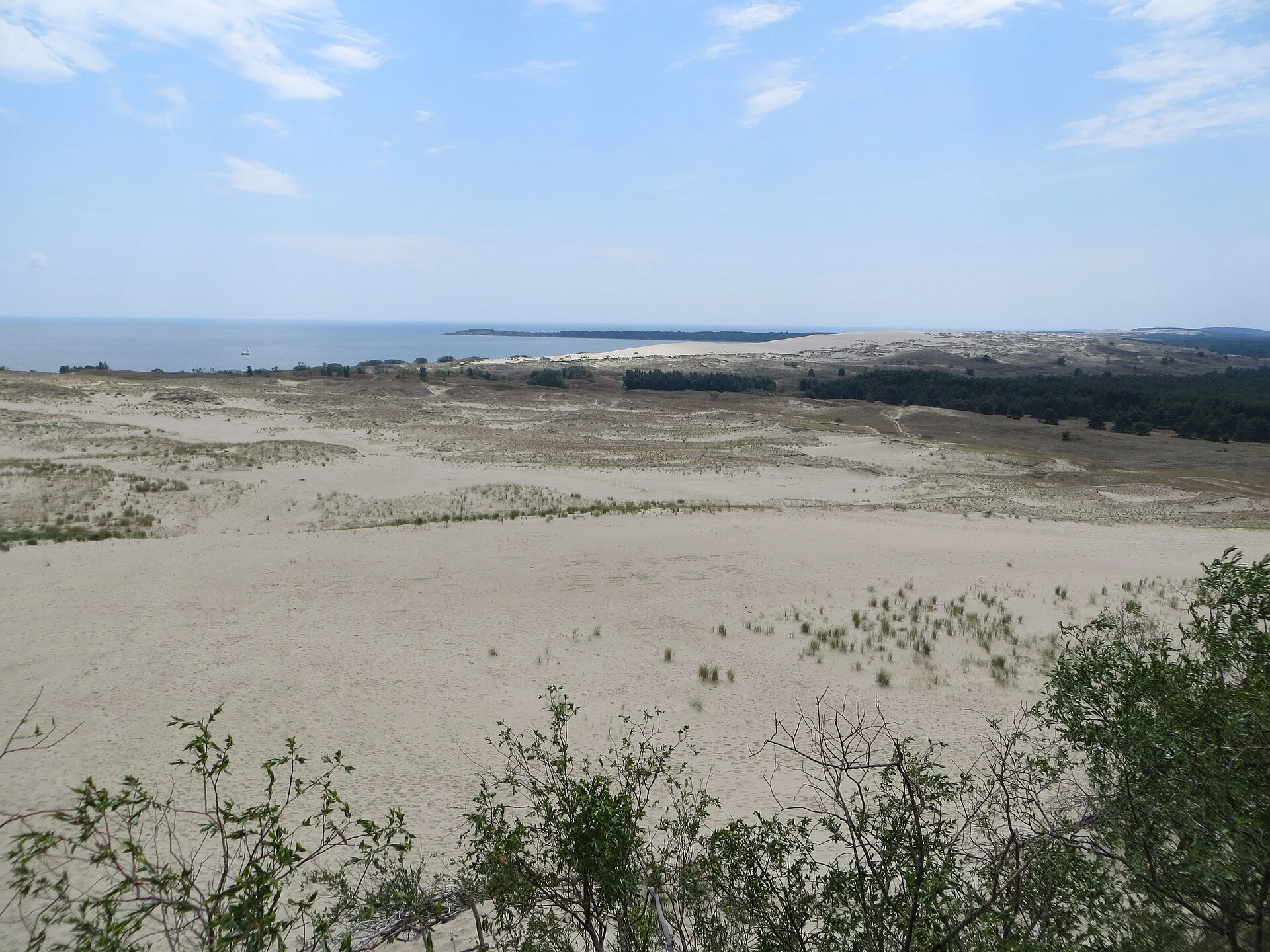
Parnidis Dune, in Nida, is reached by an educational trail with steps, benches and panels. The marked route offers a way to observe the dune landscape without descending the slopes or making shortcuts.
Explore the place →
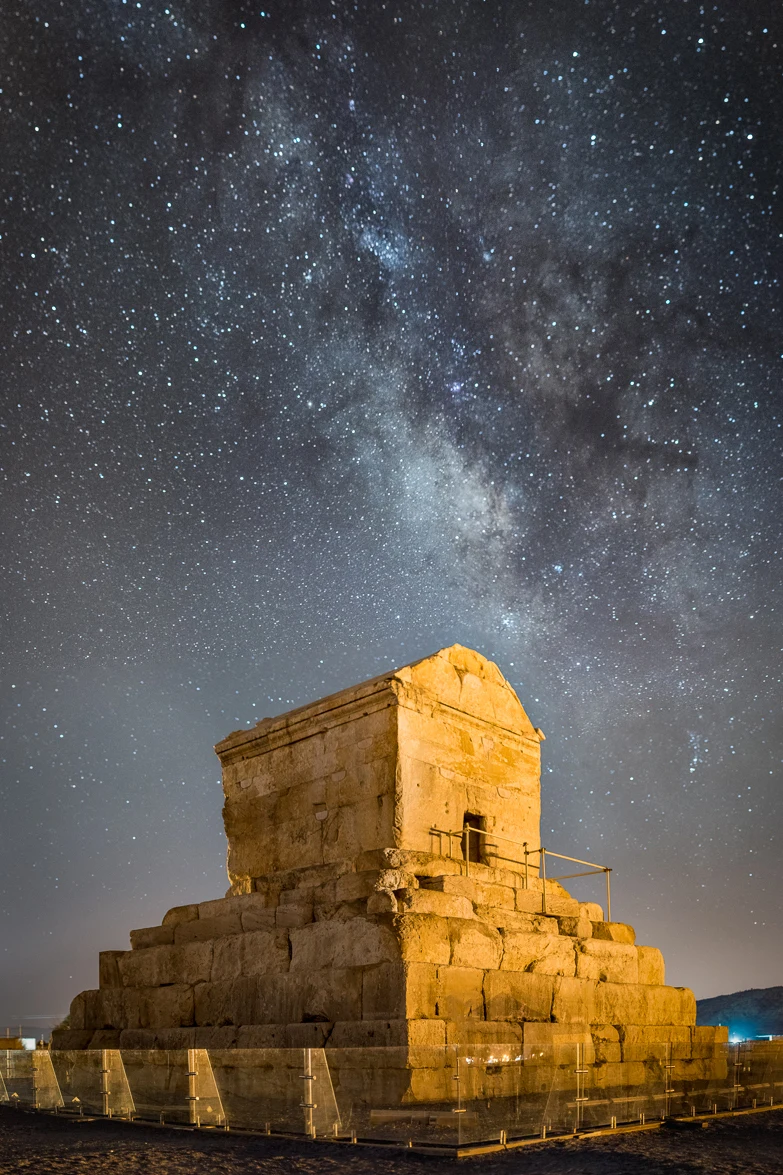
Pasargadae was the first Achaemenid dynastic capital. Its palaces, gardens and Cyrus’s tomb are spread across a plain, a layout that offers insight into an early stage of Persian royal architecture.
Explore the place →
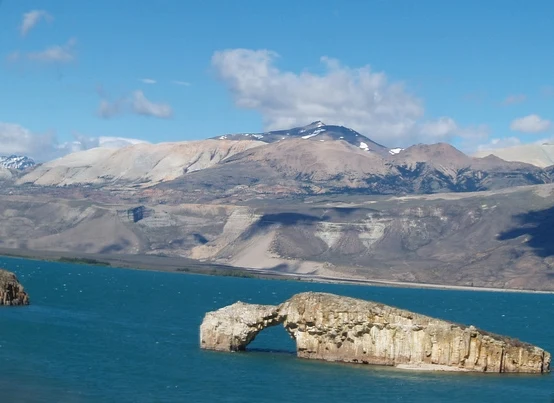
Patagonia National Park appears in the article as a continuation of a route through northwestern Santa Cruz, beyond Perito Moreno. The article provides no park-specific details.
Explore the place →Pécs is identified in the reference material as one of Hungary’s main urban areas. The article presents it as a name for research beyond Budapest, but provides no specific information about its attractions, connections or visit times.
Explore the place →The article places Pedregal as the former lava terrain on which the Central Campus of Ciudad Universitaria stands; it does not provide a guide to the wider area.
Explore the place →
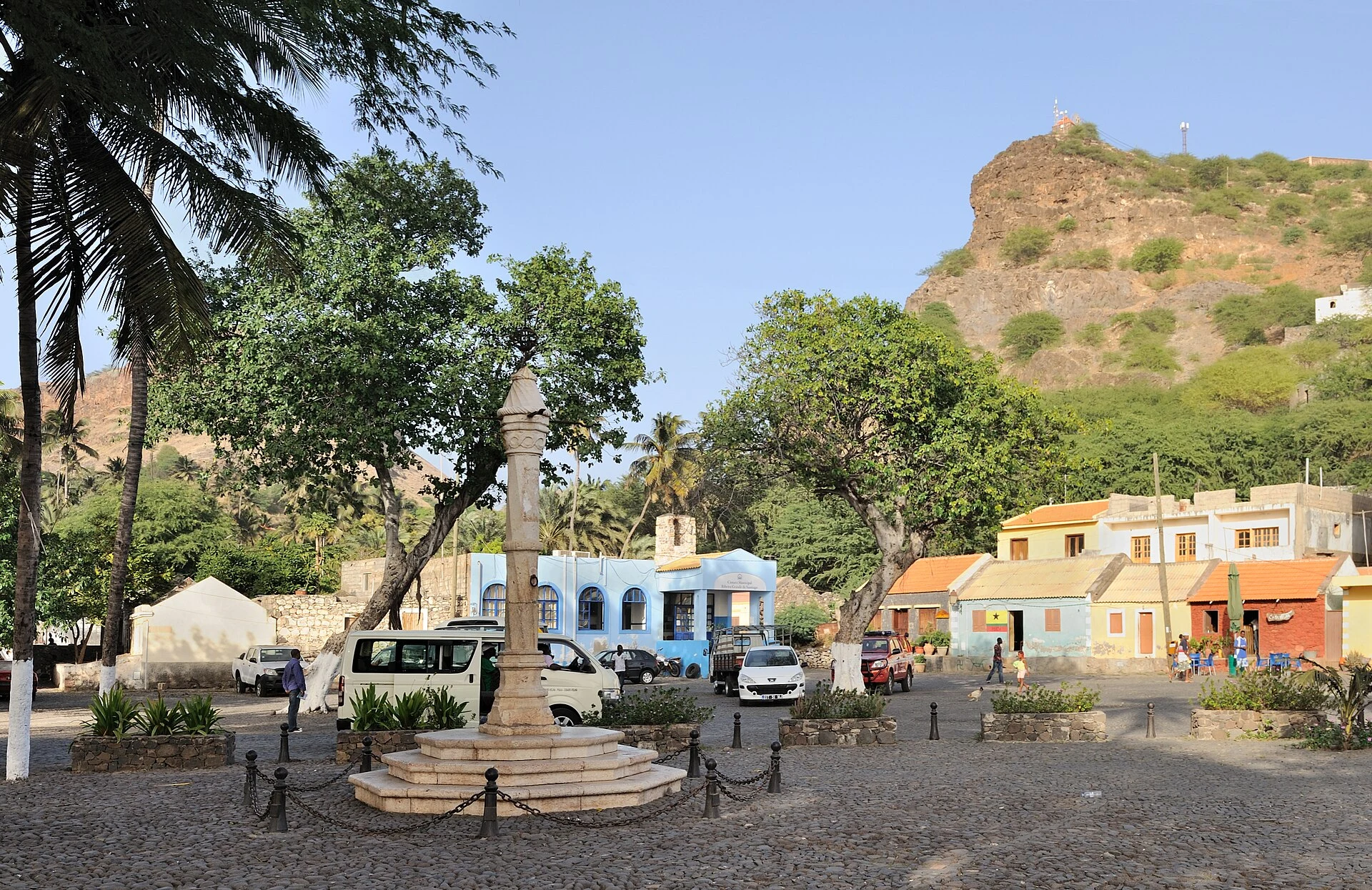
The Pelourinho is a marble column in the historic core of Cidade Velha. Its meaning is tied to public punishment under colonial rule and to Atlantic slavery, making it a place of memory to approach with care rather than as mere decoration.
Explore the place →
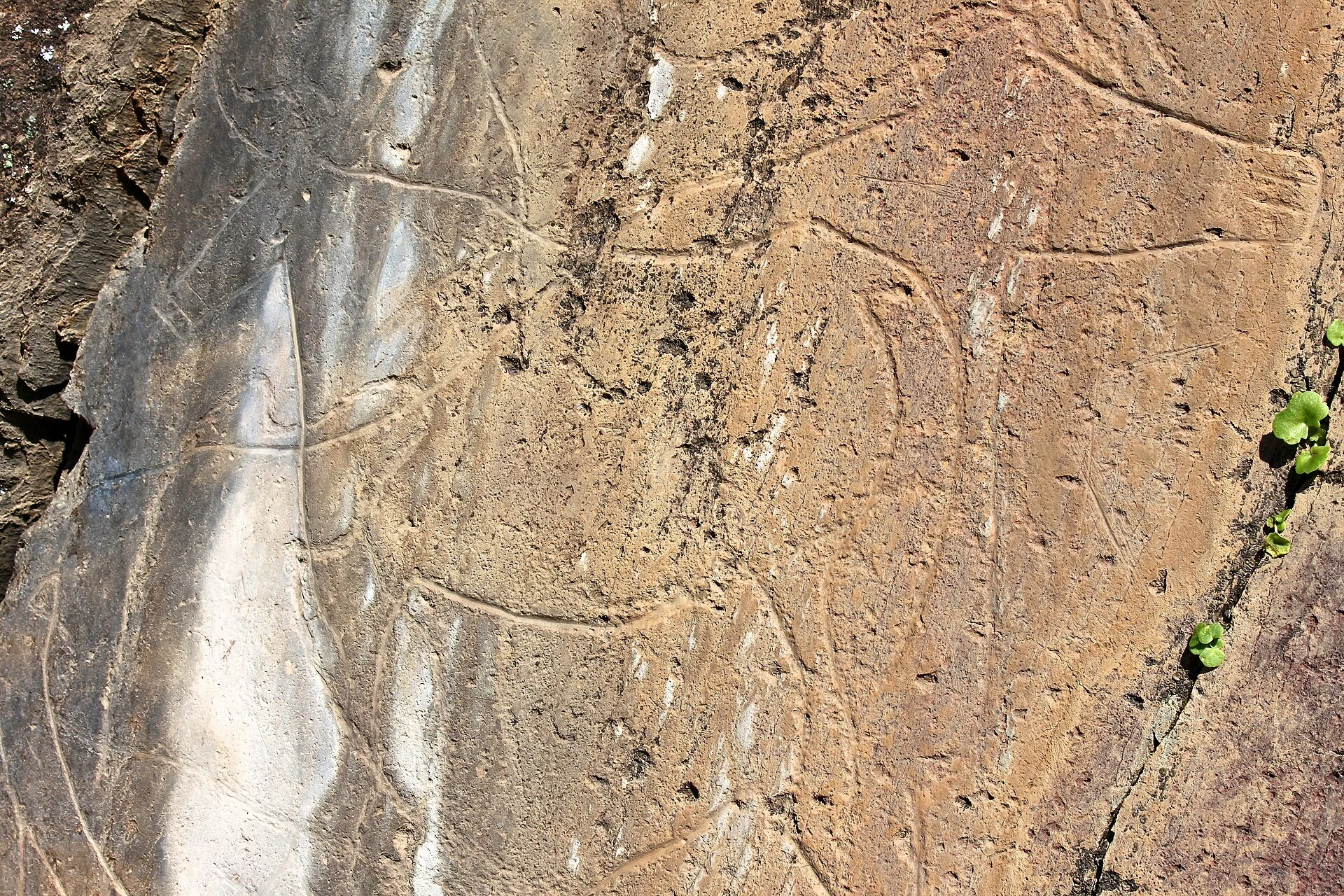
Penascosa is one of the rock-engraving groups in the Côa Valley. Its walking route is short and direct, and the rock orientation favours viewing in the afternoon; visits are arranged through the park.
Explore the place →
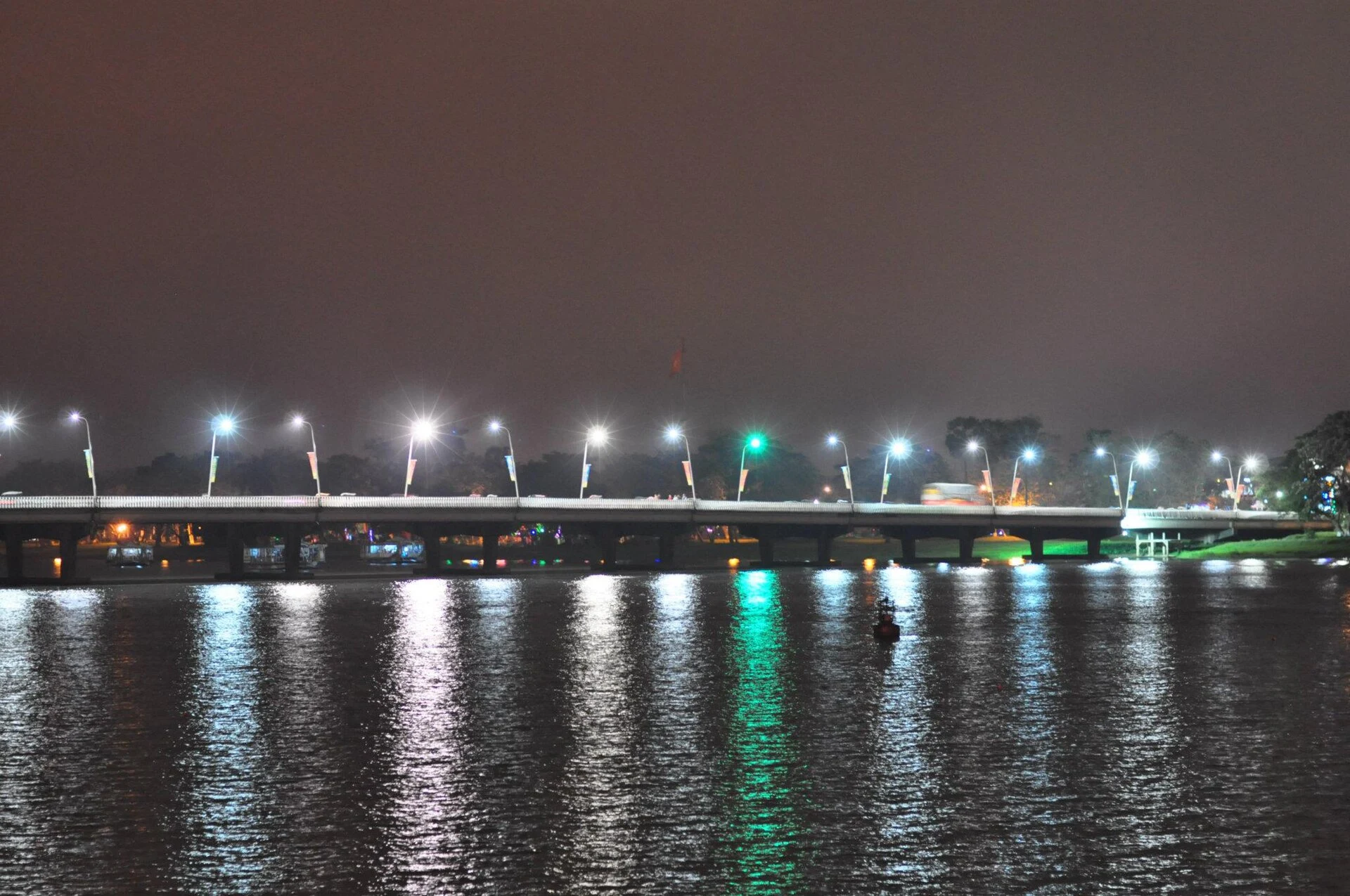
The Perfume River links Huế’s citadel, places of worship and Nguyễn tombs. Its riverside landscape helps explain how the historic ensemble was arranged.
Explore the place →
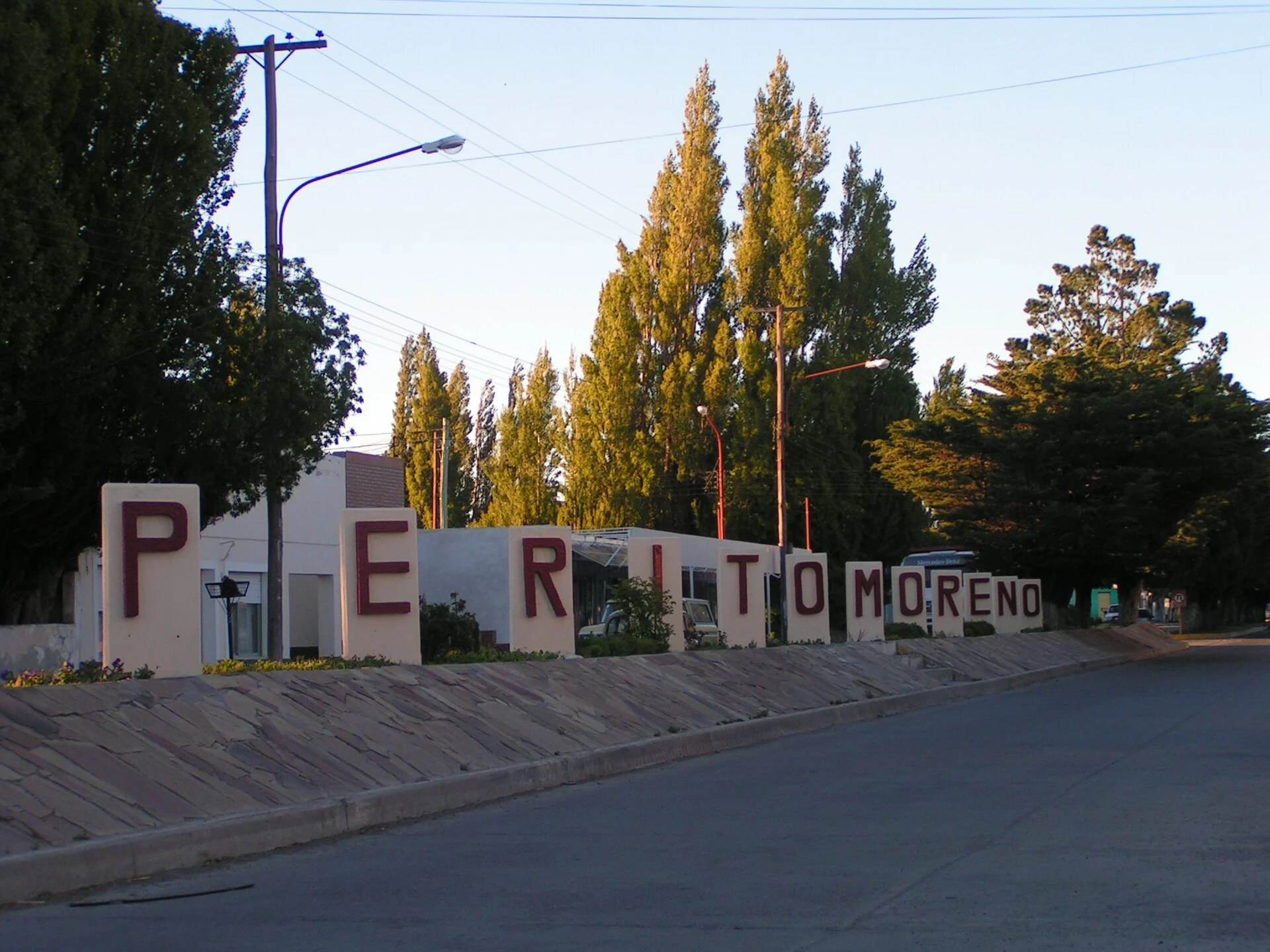
Perito Moreno is a town in Santa Cruz and a base for arranging transport to Cueva de las Manos. Its local archaeology museum provides context about the region.
Explore the place →