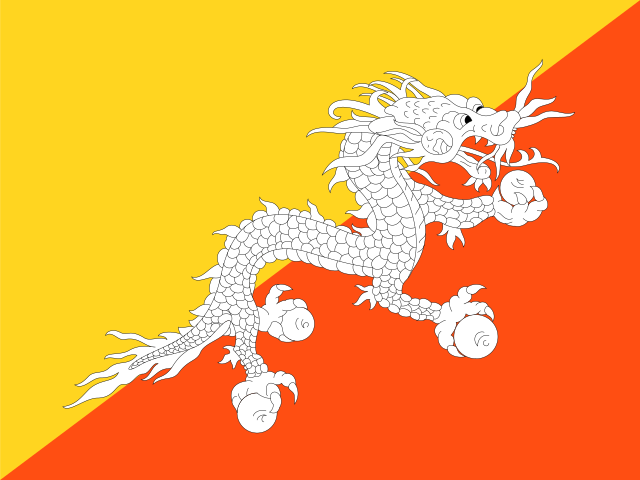
Bhutan’s capital, Dzongkha and currencies to verify
A starting point for placing Bhutan in South Asia and distinguishing the basic details to confirm before planning your trip.
Read guide →Kingdom of Bhutan
All articles about the country, including other pages. Select a point to discover its guides.
If the map does not load, all guides remain available in this list.
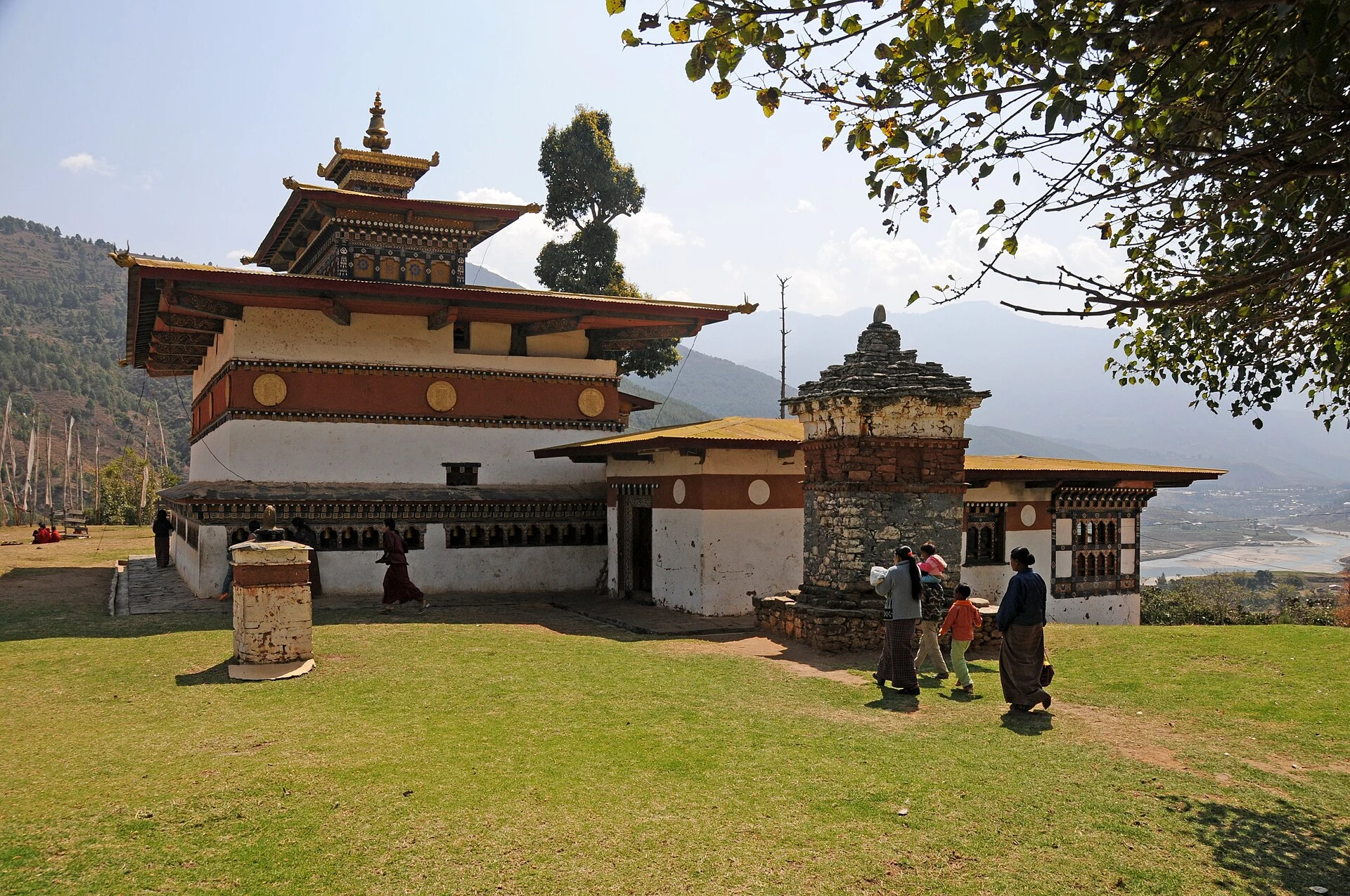
Chimi Lhakhang, near Lobesa, is a monastery founded in 1499 and associated with Drukpa Kunley. The final route from the village crosses agricultural land and ends on a small rise; the site offers a distinct religious context within the Punakha valley.
Explore the place →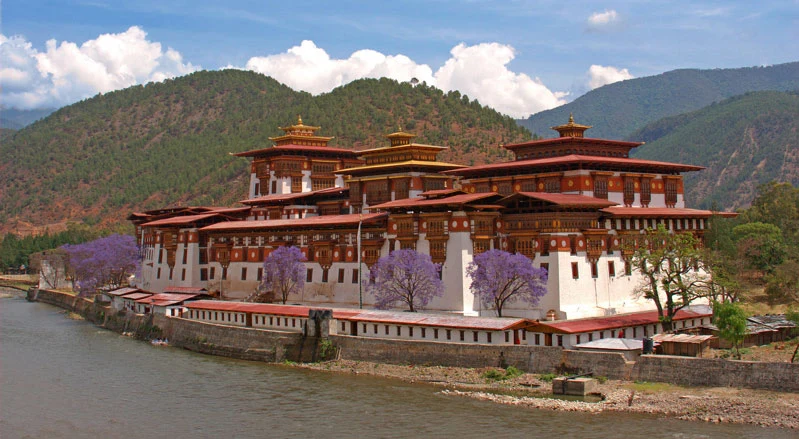
The Mo Chhu is one of the two rivers meeting beside Punakha Dzong; after joining the Pho Chhu, they form the Puna Tsang Chhu. The river is also crossed on the route from Kabisa toward Khamsum Yulley Namgyal Chorten.
Explore the place →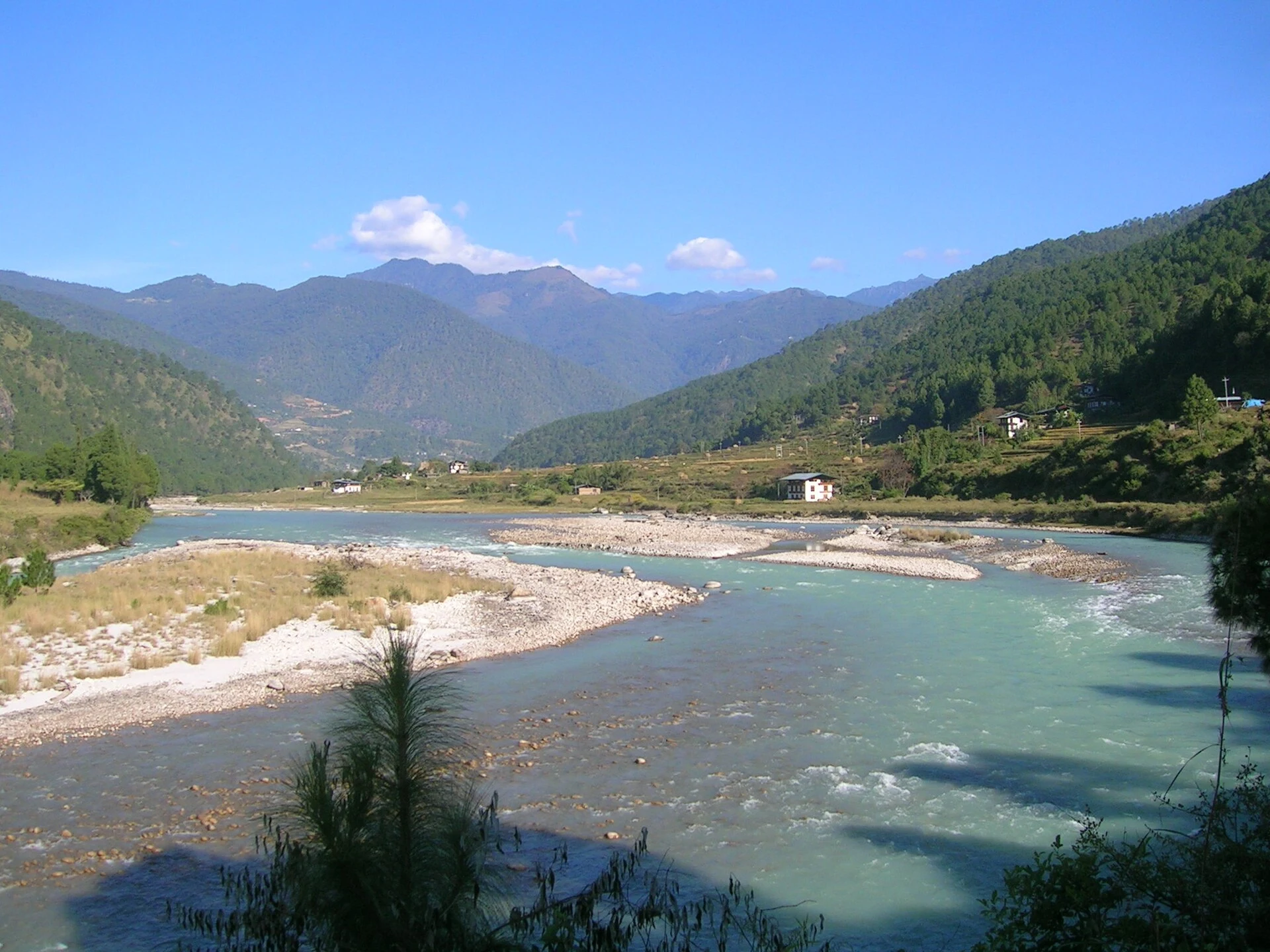
The Pho Chhu is one of the two rivers that meet beside Punakha Dzong, where it joins the Mo Chhu. Together, the rivers form the Puna Tsang Chhu.
Explore the place →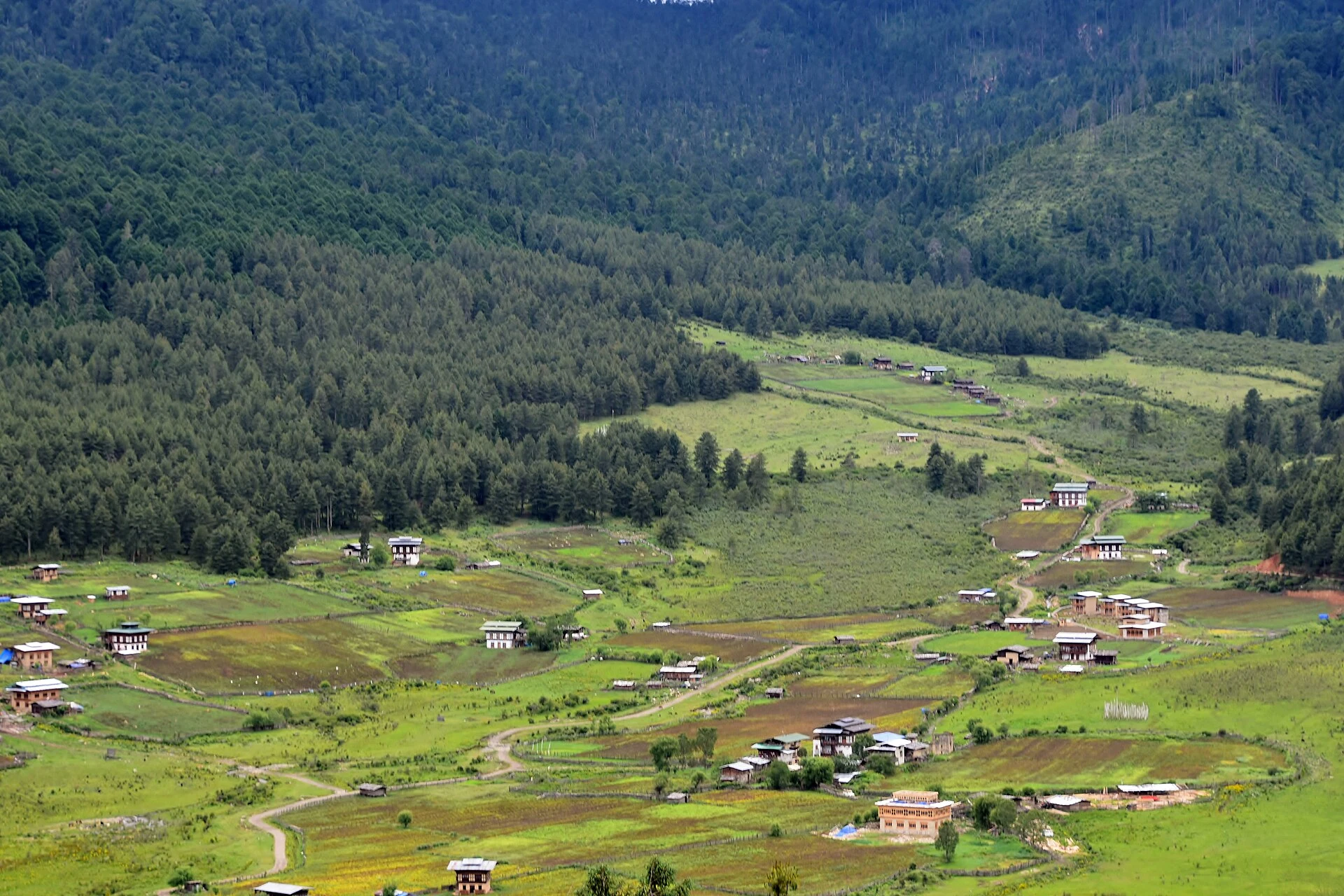
Phobjikha, also called the Gangtey Valley, brings together wetlands, villages and fields around a monastery. It is Bhutan’s main wintering area for black-necked cranes, though sightings are never guaranteed.
Explore the place →
Punakha is best understood through its rivers, religious buildings and cultivated landscape. Punakha Dzong, at the Pho Chhu–Mo Chhu confluence, anchors a cultural walking visit.
Explore the place →
Built in 1637–1638, Punakha Dzong stands at the confluence of the Pho Chhu and Mo Chhu rivers. It remains a district administrative seat and the central monastic body’s winter residence.
Explore the place →
Thimphu is the capital of Bhutan, a landlocked country in South Asia. The available information also lists Dzongkha as a language of the country, but gives no details about city attractions or visitor services.
Explore the place →