Inland Belize | Cayo District
Actun Tunichil Muknal and the day a ritual cave demands
A visit to ATM combines Maya archaeology, water and uneven terrain. The key question is not whether you can get there, but whether the guided itinerary truly suits you.
Conditions described in the guide: confirm current requirements and access with the official source before travelling.
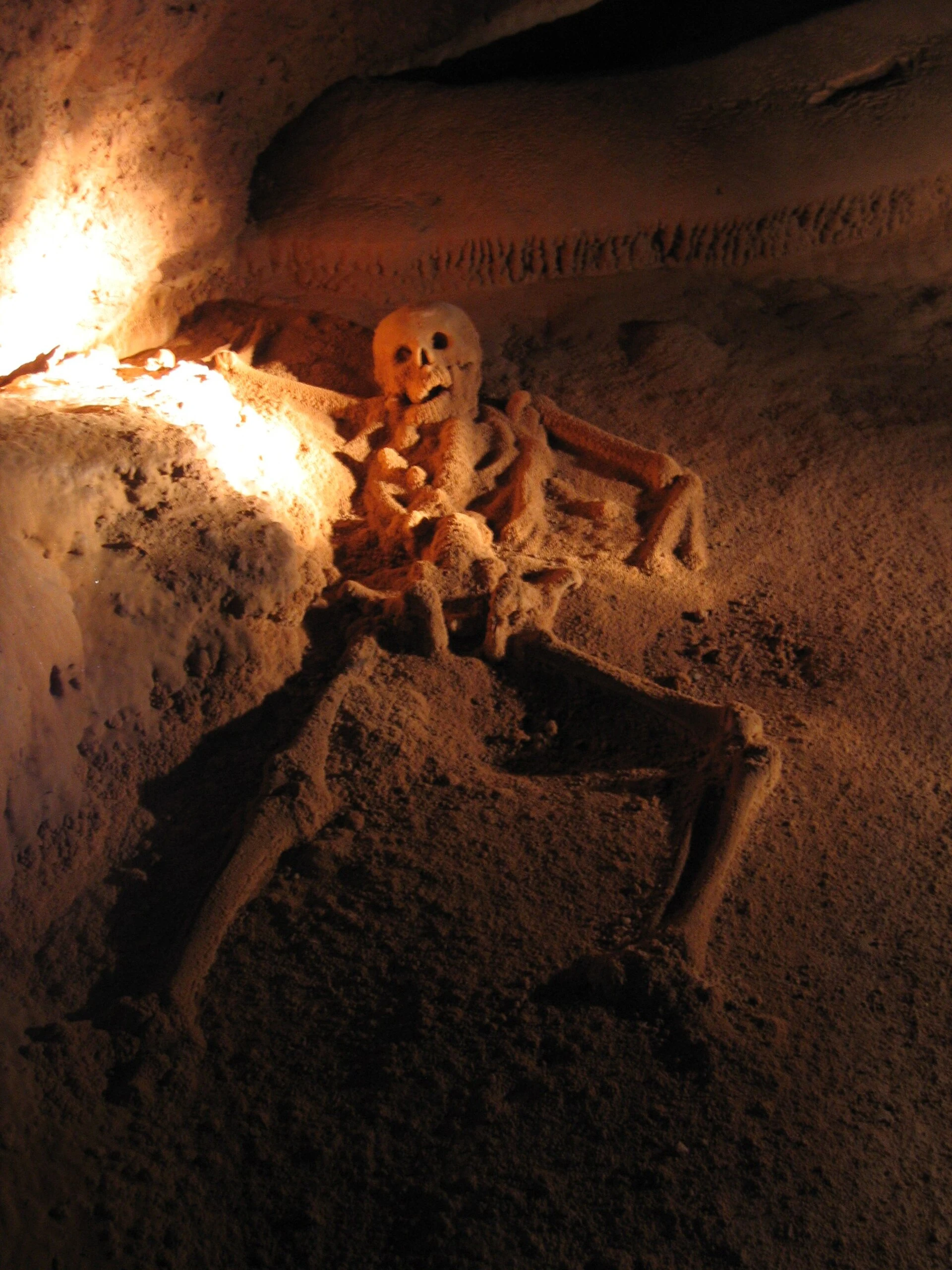
Actun Tunichil Muknal, known as ATM, offers a Maya archaeological experience that is not viewed from a walkway: you enter on foot, crossing water and swimming. The cave preserves in situ remains of ancient spiritual practices, so visits take place within a framework of heritage protection and strict rules. Before booking, consider whether the exertion, humidity and mandatory guided group format genuinely fit your trip.
An archaeological cave, not a conventional underground attraction
Access begins with a roughly 45-minute hike through jungle trails and several river crossings. Then come the water, the cave entrance and a route where rock, darkness and careful movement are central to the day. The approach is part of the experience, not a preliminary formality.
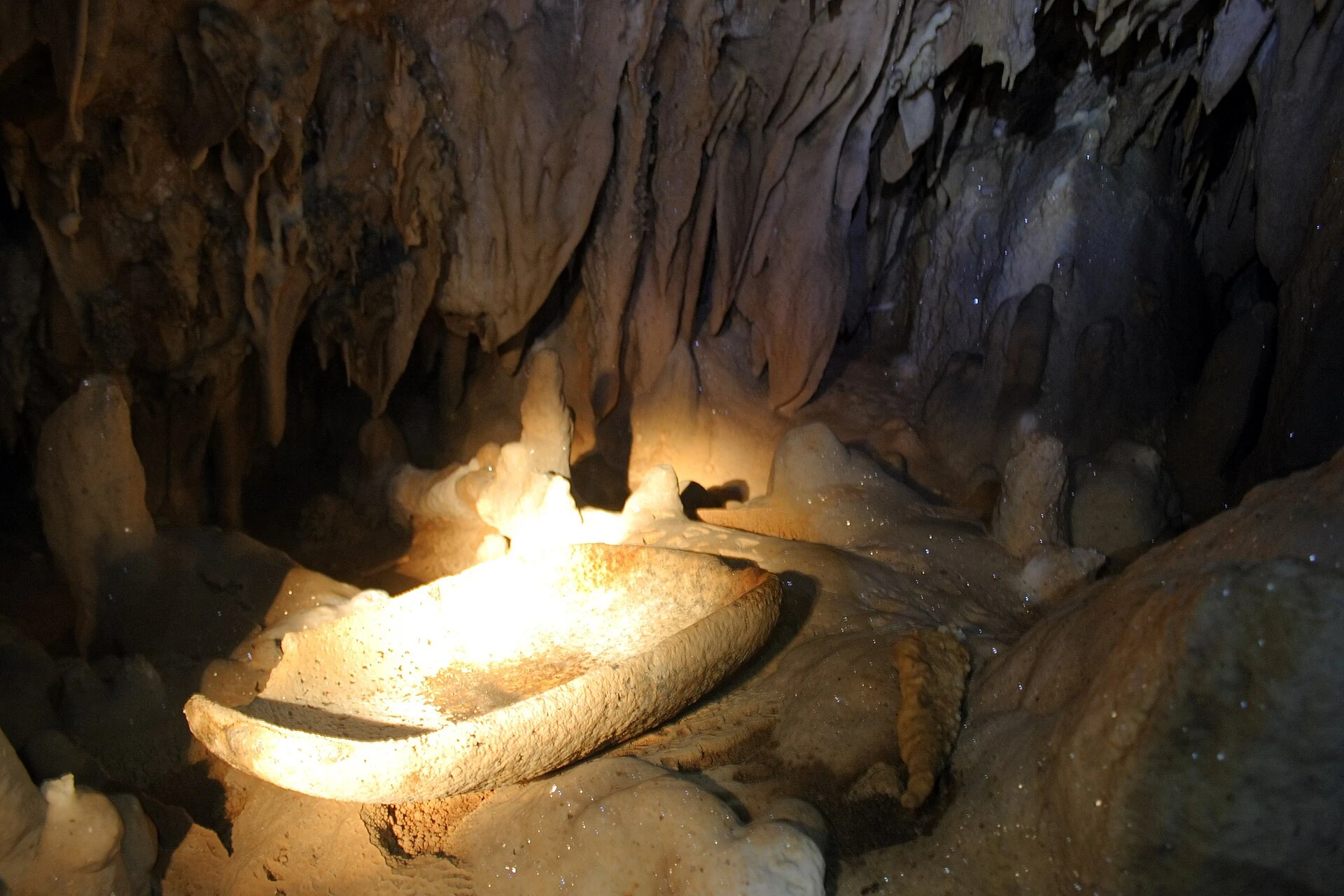
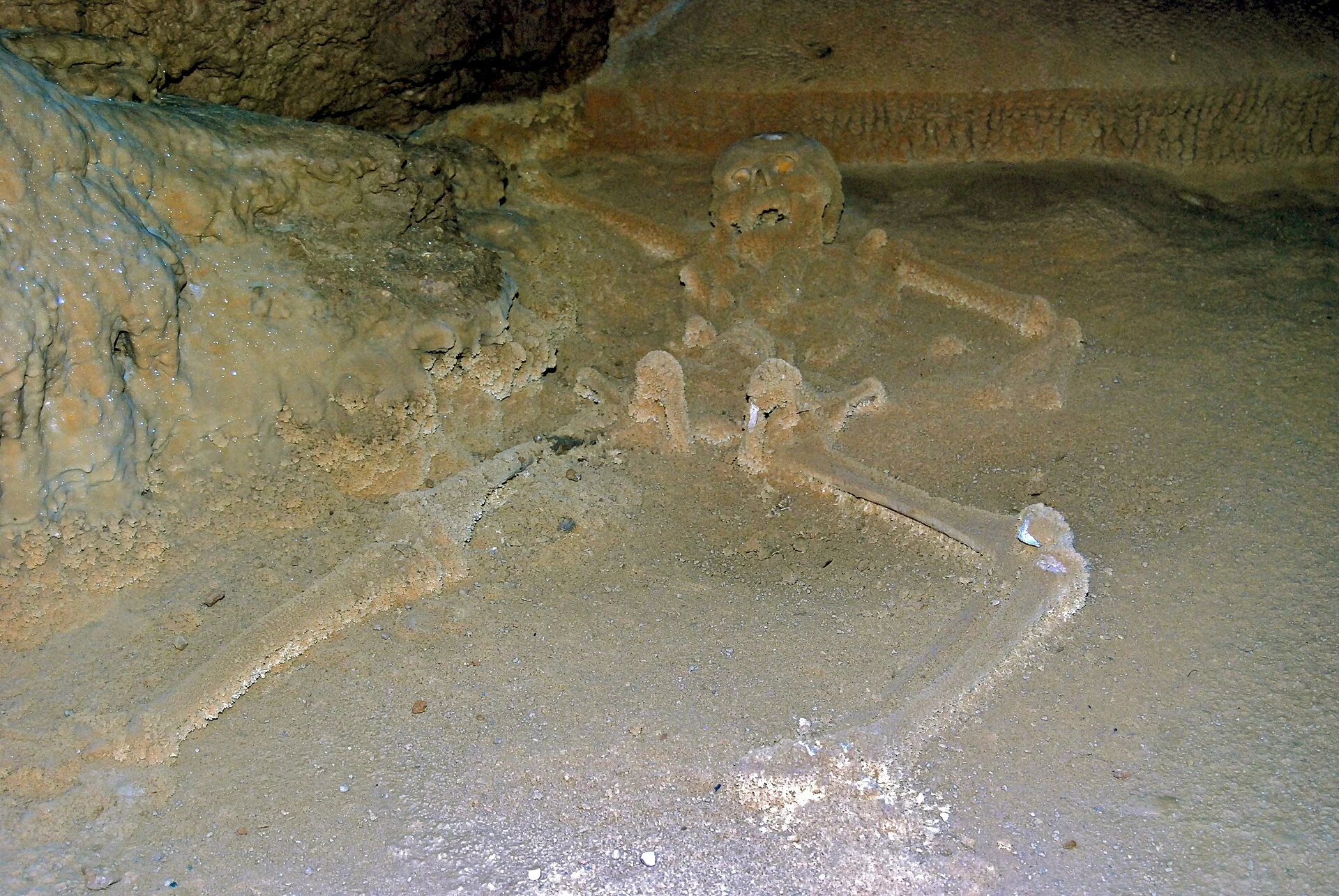
Inside are ceramics, lithic objects and human remains linked to Maya spiritual practices. This makes ATM, above all, a sensitive archaeological monument. The value of the visit lies in listening to the guide’s interpretation, observing without interfering and accepting that the group’s pace takes priority over individual exploration.
Who can enter and what to settle before paying
Independent entry is not allowed: every visitor must be accompanied by an ATM-certified guide, and advance booking is compulsory. Visitors must also submit a signed liability waiver before entering. Groups are limited to six visitors per guide, a measure that affects availability and explains why this activity should not be left to a last-minute decision.
There is a minimum height requirement of 40 inches—approximately 102 centimetres—and visitors must know how to swim and be in good physical condition. A life jacket and helmet with a light are required for entry. For a family, meeting the minimum height is not enough: each child must be able to cope with water, darkness, uneven rock and a full day of activity.
Book a full day, not an excursion between transfers
ATM deserves a day with no later commitments. The exact logistics depend on the operator, the pickup point and what the package includes, but the tour does not combine well with an intercity transfer, a flight or a rigidly timed activity that same afternoon. Leave the evening free and treat any return time as an estimate.
The most sensible order is to choose an authorised operator first, then confirm that day’s accommodation and transport. Ask in writing what the booking includes: admission, transport, food, helmet, light, meeting point and entry arrangements. Compare like-for-like services, not just the advertised price, because two departures may leave from different places or include different equipment.
The real filter is physical ability and accessibility
The route combines walking over natural terrain, stream crossings, swimming, climbing and part of the journey without footwear. Wet ground requires balance and attention; the group follows a shared pace, and there is no freedom to shorten the itinerary independently. For that reason, this is not an accessible visit in the conventional sense.
Bring clothes that can become completely soaked, water shoes or hiking footwear that retain grip when wet, socks for the barefoot section, a towel and dry clothes. The administration also recommends a long-sleeved shirt and suitable footwear for rough terrain. If you have reduced mobility, a relevant medical condition, severe discomfort in enclosed spaces or doubts about your ability to swim, raise these circumstances before booking, not when you reach the trailhead.
Caring for the site also changes what you bring
Cameras, video equipment and recording devices are prohibited inside the cave. Touching or climbing formations, running, jumping, making noise and leaving waste are also forbidden. These rules are not a minor addition: they limit the impact on a space where archaeological, geological and biological values coexist.
Travel light and accept that your memories of the visit will not depend on your own images. Listening, moving slowly and not touching are concrete ways to respect the site. Before setting out, confirm the river conditions, scheduled departure, equipment provided and any changes to device rules with the operator: these are time-sensitive details that can affect the day’s operation.
The useful decision before adding ATM to your Belize itinerary
Choose ATM if you are looking for a guided day combining Maya history, jungle and physical effort, and if you can devote a full day to an activity with little flexibility. It is especially well suited to a stay in the Cayo District, without trying to fit it between long transfers.
Leave it out if your priority is independence, photography, a dry visit, easy access or an activity adaptable to different physical paces. Choosing not to visit ATM can be a good travel decision: Belize has other archaeological sites and caves, while this experience requires specific conditions that should not be minimised.
References and final checks
Before booking, verify availability, the ticketing system, river conditions, device restrictions and personal requirements using these sources:
- The Actun Tunichil Muknal profile from the Institute of Archaeology of the Institute of National Culture and History: access conditions, certified guide, minimum height, mandatory equipment and rules inside the cave.
- The Institute of Archaeology’s tourist cave management policy: conservation framework, guide regulation and capacity management.
- Tourism Belize’s updated guide: full-day planning, physical exertion, pickups and checks before departure.
- The Belize Tourism Board’s guide directory and regulations: verification of professional licensing.
References consulted during editorial review. Times, requirements and advisories may change: always confirm with the official source.
- https://ticketing.nichbelize.org/product/caracol/ ticketing.nichbelize.org
- https://ticketing.nichbelize.org/ia-sites/caracol/ ticketing.nichbelize.org
- https://ticketing.nichbelize.org/policies-terms-conditions/ ticketing.nichbelize.org
- https://nichbelize.org/institute-of-archaeology/ nichbelize.org
- https://nichbelize.org/wp-content/uploads/2025/01/2024_EDUCATIONAL-Visit-Site-APPLICATION-FORM.pdf nichbelize.org
- https://nichbelize.org/code-of-conduct/ nichbelize.org
- https://ticketing.nichbelize.org/product-category/mayan-t/ ticketing.nichbelize.org
- https://nichbelize.org/wp-content/uploads/2025/02/NICH-Impact-2025-Report.pdf nichbelize.org
- Belice WikidataCC0 1.0 Wikidata · Q242
- Belice WikidataCC0 1.0 Wikidata · Q815590
- Belice WikidataCC0 1.0 Wikidata · Q37534957
- Bělice WikidataCC0 1.0 Wikidata · Q11706733
- Belize World Countries — mledozeODbL 1.0 World countries dataset by mledoze and contributors · ODbL 1.0
- Belize World Bank Open DataCC BY 4.0 World Bank
- Belize DBpediaCC BY-SA 3.0 DBpedia
- Belice DBpediaCC BY-SA 3.0 DBpedia
- Gobernantes de Belice (1786-1990) CrossrefMetadatos públicos; derechos específicos por campo cuando correspondan Crossref
- Belice: una historia olvidada CrossrefMetadatos públicos; derechos específicos por campo cuando correspondan Crossref