Travel decision
Afghanistan requires postponing any tourist travel for now
Current consular advisories agree: this is not a destination for tourism. The prudent decision is to postpone the trip and review official sources before reopening any plans.
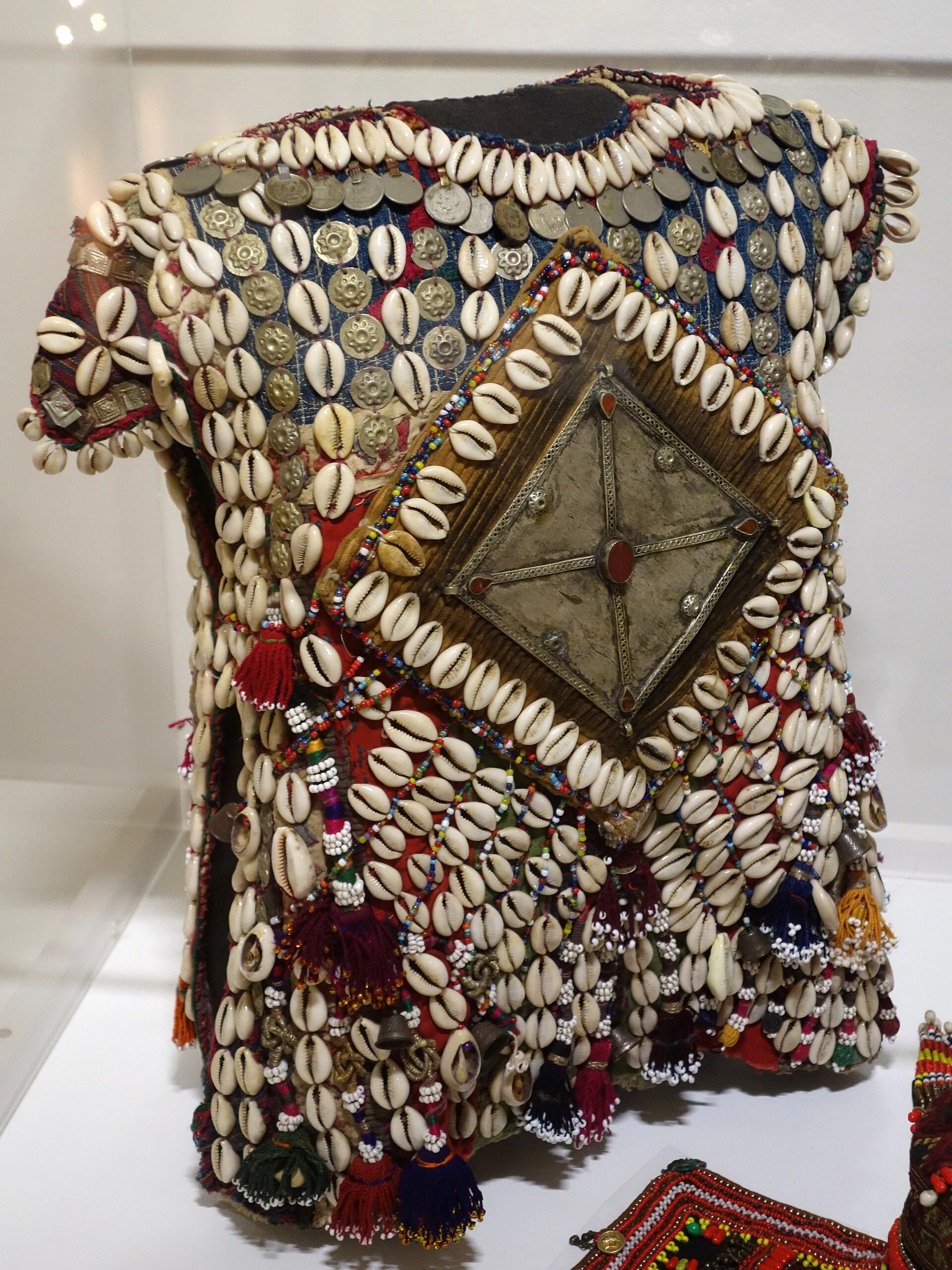
Afghanistan has landscapes, languages and heritage of immense importance, but that reality does not make the country a viable tourist destination today. As of September 19, 2026, the consular authorities of the United States, the United Kingdom and Canada advise against all travel; this is not a routine precaution or a destination whose risks can be managed simply by booking an organised tour. For anyone considering a cultural, mountain or road trip, the practical conclusion is to postpone it.
This pause does not erase the interest in learning about Afghanistan, nor does it replace Afghan voices. It simply recognises that recreational travel depends on security, mobility, healthcare and consular assistance that are not currently guaranteed.
The useful decision is to stop planning
It is not advisable to proceed with bookings, connecting flights or payments to intermediaries as though this were a manageable high-risk trip. Official advisories cite terrorism, kidnapping, arbitrary detention, crime and a volatile security situation throughout the country, including Kabul.
They also point out that travel, communications and border crossings may be affected at short notice. This makes any fixed itinerary unreliable, even if it focuses on cities or well-known sites. Responsible tourism should not shift onto hosts, drivers or local communities the burden of compensating for risks that visitors cannot control.
An organised trip does not remove the underlying risks
Hiring a guide, vehicle or agency may help organise logistics, but it does not eliminate structural risks. British advice expressly discourages travel even as part of an organised group; the US and Canadian authorities include terrorist activity, kidnapping and detention among the risks.
It is important to distinguish promotional information from genuine response capacity. Having a visa, a local contact or a booking does not amount to having a safe way out, reliable access to medical care or in-person consular assistance. Entry conditions, borders and applicable rules may change without notice: these are details that would need to be checked directly with the relevant authorities if the situation eventually allows the trip to be reconsidered.
Restrictions affect travellers differently
Decisions and rules applied by the de facto authorities have a profound impact on everyday life and freedom of movement. Women travellers may face specific restrictions, while LGBTIQ+ people face serious risks of discrimination and violence. Nationality, dual nationality, previous occupations and links to organisations, the media or humanitarian work may also increase exposure to surveillance or detention.
It is not reasonable to turn these restrictions into a list of “tips for getting around them”. They are factors that reinforce the recommendation to not undertake a tourist trip. Anyone with a family, professional or protection-related reason to travel needs individual advice from their consular authorities and, where appropriate, legal counsel.
If you are already in Afghanistan
This guidance does not replace official instructions or a personal emergency assessment. The consular sources consulted indicate that their ability to provide assistance inside the country is very limited or non-existent; the US Embassy in Kabul remains suspended, and the UK does not provide in-person consular assistance there.
Prioritise information from your own consular representation, keep your documents accessible and follow official instructions on security and departure. Do not assume that a border crossing, overland route or air connection will remain available. Avoid non-essential movements based on rumours or social-media posts.
What to review before reviving the idea of travelling
Postponing does not mean ruling it out forever. Before considering Afghanistan as a destination again, confirm that your country’s official advice has changed clearly and consistently, that effective consular capacity exists and that conditions allow planning without exposing third parties to risk.
At that point, always verify through official sources the entry and exit conditions, transport operations, health requirements, local restrictions and the insurance policy’s actual validity for the itinerary. Until these elements evolve, it is preferable to engage with Afghan history, art and cultures through cultural institutions, works by Afghan authors and community projects outside a high-risk tourism framework.
References to check before deciding
- US Department of State, Afghanistan travel advisory: Level 4, “Do not travel”; issued February 20, 2026, and updated April 2, 2026.
- UK Foreign, Commonwealth & Development Office, Afghanistan travel advice: current on September 18, 2026; advises against travel, including as part of an organised group.
- Government of Canada, Afghanistan travel advice and advisories: “Avoid all travel”; updated September 9, 2026.
References consulted during editorial review. Times, requirements and advisories may change: always confirm with the official source.
- https://travel.gc.ca/destinations/afghanistan travel.gc.ca
- https://www.gov.uk/foreign-travel-advice/afghanistan www.gov.uk
- https://www.international.gc.ca/country-pays/afghanistan/index.aspx?lang=eng www.international.gc.ca
- https://travel.gc.ca/travelling/advisories?pubDate=20250409 travel.gc.ca
- https://voyage.gc.ca/destinations/afghanistan voyage.gc.ca
- https://www.canada.ca/en/immigration-refugees-citizenship/services/refugees/afghanistan/political-situation.html www.canada.ca
- https://www.gov.uk/foreign-travel-advice/afghanistan/safety-and-security www.gov.uk
- https://travel.state.gov/en/international-travel/travel-advisories/afghanistan.html travel.state.gov
- Afganistán WikidataCC0 1.0 Wikidata · Q889
- Afgánistán WikidataCC0 1.0 Wikidata · Q23850511
- Afghanistan World Countries — mledozeODbL 1.0 World countries dataset by mledoze and contributors · ODbL 1.0
- Afghanistan World Bank Open DataCC BY 4.0 World Bank
- Middle East, North Africa, Afghanistan & Pakistan (IBRD only) World Bank Open DataCC BY 4.0 World Bank
- Middle East, North Africa, Afghanistan & Pakistan (IDA total) World Bank Open DataCC BY 4.0 World Bank
- Middle East, North Africa, Afghanistan & Pakistan World Bank Open DataCC BY 4.0 World Bank
- Middle East, North Africa, Afghanistan & Pakistan (excluding high income) World Bank Open DataCC BY 4.0 World Bank
- Middle East, North Africa, Afghanistan & Pakistan (IDA & IBRD) World Bank Open DataCC BY 4.0 World Bank
- Afghanistan DBpediaCC BY-SA 3.0 DBpedia
- Kabul GeoNamesDatos geográficos bajo CC BY 4.0; requiere atribución a GeoNames. Fuente: GeoNames
- Kabul GeoNamesDatos geográficos bajo CC BY 4.0; requiere atribución a GeoNames. Fuente: GeoNames
- Kabul, Kabul District, Kabul Province, 1001, Afghanistan OpenStreetMapODbL 1.0; atribución y obligación de compartir bases derivadas. Fuente: OpenStreetMap
- Hamid Karzai International Airport OpenFlightsODbL 1.0 (base de datos) / DbCL 1.0 (contenidos) Hamid Karzai International Airport · OpenFlights · ODbL 1.0