Southern Luxembourg · Industrial heritage
Belval and the Minett: Following Luxembourg’s Steelmaking History
Two days to understand southern Luxembourg through a blast furnace, a mine and a historic railway, without trying to cover everything.
Conditions described in the guide: confirm current requirements and access with the official source before travelling.
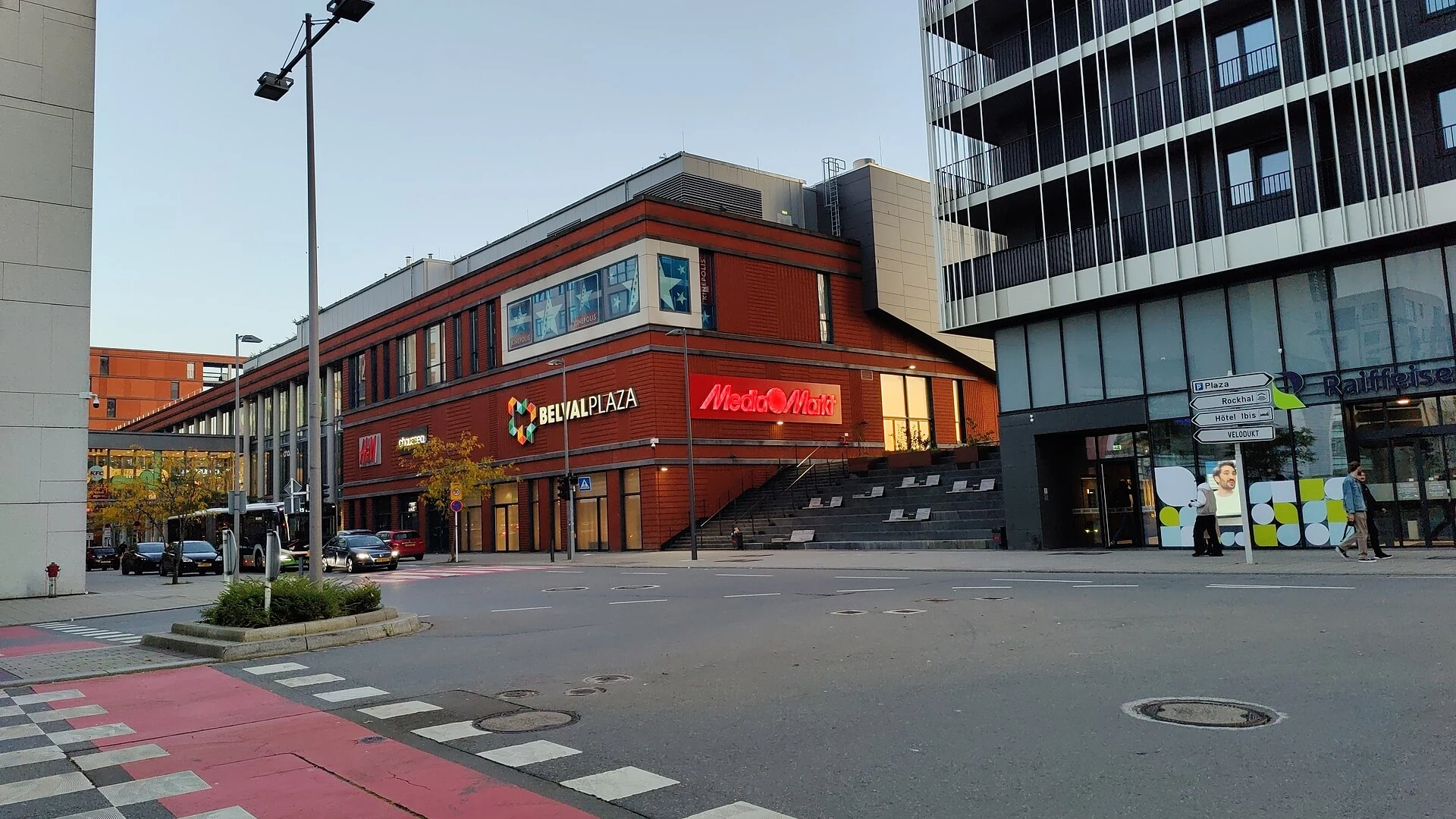
The Minett, the red-earth region of southern Luxembourg, shows how ore extraction and steelmaking transformed an entire territory. The best visit is not about adding up attractions; it is about contrasting Belval’s preserved blast furnace with the working and underground scale of Rumelange or Fond-de-Gras. This reveals both the industrial process and the different ways the landscape and buildings have found new uses.
Start in Belval, where the factory meets the university city
Belval is the clearest gateway because the former steelworks has not been left isolated: Blast Furnace A stands beside the Cité des Sciences, a district for research, education and services. The visit begins in the Möllerei, the large building where coke and ore were stored before being fed into the furnaces; it then follows the physical sequence of production to an elevated platform.
The practical decision here is simple: climb if you want to understand the scale of the installation and observe the relationship between the preserved factory and contemporary architecture. Visitors who prefer to avoid stairs should check the alternative lift-access route in advance. Weather conditions may affect access to the upper levels, so it is advisable to check the route’s status on the same day.
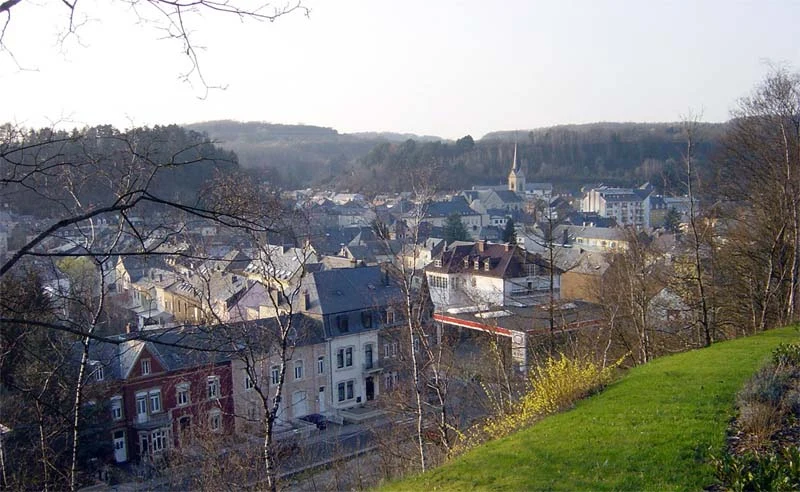
Choose Rumelange to get closer to underground work
The National Mining Museum of Rumelange provides what Belval cannot: the experience of entering the former extraction space. The individual visit combines the museum, a guided mine tour and a small train; it is not a quick add-on, but the centrepiece of a half-day devoted to understanding why local ore shaped the economy and communities of the south.
Rumelange suits visitors who want a more direct explanation of mining work, rather than only an architectural reading of the heritage. Its programme for individual visitors is seasonal, and mine departures run at specific times; confirm dates, available languages and booking arrangements before building the rest of the day around this visit.
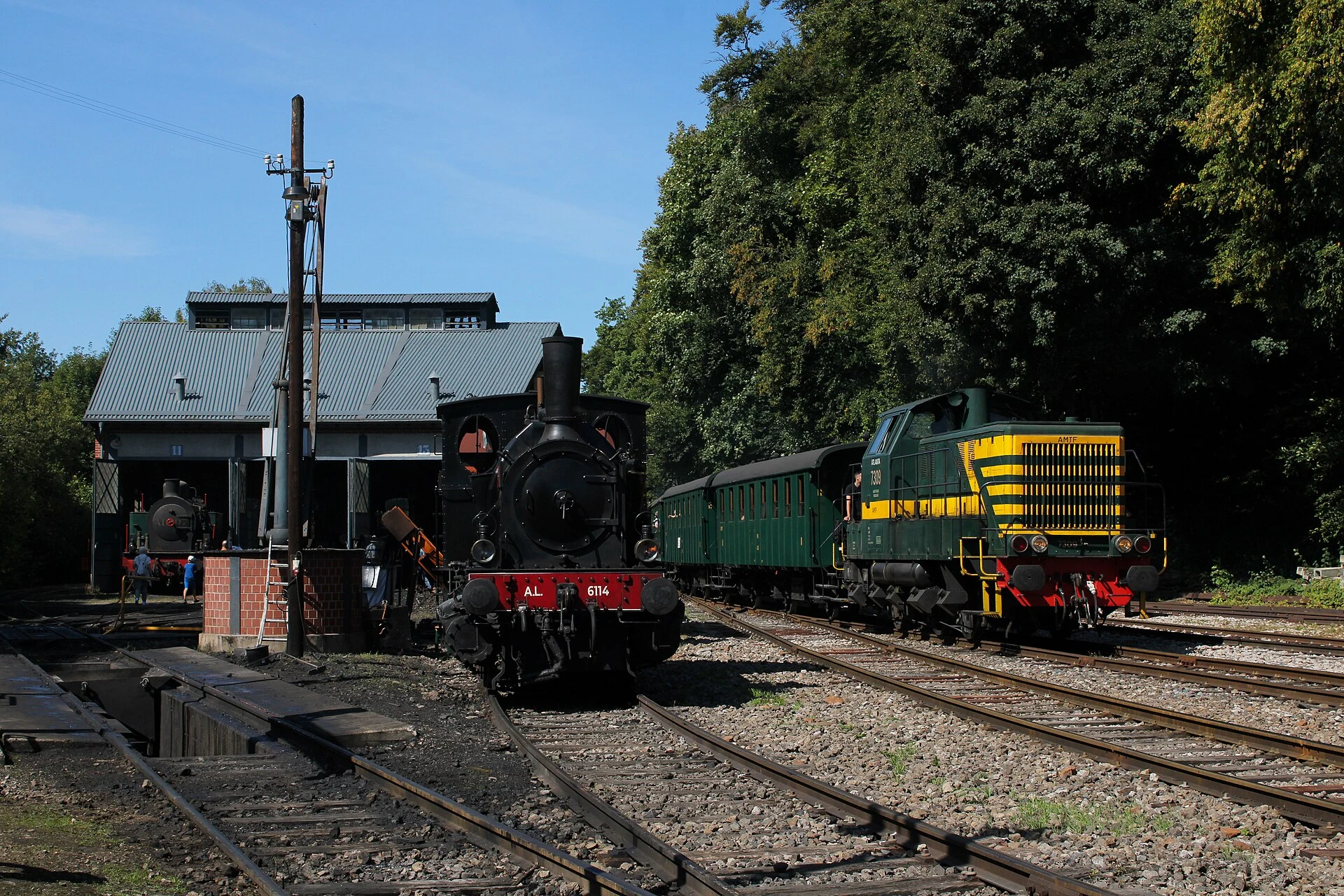
Choose Fond-de-Gras if railways are part of the history you want to explore
Fond-de-Gras explains the Minett through its infrastructure: tracks, locomotives, service buildings and the route that carried the ore. Train 1900 connects Pétange with the valley along a former mining line, while the Minièresbunn heads towards Lasauvage and includes a stop for a mine visit. These are not interchangeable trains: the first gives meaning to the railway landscape, while the second comes closer to the extraction process.
The outdoor site can be explored on foot even outside operating days, but the museums and historic buildings depend on train operations. The valley terrain, cobblestones, track crossings and access to historic railway equipment mean that reduced mobility requires prior checking, not assumption.
Plan two days and avoid stringing together three demanding visits
For a short trip, dedicate the first day to Belval: arrive by train, visit the blast furnace and leave time to walk through the district rather than reducing it to a single industrial photograph. On the second day, choose one main experience: Rumelange if you prioritise the guided mine tour, or Fond-de-Gras if historic trains and the railway landscape matter more.
It is possible to travel between the Minett’s main centres without a car, but Fond-de-Gras requires more logistical attention. National public transport in second class is free, although cross-border services and first class are not covered by this rule. On weekdays, the nearest regular stop to Fond-de-Gras still leaves a walk of around 1.2 kilometres; the direct service to the site runs less frequently. Check the official journey planner before deciding the order of your visits.
Let the place set the pace of your visit
This itinerary works best if you accept that each site answers a different question: Belval is about urban regeneration, Rumelange about extraction and work, and Fond-de-Gras about transport and technical conservation. Compressing them into one day blurs those differences and increases the risk of finding a seasonal activity out of service.
Wear sturdy footwear for Fond-de-Gras and the walking routes; check the forecast if you want to climb the blast furnace; and always confirm opening hours, railway calendars, guided departures and access requirements. The visit gains depth when you allow time for the panels, machinery and changing scale between ore, train and city.
Official sources to check before travelling
- Fonds Belval: access to Blast Furnace A, alternatives for visitors with reduced mobility, possible weather-related closures and guided tours.
- National Mining Museum of Rumelange: opening seasons and guided mine and train departures.
- Minett Park Fond-de-Gras: differences between Train 1900 and Minièresbunn, valley accessibility and arrival by public transport.
- Luxembourg Public Transport Administration: free national travel in second class and exceptions for first class and cross-border journeys.
- CFL: current railway timetables, including the line to Rumelange.
References consulted during editorial review. Times, requirements and advisories may change: always confirm with the official source.
- https://www.visitluxembourg.com/get-to-know-luxembourg/on-the-trail-of-sweat-and-steel www.visitluxembourg.com
- https://mnm.lu/en/ mnm.lu
- https://minettpark.lu/en/holiday-activities/ minettpark.lu
- https://minettpark.lu/en/events/day-of-the-draisines/ minettpark.lu
- https://minettpark.lu/en/faq-3/ minettpark.lu
- https://minettpark.lu/en/events/guided-tour-of-the-railway-sheds-3/ minettpark.lu
- https://mnm.lu/ mnm.lu
- https://www.visitluxembourg.com/tour/the-minett-trail-from-station-to-station-tetange-gare-rumelange-gare www.visitluxembourg.com
- Luxemburgo WikidataCC0 1.0 Wikidata · Q32
- Luxemburgo WikidataCC0 1.0 Wikidata · Q1842
- Luxemburgo WikidataCC0 1.0 Wikidata · Q15921347
- Luxemburgo WikidataCC0 1.0 Wikidata · Q62092307
- Luxemburgo WikidataCC0 1.0 Wikidata · Q62063608
- Luxembourg World Countries — mledozeODbL 1.0 World countries dataset by mledoze and contributors · ODbL 1.0
- Luxembourg World Bank Open DataCC BY 4.0 World Bank
- Luxembourg DBpediaCC BY-SA 3.0 DBpedia