Italy · Lombardy · Rock art
Capo di Ponte: linking Naquane, Cemmo and MUPRE
Three nearby stops offer context for Valcamonica’s rock carvings, without trying to cover a heritage site scattered throughout the entire valley.
Conditions described in the guide: confirm current requirements and access with the official source before travelling.
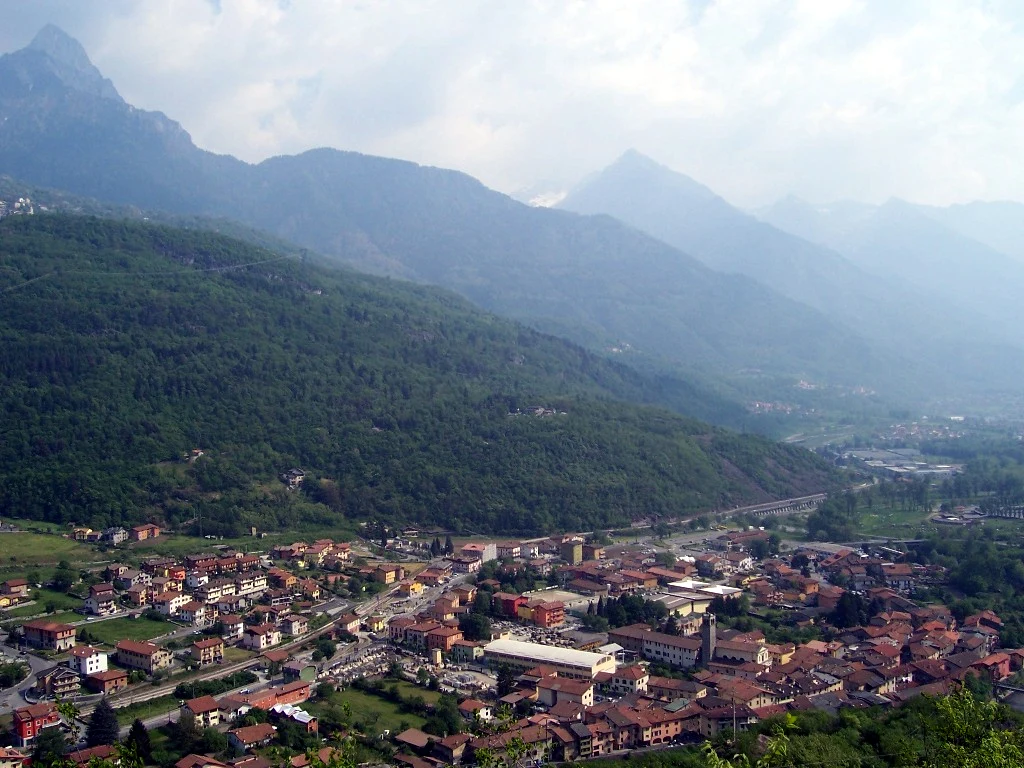
Capo di Ponte offers a focused and sensible way to approach the rock art of Valcamonica: combine a museum with two archaeological parks instead of chasing dozens of rocks scattered across the mountains. The important decision is not to see as many carvings as possible, but to set aside time to understand their chronological, technical and landscape layers.
Choosing Capo di Ponte as your base for interpretation
The rock-art complex of Valcamonica contains more than 140,000 figures and symbols distributed across numerous areas of the valley. An improvised visit can therefore become a succession of surfaces that are difficult to interpret. Capo di Ponte solves much of this problem by bringing together Naquane National Park, the National Archaeological Park of the Massi di Cemmo and MUPRE.
Start at MUPRE, in the historic centre. Its seven sections place the carved images alongside tools, household objects, funerary spaces, sanctuaries and metalworking activities. It is especially useful if you arrive without prior knowledge: it helps distinguish a recognisable figure from an informed interpretation of the societies that inhabited the valley.
Capo di Ponte station lies on the Brescia–Iseo–Edolo railway line, so the village can serve as a car-free base for this particular selection. Before buying tickets, check the current timetable, possible engineering works and the connections between the station, your accommodation and each park.
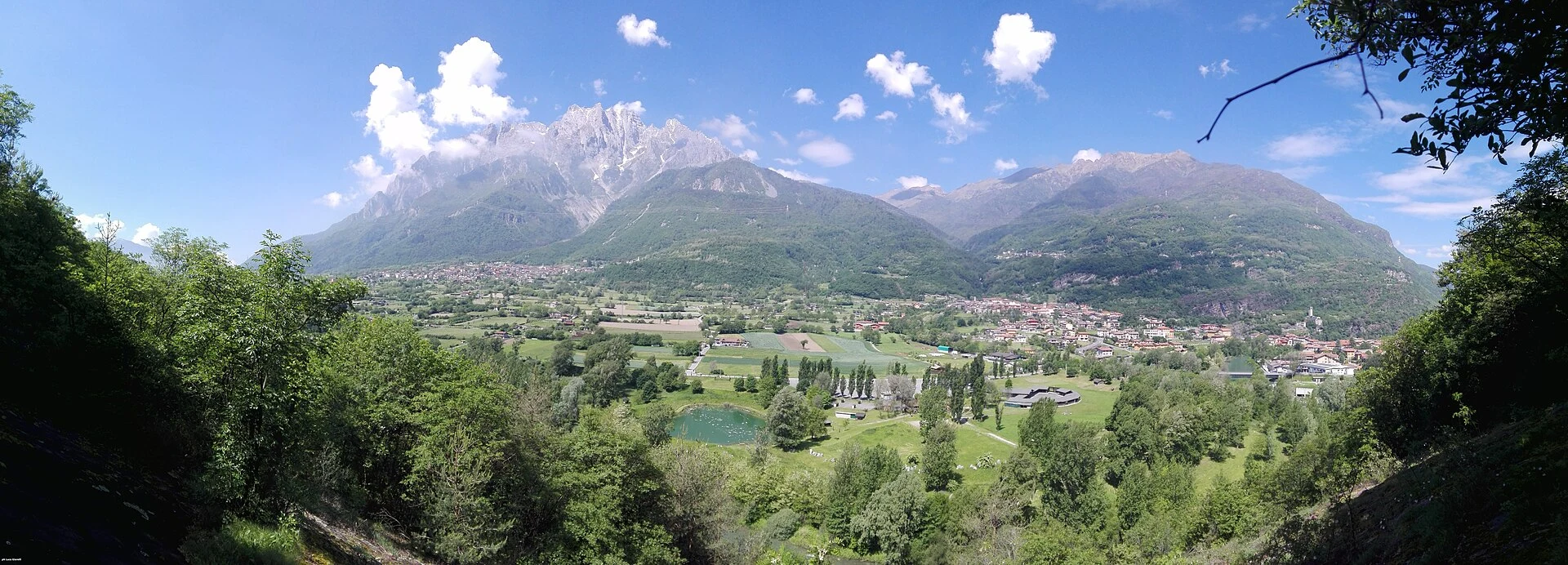
Naquane: allow time for trails and panels
Naquane National Park of Rock Engravings is the choice for visitors who want to see a broad concentration of panels outdoors. It preserves 104 engraved rocks in a wooded setting and organises the visit along five routes totalling approximately three kilometres. Completing them all takes several hours; it should not be treated as a quick stop between transfers.
Choose the main route and add detours only if you can maintain your concentration and have enough daylight. You will see ploughing scenes, animals, duels, structures and human figures from very different periods, from the Neolithic to the Iron Age, as well as later inscriptions. The rocks do not all read in the same way: light, moisture and surface wear change what can be seen.
Wear shoes with good grip, bring water and pack a rain layer. The paths are unpaved and the park lies on a slope; this is an experience involving moderate exertion, not a museum of level galleries. Stay on the walkways and do not touch or rub the carvings: their preservation depends, among other things, on limiting direct contact.
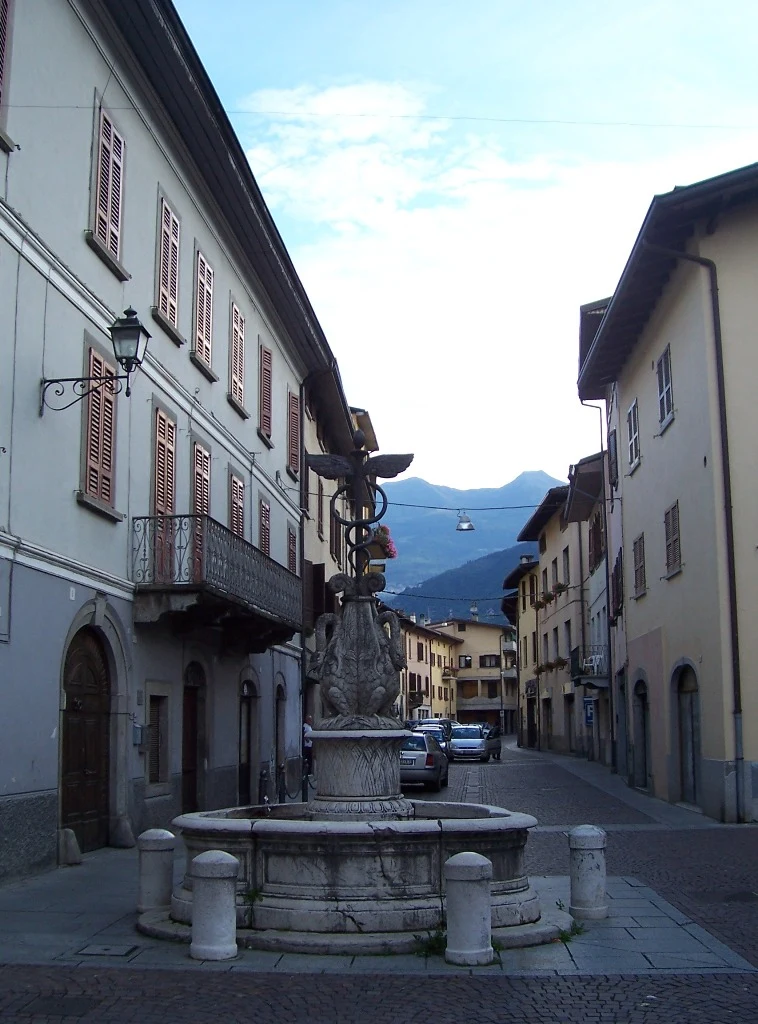
Cemmo and Bedolina: two different ways of viewing the landscape
The Massi di Cemmo offer a different scale. Two enormous blocks detached at the beginning of the Holocene preserve human and animal figures, carts and ploughing scenes; the setting also documents a megalithic sanctuary that developed from the Copper Age onwards. The visit is usually shorter than Naquane and works well for connecting the images with a place of gathering, ritual and movement, rather than with a mere catalogue of motifs.
If you have a second day, add the municipal park of Seradina-Bedolina. Its five routes cross a terrace between roughly 400 and 600 metres in elevation and offer views of warriors, hunters, ploughs, huts and inscriptions in the North Etruscan alphabet. Its best-known feature is the so-called Bedolina Map, a complex surface whose interpretation should not be reduced to the idea of a modern map: observe it as a composition debated by researchers and connected with its landscape.
The practical difference is clear: Naquane rewards a morning or afternoon of walking; Cemmo can be added with less physical demand; Seradina-Bedolina requires another climb and more time. Visitors using public transport should prioritise MUPRE, Naquane and Cemmo, leaving Bedolina for when they genuinely have time to walk.
A one- or two-day itinerary
For a full day, begin at MUPRE and continue to Naquane. You will reach the rocks with a visual and historical foundation, and can adjust the number of trails to your own pace. Allow plenty of time to return to the village and catch your train: the value of the visit lies in pausing in front of the panels, not in completing a list of rocks.
With two days, reserve the second for Cemmo and Seradina-Bedolina. Cemmo complements the museum with its ceremonial landscape; Bedolina broadens the range of figures and the views across the valley. This arrangement also reduces the fatigue of fitting several kilometres of trails into a single day.
There is no single interpretation for every carving. Use the panels, audio guides or a guided tour when one is available on your dates, while maintaining an attentive attitude towards uncertainty: rock art is not a text to be translated literally. Guided programmes, special openings and evening activities are seasonal and should be confirmed before travelling.
What to check before setting out
Check official sources for opening hours, weekly closures, prices, weather conditions, temporary access arrangements and the availability of guided tours. The parks do not necessarily share a calendar or management structure: Naquane and Cemmo depend on state institutions, while Seradina-Bedolina is municipally managed.
If reduced mobility is a priority, contact each site directly before deciding. The existence of marked paths does not mean that the entire route is accessible, and slopes, natural surfaces and changes between parks matter more than the distance shown on a map.
For a responsible visit, do not lean on the rocks for photographs, use liquids or chalk to highlight lines, or leave the designated routes. Seeing fewer panels with enough time is a more respectful—and usually more revealing—choice than trying to cover the entire inscribed site.
References to check before setting out
UNESCO, World Heritage property entry “Rock Drawings in Valcamonica”.
Italy’s Ministry of Culture, Naquane National Park of Rock Engravings.
Regional Directorate of Museums of Lombardy, MUPRE and the National Archaeological Park of the Massi di Cemmo.
Valle Camonica UNESCO, information on Naquane and Seradina-Bedolina.
Trenord, Brescia–Iseo–Edolo line.
References consulted during editorial review. Times, requirements and advisories may change: always confirm with the official source.
- https://whc.unesco.org/en/list/94 whc.unesco.org
- https://whc.unesco.org/en/list/94/gallery/ whc.unesco.org
- https://whc.unesco.org/en/decisions/1376 whc.unesco.org
- https://whc.unesco.org/document/164234 whc.unesco.org
- https://whc.unesco.org/en/decisions/245/ whc.unesco.org
- https://whc.unesco.org/document/216097 whc.unesco.org
- https://whc.unesco.org/en/statesparties/it whc.unesco.org
- https://whc.unesco.org/en/decisions/1900 whc.unesco.org
- Italy World Countries — mledozeODbL 1.0 World countries dataset by mledoze and contributors · ODbL 1.0
- Italy World Bank Open DataCC BY 4.0 World Bank
- Turismo religioso: confronto Italia-Spagna CrossrefMetadatos públicos; derechos específicos por campo cuando correspondan Crossref
- México-Italia entre historia, cultura y catolicismo CrossrefMetadatos públicos; derechos específicos por campo cuando correspondan Crossref
- Gnocco fritto dell'Appennino Reggiano Modenese Open Food FactsODbL 1.0 Open Food Facts
- Galantina di Pollo "RustiKella 100% carni bianche" Open Food FactsODbL 1.0 Open Food Facts
- Farina di mais Open Food FactsODbL 1.0 Open Food Facts
- Val Camonica GeoNamesDatos geográficos bajo CC BY 4.0; requiere atribución a GeoNames. Fuente: GeoNames