Montenegro · former royal capital and national park
Cetinje and Lovćen pair palace museums with a demanding mountain visit
A two-paced visit to understand Cetinje before climbing to the Njegoš Mausoleum in Lovćen, with attention to effort and logistics.
Conditions described in the guide: confirm current requirements and access with the official source before travelling.
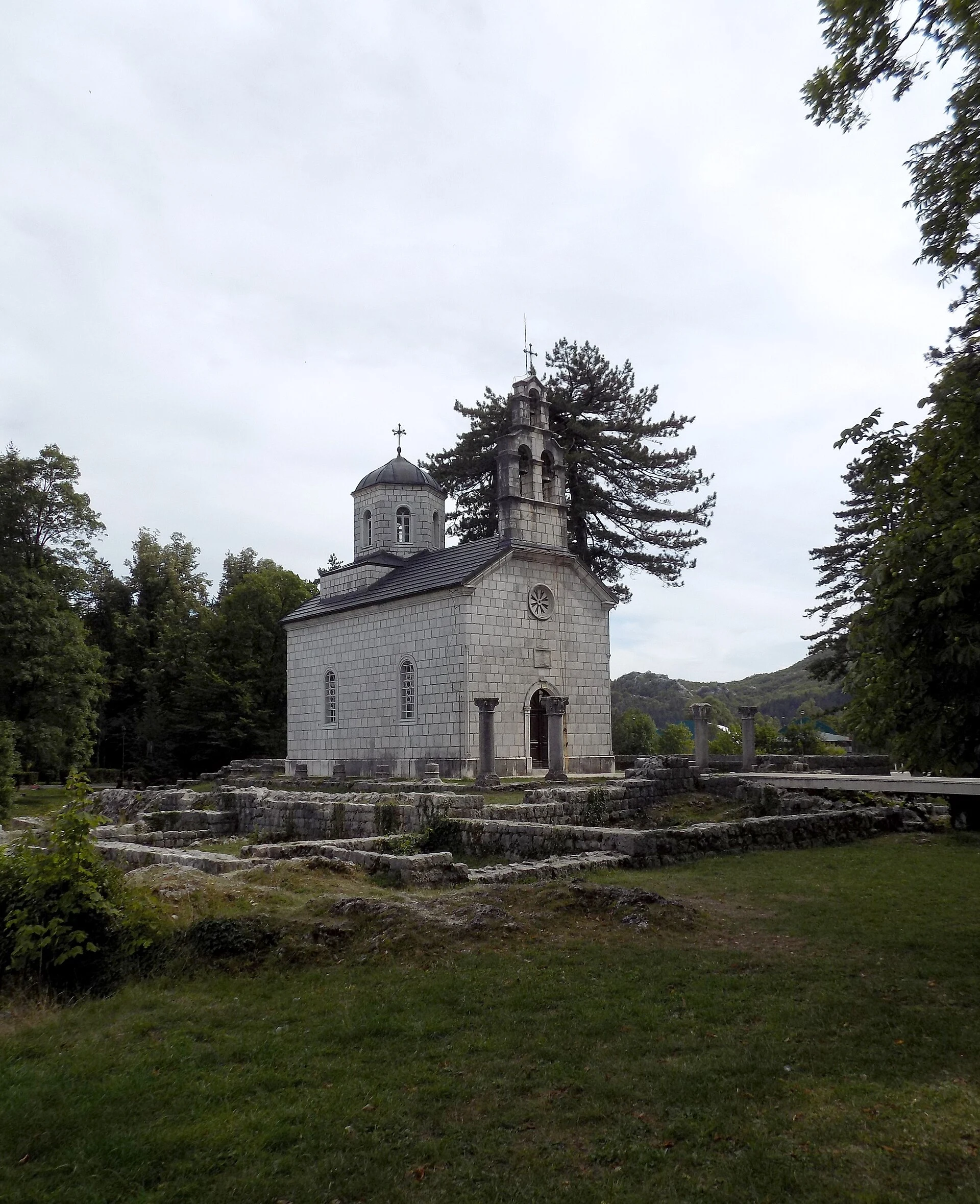
Cetinje is best visited as a former royal capital, not as a quick stop between the coast and the interior. Its palaces, public buildings and museums explain Montenegro’s political and cultural formation; Lovćen adds a landscape and symbolic dimension that requires planning the transfer and the physical effort involved. The combination calls for two distinct rhythms: one urban, concentrated and unhurried; the other mountainous, shaped by access to the park and the final climb to the mausoleum.
Start with Cetinje as an urban ensemble
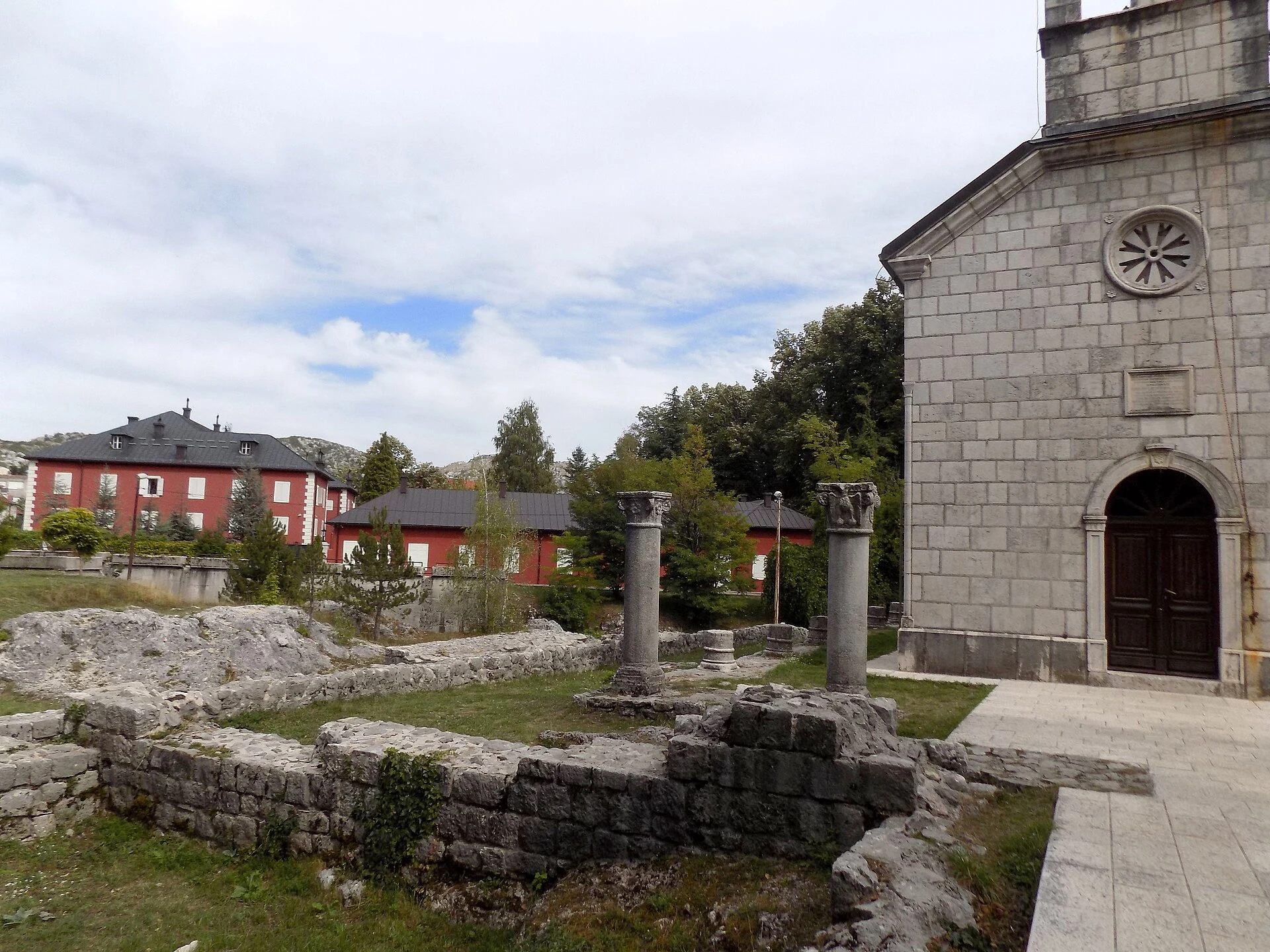
The historic centre brings together former residences of the Petrović-Njegoš dynasty, diplomatic and cultural buildings, the monastery and several branches of the National Museum of Montenegro. Its compact scale makes it possible to walk between King Nikola’s Palace, the Biljarda — associated with Petar II Petrović Njegoš — the Ethnographic Museum and the Art Museum spaces without turning the day into a race.
It is worth choosing two or three interiors according to your own interests rather than trying to cover every collection. King Nikola’s Palace offers a courtly and diplomatic perspective; the Biljarda presents Njegoš as ruler, bishop and writer; the Art Museum shifts the focus to Montenegrin and Yugoslav art collections. This sequence provides more context for the later ascent to Lovćen.
Cetinje appears on Montenegro’s Tentative List, but it should not be presented as a property inscribed on the World Heritage List. This distinction is useful for reading the place accurately and avoiding attribution of a designation it does not have.
A city day that leaves room to look around
Spend the morning in the museums and around the palace square, then keep the afternoon for walking through the historic layout without a rigid objective, pausing at the former legations and approaching the monastery with the respect due to an active religious site. The city is understood in layers, not only through isolated monuments: court, administration, Church, printing and cultural life all appear within a few kilometres.
Do not plan on the Historical Museum as a guaranteed visit without checking first: its official page currently states that it is closed to the public while preparing a new permanent exhibition. The National Museum’s various branches have their own schedules and may change opening hours, holiday closures, routes and admission arrangements.
For a more inclusive visit, check in advance which buildings can accommodate the itinerary you need. The concentration of museums in the historic centre reduces travel between them, but heritage buildings may have uneven stairs, access arrangements and facilities.
Lovćen is a second day, not an automatic add-on
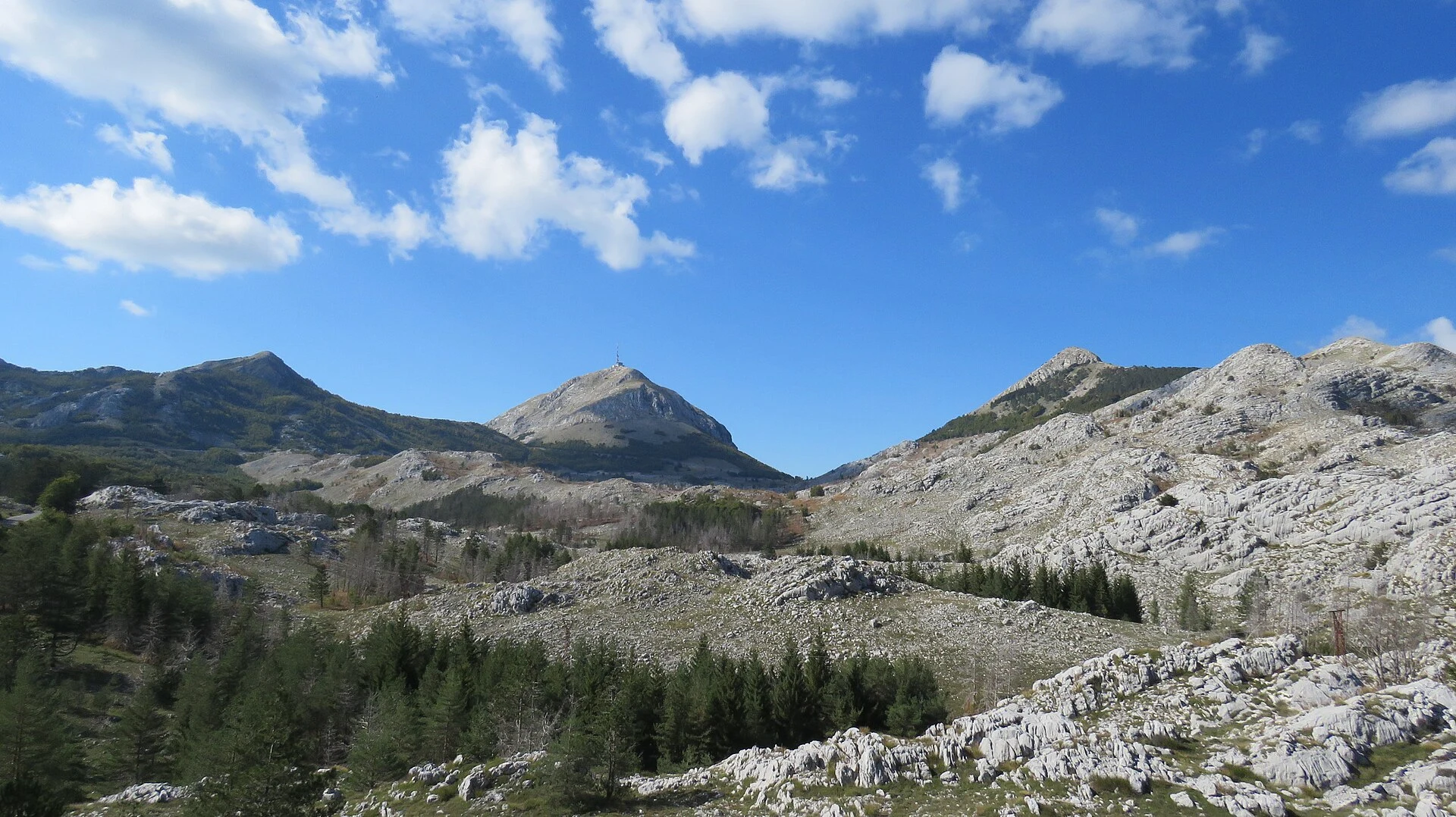
Lovćen National Park begins very close to Cetinje in territorial terms, but visiting the mausoleum is not the same as taking an urban stroll. Ivanova Korita is about ten kilometres from the city and serves as a reference point within the park; the mausoleum stands at Jezerski vrh, at an altitude of 1,657 metres.
The decisive detail is the 461 steps on the approach to the Njegoš Mausoleum. Anyone with reduced mobility, breathing difficulties, vertigo, injuries or little time to spare should consider whether the climb genuinely fits into the day. There is no need to turn it into a test: Cetinje retains enough cultural density to justify a complete stay on its own.
The park can be reached by road from Cetinje or from the Kotor area. If you are not driving, do not assume there is a direct and useful public connection to the mausoleum: check with Cetinje bus station for timetables recorded for the specific date and confirm any private transfer in advance, including the return. In the mountains, arranging the outward journey does not guarantee an easy way back.
Read the mausoleum before seeking the panorama
The tomb-mausoleum of Petar II Petrović Njegoš makes sense as the culmination of a visit that has already passed through Cetinje. Njegoš was a decisive religious, political and literary figure for Montenegro; seeing the Biljarda first helps ensure that Lovćen’s monument is not reduced to a panoramic terrace.
The park protects a rugged karst landscape, with dolines, fissures and cavities, as well as the plateaus of Cetinje and Njeguši. Stay on designated routes, do not collect natural objects and take all your waste back with you. Lovćen’s value lies as much in its landscape as in the national symbolism it concentrates.
The best practical decision is often a simple one: spending a night in Cetinje lets you separate the city from the mountains, adjust the visit to the time available and skip the summit without making the trip feel incomplete. If you have only one day, choose one of the two experiences as your main focus and treat the other as an option, not an obligation.
Official references to check before setting out
• National Museum of Montenegro: the composition of its museums in Cetinje, the location of its branches, the status of the Historical Museum, accessibility, admission and current opening hours.
• National Parks of Montenegro: the mausoleum’s location at Jezerski vrh, its altitude, the characteristics of Lovćen’s terrain and the 461 access steps. Also check the park’s operating conditions on the day of your visit.
• National Tourism Organisation of Montenegro: the relationship between Cetinje, Ivanova Korita and Lovćen National Park; road access routes and the cultural context of the former royal capital.
• Cetinje bus station: recorded timetables, ticket sales and confirmation of connections for the specific date.
• UNESCO: Cetinje’s status on Montenegro’s Tentative List, which does not amount to inscription on the World Heritage List.
References consulted during editorial review. Times, requirements and advisories may change: always confirm with the official source.
- https://whc.unesco.org/en/tentativelists/5561 whc.unesco.org
- https://www.montenegro.travel/en/unique-montenegro/national-parks-of-montenegro/lovcen-national-park www.montenegro.travel
- https://www.montenegro.travel/en/unique-montenegro/cities-of-montenegro/the-old-royal-capital-of-cetinje www.montenegro.travel
- https://www.montenegro.travel/en/explore-montenegro/culture-and-tours/the-most-popular-museums www.montenegro.travel
- https://whc.unesco.org/en/statesparties/me whc.unesco.org
- https://whc.unesco.org/en/documents/141354 whc.unesco.org
- https://www.unesco.org/en/creative-cities/cetinje www.unesco.org
- https://whc.unesco.org/en/tentativelists/5730 whc.unesco.org
- Montenegro WikidataCC0 1.0 Wikidata · Q236
- Montenegro WikidataCC0 1.0 Wikidata · Q9034815
- Montenegro WikidataCC0 1.0 Wikidata · Q1256403
- Montenegro WikidataCC0 1.0 Wikidata · Q1808078
- Montenegro WikidataCC0 1.0 Wikidata · Q1001470
- Montenegro WikidataCC0 1.0 Wikidata · Q20287766
- Montenegro World Countries — mledozeODbL 1.0 World countries dataset by mledoze and contributors · ODbL 1.0
- Montenegro World Bank Open DataCC BY 4.0 World Bank
- Montenegro DBpediaCC BY-SA 3.0 DBpedia
- Innovación y Sostenibilidad en las Cooperativas de Turismo de Chile CrossrefMetadatos públicos; derechos específicos por campo cuando correspondan Crossref