Practical orientation to the Horn of Africa
Djibouti: Geography, Languages and Travel Planning Essentials
Djibouti combines a coastal capital, an arid landscape and a shared linguistic identity shaped by French and Arabic. This guide brings together geographic, cultural and transport information to help you understand the destination before planning your visit.
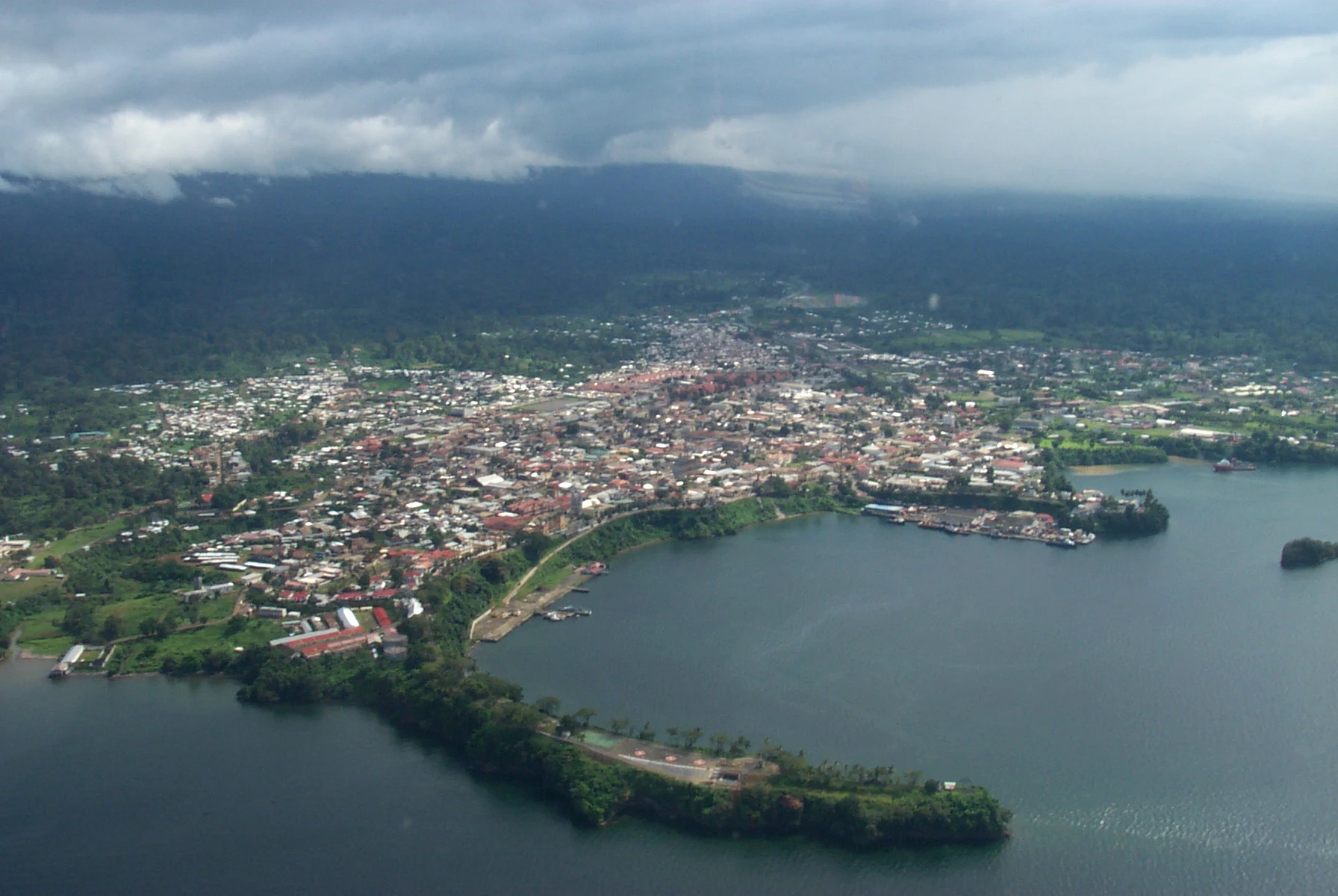
Djibouti is a small but strategically located country in the Horn of Africa, on the Gulf of Aden. Its capital, which shares the country’s name, is home to most of the population and serves as the main gateway for travellers. Unlike some other destinations in the region, Djibouti is not landlocked: its coastline and position near the Bab el-Mandeb Strait shape its economic and logistical profile. A trip here calls for careful preparation, particularly regarding the local currency, the Djiboutian franc, and the cultural context, where French and Arabic are official languages. This guide provides a starting point for making informed decisions about logistics, climate and cultural expectations before setting out.
Location and geographic context
Djibouti is in East Africa, at approximately 11.5° north latitude and 43° east longitude. Available geographic data indicate that the country has a small land area and a population of close to one million. The capital, Djibouti City, has more than 600,000 residents, pointing to a high concentration of people in urban areas. The country’s terrain includes coastal zones and inland mountain areas, although the information available here focuses on its broad geographic identity and administrative boundaries. Bear in mind that details of the physical geography, such as elevation and specific terrain types, should be checked against up-to-date topographic sources before planning trekking routes or travel within the country.
Languages and communication
Djibouti’s official linguistic framework is bilingual, with French and Arabic as its principal official languages. This reflects the country’s colonial history as well as its membership in the Arab League and the International Organisation of La Francophonie. For travellers, this means that tourism services, signage and official documents are often available in both languages. In everyday interactions, however, particularly in rural areas and local markets, Somali or Afar may be more widely spoken; the information available here does not specify how commonly these languages are used in tourism. Learning a few basic phrases in French or Arabic is recommended to make communication easier and show respect for local culture.
Currency and financial considerations
Djibouti’s official currency is the Djiboutian franc (DJF). When planning a trip, consider how readily this currency can be obtained abroad and what exchange options are available at your destination. The World Bank classifies Djibouti as a lower-middle-income country, so the cost of basic services may differ substantially from European or North American expectations. Do not assume fixed prices for accommodation or transport, as no such figures are included in the information available here. Before arrival, travellers should check current exchange rates and whether credit cards are accepted in the capital, since cash remains the predominant way to pay for many local transactions.
Getting there by air
The main air gateway is Djibouti–Ambouli International Airport (IATA code: JIB). It is a short distance from the capital and serves as a regional hub. The information available confirms the airport and its code, but does not specify current routes, operating airlines or flight frequencies. Travellers should therefore contact airlines or travel agencies directly to check whether connections are available from their city of departure. Airport operations can change, so confirming arrangements in advance is essential when planning an itinerary.
Cultural and political context
Djibouti is a republic and a member of the African Union, the Arab League and the United Nations. It became an independent state in 1977, making it one of the region’s youngest countries. Local culture is influenced by Somali and Afar traditions, as well as the French legacy. Understanding this cultural mosaic is key to having a respectful and enriching experience. Avoid generalising about local life based only on regional stereotypes; instead, research Djibouti’s specific customs, dress norms and social practices before your visit.
Preparation and fact-checking
Before travelling to Djibouti, make sure to verify practical details that are not covered by the static information presented here. These include visa requirements, recommended vaccinations and current safety conditions. Health and security information can change quickly, so consult your embassy and your home country’s foreign ministry. Opening hours for attractions, tour prices and guide availability should also be confirmed with local operators. This guide is a geographic and cultural starting point, not a substitute for the up-to-date research needed to plan a safe, well-organised trip.
References consulted during editorial review. Times, requirements and advisories may change: always confirm with the official source.
- Djibouti WikidataCC0 1.0 Wikidata · Q8273241
- Djibouti WikidataCC0 1.0 Wikidata · Q18206510
- Djibouti World Countries — mledozeODbL 1.0 World countries dataset by mledoze and contributors · ODbL 1.0
- Djibouti GeoNamesDatos geográficos bajo CC BY 4.0; requiere atribución a GeoNames. Fuente: GeoNames
- Djibouti GeoNamesDatos geográficos bajo CC BY 4.0; requiere atribución a GeoNames. Fuente: GeoNames
- Djibouti OpenStreetMapODbL 1.0; atribución y obligación de compartir bases derivadas. Fuente: OpenStreetMap
- Djibouti OpenStreetMapODbL 1.0; atribución y obligación de compartir bases derivadas. Fuente: OpenStreetMap
- Djibouti World Bank Open DataCC BY 4.0 World Bank
- Djibouti DBpediaCC BY-SA 3.0 DBpedia
- Djibouti-Ambouli Airport OpenFlightsODbL 1.0 (base de datos) / DbCL 1.0 (contenidos) Djibouti-Ambouli Airport · OpenFlights · ODbL 1.0