Travel decision
Guinea-Bissau travel plans should wait while risks remain
The Bijagós Archipelago brings together exceptional natural and cultural assets, but the security, health and emergency-response context advises against planning an independent tourist trip to Guinea-Bissau for now.
journal.travel Atlas
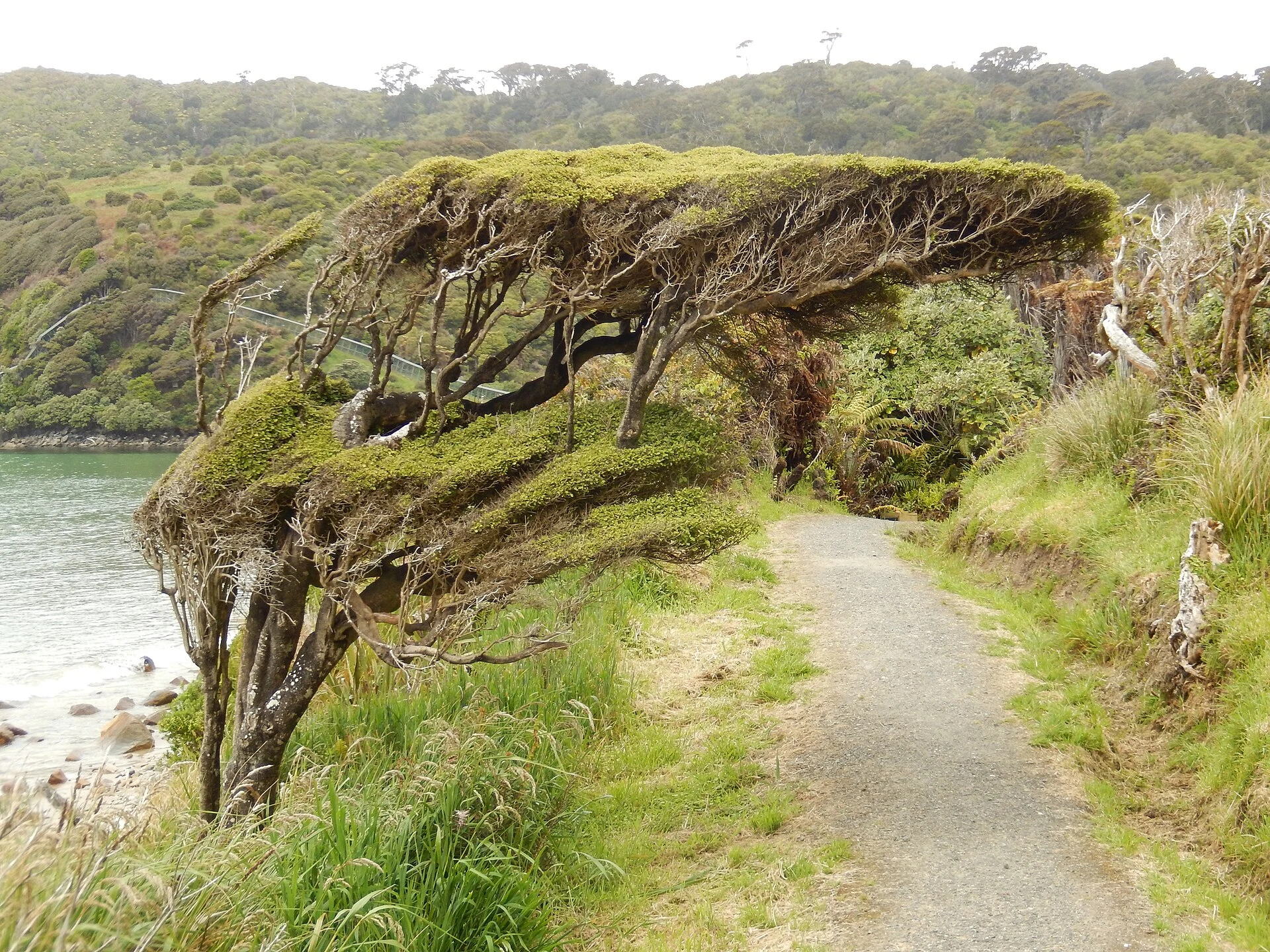
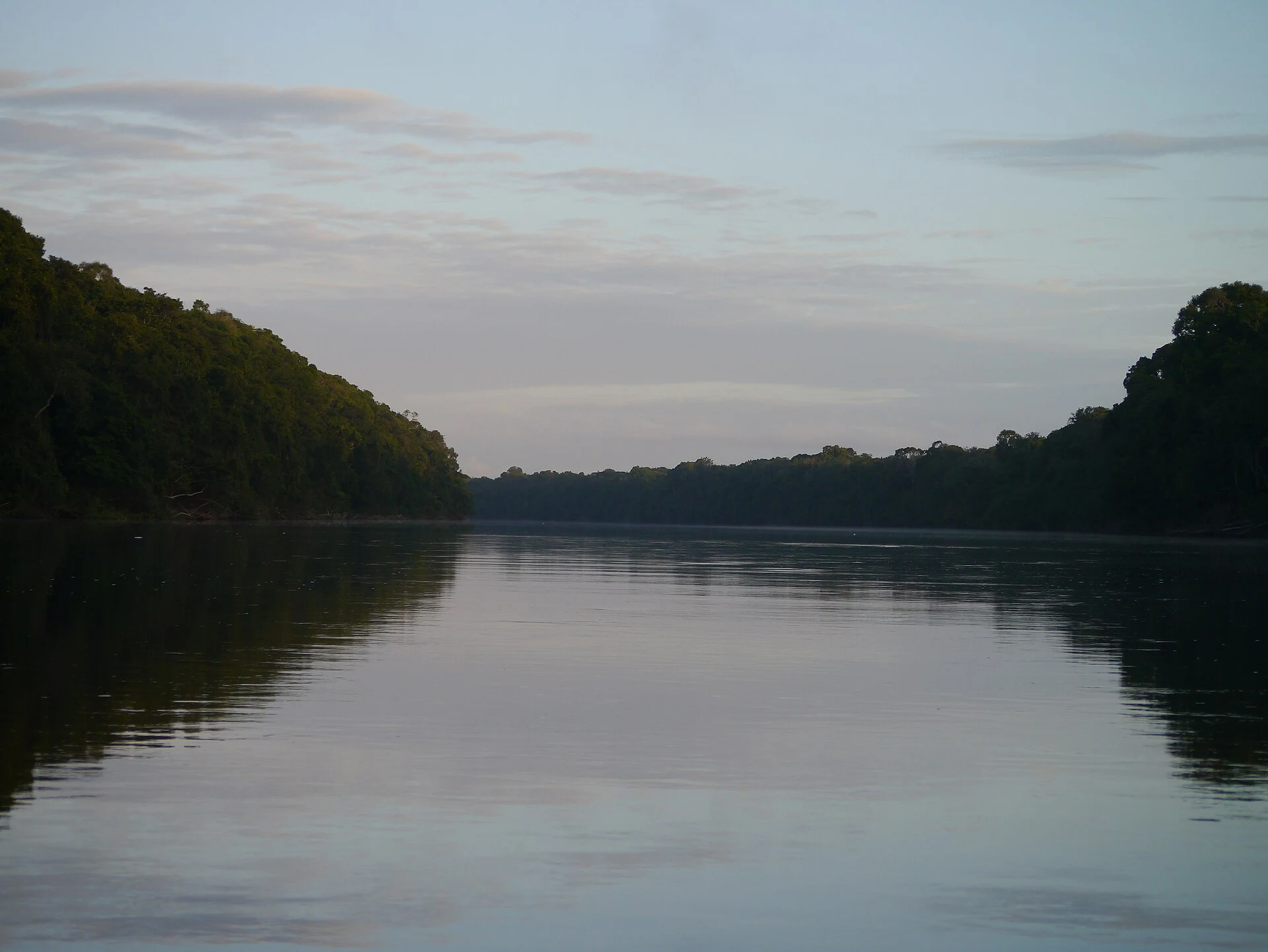
Photography pending verification
The Bijagós Islands are home to mangroves, intertidal flats and communities that maintain their own land-management practices. It is a destination of immense interest, but its ecological value does not lessen the country’s practical risks. As of 23 September 2026, the most responsible decision for a tourist trip is to postpone it and monitor official advice before considering it again.
Bijagós deserves careful attention, not a rushed visit
The archipelago is a unique insular delta system on Africa’s Atlantic coast. Its mangroves, sandbanks and tidal areas support migratory bird routes and threatened marine species; several areas, including Orango and João Vieira–Poilão, are part of its conservation network. In 2025, the Coastal and Marine Ecosystems of the Bijagós–Omatí Minhô Archipelago were inscribed on the World Heritage List.
That recognition does not turn the area into a tourism product available without complications. Conservation also depends on resident communities, local rules and culturally significant places. Treating the archipelago as a string of remote beaches or as a wildlife destination to consume quickly would overlook precisely what makes it important.
The country’s risks outweigh the appeal of the itinerary
The current US recommendation advises reconsidering travel because of instability, inadequate healthcare infrastructure and the risk of landmines. Canada advises exercising a high degree of caution because of crime and weak state infrastructure; the UK advisory also points to political instability and recommends extreme caution outside the capital.
This does not mean that every island has the same level of risk, nor that local people pose a threat. The problem for travellers is the combination of political changes, limited assistance capacity and difficult communications. Travel to an archipelago also depends on maritime transport and local contacts whose operations can change without giving visitors enough notice.
Healthcare and emergency capacity require a higher planning threshold
Medical services are very limited and the availability of medicines may be irregular. There is also a high risk of malaria, along with other mosquito- and water-borne diseases. In an emergency, medical evacuation may be the only realistic option—an especially serious consideration when the itinerary includes islands, boat travel or nights away from Bissau.
A travel insurance policy should therefore not be viewed as an automatic solution: its evacuation conditions, exclusions and prior-approval requirements deserve direct review before any departure. People with ongoing medical needs, reduced mobility, pregnancy or treatments requiring a stable supply chain have additional reasons to postpone the trip until verifiable operational information is available.
What to do while the trip is on hold
Postponing the trip does not mean ruling out Bijagós. It can be a good time to study the archipelago through its conservation institutions, learn why mangroves and intertidal areas matter so much, and avoid turning ceremonies or sacred places into expectations of spectacle.
When conditions change, it will be best to rebuild the trip from scratch: check official advisories, confirm entry requirements for your nationality, consult up-to-date health guidance and choose providers operating with local authorisation and agreements. Do not book non-refundable travel or build tight connections on the basis of old timetables, third-party accounts or promotional posts.
References and checks before deciding
The time-sensitive elements of this article—political risk, alert level, entry requirements, health and assistance capacity—must be checked again before booking.
- US Department of State: Guinea-Bissau travel advisory issued on 11 December 2025; confirm the alert level and consular-assistance limitations.
- Government of Canada: Guinea-Bissau travel advice, updated on 9 September 2026; review the general risk and areas subject to heightened warnings.
- UK Foreign, Commonwealth & Development Office: information on security, landmines, healthcare and entry requirements; check the current version on the day of the decision.
- UNESCO: listing for the Coastal and Marine Ecosystems of the Bijagós–Omatí Minhô Archipelago, inscribed in 2025.
- Guinea-Bissau Institute for Biodiversity and Protected Areas: institutional information on Orango and João Vieira–Poilão parks.
References consulted during editorial review. Times, requirements and advisories may change: always confirm with the official source.
- https://www.unesco.org/en/mab/bolama-bijagos www.unesco.org
- https://whc.unesco.org/en/list/1431 whc.unesco.org
- https://whc.unesco.org/document/222005 whc.unesco.org
- https://www.unesco.org/en/articles/unesco-strengthens-its-support-guinea-bissau-protection-bijagos-islands www.unesco.org
- https://travel.state.gov/content/travel/en/traveladvisories/traveladvisories/guinea-bissau-travel-advisory.html?os=app travel.state.gov
- https://whc.unesco.org/document/122864 whc.unesco.org
- https://www.unesco.org/en/world-heritage/list www.unesco.org
- https://travel.state.gov/content/travel/en/News/visas-news/countries-subject-to-visa-bonds.html travel.state.gov