Travel advisory
Lebanon Requires Postponing Any Tourist Travel
The security situation remains too volatile for planning a holiday: postpone your trip and keep only a list of official sources to check again later.
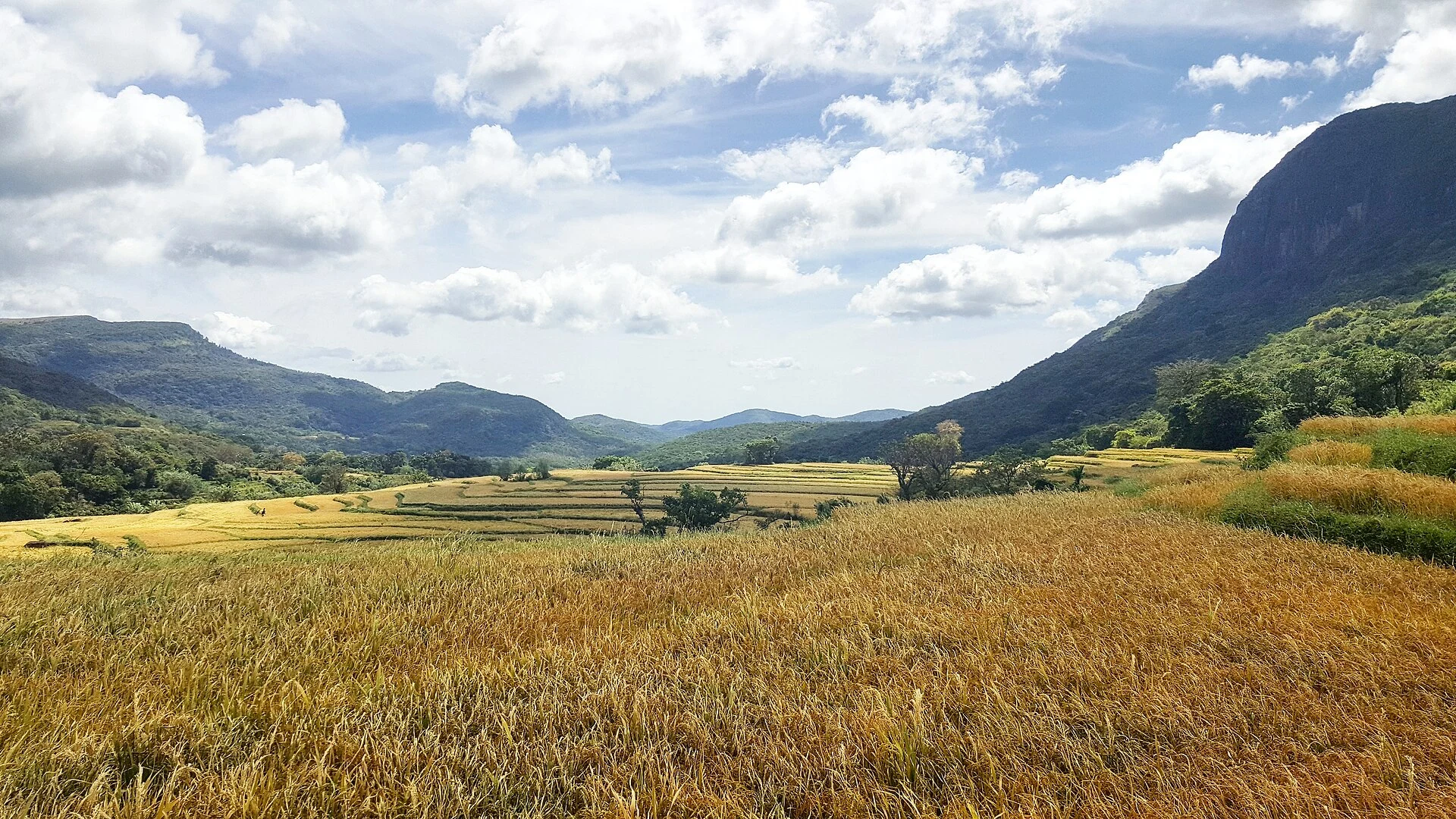
Lebanon brings together a Mediterranean coastline, mountains and extraordinary cultural richness, but that potential does not make the country a suitable holiday destination right now. As of 18 September 2026, several consular authorities continue to advise against all travel or recommend avoiding travel altogether because of a changing security situation, military activity, the risk of escalation and possible transport disruptions. The responsible decision is to postpone your itinerary, not to look for an apparently isolated area beyond the reach of these risks.
The practical decision: do not book a leisure trip
The useful criterion is not whether Beirut, a particular route or an accommodation still appears to be available online. Commercial availability does not mean that travel conditions are safe and predictable. Current official advisories describe risks that may affect different parts of the country, including attacks, political violence, terrorism, kidnapping, crime and unexploded ordnance in certain areas.
Postponing means avoiding flights, tours, excursions and non-refundable bookings in the hope that the situation will stabilise before departure. Nor is it advisable to plan a tourist trip with an evacuation plan as a normal part of the experience: the possibility of having to take shelter or leave quickly is precisely a reason not to set out.
An open airport does not solve the travel problem
Commercial flights to or from Beirut may operate at certain times, but air services, access to the airport and overland routes can change at short notice. For that reason, an airline timetable, a booking confirmation or the temporary reopening of a route must not be interpreted as a travel recommendation.
If you are already in Lebanon for family, work or other reasons that cannot be postponed, check the status of your journey that same day, keep your documents valid, follow local instructions and maintain realistic alternatives. For leisure visitors, the proportionate alternative is much simpler: do not begin the journey. Entry conditions, insurance, flights and consular assistance are variable details that must be checked directly before making any decision.
Do not turn affected areas into an alternative tourist map
Official recommendations identify areas with different levels of risk, but these maps are intended to protect people already in the country; they are not a guide to finding a corner suitable for tourism. The south, the border with Syria, parts of the Bekaa Valley, southern Beirut neighbourhoods, refugee camps and other areas are subject to specific warnings, while the conflict’s evolution may have repercussions beyond them.
Also avoid treating displaced communities, war damage or sensitive infrastructure as stops on an itinerary. Photographing military installations, security activity or damage can have serious consequences, as well as intruding on a reality that is not a spectacle. The most respectful way to travel at this time is to give the population and the humanitarian response space.
What to keep so you can revisit the idea later
There is no need to remove Lebanon from a cultural wish list; the important thing is to separate that interest from an immediate timetable. Keep notes on the heritage, cuisine, cities and landscapes that interested you, but do not set dates or make financial commitments until the situation has changed on a sustained basis.
When you reconsider the trip, compare several independent official advisories on the date of the decision, rather than relying only on old news or comments on social media. Also check the airline and airport’s confirmed operational status, entry requirements for your nationality, your insurance’s actual coverage and the capacity of your consular representation. If any source continues to advise against travel, postpone the plan again.
Sources to check before reconsidering the trip
Consult these official sources on the day you make a decision, because the situation and recommendations can change quickly:
- United States Department of State, Lebanon travel advisory: Level 4, “Do not travel”; update dated 21 August 2026.
- Government of Canada, travel advice and advisories for Lebanon: “Avoid all travel”; update dated 9 September 2026.
- Australian Government’s Smartraveller, Lebanon advice: “Do not travel”; current on 16 September 2026.
- United Kingdom Foreign, Commonwealth & Development Office, Lebanon travel advice: territorial restrictions and security warnings in force on 17 September 2026.
- United Nations, update on military activity and the humanitarian situation in southern Lebanon, 14 September 2026.
References consulted during editorial review. Times, requirements and advisories may change: always confirm with the official source.
- https://www.gov.uk/foreign-travel-advice/lebanon www.gov.uk
- https://travel.state.gov/en/international-travel/travel-advisories/lebanon.html travel.state.gov
- https://travel.state.gov/content/travel/en/traveladvisories/traveladvisories/lebanon-travel-advisory.html?os=http travel.state.gov
- https://lp.gov.lb/ContentRecordDetails?Id=13685 lp.gov.lb
- https://www.gov.uk/foreign-travel-advice/lebanon/safety-and-security www.gov.uk
- https://travel.state.gov/en/international-travel/travel-advisories.html/%3C/ travel.state.gov
- https://travel.state.gov/content/travel/en/traveladvisories/traveladvisories..html travel.state.gov
- https://www.gov.uk/world/travelling-to-lebanon www.gov.uk
- Líbano WikidataCC0 1.0 Wikidata · Q822
- Líbano WikidataCC0 1.0 Wikidata · Q1256428
- Libano WikidataCC0 1.0 Wikidata · Q19968146
- Líbano WikidataCC0 1.0 Wikidata · Q3841108
- Líbano WikidataCC0 1.0 Wikidata · Q23687760
- Libano WikidataCC0 1.0 Wikidata · Q25182475
- Lebanon World Countries — mledozeODbL 1.0 World countries dataset by mledoze and contributors · ODbL 1.0
- Lebanon World Bank Open DataCC BY 4.0 World Bank