Forest Guinea
Mount Nimba and the limits of responsible visiting
Mount Nimba is not an open-access summit: its value lies in a strictly protected transboundary reserve. Here is how to plan a visit that puts permits, local mediation and a realistic safety plan first.
journal.travel Atlas
Photography pending verification
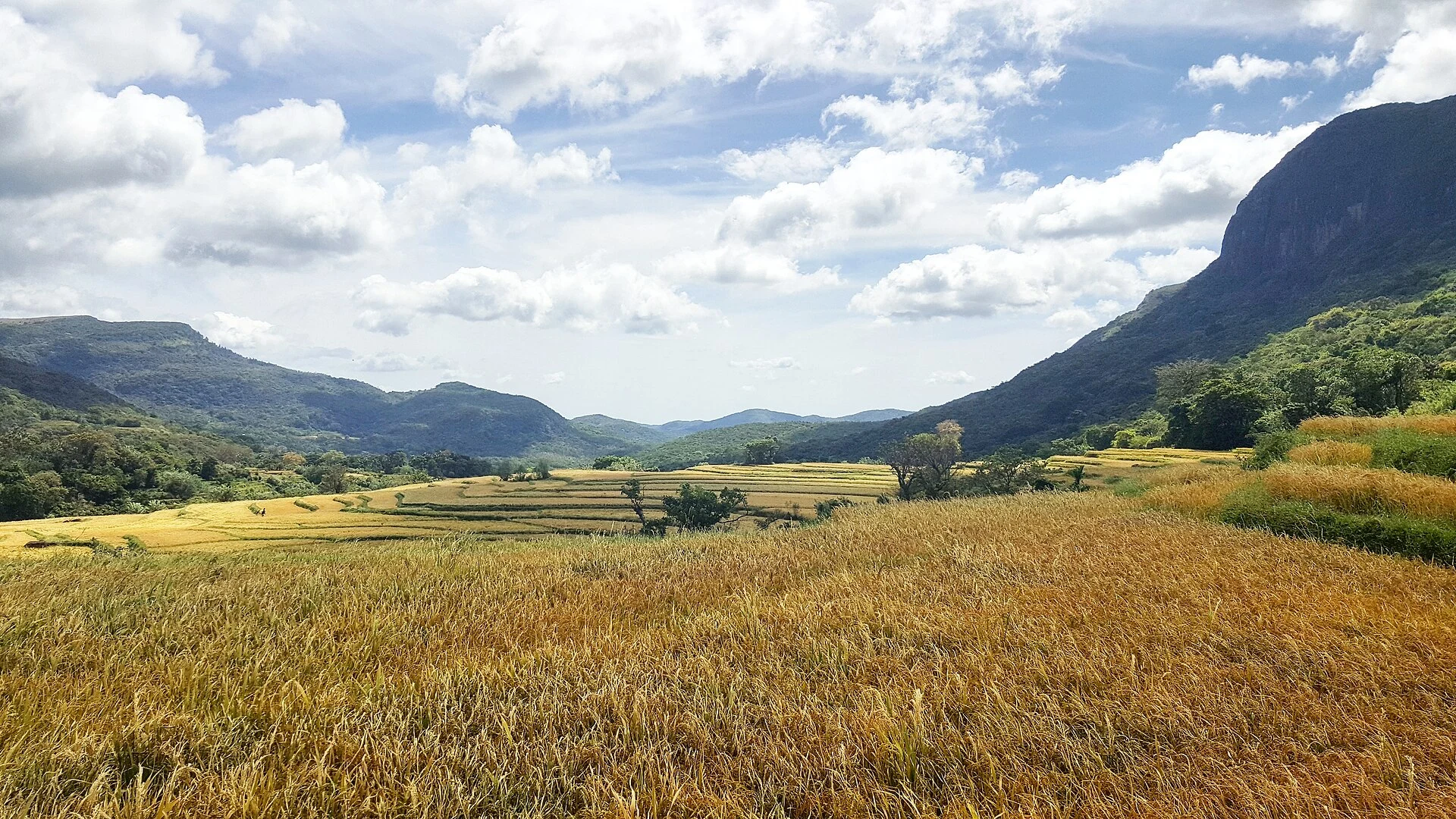
Mount Nimba, in southeastern Guinea, calls for different expectations from those of a conventional mountain route. It is a strict nature reserve and a border landscape of extraordinary biological diversity, not a destination for improvising an independent ascent. A sound plan involves separating three decisions: confirming whether an authorised visit is possible, organising a viable arrival in the Lola region and accepting that the conservation of the site sets the pace of the experience.
A shared massif, not an isolated summit
Nimba rises where Guinea, Côte d’Ivoire and Liberia meet. The World Heritage inscription covers the Guinean and Ivorian sectors; the massif itself, however, continues into Liberia. This distinction matters: a view of the range does not authorise travel from one country to another or crossing a border.
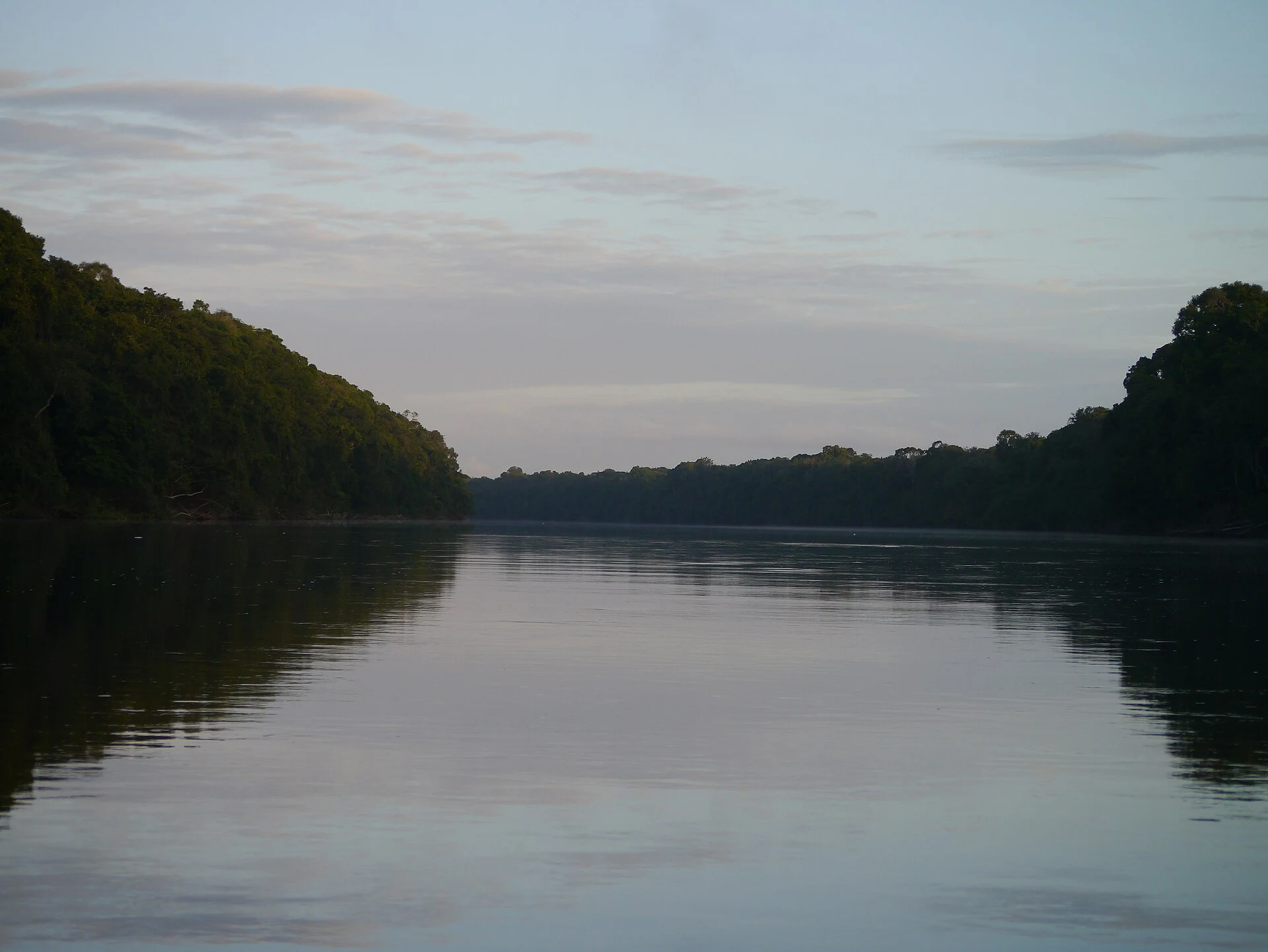
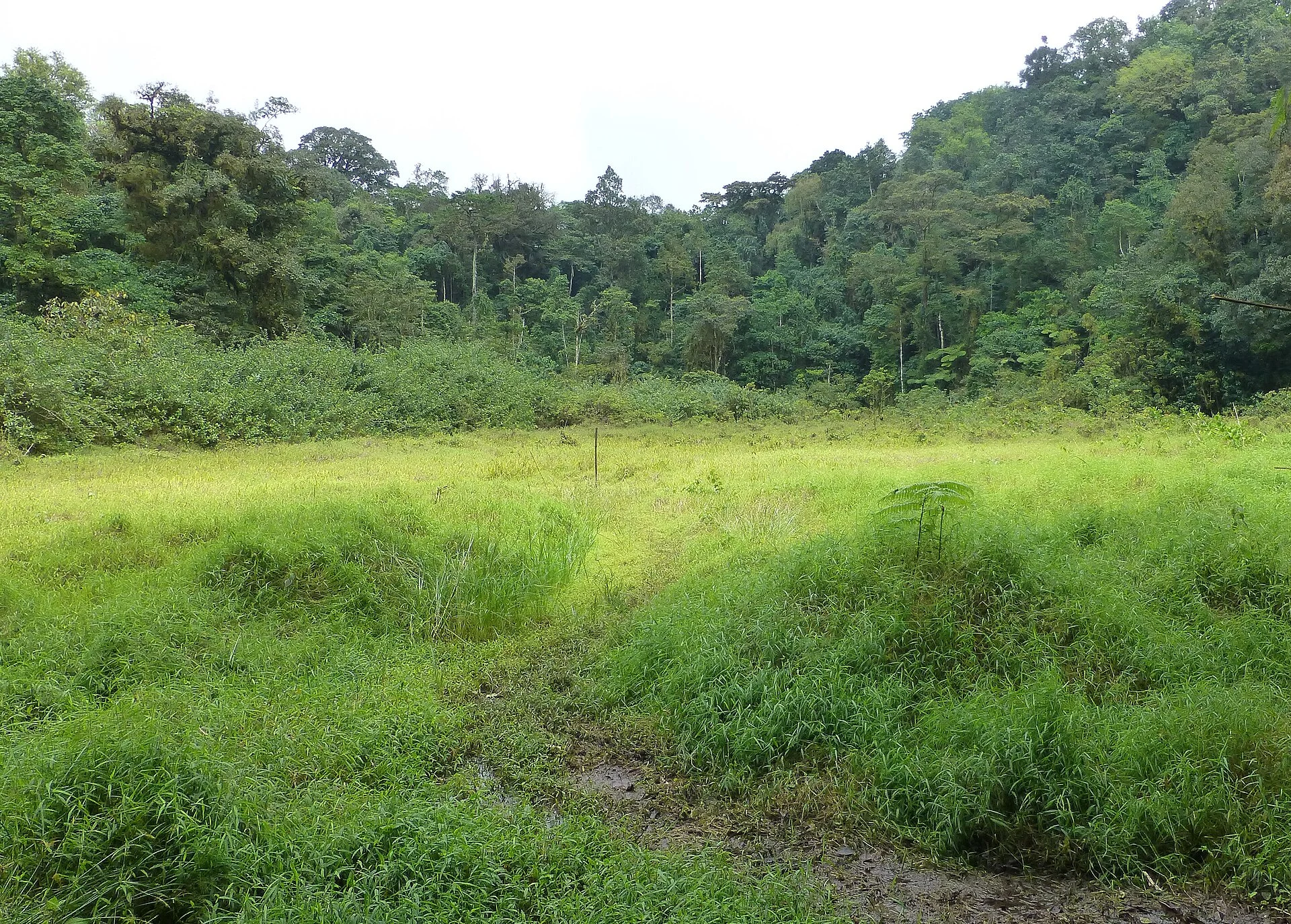
The reserve protects a mosaic of hillside forests, montane grasslands and water sources. Its documented values include endemic species and chimpanzees that use tools. It is best to view the landscape as a complete ecological system, rather than as a list of animals to “tick off”.
Before setting dates, ask in writing which specific area can be visited, which route is permitted and what accompaniment is required. Access rules, operational limits and any border requirements are variable details that must be confirmed with the managing authority and the relevant administrations.
Lola and N’Zérékoré are logistical decisions, not shortcuts
National tourism information identifies Lola as the main locality for the mountain’s surroundings; N’Zérékoré can serve as a regional hub from which to arrange services and communications. However, reaching either town does not mean that entry to the reserve has been confirmed.
Plan the journey in two layers. First, arrange travel to Forest Guinea with room for changes. Then leave the final leg subject to confirmation from whoever manages the visit. This sequence prevents you from booking accommodation, vehicles or connections based solely on a map.
Do not schedule intercity travel at night. This is a practical precaution that is especially relevant on a long, remote itinerary, where a breakdown or route change may have greater consequences than on an urban circuit. Carry communication equipment, water, identification and a clear plan to return to your overnight base before nightfall.
Strict protection must change the way you visit
Nimba’s protected status dates back to 1944, and management of the Guinean component falls to CEGENS, a specialised public body. The site remains on the World Heritage List in Danger: surveillance, fires, poaching, pressure on its edges and the cumulative impacts of extractive projects are all part of its conservation situation.
For this reason, it is reasonable to understand a visit as a conditional activity, not as guaranteed access to a public trail. If there is no clear authorisation, available guide or suitable logistical conditions, postponing entry is the decision most consistent with the site.
Do not leave agreed routes, chase wildlife or play sounds to attract it. Primate watching requires a prudent distance and quiet behaviour; any additional guidance from the guide or local management must take precedence over the desire to obtain photographs.
Prioritise local mediation and low-pressure alternatives
A local research institute presents interpretation and landscape sites such as Colline d’Accueil, the Natural Bridge and Blinda Cave. These may be options for building a day focused on landscape, geology and interpretation, rather than placing all expectations on reaching a particular elevation.
Ask who leads the visit, how local benefits are distributed and which part of the itinerary takes place outside the most sensitive areas. Hiring confirmed local mediation can provide context and reduce improvised decisions, but it does not replace authorisation from the reserve management.
Keep the group and impact small: leave no waste, do not collect plants, stones or natural souvenirs, and do not publish precise locations of vulnerable wildlife. In an environment facing conservation pressures, discretion is also a concrete way to travel responsibly.
Health and safety: a decision to make before buying a ticket
As of 16 September 2026, the United States’ advice for Guinea is to exercise increased caution because of crime, civil unrest and inadequate health infrastructure. It does not describe an automatic obstacle to every tourist visit, but it does require an honest assessment of your ability to deal with an incident far from Conakry.
Before travelling, check the current official advice, entry requirements, the actual scope of your insurance—including any assistance or evacuation you may need—and whether an authorised visit to Nimba is available. Do not base any of these decisions on old articles, social-media posts or verbal promises.
Mount Nimba is best suited to a slow and flexible journey: one in which the traveller accepts changing plans if permits, safety conditions, reliable transport or clear management guidance are lacking. The alternative is not to “do it independently”, but to reorganise the regional itinerary.
References and checks before departure
These sources support the contextual information and should be reviewed again before booking, because operational and safety conditions may change.
- UNESCO World Heritage Centre: boundaries, ecological values, management and the status of the transboundary property on the List in Danger.
- Guinea National Tourism Office: national tourism guide listing Lola and the Nimba Mountains among the destinations of Forest Guinea.
- Guinea Ministry of Environment and Sustainable Development: integrated management agreement for the Nimba–Diécké transboundary landscape announced on 15 April 2026.
- United States Department of State: Guinea advisory issued on 25 February 2026 and updated in its guidance on 30 April 2026; always check its latest version.
- Research Institute on the Biodiversity of the Nimba Mountains: visitor and interpretation sites whose availability and conditions require direct confirmation.
References consulted during editorial review. Times, requirements and advisories may change: always confirm with the official source.
- https://www.gov.uk/foreign-travel-advice/guinea www.gov.uk
- https://whc.unesco.org/en/list/155 whc.unesco.org
- https://travel.state.gov/en/international-travel/travel-advisories/guinea.html travel.state.gov
- https://whc.unesco.org/en/statesparties/gn whc.unesco.org
- https://www.gov.uk/foreign-travel-advice/guinea/getting-help www.gov.uk
- https://whc.unesco.org/en/decisions/5342/ whc.unesco.org
- https://whc.unesco.org/en/decisions/8086/ whc.unesco.org
- https://whc.unesco.org/en/tentativelists/6246/ whc.unesco.org
- Guinea WikidataCC0 1.0 Wikidata · Q1006
- Guinea WikidataCC0 1.0 Wikidata · Q14630117
- Guinea WikidataCC0 1.0 Wikidata · Q37563479
- Guinea WikidataCC0 1.0 Wikidata · Q207887
- guinea WikidataCC0 1.0 Wikidata · Q918094
- Guinea World Countries — mledozeODbL 1.0 World countries dataset by mledoze and contributors · ODbL 1.0
- Guinea World Bank Open DataCC BY 4.0 World Bank
- Guinea DBpediaCC BY-SA 3.0 DBpedia