Southern Serbia · heritage and living city
Novi Pazar and Stari Ras for monasteries, ruins and city walks
A short route from Novi Pazar linking mosques, medieval frescoes, an early church and the ruins of Ras—without trying to fold them into a single visit.
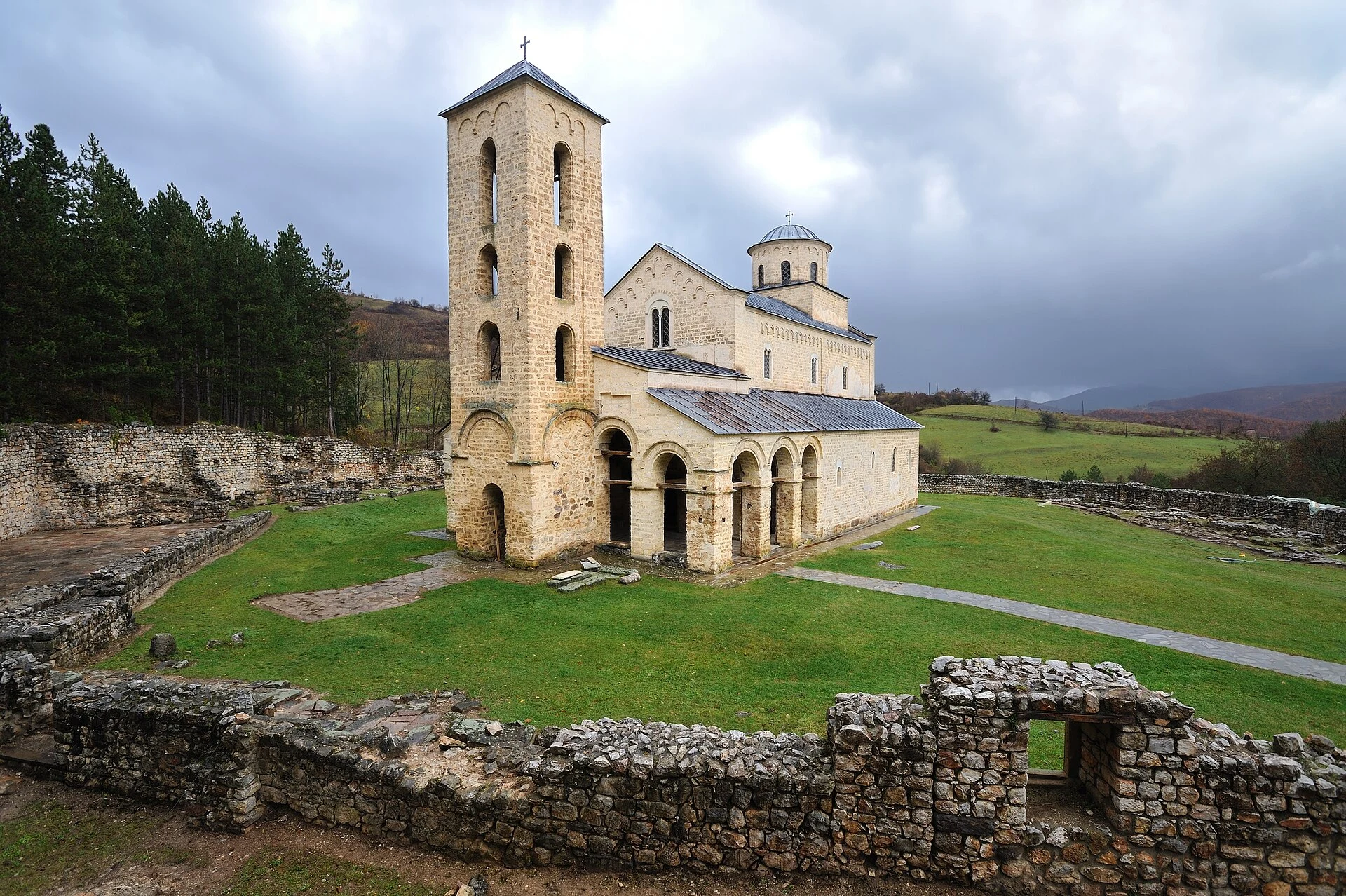
Novi Pazar offers a way to approach distinct historical layers without reducing them to a medieval backdrop. The present-day city, with its strong trading tradition and Muslim majority, is a sensible base for visiting the Stari Ras and Sopoćani ensemble, inscribed as a serial property: it is not one monument, but four separate components that require careful planning of time and transport.
The practical choice is simple: set aside the city for unhurried walks and meals, and plan the outlying monuments as separate trips by car, pre-arranged taxi or local excursion. Anyone trying to cover everything too quickly will see important buildings; anyone who understands what each one tells will be able to read a region where religious architecture, archaeology and urban life belong neither to the same chapter nor to the same century.
First, distinguish the heritage ensemble from the city
The Stari Ras and Sopoćani property comprises four components: Sopoćani Monastery, Đurđevi Stupovi Monastery, the Church of the Holy Apostles Peter and Paul—known as St Peter’s Church—and the archaeological site of the medieval city of Ras. Its value lies precisely in the relationship between them: mural painting, ecclesiastical architecture and a medieval capital located at a crossroads of eastern and western influences.
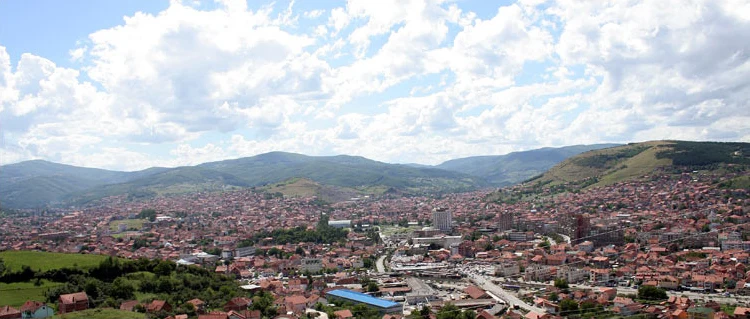
Novi Pazar should not be treated as a mere gateway. Its historic čaršija, Altun-Alem Mosque, former hammam, Amir-aga’s han and urban fortress belong to another framework: the city was an administrative and commercial centre in the Ottoman period and remains a lived-in, university and trading city. Devote at least an afternoon to this context; avoid presenting today’s religious traditions as an immobile survival from the past.
The Ras Museum helps connect the pieces before heading into the countryside. It is a useful first stop for anyone who needs archaeological and historical context, especially with only one full day available.
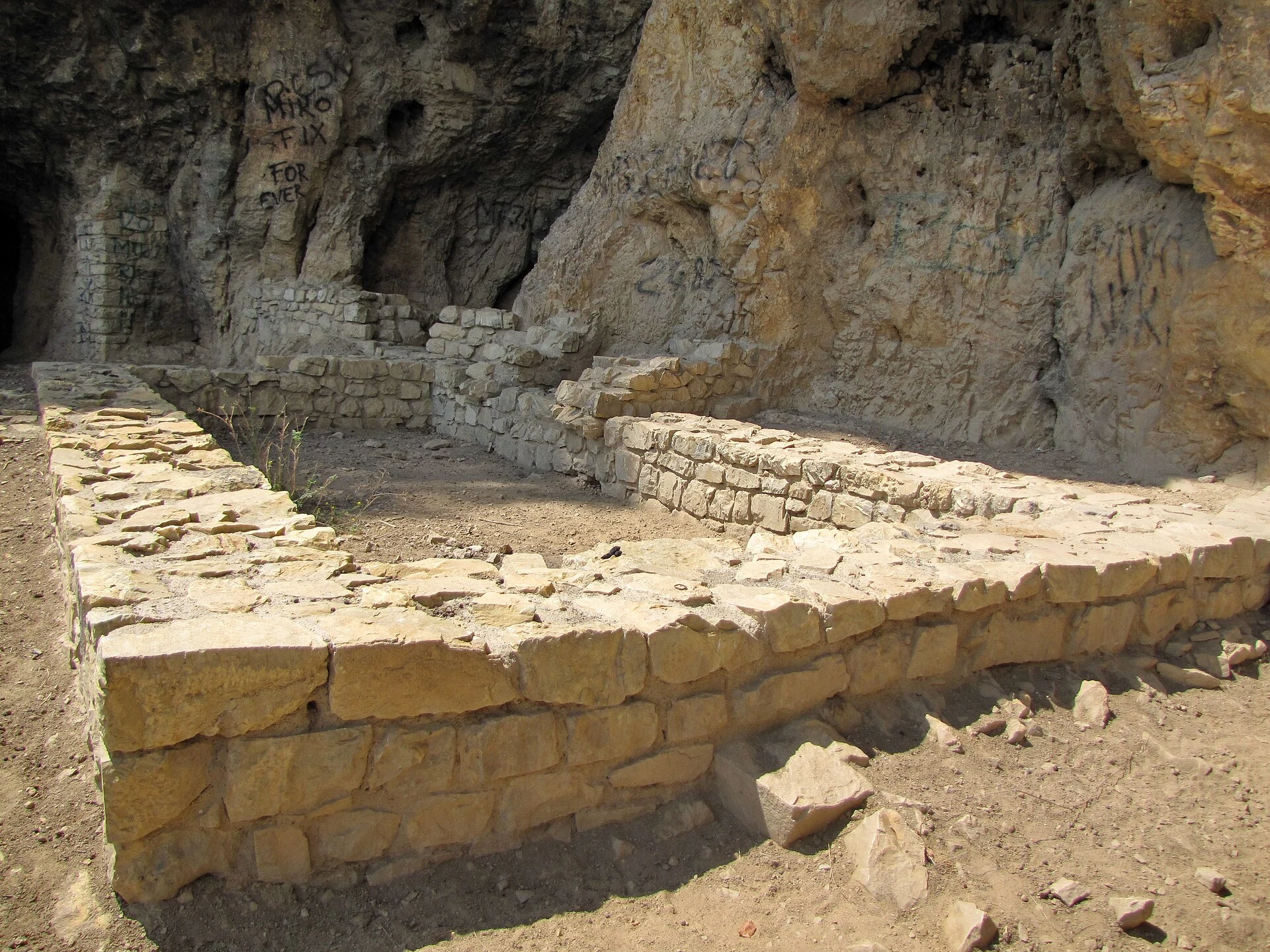
A workable sequence: the city, St Peter’s, Stari Ras and Sopoćani
Start at the Ras Museum or with an early walk through central Novi Pazar. Then St Peter’s Church provides the best threshold: it is a living religious building, erected in the 10th century over earlier structures, with additions and paintings from different periods. Do not visit it merely to “tick off” an ancient site: look at its compact plan and the succession of interventions that distinguishes it from the later monasteries.
Continue to the Ras archaeological site, where Gradina fortress and the lower settlement of Trgovište explain the political and defensive dimension of the former capital. The interest here is not in monumental interiors, but in interpreting ruins in the landscape: walls, slopes, elevated positions and scattered remains. Wear sturdy shoes, carry water and allow enough time; the place loses its meaning if reduced to a five-minute photo stop.
Finish at Sopoćani, whose church preserves 13th-century frescoes of extraordinary quality. The light, quiet atmosphere and continuing religious use of the building invite a slower pace. For a less demanding day, leave Ras for the following morning and combine Sopoćani with Novi Pazar; this is preferable to cramming all four visits together.
Đurđevi Stupovi deserves a trip of its own
Đurđevi Stupovi Monastery stands on a hill above Novi Pazar. Its Church of St George, founded between 1170 and 1171, is an early reference point for the so-called Raška school, where Romanesque and Byzantine forms converge. Its frescoes preserve two main layers of painting, from the late 12th and 13th centuries.
The climb and elevated setting give the visit a different character from Sopoćani. The question is not which is “better”: Sopoćani focuses attention on mural painting and its church; Đurđevi Stupovi allows you to read architecture, topography and monastic function. If time is short, choose one according to that interest and return to the city rather than rushing through both without a break.
As this is an active monastery, behave discreetly. Dress respectfully, avoid interrupting services or residents, ask before photographing interiors and do not assume that the same rules apply in every religious space.
What to sort out before leaving Novi Pazar
The main trade-off on this route is clear: the distances preserve the scale of each place, but they require transport planning. Central Novi Pazar is easy to enjoy on foot; the four heritage components, by contrast, do not form one continuous urban walk. A private vehicle, a taxi booked for several stops or a local driver gives you room to adjust the order and avoid relying on a rushed return journey.
Confirm road access, the actual opening of each site, any conservation work, photography rules and religious service times in advance. For the Ras Museum, also check the hours for the specific day; group visits and weekends may require prior coordination. Do not build your itinerary around timetables copied by third parties.
Responsible visiting here means giving priority to the places’ present-day use. Do not climb archaeological structures, cross barriers for a better photograph or fly drones without explicit permission. The preservation of the frescoes, religious buildings and fragile archaeological landscape also depends on this restraint.
References to check before travelling
UNESCO World Heritage Centre: the Stari Ras and Sopoćani entry, the property’s components, heritage values and protection framework.
National Tourism Organisation of Serbia: pages devoted to Novi Pazar and Stari Ras, useful for understanding the sites and their territorial connections.
Ras Museum in Novi Pazar: institutional information, collections and visiting hours. Check the current hours here before setting out.
Tourist Organisation of Novi Pazar and the authorities of each religious site: consult locally about access, dress codes, photography, celebrations and possible last-minute changes.
References consulted during editorial review. Times, requirements and advisories may change: always confirm with the official source.
- https://www.serbia.travel/en/novi-pazar/ www.serbia.travel
- https://www.serbia.travel/en/stari-ras/ www.serbia.travel
- https://www.serbia.travel/%D0%BD%D0%BE%D0%B2%D0%B8-%D0%BF%D0%B0%D0%B7%D0%B0%D1%80/ www.serbia.travel
- https://www.serbia.travel/sr-lat/novi-pazar/ www.serbia.travel
- https://www.serbia.travel/sr-lat/stari-ras/ www.serbia.travel
- https://www.serbia.travel/%D1%81%D1%82%D0%B0%D1%80%D0%B8-%D1%80%D0%B0%D1%81/ www.serbia.travel
- https://www.old.serbia.travel/en/see-serbia/culture/unesco-lists/world-cultural-heritage www.old.serbia.travel
- https://www.serbia.travel/en/valley-of-the-kings/ www.serbia.travel
- Serbia WikidataCC0 1.0 Wikidata · Q403
- Serbia WikidataCC0 1.0 Wikidata · Q37438143
- Serbia WikidataCC0 1.0 Wikidata · Q99292310
- Serbia World Countries — mledozeODbL 1.0 World countries dataset by mledoze and contributors · ODbL 1.0
- Serbia World Bank Open DataCC BY 4.0 World Bank
- Serbia DBpediaCC BY-SA 3.0 DBpedia
- Principios de sostenibilidad en clusters de turismo rural: los casos del Alto y el Bajo Danubio en Serbia OpenAlexCC0 1.0 OpenAlex