Nicaragua · Lake Cocibolca
Ometepe and the Petroglyphs: Why the Trip Deserves a Rethink
Ometepe Island brings together volcanoes, wetlands and pre-Hispanic heritage, but deciding whether to go should begin with a review of the current security situation and transport options.
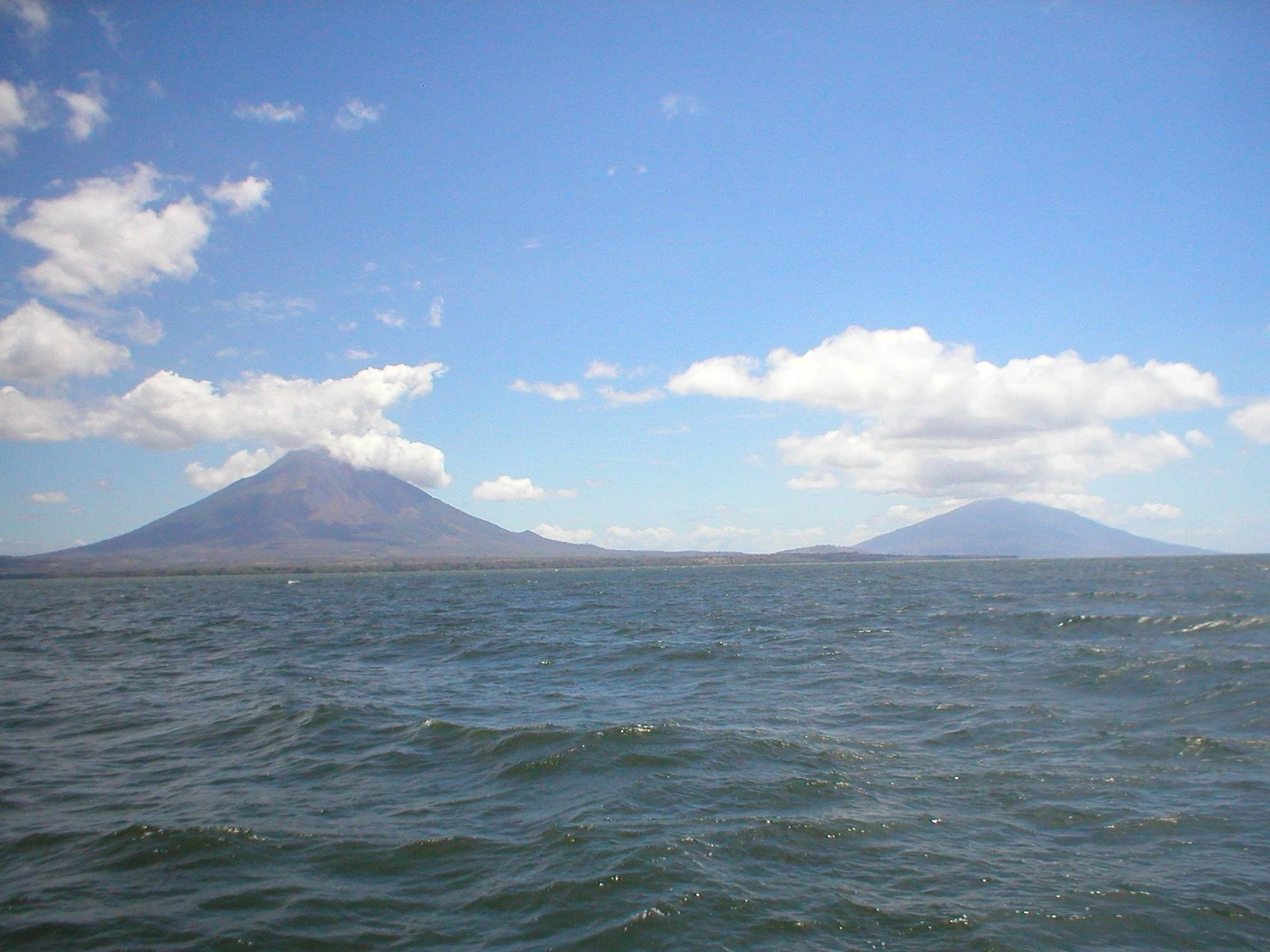
Ometepe is more than the outline of two volcanoes rising above Lake Cocibolca. It is an inhabited biosphere reserve, with wetlands, farms, archaeological collections and engraved stones that call for a thoughtful visit. For US travelers, however, planning now comes with a prior condition: reconsidering travel to Nicaragua in light of the current official advisory. If, after reviewing the guidance for your nationality and circumstances, you decide to continue, it is best to organize your stay with extra time, discretion and flexible expectations.
The first decision is not where to stay
The US advisory for Nicaragua is Level 3, “reconsider travel,” because of risks including crime, health concerns, wrongful detention and arbitrary enforcement of laws. This is time-sensitive information: check the current version before buying flights, booking services or crossing the border. If you are not traveling on a US passport, also review the advice issued by your own government.
This advisory should not be treated as an administrative formality. The island requires a chain of logistics—road travel to San Jorge, a lake crossing and journeys within the island—that leaves little room for maneuver if conditions change. Anyone who goes ahead should avoid comments or activities that could be interpreted as political, maintain a regular contact plan with trusted people and avoid relying on a last-minute connection or transfer for an important departure. Prudence here is part of the itinerary, not an optional extra.
Two volcanoes, an isthmus and three protected areas
Ometepe’s shape helps determine what to see. Concepción Volcano, to the northwest, remains active; Maderas, to the southeast, is an extinct cone covered in humid forest, with a summit lagoon. Between them lies the Istián Isthmus, where the terrain opens onto wetlands. These are not interchangeable backdrops: each area offers a different relationship between water, forest, rural activity and settlements.
The biosphere reserve includes the Volcán Concepción Nature Reserve, Volcán Maderas National Park and the Peña Inculta–Istián Wetland Wildlife Refuge. Protected status does not make every outing impact-free: remain on authorized routes, do not remove stones, plants or remains, and ask locally about the rules currently in force. Volcano climbs should not be improvised; trail conditions, rain, visibility and guide availability should confirm that the plan is sensible that day.
Choose your base according to the question behind the trip
Moyogalpa, on the Concepción side, generally serves as the arrival point from the mainland port of San Jorge. It is a practical base if your priority is handling the lake crossing in and out with as few transfers as possible. Altagracia, on the eastern side, is a better fit if you want to spend time with the archaeological context and move closer to the Maderas landscape. The road linking the two should not be read as an invitation to pack everything into a single day.
A more sensible plan separates getting around from sightseeing. Set aside your arrival day to adjust to the crossing; check the return departure directly before scheduling a distant activity; and keep a local alternative in reserve if transport changes. Boats run between San Jorge and Moyogalpa, but timetables, frequency, lake conditions and boarding arrangements are details you should verify with the port authority or authorized operators before setting out. Avoid driving at night outside urban areas.
The petroglyphs make more sense if you learn about them first
Ometepe’s pre-Hispanic heritage is not an ornamental detail beside the volcanoes. The reserve preserves references to petroglyphs associated particularly with the Maderas area, as well as pottery, sculptures and other materials that speak to earlier human occupation. Starting in a museum changes the order of the experience: first you observe techniques, materials and cultural sequences; afterward, you look at the landscape without turning every stone into a rushed photograph.
The Ometepe Museum in Altagracia presents the island’s environment, ethnology and archaeology. The El Ceibo Museums, in the community of Sacramento, bring together a pre-Columbian collection and a numismatic one. These are complementary, not equivalent, approaches: the first places the island in the context of a local public institution; the second helps visitors identify pottery, stone tools and petroglyphs within a specific collection. Confirm opening hours, access and any guided-visit arrangements directly with each museum, as these details may change.
A short visit may be enough
Ometepe does not require a maximum-effort checklist. If your effective time is limited, combine one cultural stop—Altagracia or El Ceibo—with a single chosen landscape: the isthmus and its wetlands, the lakeshore or the Maderas slopes. This way, you avoid spending the day linking vehicles and arrive more attentive to what is actually in front of you.
Anyone seeking a volcanic hike should make it the focus of the day, not an extra squeezed between ferries and museums. Those who prefer a less demanding experience can devote their visit to the museums and landscape sites accessible without a climb. In either case, leaving spare time is a concrete way to travel responsibly: it reduces pressure on drivers, guides and communities, and allows you to change plans if conditions suggest stopping.
References to check before traveling
- Security situation, requirements and alerts for US citizens: US Department of State. The cited advisory was issued on May 14, 2026, and updated on June 4, 2026; check whether it has changed.
- Isla de Ometepe Biosphere Reserve, volcanoes and ecological-cultural context: UNESCO’s Man and the Biosphere Programme.
- Protected areas of Concepción, Maderas and Istián: Nicaragua’s Ministry of Environment and Natural Resources.
- Ometepe Museum and El Ceibo Museums; location, collections and access conditions: Nicaraguan Institute of Culture. Verify opening hours and contact details before visiting.
References consulted during editorial review. Times, requirements and advisories may change: always confirm with the official source.
- https://www.unesco.org/en/mab/ometepe-island www.unesco.org
- https://travel.state.gov/en/international-travel/travel-advisories/nicaragua.html travel.state.gov
- https://whc.unesco.org/document/215729 whc.unesco.org
- https://planipolis.iiep.unesco.org/sites/default/files/ressources/nicaragua_progress_report_human_development_plan_2010.pdf planipolis.iiep.unesco.org
- https://www.unesco.org/es/articles/rio-coco-en-nicaragua-es-el-primer-geoparque-mundial-de-unesco-en-centroamerica www.unesco.org
- https://www.unesco.org/en/mab/list www.unesco.org
- https://www.marena.gob.ni/2022/08/05/firman-tres-convenios-de-manejo-colaborativo-de-la-reserva-de-la-biosfera-isla-de-ometepe/ www.marena.gob.ni
- https://www.unesco.org/en/mab/rio-san-juan www.unesco.org
- Nicaragua WikidataCC0 1.0 Wikidata · Q811
- Nicaragua WikidataCC0 1.0 Wikidata · Q37178314
- Nicaragua World Countries — mledozeODbL 1.0 World countries dataset by mledoze and contributors · ODbL 1.0
- Nicaragua World Bank Open DataCC BY 4.0 World Bank
- Nicaragua DBpediaCC BY-SA 3.0 DBpedia
- Los recursos en disputa. El caso del conflicto minero en Rancho Grande, Nicaragua OpenAlexCC0 1.0 OpenAlex
- Nicaragua: análisis de una crisis inesperada OpenAlexCC0 1.0 OpenAlex
- Turismo rural comunitario en el Oeste de Nicaragua: Lecciones para la sostenibilidad desde un enfoque socio-cultural CrossrefMetadatos públicos; derechos específicos por campo cuando correspondan Crossref
- PROCESOS DE PATRIMONIALIZACIÓN, TURISMO DE BASE LOCAL Y SOSTENIBILIDAD. EL CASO DE EL CASTILLO (RÍO SAN JUAN, NICARAGUA). CrossrefMetadatos públicos; derechos específicos por campo cuando correspondan Crossref
- Análisis de la sostenibilidad turística en León, Nicaragua, aplicando criterios globales de turismo sostenible CrossrefMetadatos públicos; derechos específicos por campo cuando correspondan Crossref