Travel decision
Postpone tourist travel to the Central African Republic
Security, medical care and mobility make this an unsuitable destination for independent tourism or an organised getaway at present.
journal.travel Atlas
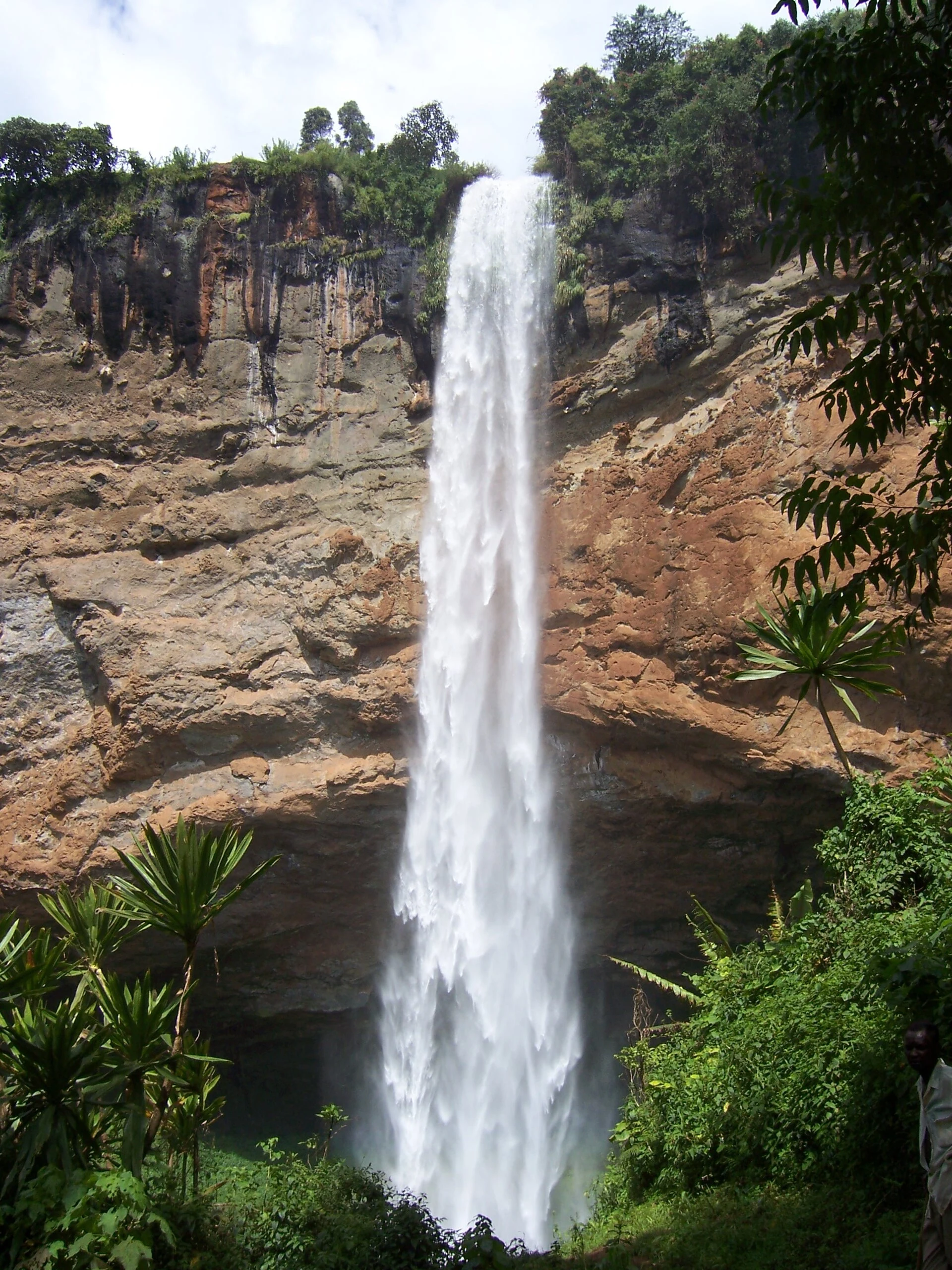
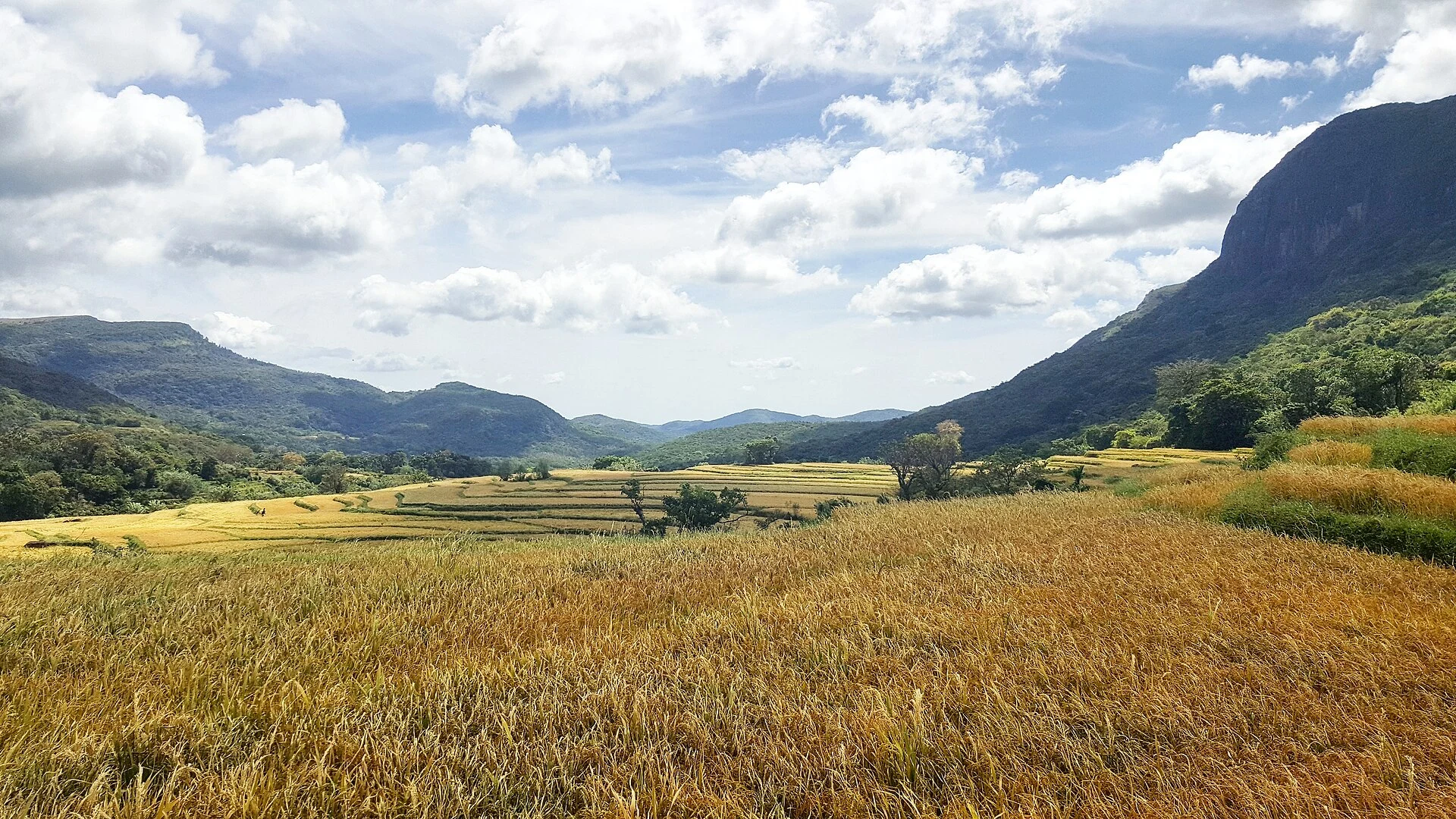
Photography pending verification
The Central African Republic brings together internationally significant savannah and rainforest landscapes, but that reality does not make it a destination currently available to visitors. The practical decision today is to postpone any tourist trip: the risks are not confined to a remote area, nor can they be resolved with a short itinerary in Bangui. The possibility of receiving consular or medical assistance is limited, and conditions can change without warning.
The sensible decision is not to turn interest into a booking
The official advisories consulted all discourage tourist travel. The US advisory maintains its highest level, citing risks linked to conflict, violent crime, kidnapping, landmines, terrorism and health; it also points to a very limited capacity to provide emergency assistance. French and British recommendations likewise do not present Bangui as a tourist exception: travel outside the capital is strongly discouraged and, within the city itself, only essential or unavoidable reasons are contemplated.
This changes the planning question. The issue is not finding an operator, a shorter route or better-located accommodation, but recognising that a leisure trip has no reasonable contingency margin. Insurance cannot replace urgent care, a viable evacuation or consular support. Avoid making non-refundable payments while these advisories remain in force.
Bangui does not operate as an isolated tourist gateway
A capital can sometimes seem like an alternative way to experience a country without entering its more exposed regions. In this case, that separation is misleading. Official alerts describe risks in Bangui too, as well as the possible closure of roads, airports or borders without notice and significant limitations affecting transport and healthcare services.
The extremely limited medical infrastructure is a decisive factor even for short stays: an apparently minor incident may require evacuation. Nor should the existence of flights, hotels or everyday activity be taken as evidence of normality. These elements may be necessary for residents, humanitarian personnel or business travellers, but they do not guarantee safety for a visitor. Any entry, vaccination or connectivity requirements should be checked again with the relevant authority before travelling.
The great protected landscapes are not a shortcut for travelling now
The country's natural appeal calls for careful consideration, not hasty promotion. Manovo-Gounda St Floris National Park protects a vast area of savannahs, floodplains, rivers and gallery forests; it remains on the List of World Heritage in Danger. A monitoring mission carried out in February 2026 identified continuing pressures, including insecurity, poaching, transhumance, artisanal mining and the prospect of oil development.
In the northwest, the Sangha Trinational includes Dzanga-Ndoki National Park within a landscape shared with Cameroon and the Republic of the Congo. Its ecological importance is undeniable, but so is the need to consider the rights and livelihoods of local and Indigenous communities. International recognition does not certify that a place is open, accessible or suitable for recreational visits. Do not use these names as a reason to circumvent the recommendation to postpone travel.
What to retain for future planning, without bringing decisions forward
If the Central African Republic is part of a long-term travel project, keep a file, not a booking. Note the travel advisories for your nationality, the information provided by the relevant embassy or consulate, health and entry requirements, and any communications from protected-area authorities. Only a sustained improvement in conditions and official advisories would justify moving on to the logistics phase.
When that time comes, request recent written confirmation of transfers, available medical assistance, communications, cancellation conditions and actual access to each area. Do not assume that information from a guidebook, social network or previous season is still valid. For now, the responsible way to approach the country's natural heritage is to stay informed, monitor developments and leave the journey for later.
Official references to check before making any decision
- US Department of State, Central African Republic travel advisory: Level 4, “Do Not Travel”, issued on 15 January 2026; includes security and health risks, landmines and limited consular assistance.
- France's Ministry for Europe and Foreign Affairs, security recommendations for the Central African Republic, updated on 15 September 2026; formally discourages travel across much of the country and non-essential travel in Bangui and Bimbo.
- UK Foreign Office, current advisory updated on 28 May 2026; advises against travel to the country except Bangui and discourages all non-essential travel to the capital as well.
- UNESCO World Heritage Centre, profile and 2026 decision on Manovo-Gounda St Floris; confirms its continued inclusion on the List of World Heritage in Danger and the conservation pressures identified.
- UNESCO World Heritage Centre, Sangha Trinational profile; describes its cross-border composition and the importance of local and Indigenous communities in its management.
Advisories, entry requirements and health conditions are time-sensitive information: verify them directly with these institutions immediately before considering any journey.
References consulted during editorial review. Times, requirements and advisories may change: always confirm with the official source.
- https://whc.unesco.org/en/statesparties/cf whc.unesco.org
- https://www.diplomatie.gouv.fr/fr/information-par-pays/republique-centrafricaine/conseils-aux-voyageurs-securite www.diplomatie.gouv.fr
- https://www.diplomatie.gouv.fr/fr/conseils-aux-voyageurs/conseils-par-pays-destination/republique-centrafricaine/ www.diplomatie.gouv.fr
- https://whc.unesco.org/en/list/475 whc.unesco.org
- https://travel.state.gov/en/international-travel/travel-advisories/destination.caf.html travel.state.gov
- https://whc.unesco.org/en/statesparties/cf/documents whc.unesco.org
- https://whc.unesco.org/en/decisions/3411/ whc.unesco.org
- https://whc.unesco.org/en/list/1380 whc.unesco.org
- República Centroafricana WikidataCC0 1.0 Wikidata · Q929
- Central African Republic World Countries — mledozeODbL 1.0 World countries dataset by mledoze and contributors · ODbL 1.0
- Central African Republic World Bank Open DataCC BY 4.0 World Bank
- República Centroafricana CrossrefMetadatos públicos; derechos específicos por campo cuando correspondan Crossref
- República Centroafricana CrossrefMetadatos públicos; derechos específicos por campo cuando correspondan Crossref
- República Centroafricana CrossrefMetadatos públicos; derechos específicos por campo cuando correspondan Crossref
- República Centroafricana CrossrefMetadatos públicos; derechos específicos por campo cuando correspondan Crossref
- Actos de violencia sexual cometidos por el personal de las misiones internacionales presentes en República Centroafricana CrossrefMetadatos públicos; derechos específicos por campo cuando correspondan Crossref
- República Centroafricana CrossrefMetadatos públicos; derechos específicos por campo cuando correspondan Crossref
- República Centroafricana CrossrefMetadatos públicos; derechos específicos por campo cuando correspondan Crossref